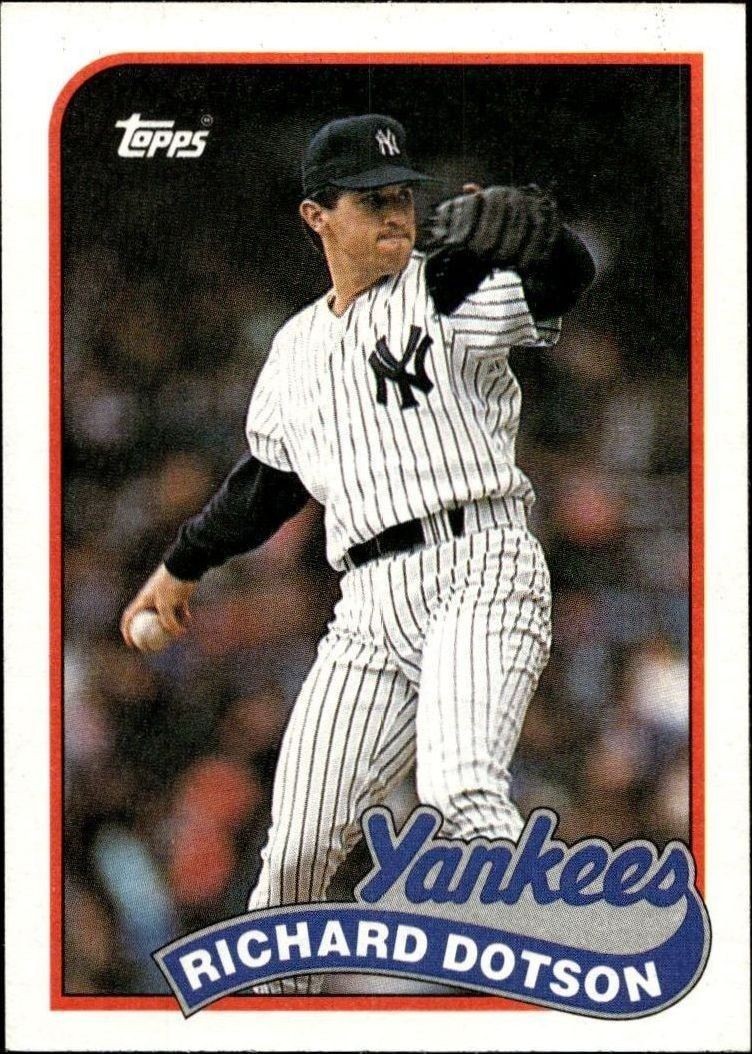





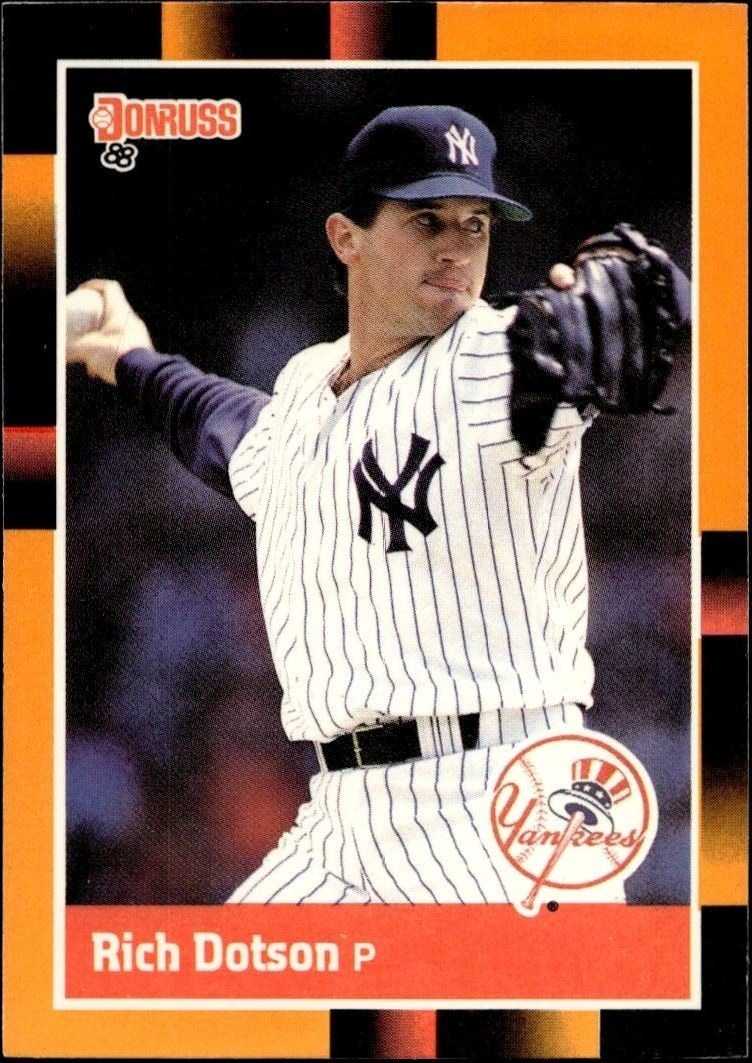

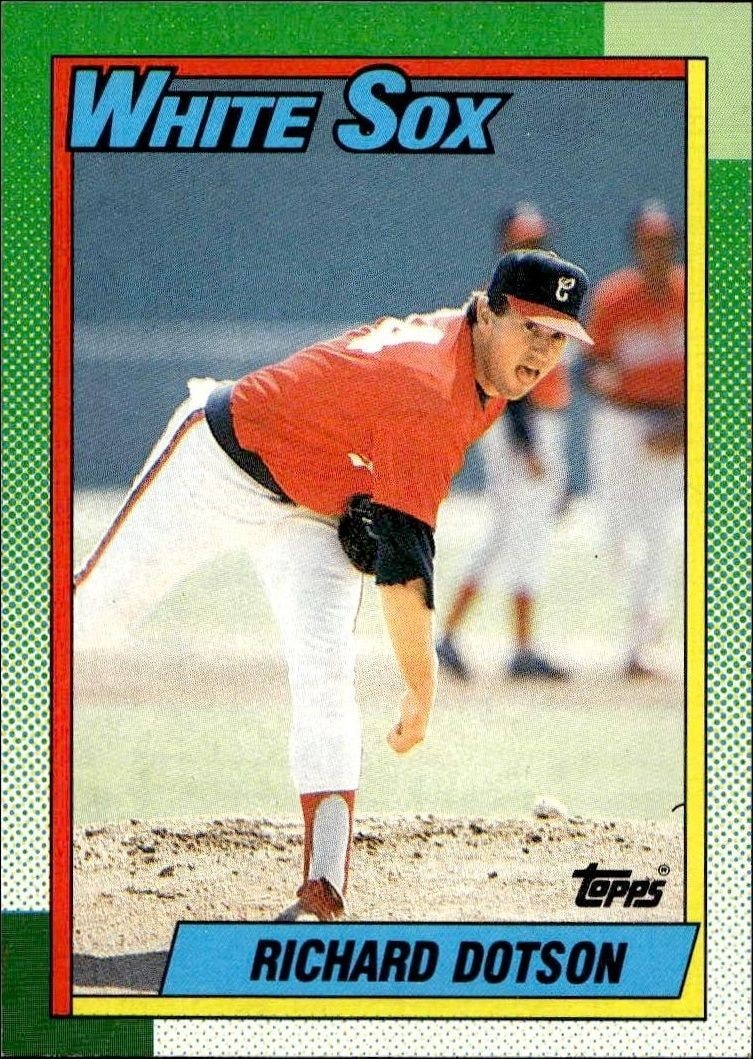
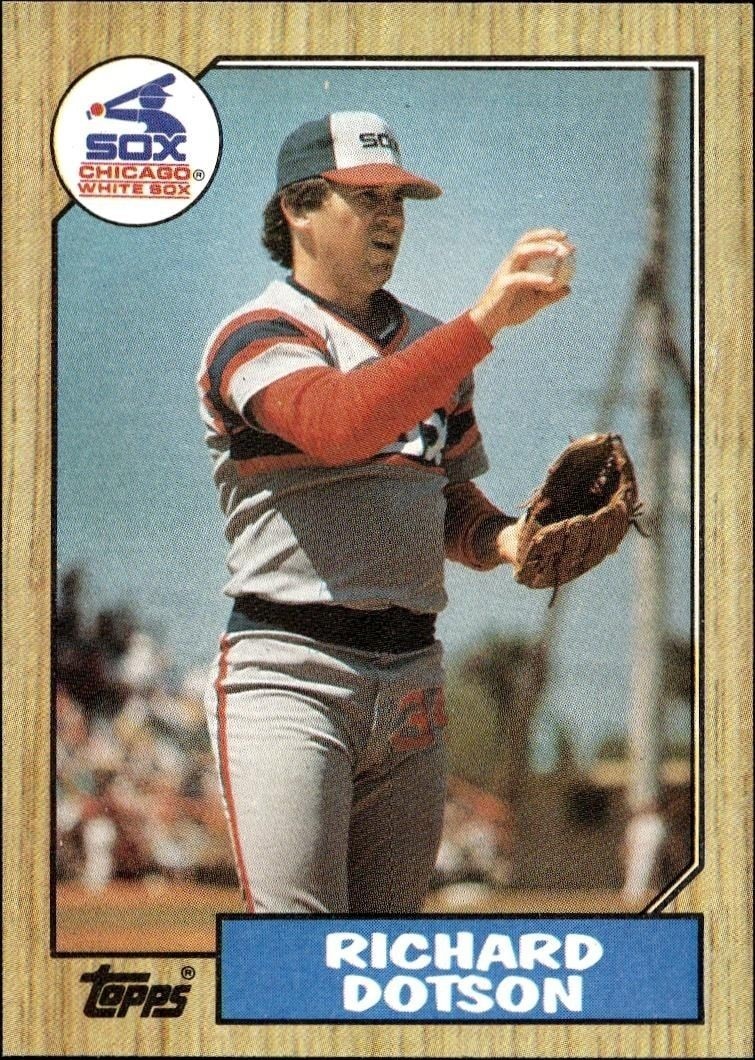
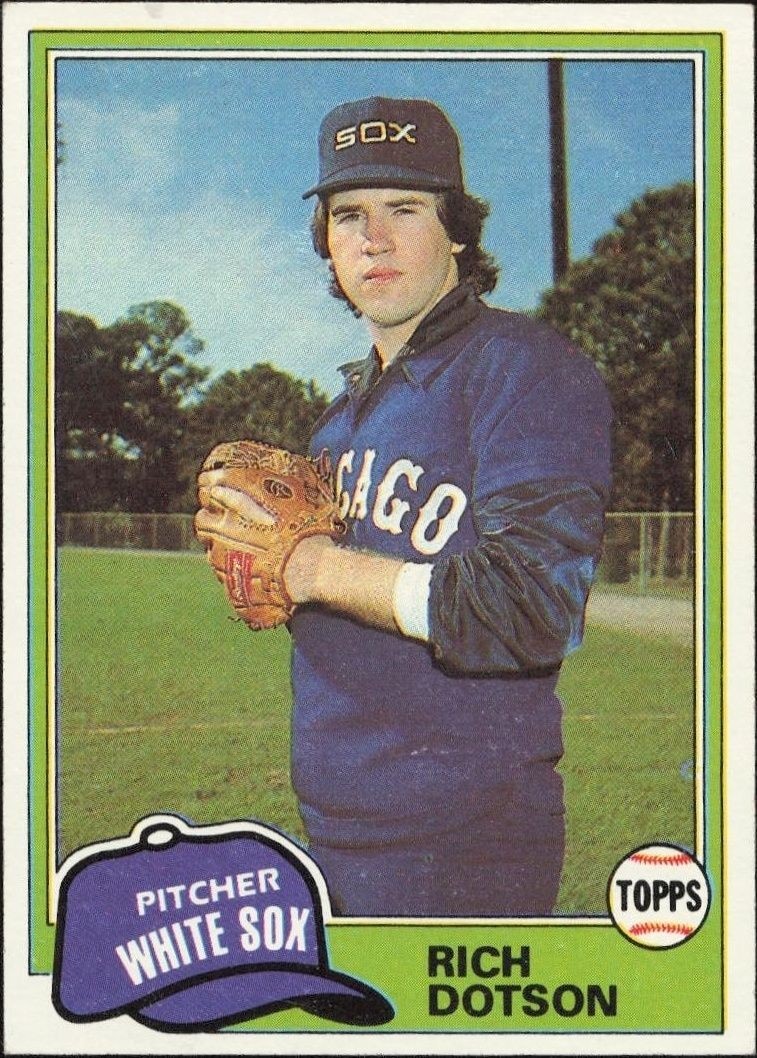


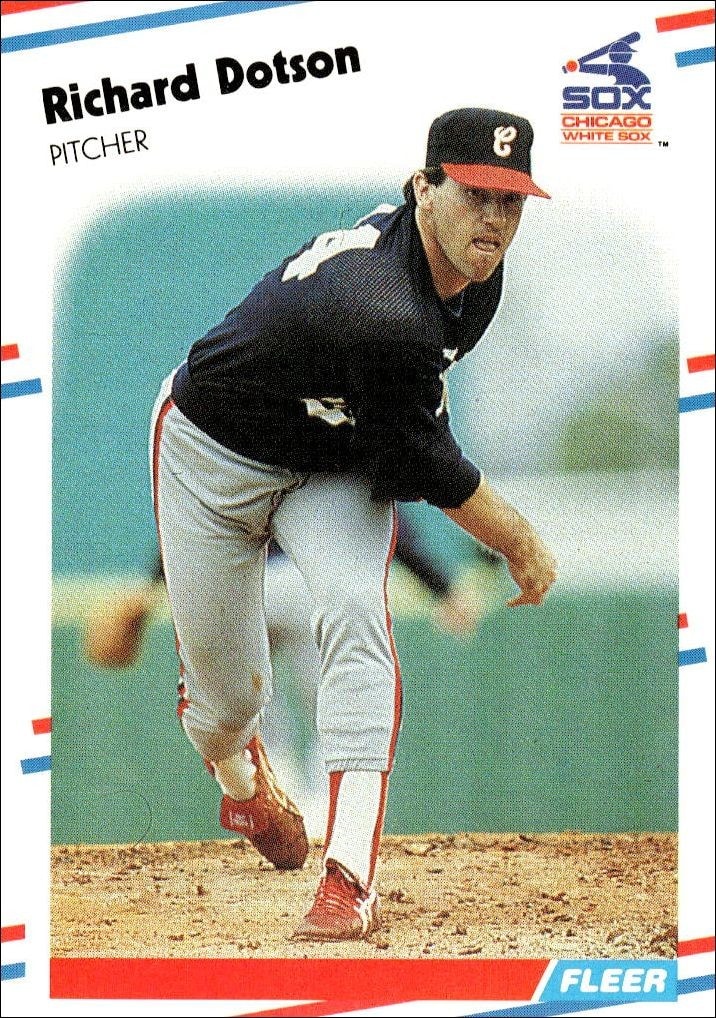
Richard Dotson's 1989 Fleer baseball card, numbered #253, represents a notable entry in vintage New York Yankees collecting.
1989 • Fleer
Major League Baseball • New York Yankees
Excellent
253
New
Shipping Calculated at Checkout
Arrives in 5-7 daysEstimated delivery October 29, 2026 - October 31, 2026
30-day Returns| Condition | Value | Source | Trend | Price Details |
|---|---|---|---|---|
$0.99 | Guide Estimate | 0% | ||
Raw / Ungraded
PriceCharting Price Guide · Guide Estimate evidence · captured Oct 21, 2026
Richard Dotson's 1989 Fleer baseball card, identified by number 253, serves as a distinct artifact for enthusiasts of New York Yankees history. This card captures the pitcher during a significant period of his career, anchoring it firmly within the late 1980s baseball landscape. Collectors often seek out this release to complete base sets or to build focused collections around Yankees legends and key contributors from that era. The 1989 Fleer brand holds a special place in sports card history, known for its clean design and comprehensive roster coverage. For many hobbyists, owning a card from this year and manufacturer is essential for understanding the evolution of baseball trading cards. The #253 designation helps collectors navigate the extensive checklist, making it easier to track down specific players and complete their personal archives. As a piece of baseball memorabilia, this card connects fans to the on-field action of the Major League Baseball league during the 1989 season. Richard Dotson's tenure with the Yankees adds a layer of historical interest for those tracking team rosters and player movements. Whether you are a long-time collector or new to the hobby, this card offers a tangible link to the sport's past. The card's enduring appeal lies in its ability to represent a specific moment in time, preserving the memory of Richard Dotson's contributions to the game. It remains a relevant item for anyone looking to deepen their understanding of baseball history through physical collectibles. The combination of the Fleer brand, the Yankees team affiliation, and the 1989 release date makes this a staple in many vintage collections.
3 days ago
We'll pre-fill the product details from this catalog entry, so your listing lands on this exact page. Just add photos of your copy, pick its condition, and set your price.
The catalog profile below summarizes the card identity, featured subject, and notable collectible traits.
The subject, team, league, and sport context tied to this card.
Production details and format-specific attributes.
Material
Card Stock
Language
English
Compare prices, grades, photos, and shipping from approved sellers.
New
Excellent
See how many public collections currently include this card.
0 collectors have this card
This 1989 Fleer Richard Dotson card sits at the absolute floor of the baseball market, reflecting its status as a common base card from a high-volume set. The current valuation indicates minimal collector interest, with the card trading well below any meaningful premium typically associated with Yankees roster members of that era. Its position in the market is defined by its ubiquity rather than any specific scarcity or condition-based value.
The card lacks any special attributes such as serial numbering, short-print designation, or parallel variations, meaning it is a standard base issue. As a common card, its supply is effectively unlimited relative to demand, with no mechanical constraints on the number of copies in existence. This absence of rarity features ensures that the card remains one of many identical copies available to collectors.
As a non-rookie card from a mass-produced set, this item offers no inherent scarcity or rookie-card premium to drive future appreciation. The lack of unique identifiers or limited edition status suggests that collector demand will remain stagnant, with no significant catalysts for value growth. Investors should view this as a low-risk, low-reward entry point suitable only for completing basic set requirements rather than for capital appreciation.