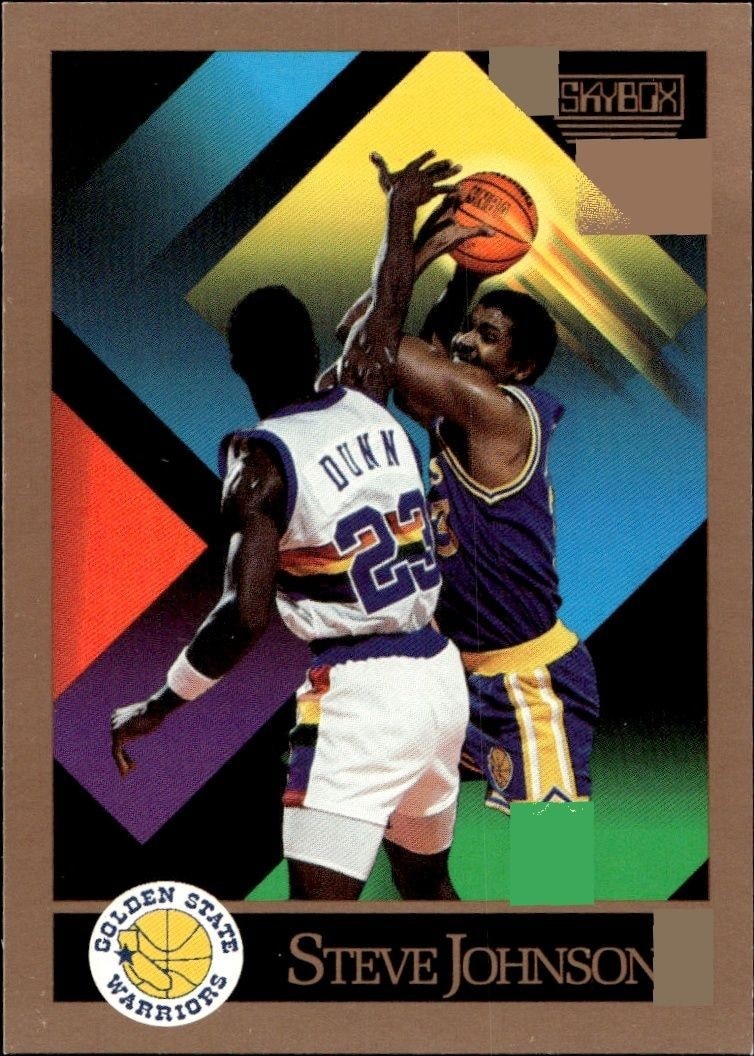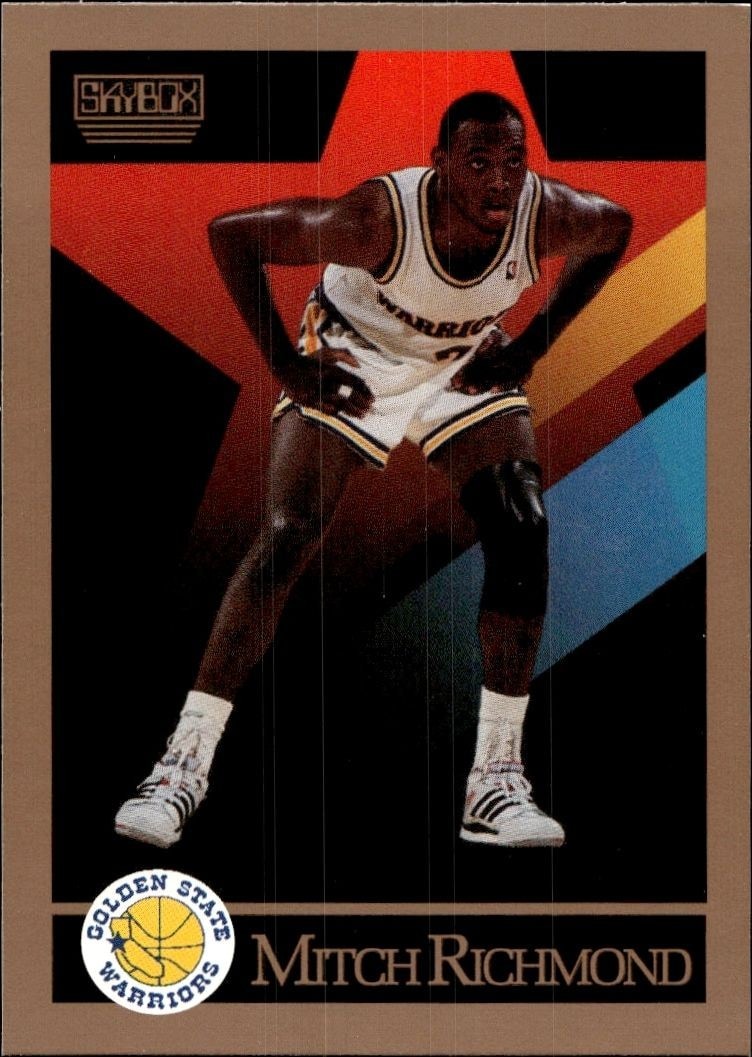
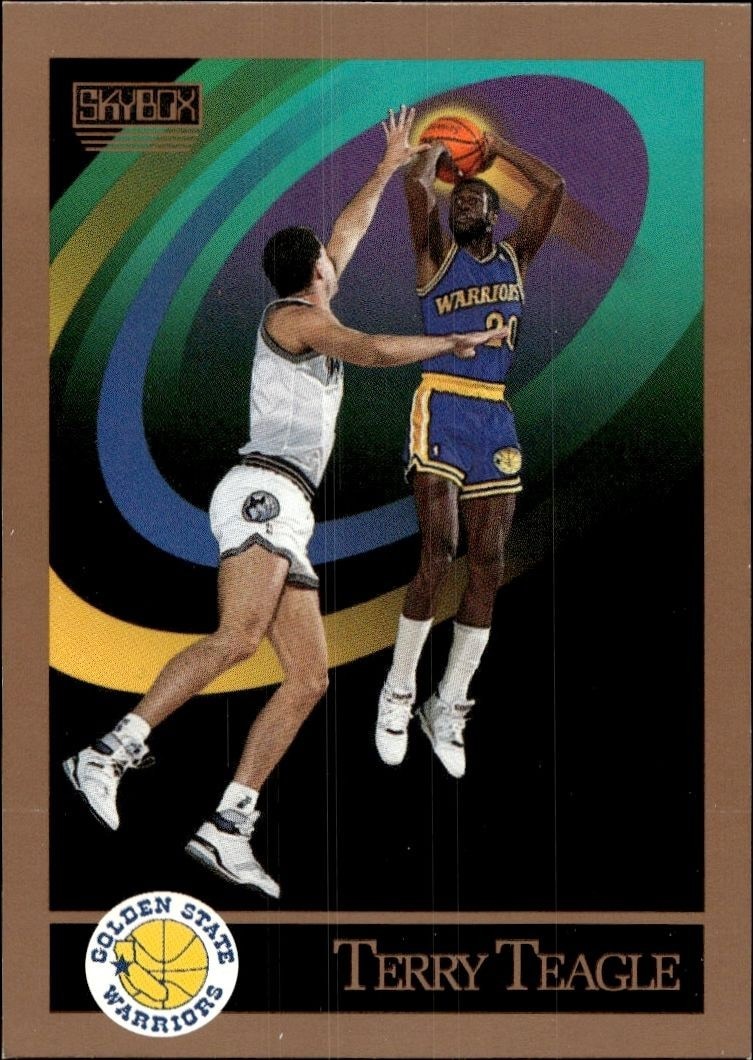
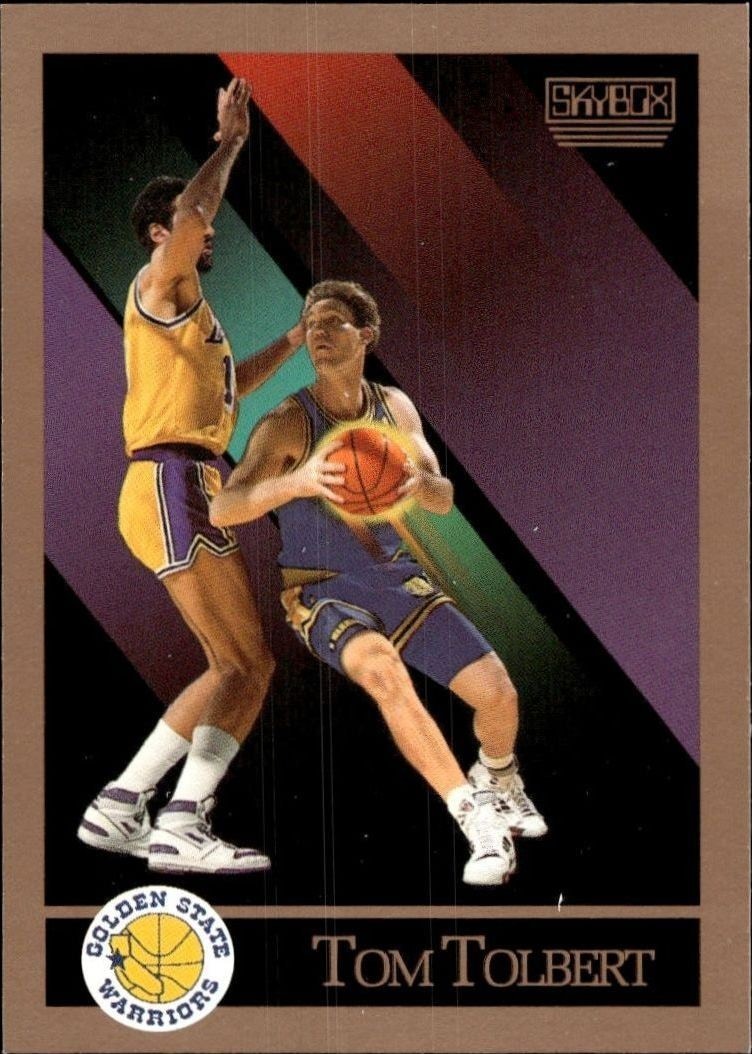
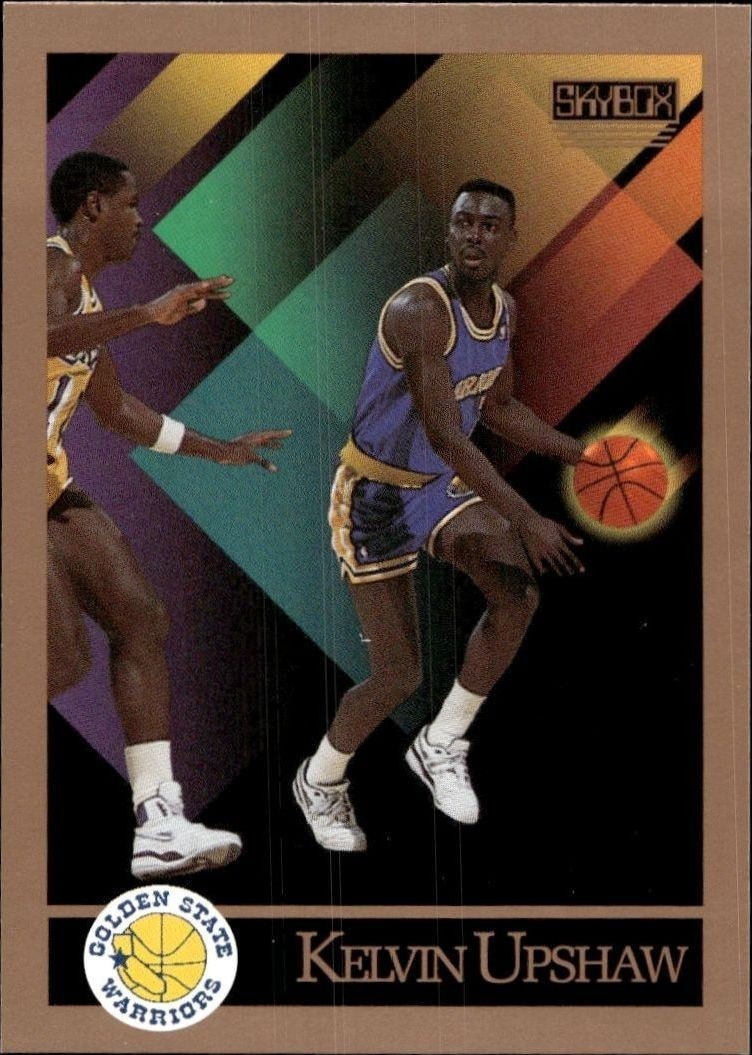

The 1990-91 Skybox basketball trading card featuring Mike Smrek of the Golden State Warriors, identified as card number 101 in the set.
1990-91 • Skybox
National Basketball Association • Golden State Warriors
Near Mint
101
New
Shipping Calculated at Checkout
Arrives in 6-8 daysEstimated delivery October 23, 2026 - October 25, 2026
Seller returns October 19, 2026.30-day Returns| Condition | Value | Source | Trend | Price Details |
|---|---|---|---|---|
$0.79 | Guide Estimate | 0% | ||
Raw / Ungraded
PriceCharting Price Guide · Guide Estimate evidence · captured Oct 8, 2026
The 1990-91 Skybox basketball trading card featuring Mike Smrek stands as a recognizable piece of early 1990s NBA memorabilia. As card number 101 in the Skybox release, this product captures the visual identity of the era's most popular sports card brand. Collectors who appreciate the distinct design language of the Skybox brand often seek out specific card numbers to complete their sets, making this product a relevant addition for those focused on the 1990-91 series. Mike Smrek is featured here representing the Golden State Warriors, providing a direct link to the team's roster during this season. While the artwork itself is not described here, the card's identity as part of the Skybox catalog gives it a unique place in basketball card history. The combination of the Skybox brand, the 1990-91 year, and the specific card number creates a clear identifier for collectors navigating the vast landscape of vintage basketball cards. For investors and hobbyists alike, the 1990-91 Skybox set remains a significant entry point for understanding the evolution of sports card design. The product's association with the NBA and the Golden State Warriors adds context for fans of the league and the team. Whether you are building a team set or focusing on the broader Skybox collection, this card provides a tangible connection to a pivotal year in basketball trading card history. The enduring appeal of 1990s basketball cards lies in their nostalgic value and the vibrant aesthetics of that period. This card serves as a reminder of the Skybox brand's influence on the industry during the early 1990s. By focusing on the core attributes of the 1990-91 Skybox release, collectors can appreciate the product's historical significance without relying on subjective condition judgments. It remains a staple for those interested in the Golden State Warriors' history and the broader landscape of 1990s NBA trading cards.
1 day ago
We'll pre-fill the product details from this catalog entry, so your listing lands on this exact page. Just add photos of your copy, pick its condition, and set your price.
The catalog profile below summarizes the card identity, featured subject, and notable collectible traits.
The subject, team, league, and sport context tied to this card.
Production details and format-specific attributes.
Material
Card Stock
Language
English
Compare prices, grades, photos, and shipping from approved sellers.
New
Near Mint
See how many public collections currently include this card.
0 collectors have this card
This 1990-91 Skybox Mike Smrek card trades at a minimal entry-level price point, reflecting its status as a non-premium rookie card for a player with limited long-term NBA prominence. It sits well below the market tier of star players from the same era, offering a low-cost option for completing base sets rather than holding significant standalone value. The lack of special attributes or grading premiums keeps its valuation firmly in the budget category of the vintage basketball market.
The card is a standard base issue within the Skybox set, lacking any short-print designations, serial numbering, or parallel variants that would artificially constrain supply. As a mass-produced insert from a major print run, its scarcity is defined by availability rather than rarity mechanics, meaning copies are plentiful among surviving specimens. This base classification ensures it does not benefit from the limited-supply dynamics seen in premium parallels or serial-numbered cards of the same year.
Investment potential is limited due to the card's position as a common rookie-era piece for a role player who did not achieve sustained stardom or Hall of Fame recognition. Collector demand is primarily driven by set completionism rather than speculative growth, making it a functional holding for bulk collectors rather than an appreciating asset. Without unique attributes or significant career milestones to drive secondary market interest, the card is unlikely to command a premium over its current baseline market position.