

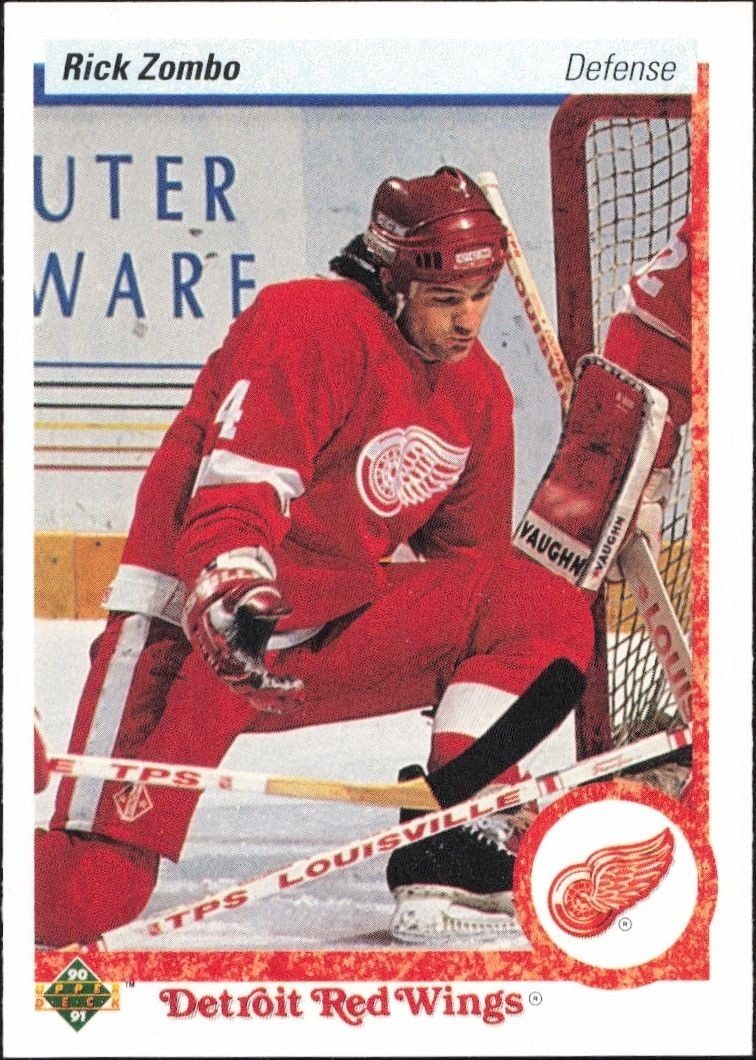


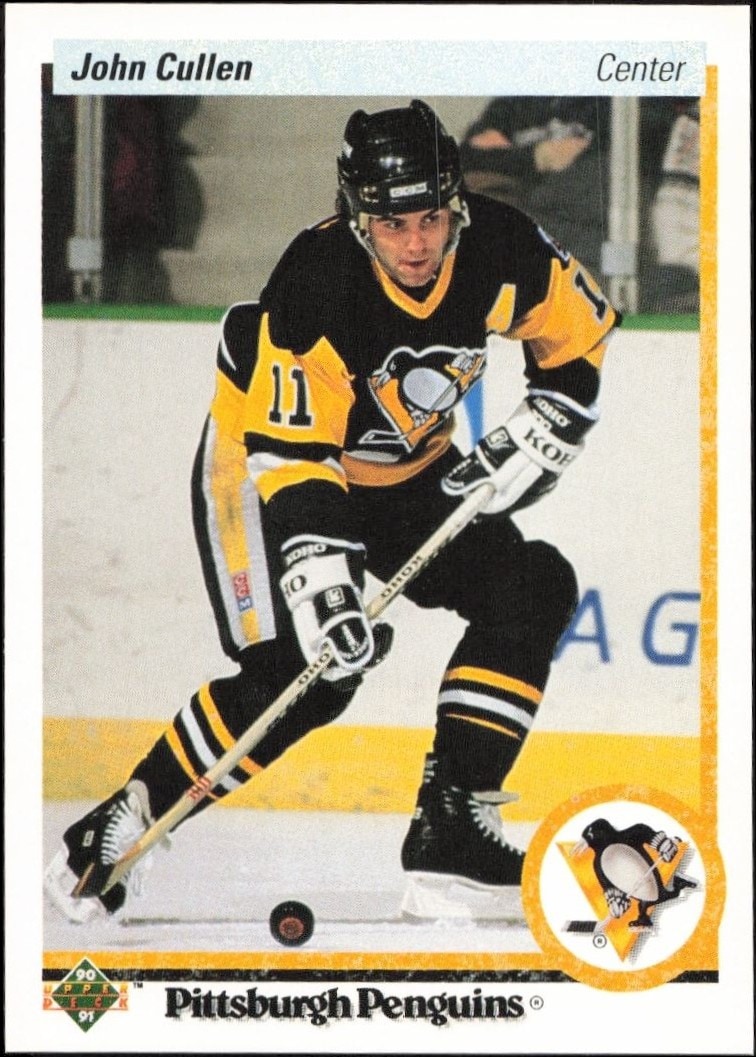


The 1990-91 Upper Deck release features Dave Manson as card number 85 in this vintage NHL hockey trading card.
1990-91 • Upper Deck
National Hockey League • Chicago Blackhawks
Near Mint
85
New
Shipping Calculated at Checkout
Arrives in 5-7 daysEstimated delivery October 23, 2026 - October 25, 2026
Seller returns October 19, 2026.30-day Returns| Condition | Value | Source | Trend | Price Details |
|---|---|---|---|---|
$1.40 | Asking Prices | +12% | ||
Raw / Ungraded
eBay Active Listings · Asking Prices evidence · captured Oct 10, 2026
The 1990-91 Upper Deck release marked a significant shift in the sports card landscape, introducing a glossy, high-gloss finish that distinguished it from the matte cards of previous years. Within this foundational set, card number 85 features Dave Manson, a defenseman who represented the Chicago Blackhawks during this era. For collectors focusing on vintage NHL hockey, this card number serves as a definitive entry for those tracking the roster composition of the early 1990s. Dave Manson established himself as a reliable presence on the blue line, and his inclusion in this Upper Deck product highlights the league's top talent at the time. The card's design reflects the minimalist aesthetic typical of the brand's early releases, allowing the subject's identity and team affiliation to take center stage. As a non-rookie card, it captures Manson in his prime, offering a snapshot of his career with the Blackhawks before his later stints with other franchises. Collectors often seek out specific card numbers within the 1990-91 Upper Deck set to complete their base collections or to focus on individual player subsets. The enduring appeal of this product lies in its status as one of the first major national hockey releases of the decade, making it a staple for vintage hockey enthusiasts. Whether you are building a comprehensive set or targeting specific players like Manson, this card remains a relevant piece of hockey history. The clarity and production quality of Upper Deck from this year continue to make it a favorite among hobbyists who appreciate the transition into modern card manufacturing standards.
5 hours ago
We'll pre-fill the product details from this catalog entry, so your listing lands on this exact page. Just add photos of your copy, pick its condition, and set your price.
The catalog profile below summarizes the card identity, featured subject, and notable collectible traits.
The core identity of the card within the set.
The subject, team, league, and sport context tied to this card.
Production details and format-specific attributes.
Material
Card Stock
Language
English
Compare prices, grades, photos, and shipping from approved sellers.
New
Near Mint
See how many public collections currently include this card.
0 collectors have this card
This 1990-91 Upper Deck card of Dave Manson represents a base-level asset with minimal premium, reflecting his status as a depth defenseman rather than a franchise cornerstone. The current market position indicates a low-tier valuation typical for non-rookie, non-star players from this era, trading well below the price points of Chicago Blackhawks' primary superstars. Condition and grading do not appear to offer significant upside, as the card lacks the scarcity drivers that typically elevate market value in this specific product run.
The card possesses no special scarcity attributes, such as serial numbering, short-print status, or parallel finishes, meaning it is a standard base card from a high-volume production set. This lack of distinguishing features results in an abundant supply relative to collector demand, as there are no limited edition mechanics constraining the available inventory. Consequently, the card's rarity is defined by its commonality within the 1990-91 Upper Deck Hockey set rather than any unique production restriction.
As a non-rookie card for a role player, this item lacks the rookie-card premium mechanics and long-term appreciation drivers associated with Hall of Fame-caliber talent or franchise icons. Collector demand is primarily driven by team completeness or casual collection needs rather than speculative investment potential, limiting future upside. The combination of high supply and low player significance suggests this card will likely remain a stable, low-cost filler rather than a growth-oriented asset.