


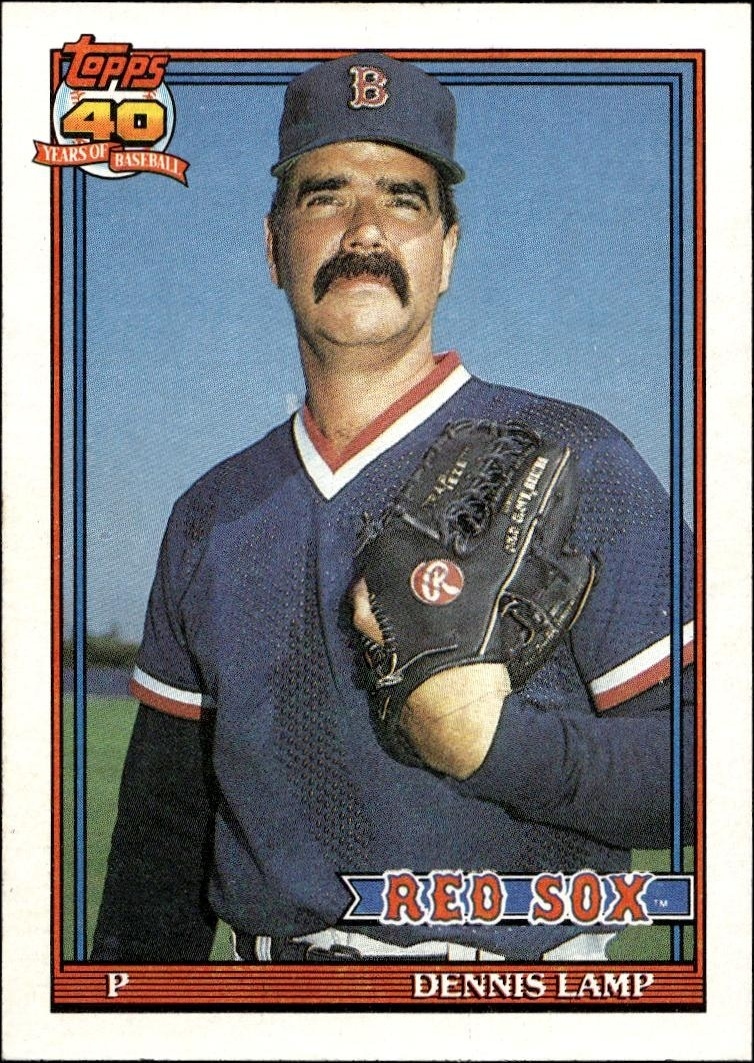

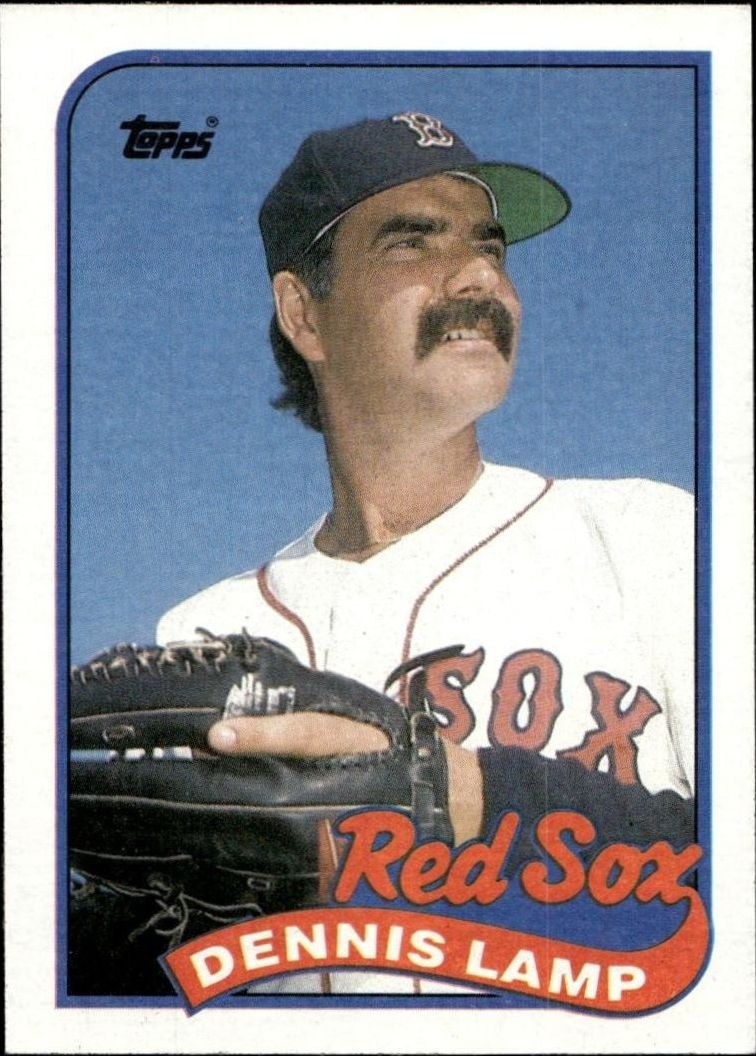
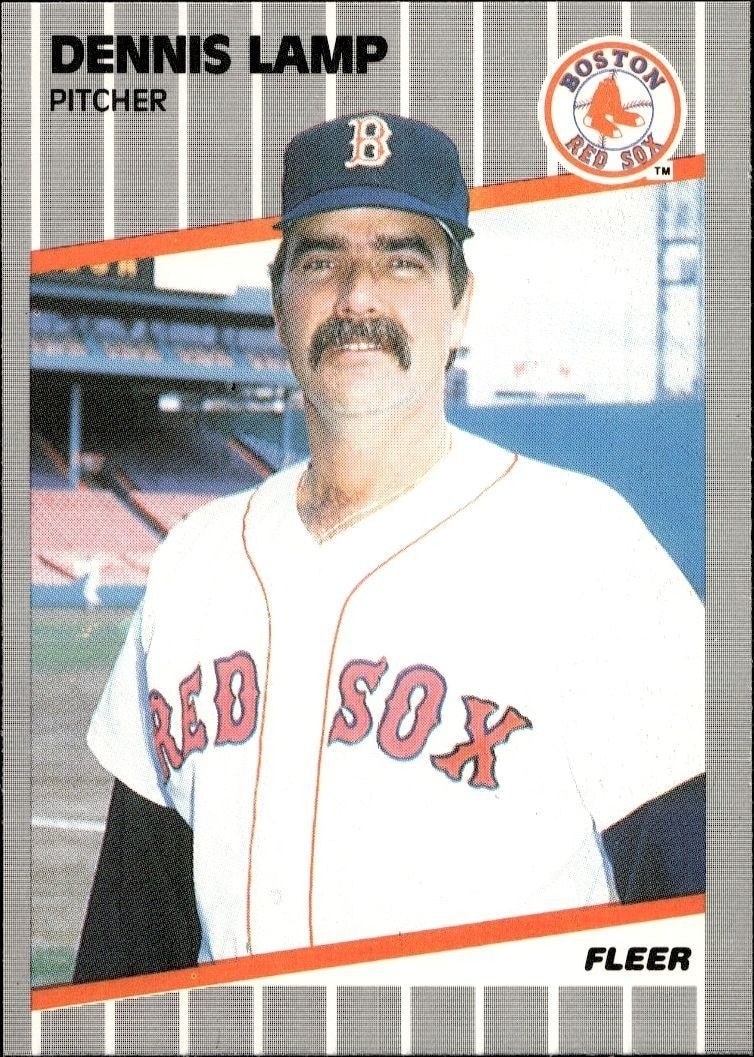
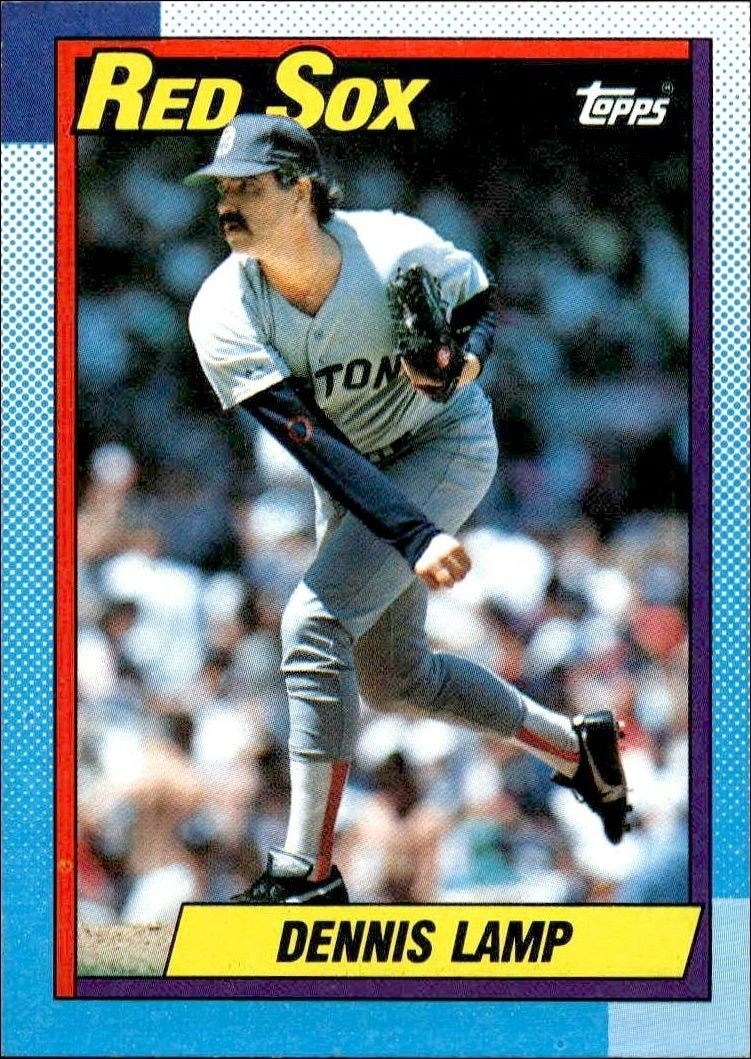
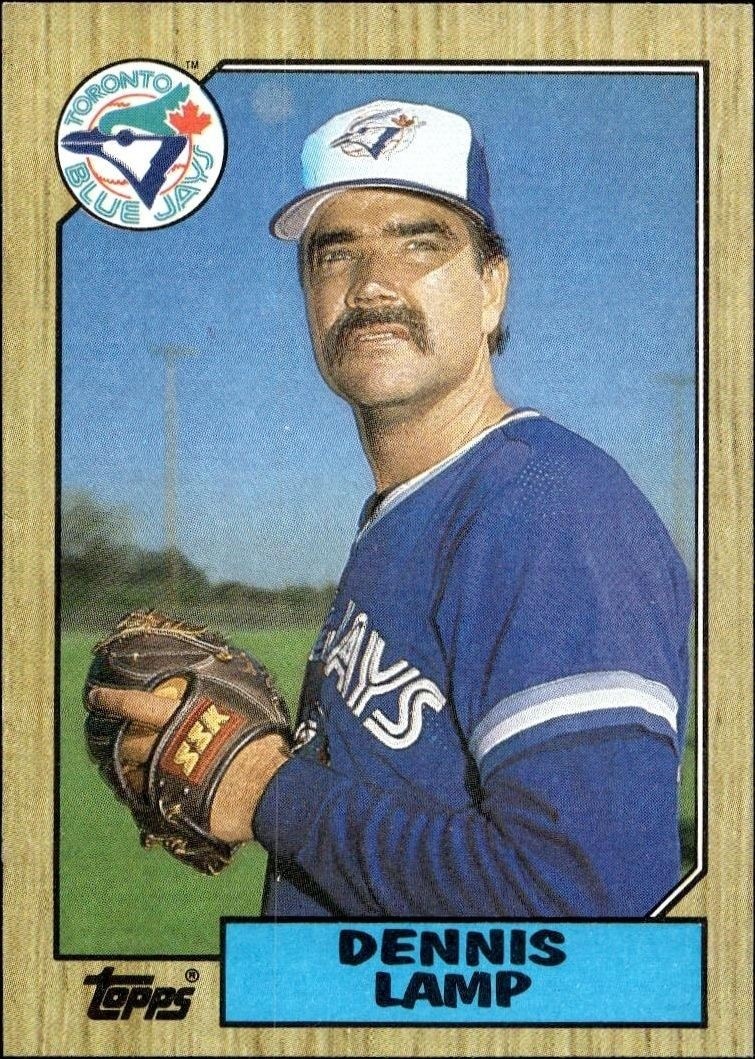
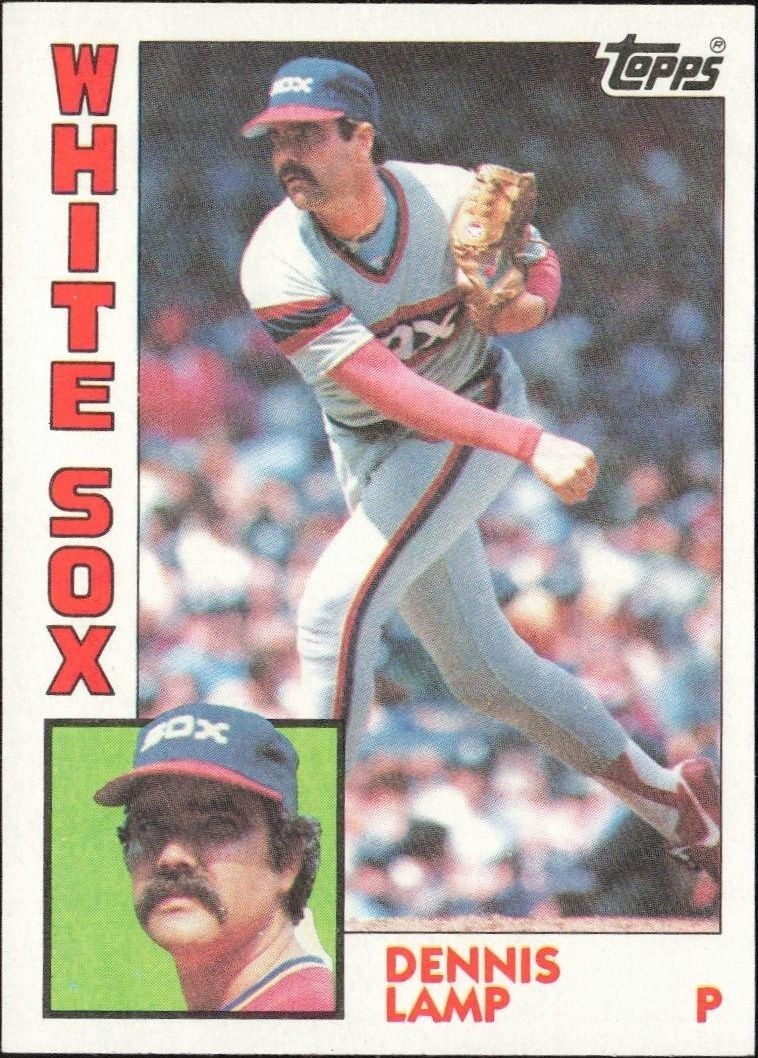
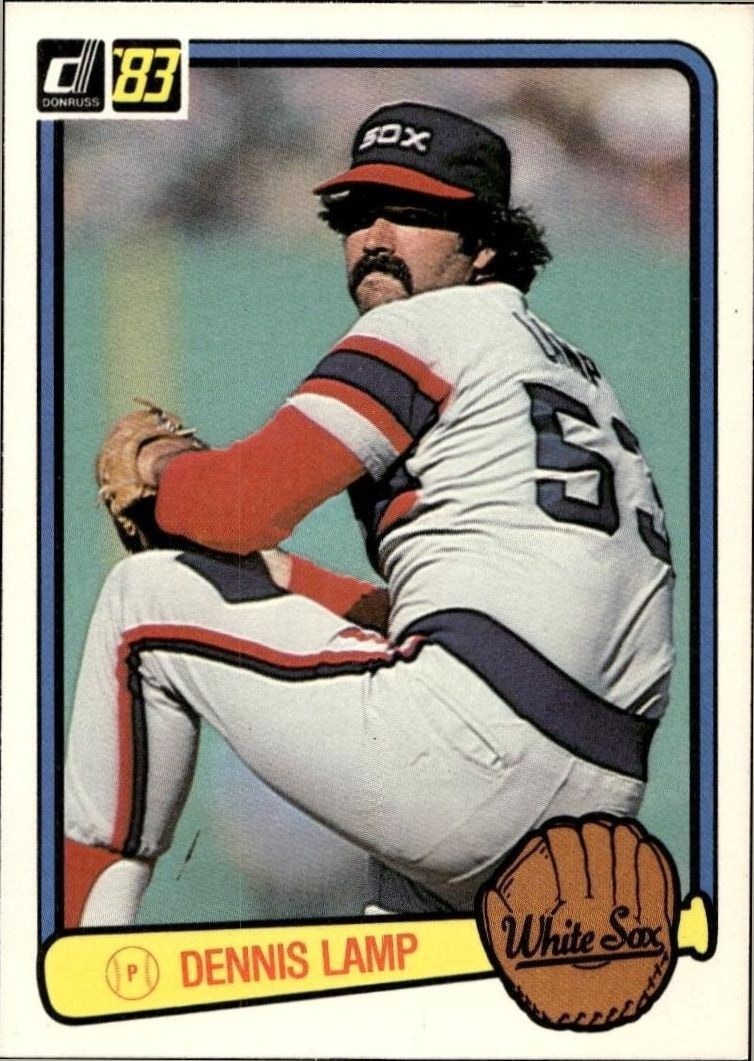
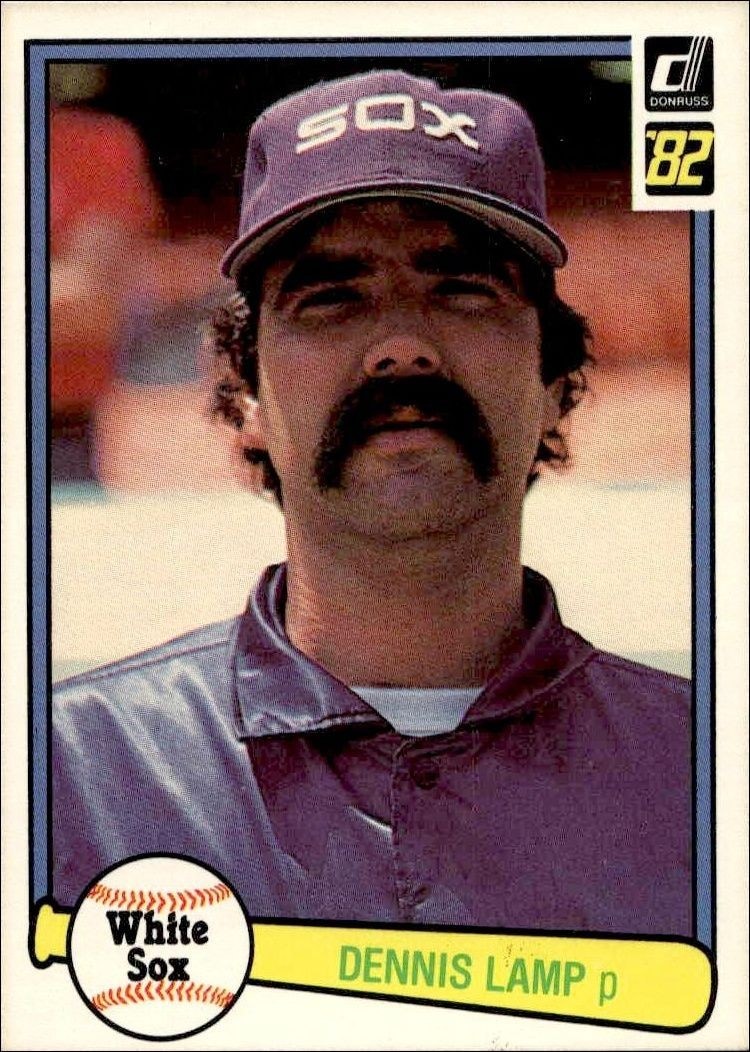
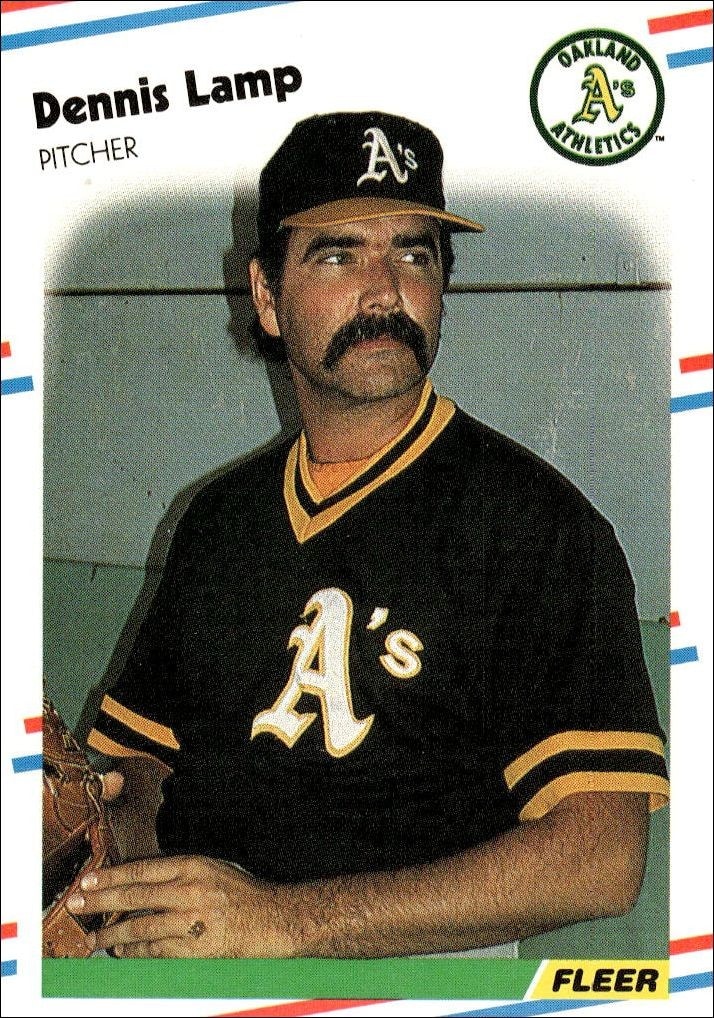
The 1990 Fleer Dennis Lamp #280 baseball card captures the Boston Red Sox pitcher during a pivotal era of the brand's return to the hobby.
1990 • Fleer
Major League Baseball • Boston Red Sox
Excellent
280
New
Shipping Calculated at Checkout
Arrives in 5-7 daysEstimated delivery October 23, 2026 - October 25, 2026
Seller returns October 19, 2026.30-day Returns| Condition | Value | Source | Trend | Price Details |
|---|---|---|---|---|
$1.49As of 10/4/2026 | Asking Prices | |||
Raw / Ungraded
eBay Active Listings · Asking Prices evidence · captured Oct 4, 2026
History is building. At least two days of matching observations are needed to show a trend.
Each point is the last stored observation that day for this printing, condition, grader, autograph status and source. Gaps mean no observation; guide estimates and asking prices are not completed sales.The 1990 Fleer Dennis Lamp #280 baseball card represents a significant entry in the modern history of sports trading cards. Released in 1990, this product marked Fleer's triumphant return to the baseball card market after a long hiatus, fundamentally reshaping the hobby with its oversized format and bold, colorful design language that stood in stark contrast to the smaller, more conservative cards of its competitors. Dennis Lamp, depicted here in his Boston Red Sox uniform, is featured as card number 280 in this historic base set. The card's distinctive aesthetic, characterized by vibrant borders and dynamic photography, makes it a recognizable piece for anyone studying the evolution of card design in the early 1990s. For those focused on vintage Fleer sets, this card serves as a foundational component. The 1990 Fleer Dennis Lamp #280 baseball card remains a relevant item for those interested in the Boston Red Sox roster history or the broader narrative of the 1990s sports card boom. Its enduring presence in the market highlights its importance as a catalog staple. Whether you are completing a specific team set or exploring the brand's legacy, this card offers a tangible connection to a transformative moment in trading card history.
21 hours ago
We'll pre-fill the product details from this catalog entry, so your listing lands on this exact page. Just add photos of your copy, pick its condition, and set your price.
The catalog profile below summarizes the card identity, featured subject, and notable collectible traits.
The subject, team, league, and sport context tied to this card.
Production details and format-specific attributes.
Material
Card Stock
Language
English
Compare prices, grades, photos, and shipping from approved sellers.
New
Excellent
See how many public collections currently include this card.
0 collectors have this card
As a 1990 Fleer card of Dennis Lamp, this item occupies a niche tier within the broader baseball card market, reflecting his role as a relief pitcher rather than a primary offensive star. The current valuation suggests it trades at a modest level relative to high-demand rookie cards or Hall of Fame inductees, serving primarily as an affordable entry point for collectors focusing on 1990s Boston Red Sox memorabilia. Its price point indicates it is accessible but lacks the premium status associated with iconic rookie issues or superstar athletes.
This card is identified as a standard base issue with no special attributes such as serial numbering, short printing, or parallel variations noted. Consequently, it represents the highest tier of supply within the 1990 Fleer set, lacking the artificial scarcity constraints that typically drive value in collector markets. Without unique identifiers or limited edition designations, its rarity is defined solely by its status as a common print run item from a major manufacturer.
Given the lack of special attributes and the player's position as a non-star reliever, this card does not exhibit the classic rookie-card premium mechanics or scarcity drivers that typically fuel significant appreciation. Demand is likely limited to niche collectors assembling specific team sets or year-based collections, resulting in a stable but low-growth outlook. Investors should view this as a speculative hobby item rather than a substantial asset, with value tied closely to the general health of the 1990s baseball card segment.
