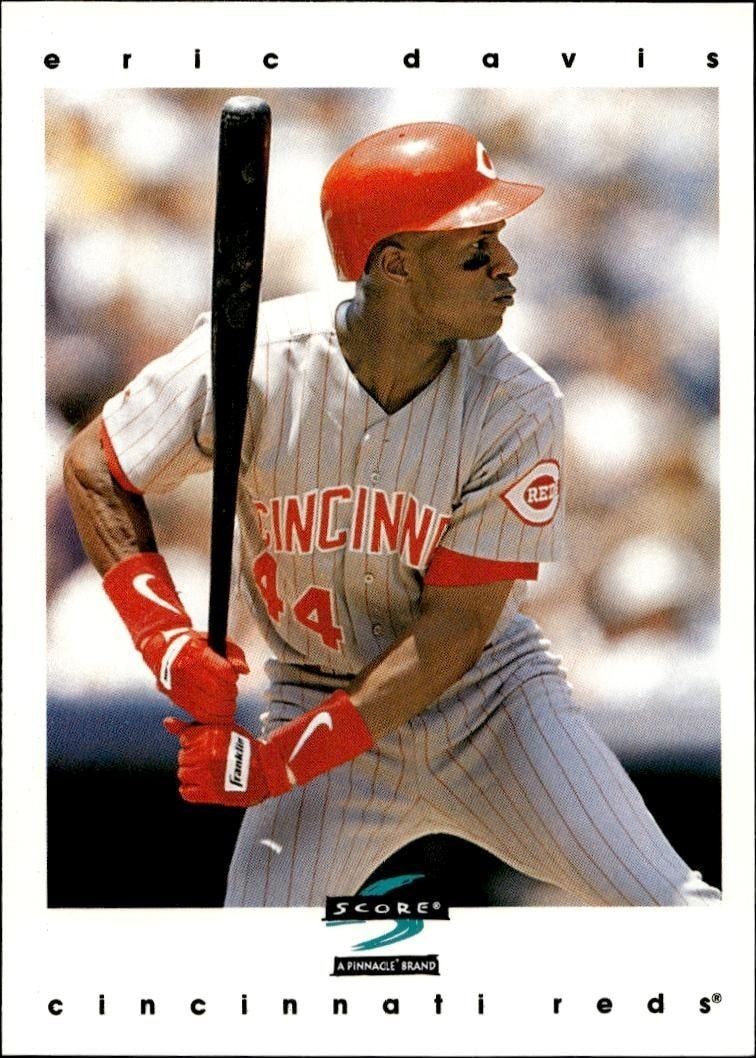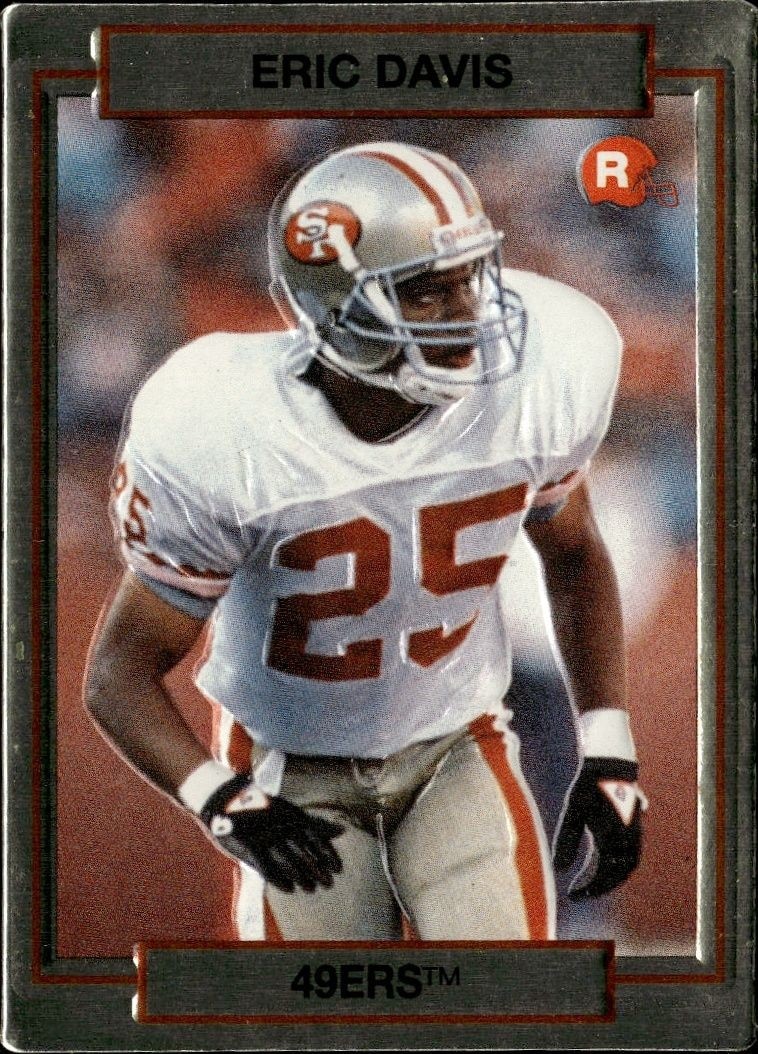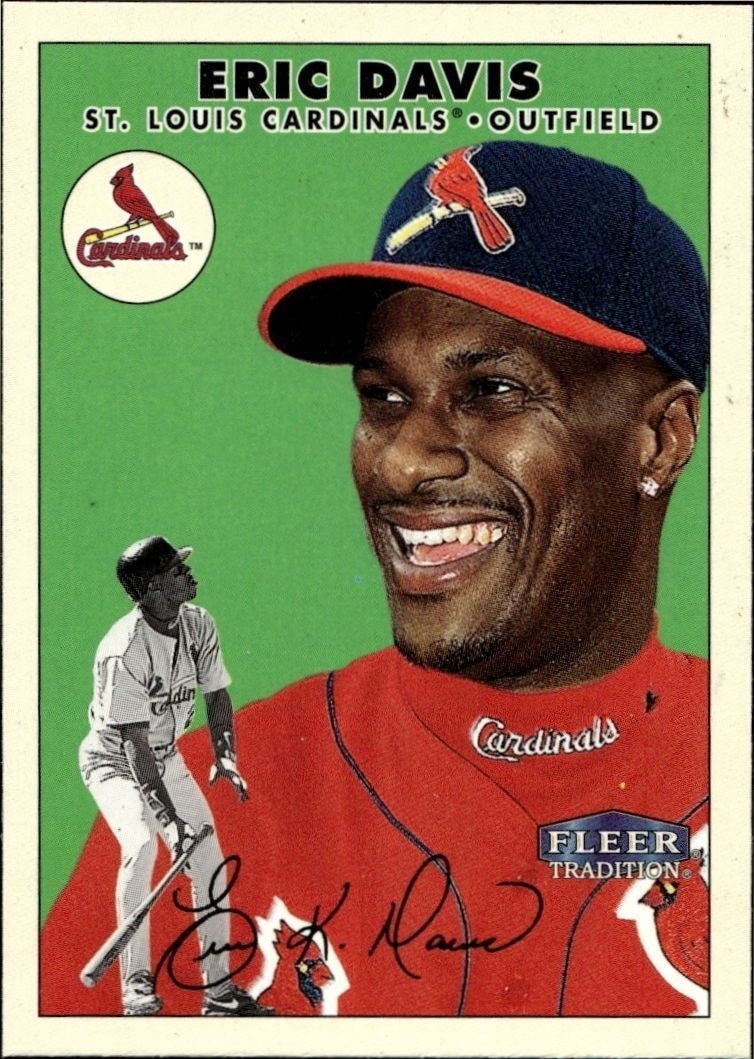





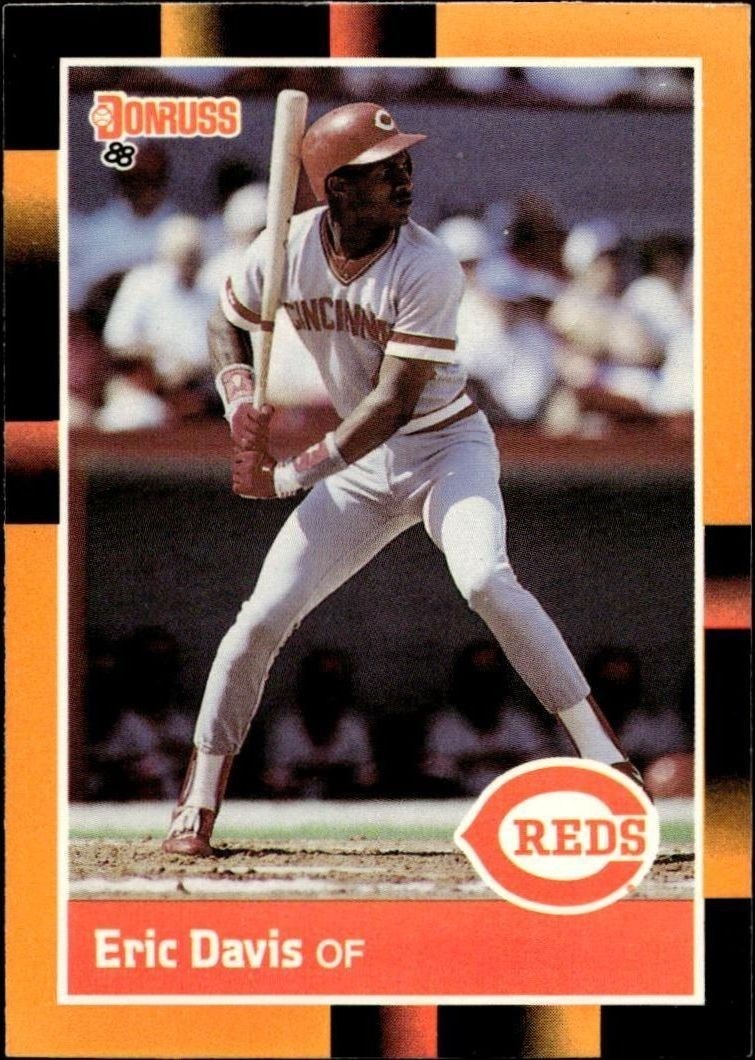
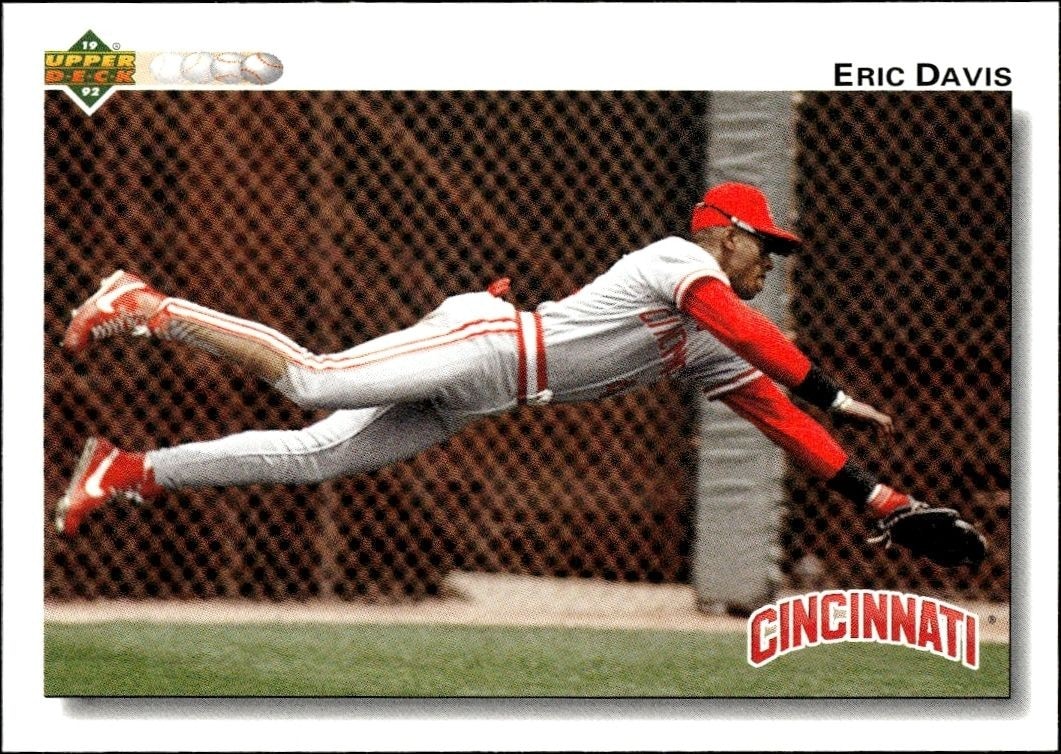
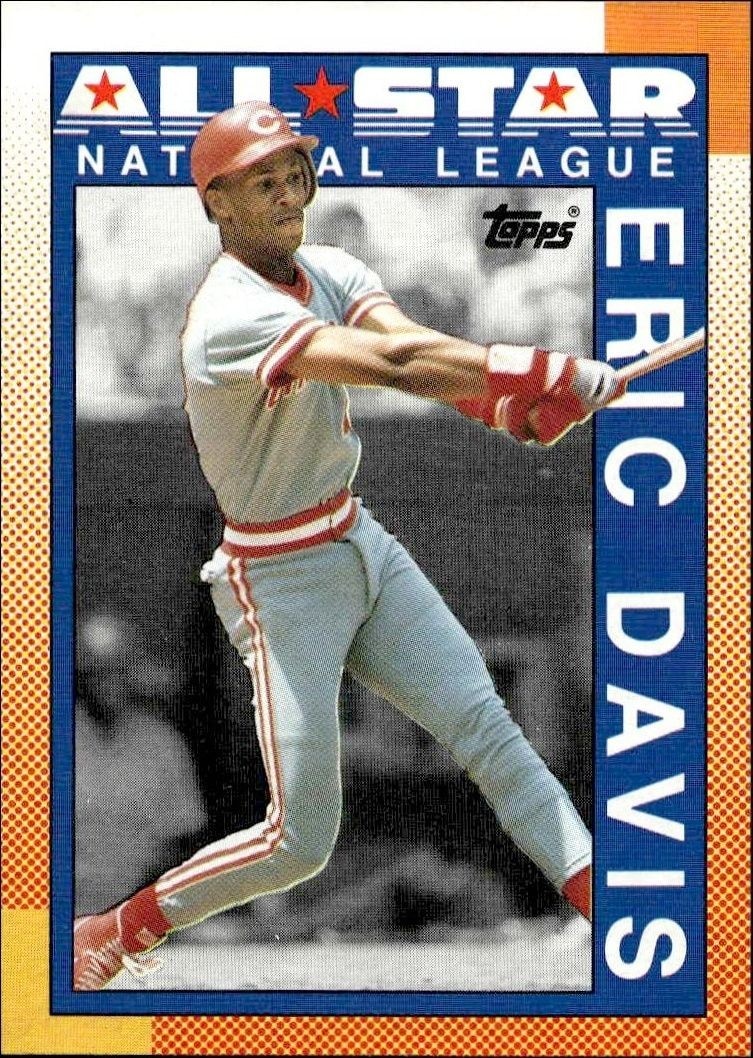
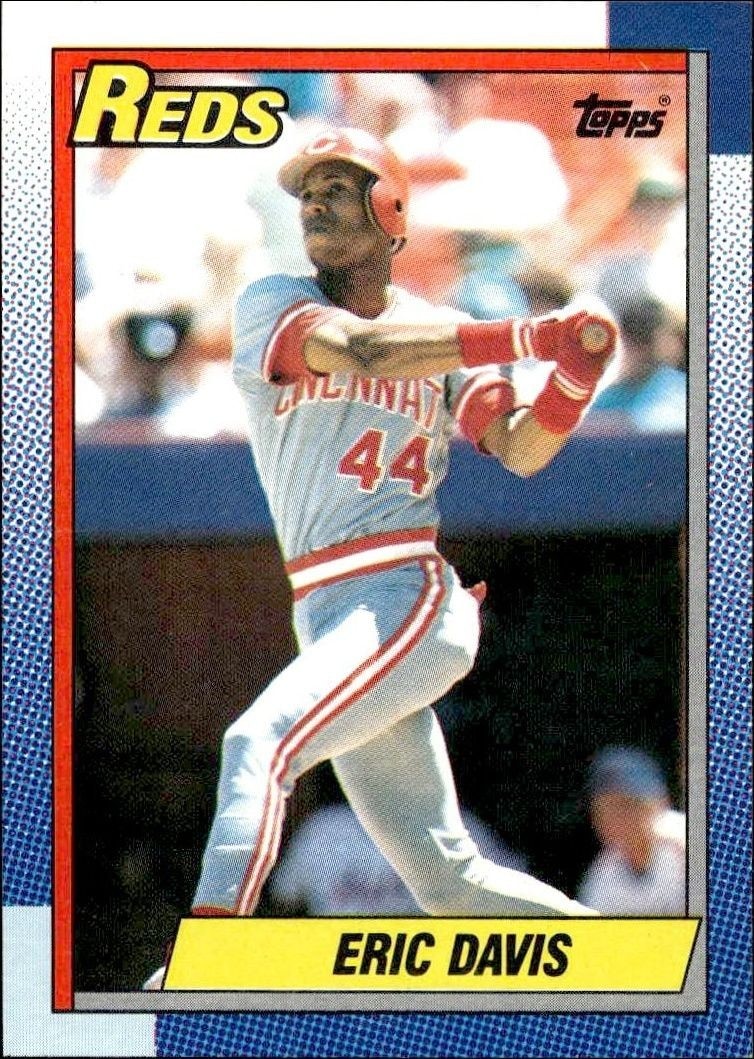
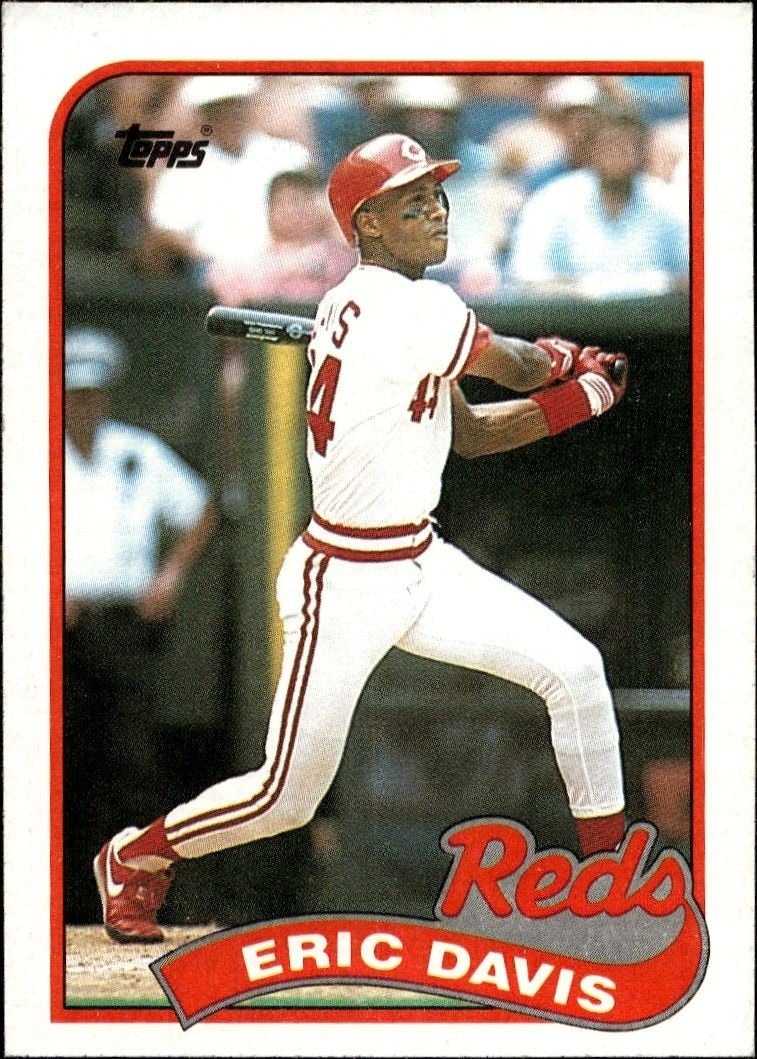
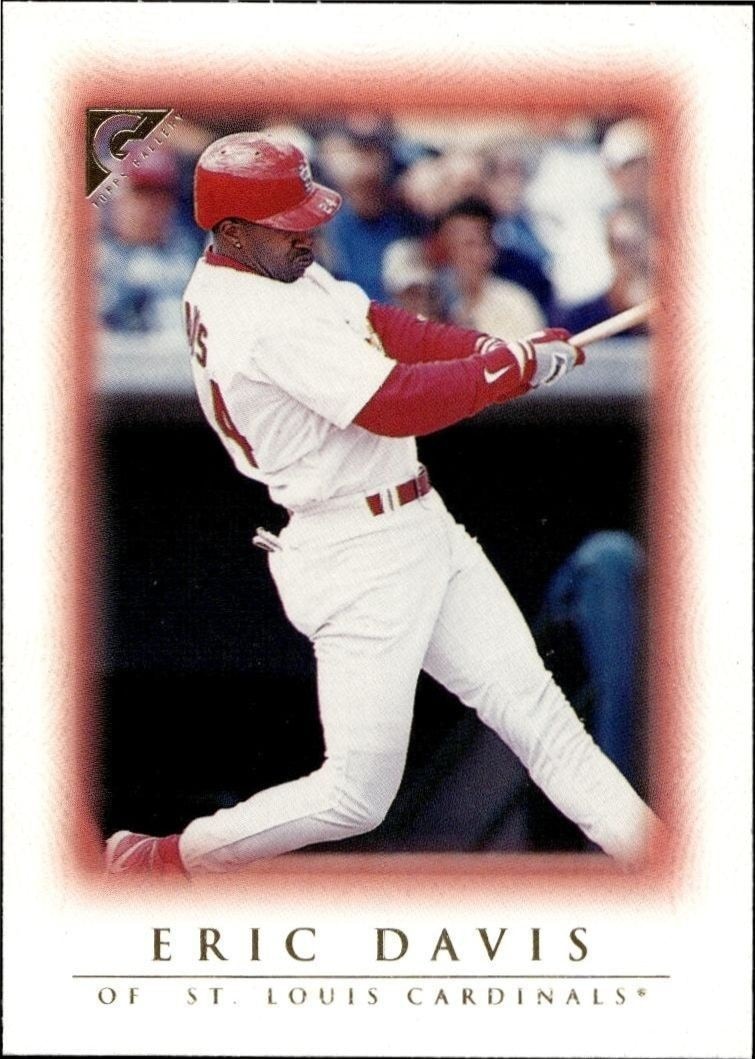

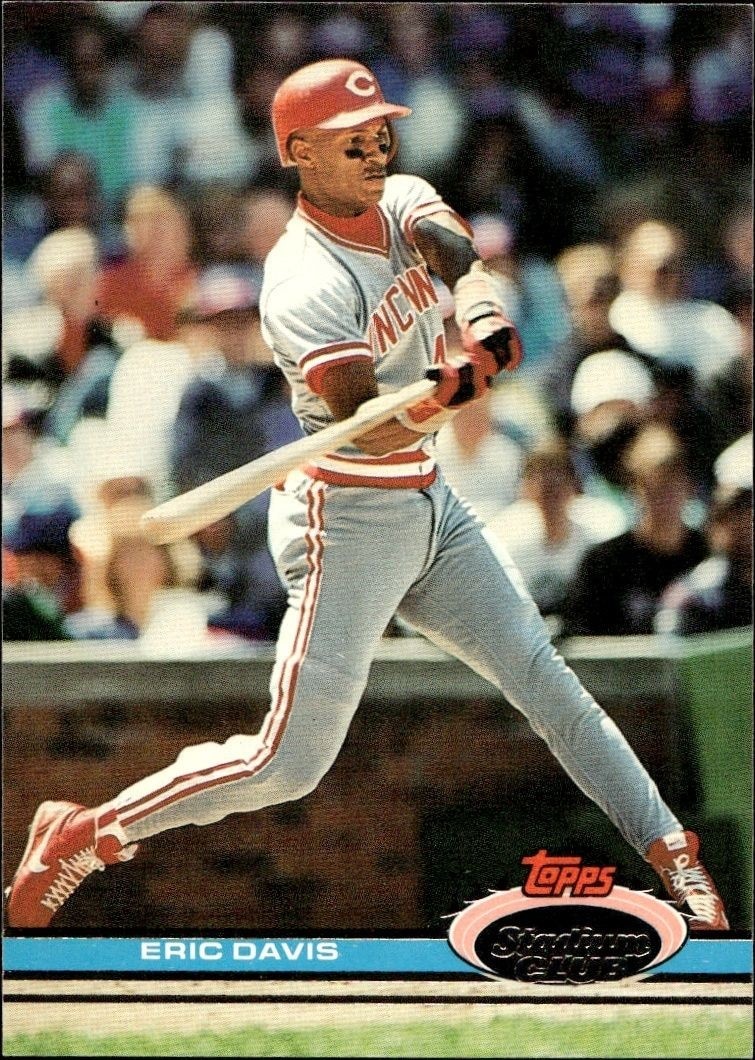
The 1990 Fleer Eric Davis #417 sports card captures the Cincinnati Reds star in one of the most recognizable baseball card designs of the decade.
1990 • Fleer
Major League Baseball • Cincinnati Reds
Excellent
417
New
Shipping Calculated at Checkout
Arrives in 5-7 daysEstimated delivery November 12, 2026 - November 14, 2026
30-day Returns| Condition | Value | Source | Trend | Price Details |
|---|---|---|---|---|
$1.15 | Guide Estimate | 0% | ||
$1.54As of 9/17/2026 | Completed Sales | |||
$0.50 | Guide Estimate | 0% | ||
$6.46 | Guide Estimate | 0% | ||
$24.00 | Guide Estimate | 0% | ||
$32.00 | Guide Estimate | 0% | ||
$10.00 | Guide Estimate | 0% | ||
$24.99 | Guide Estimate | 0% | ||
$15.00 | Guide Estimate | 0% | ||
Raw / Ungraded
PriceCharting Price Guide · Guide Estimate evidence · captured Oct 31, 2026
The 1990 Fleer Eric Davis #417 sports card stands as a definitive piece from the early 1990s baseball card boom. Released by Fleer, this product represents a pivotal moment in trading card history, moving away from the glossy, stylized designs of the 1980s toward a more straightforward, photo-centric aesthetic that collectors still appreciate today. Eric Davis, donning the Cincinnati Reds uniform, is featured prominently on card number 417, offering fans a tangible connection to one of the game's most dynamic players of that era. Collectors often seek out cards from this release due to the set's enduring popularity and its status as a gateway into vintage baseball collecting. For Cincinnati Reds enthusiasts, the Davis card serves as a nostalgic reminder of the team's competitive years during the late 1980s and early 1990s. Whether you are a seasoned investor tracking the long-term value of vintage sports memorabilia or a new hobbyist beginning a collection of Reds history, this card provides a solid foundation. The product's catalog identity is well-established, with card number 417 consistently referenced in collector guides and databases. The enduring appeal of 1990s Fleer products lies in their authenticity and the clear representation of the players during their prime years, making them a staple in any serious collection.
5 days ago
We'll pre-fill the product details from this catalog entry, so your listing lands on this exact page. Just add photos of your copy, pick its condition, and set your price.
The catalog profile below summarizes the card identity, featured subject, and notable collectible traits.
The subject, team, league, and sport context tied to this card.
Production details and format-specific attributes.
Material
Card Stock
Language
English
Compare prices, grades, photos, and shipping from approved sellers.
New
Excellent
See how many public collections currently include this card.
0 collectors have this card
FAQ
No, the 1990 Fleer Eric Davis #417 card is not a rookie card. It was issued in the 1990 set, several years after Davis made his major league debut, making it a standard base card from his established career.
It is one of the most popular base sets from the era, known for its straightforward layout and high-quality imagery of players like Eric Davis.
Authenticity can be verified through reputable grading services like PSA or Beckett, which assess condition and provide certification. Additionally, collectors can examine the card's printing quality, border consistency, and centering, which are key indicators of a genuine 1990 Fleer release.
This 1990 Fleer Eric Davis card represents a baseline entry point within the broader set, lacking the scarcity premiums associated with parallels or inserts. While Davis was a significant power hitter for the Cincinnati Reds, the absence of special attributes keeps this specific issue in a lower price tier relative to his more sought-after rookie or insert variations. The current market positioning reflects a standard base card valuation rather than a specialized collector target.
The card possesses no special attributes such as serial numbering, short-print status, or unique parallels, meaning it exists in the largest possible quantity within the 1990 Fleer product. As a standard base card, it does not benefit from the supply constraints that typically drive value in limited-edition sports memorabilia. Consequently, the scarcity mechanics are minimal, relying entirely on general set completion demand rather than exclusive rarity factors.
Investment potential is limited by the card's position as a common base issue, which typically sees modest appreciation compared to parallel versions of the same player. Collector demand is likely driven by general set-building needs rather than speculative interest in this specific print run. Without unique identifiers or rookie-card designation in this particular release, the card serves more as a filler piece for completists than a standalone growth asset.