










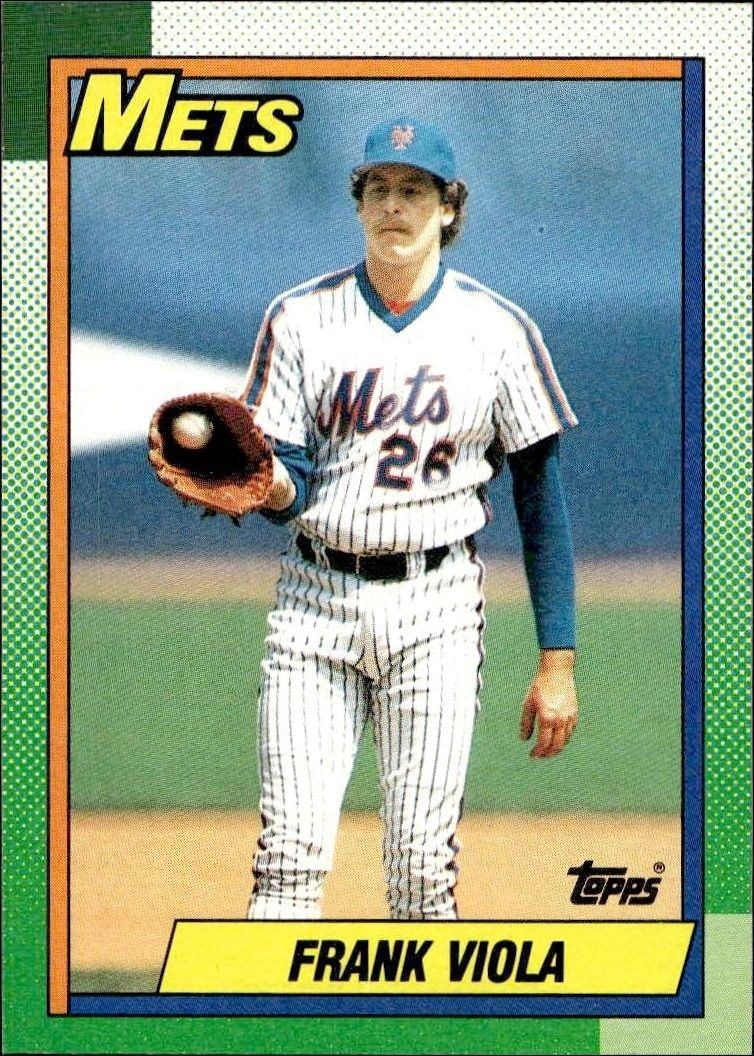

The 1990 Fleer Frank Viola #219 baseball card is a definitive piece of 1990s sports memorabilia, capturing the player during his tenure with the New York Mets.
1990 • Fleer
Major League Baseball • New York Mets
Near Mint
219
New
Shipping Calculated at Checkout
Arrives in 5-7 daysEstimated delivery October 29, 2026 - October 31, 2026
30-day Returns| Condition | Value | Source | Trend | Price Details |
|---|---|---|---|---|
$1.39 | Guide Estimate | 0% | ||
$14.75 | Guide Estimate | 0% | ||
$16.00 | Guide Estimate | 0% | ||
$19.00 | Guide Estimate | 0% | ||
$25.00 | Guide Estimate | 0% | ||
$8.00 | Guide Estimate | -27.3% | ||
$19.00 | Guide Estimate | 0% | ||
$11.00 | Guide Estimate | 0% | ||
Raw / Ungraded
PriceCharting Price Guide · Guide Estimate evidence · captured Oct 24, 2026
The 1990 Fleer Frank Viola #219 baseball card represents a significant entry in the history of Fleer trading cards. Released during a pivotal era for the sport, this card documents Viola's time with the New York Mets, offering collectors a tangible link to that specific period in baseball history. For investors and dedicated collectors, the 1990 Fleer Frank Viola #219 baseball card serves as a foundational piece for understanding the evolution of sports card design. The card's catalog number, 219, helps enthusiasts identify it within the broader set, ensuring accurate organization and tracking of their holdings. As with other cards from this brand, the production quality and visual style reflect the manufacturing standards of the early 1990s, providing a nostalgic appeal that resonates with longtime fans. Whether you are building a vintage Mets collection or focusing on Fleer releases from this decade, this card offers a clear view of the subject's professional identity during that season. The straightforward presentation allows collectors to appreciate the card's place in the catalog without distraction. As you expand your portfolio, adding key cards from the 1990 Fleer series can enhance the depth and historical context of your group. This product remains a staple for those interested in the tangible history of the game.
3 days ago
We'll pre-fill the product details from this catalog entry, so your listing lands on this exact page. Just add photos of your copy, pick its condition, and set your price.
The catalog profile below summarizes the card identity, featured subject, and notable collectible traits.
The subject, team, league, and sport context tied to this card.
Production details and format-specific attributes.
Material
Card Stock
Language
English
Compare prices, grades, photos, and shipping from approved sellers.
New
Near Mint
See how many public collections currently include this card.
0 collectors have this card
This 1990 Fleer Frank Viola card represents a baseline entry point for New York Mets memorabilia, trading at a modest premium relative to common base issues from the same era. While it lacks the high-demand rookie or iconic status of other era staples, it holds steady value for collectors specifically targeting the Mets' mid-90s roster composition. The current market positioning suggests it is accessible to budget-conscious investors, with the single active listing indicating a tight but liquid local supply.
As a standard base card with no noted parallel, short-print, or serial-number attributes, this item carries the highest possible supply tier within the 1990 Fleer set. The absence of special foil treatments or limited edition markers means its scarcity is driven entirely by condition availability rather than intentional production constraints. Consequently, it does not benefit from the supply shocks that typically elevate parallel or serial-numbered variants in this product line.
The investment potential is primarily tied to the enduring popularity of the New York Mets franchise rather than individual player career trajectory or grading submission trends. Collectors focused on assembling complete base sets or specific team subsets will provide consistent, albeit modest, demand for this issue. Long-term value appreciation is likely to remain stable and incremental, serving more as a portfolio stabilizer than a high-growth asset.

