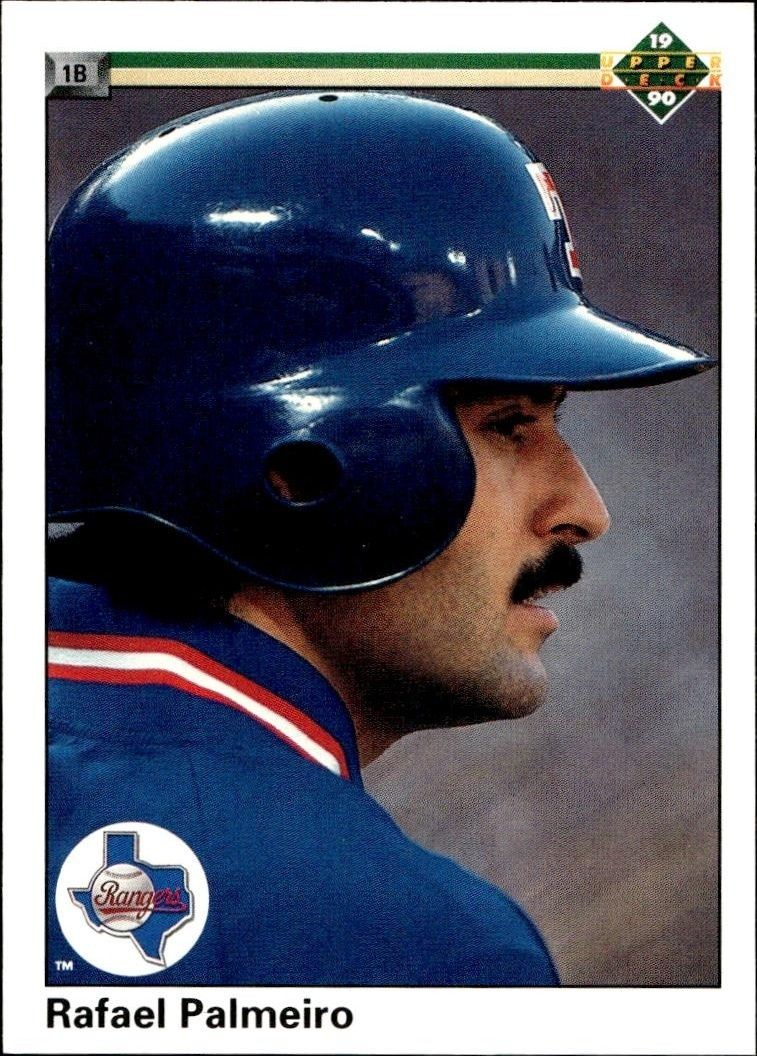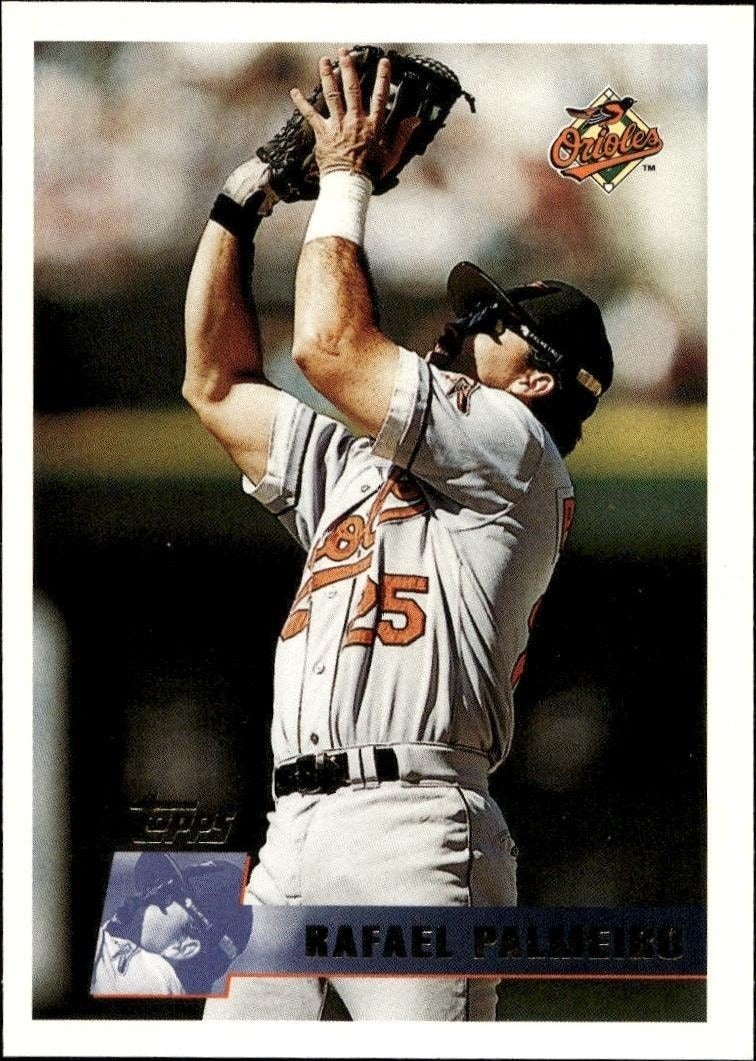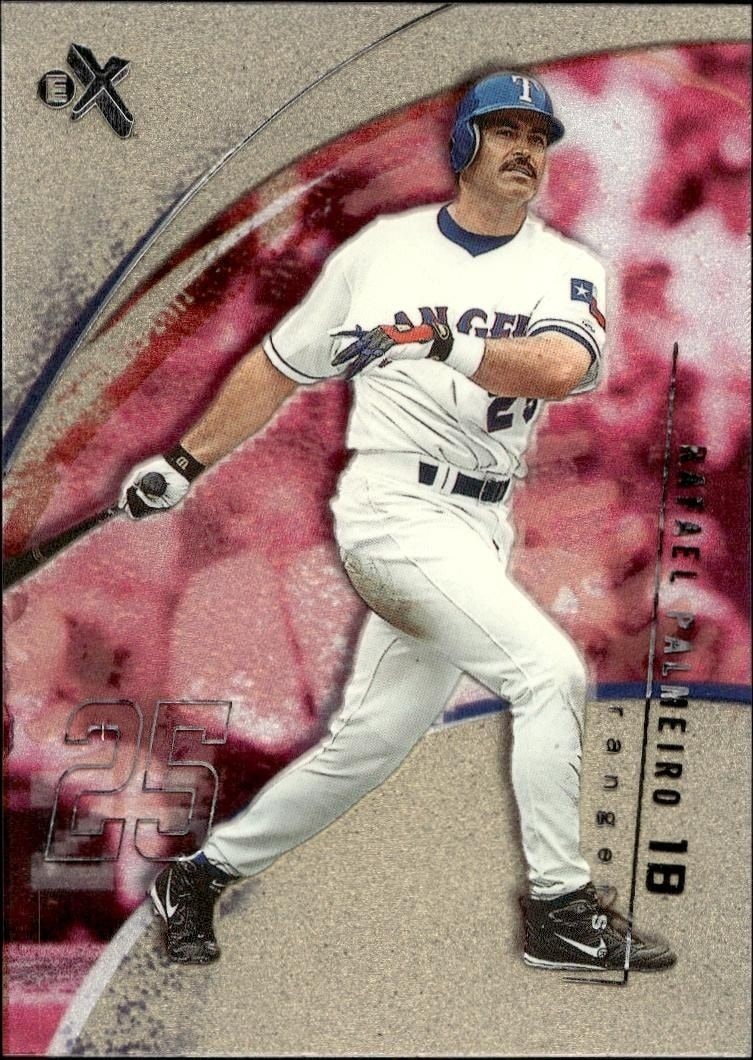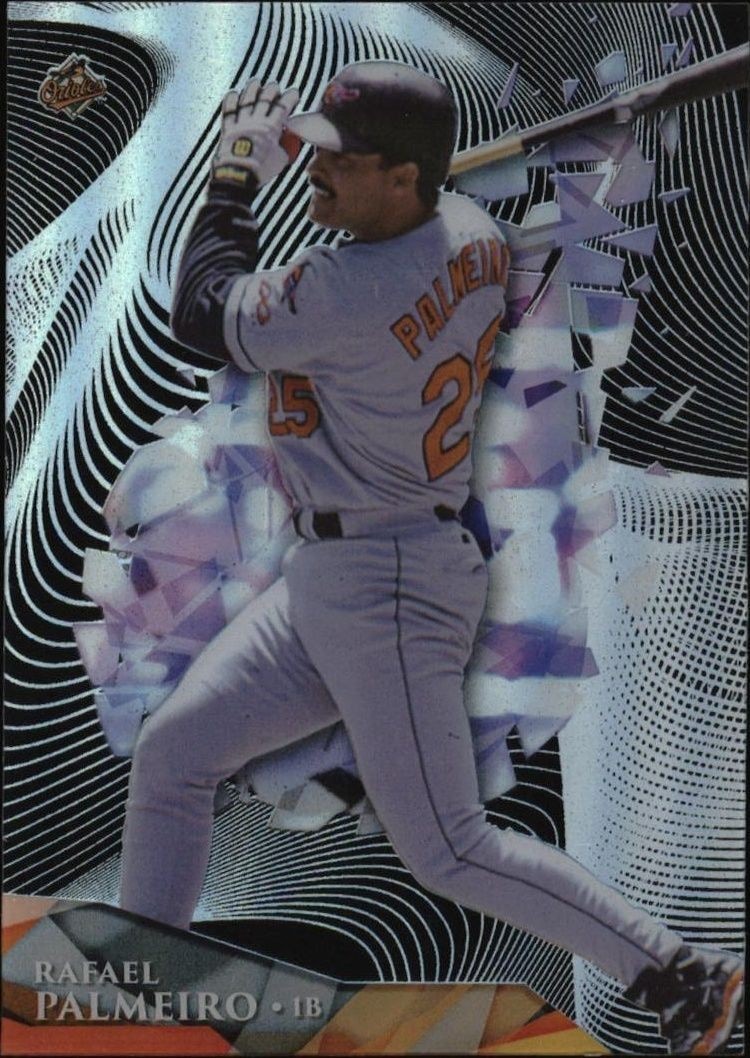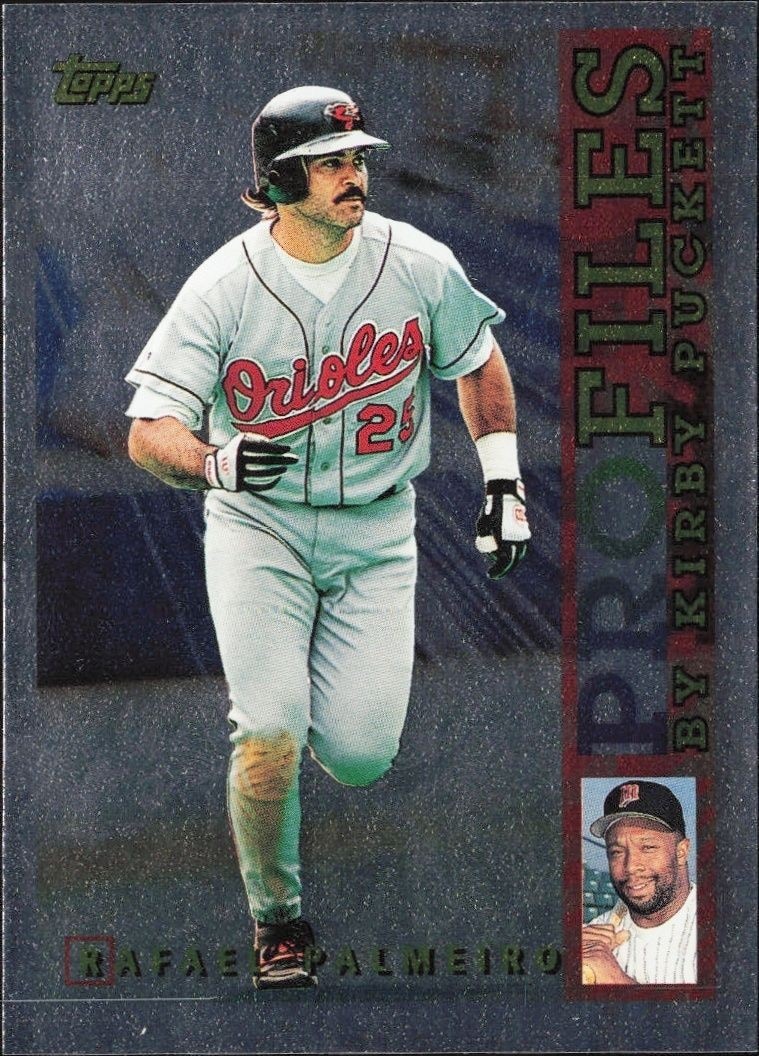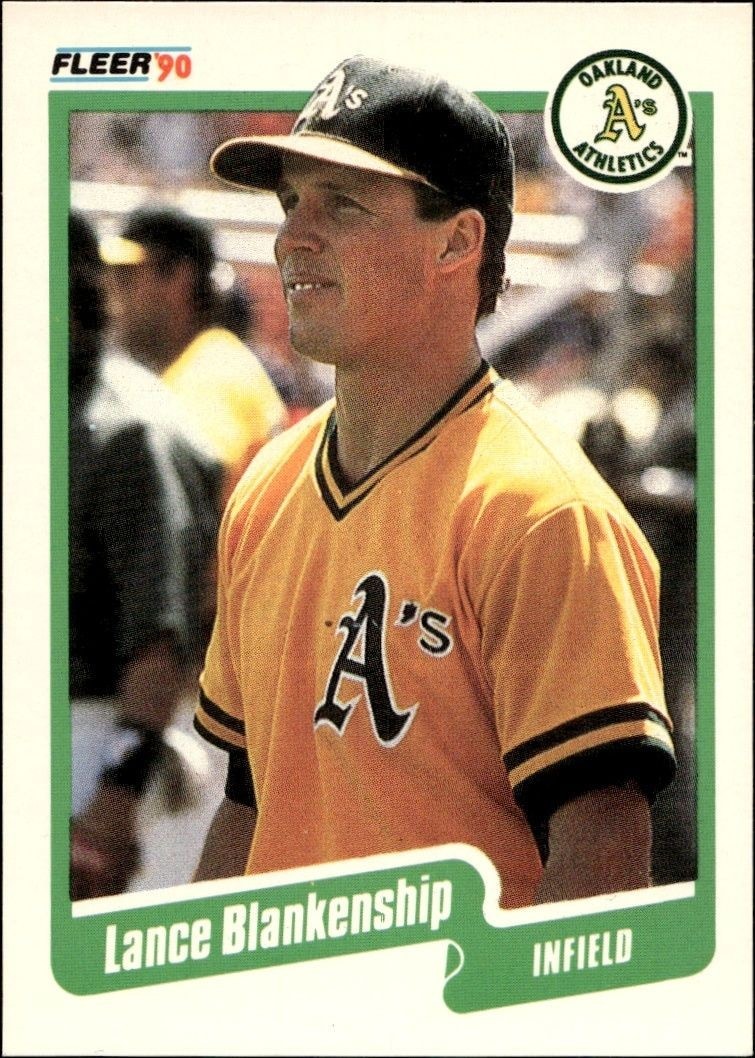
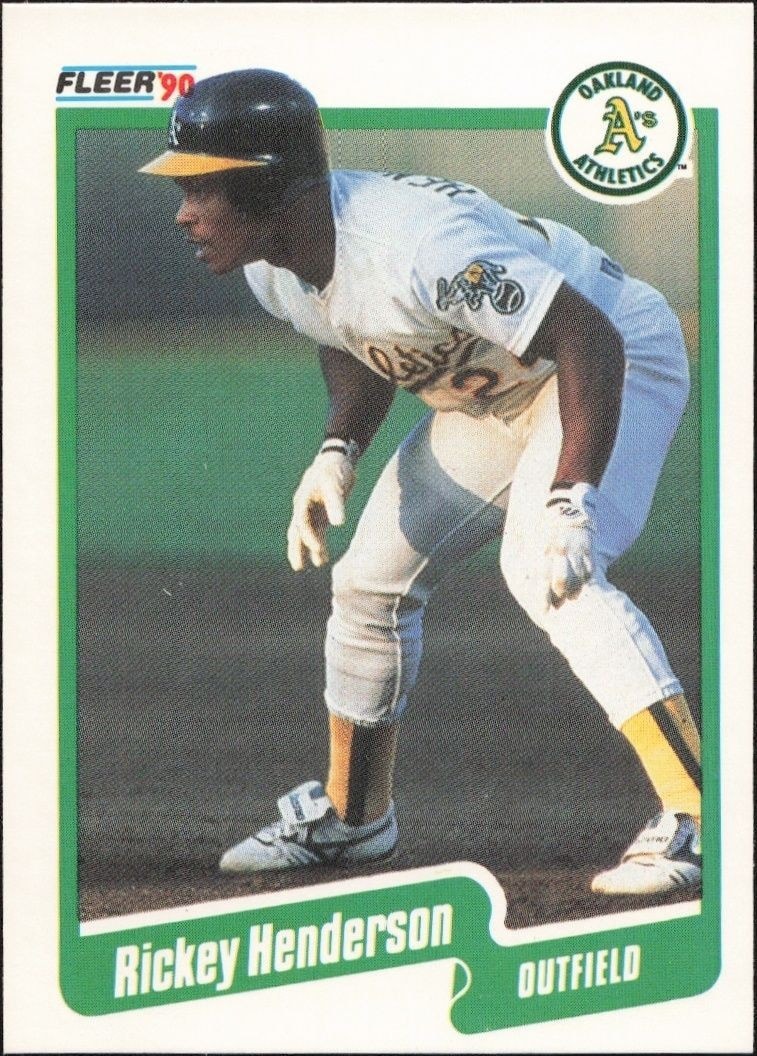
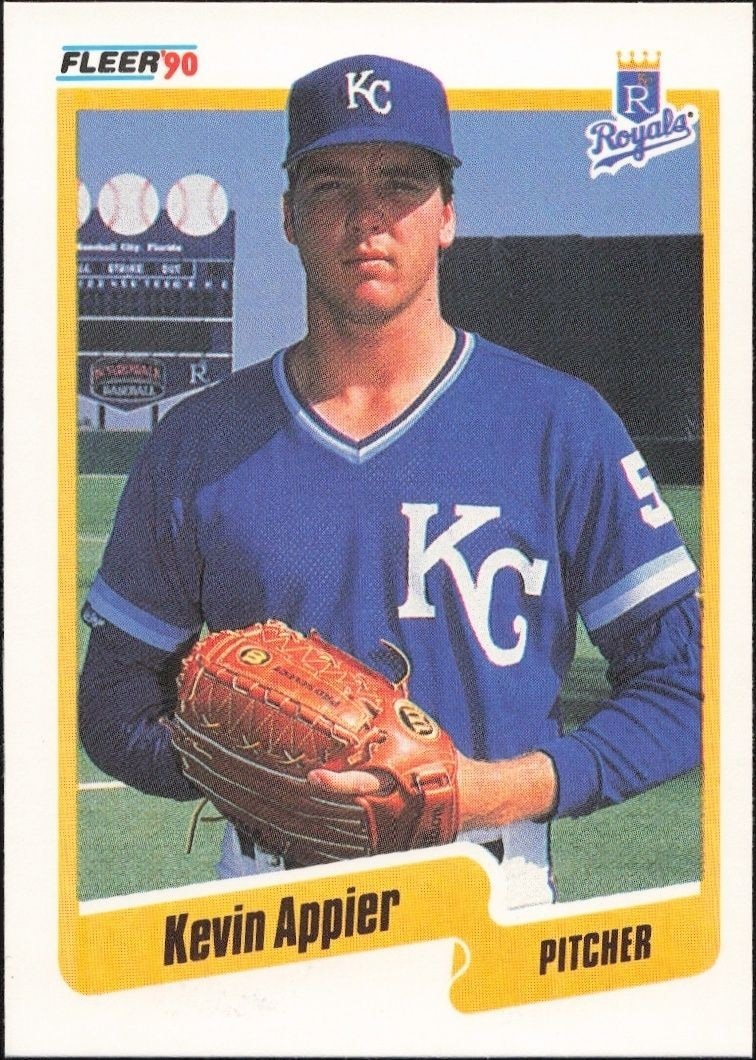

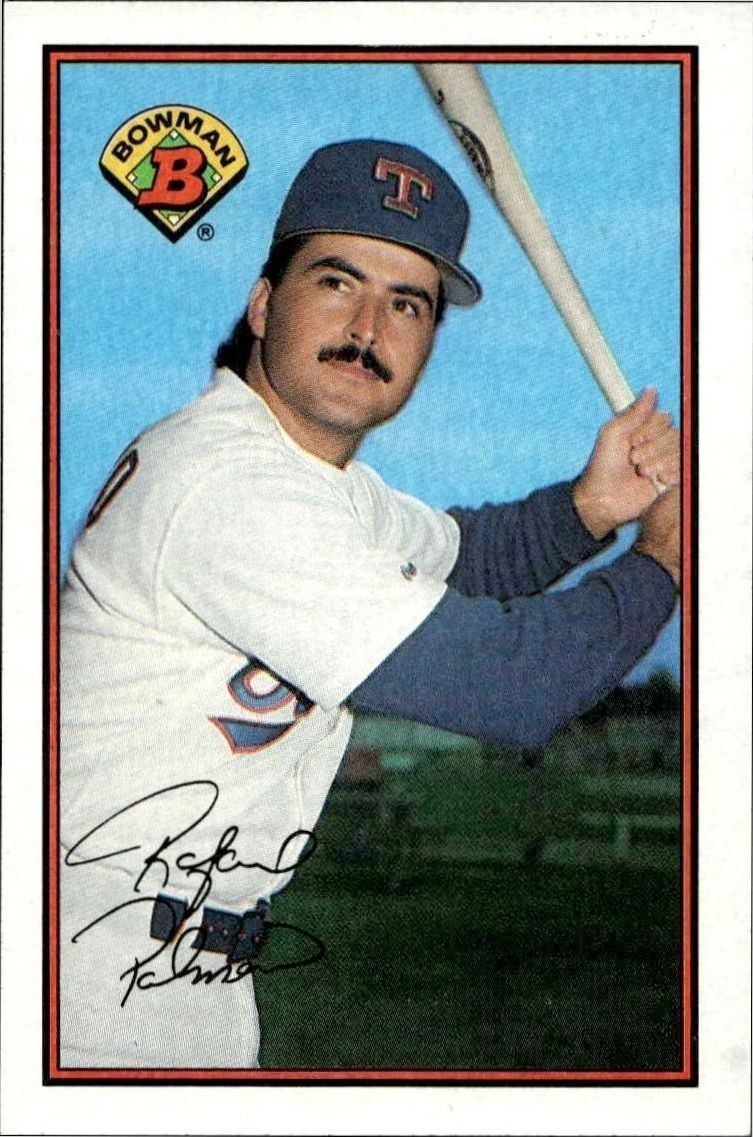
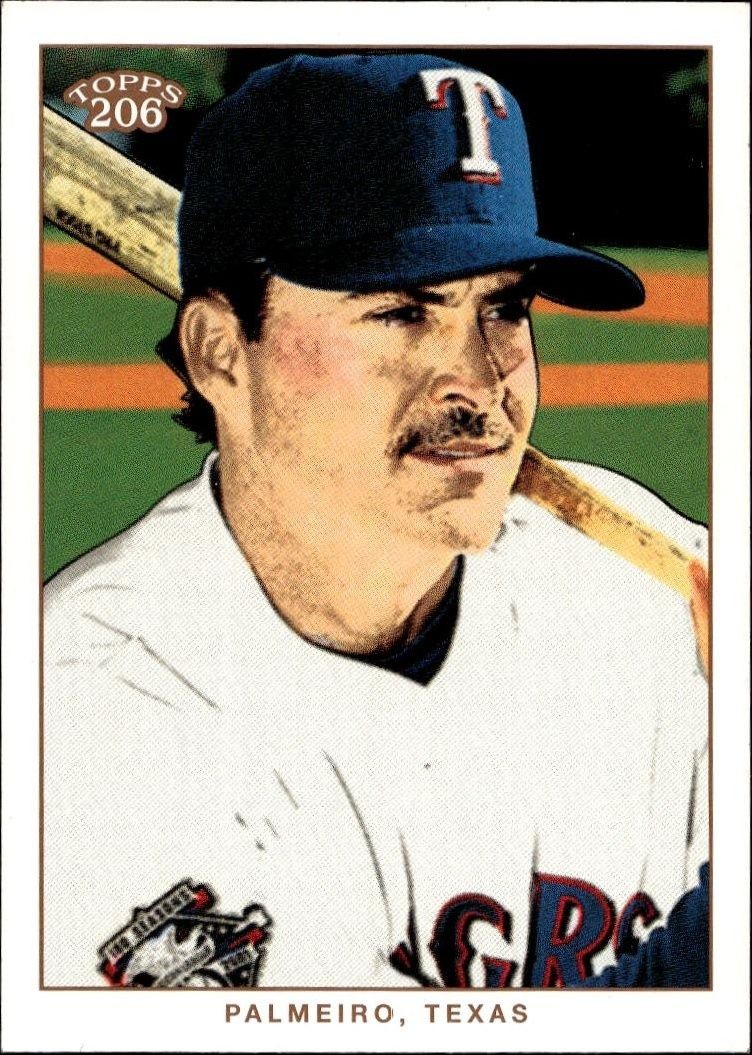
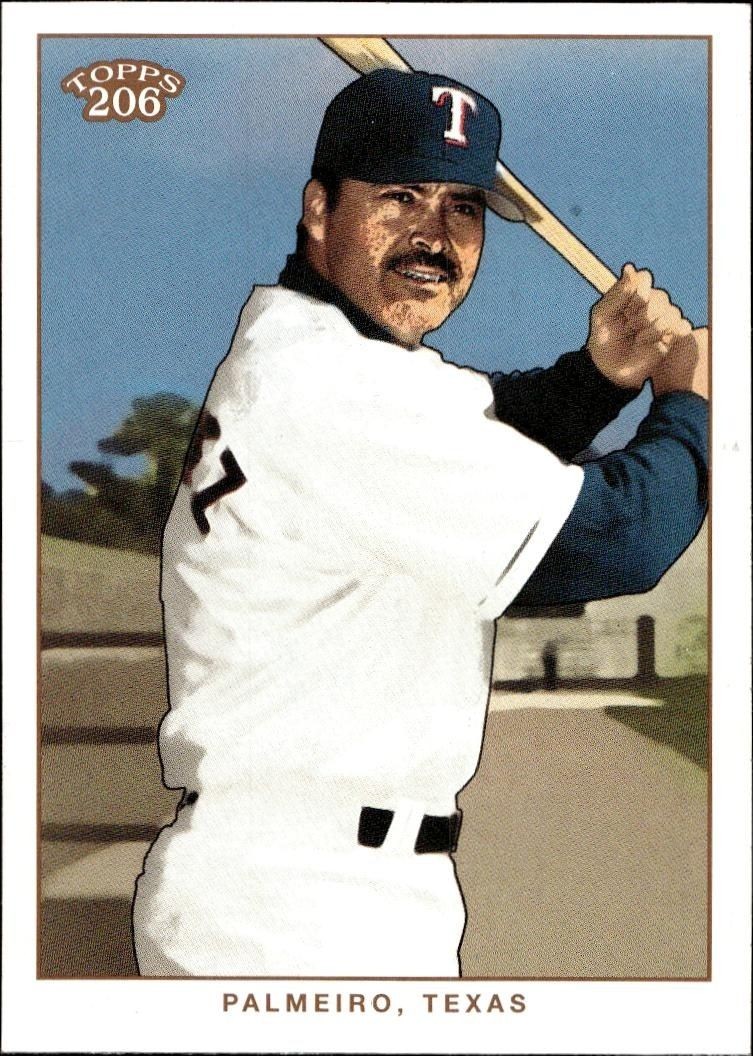
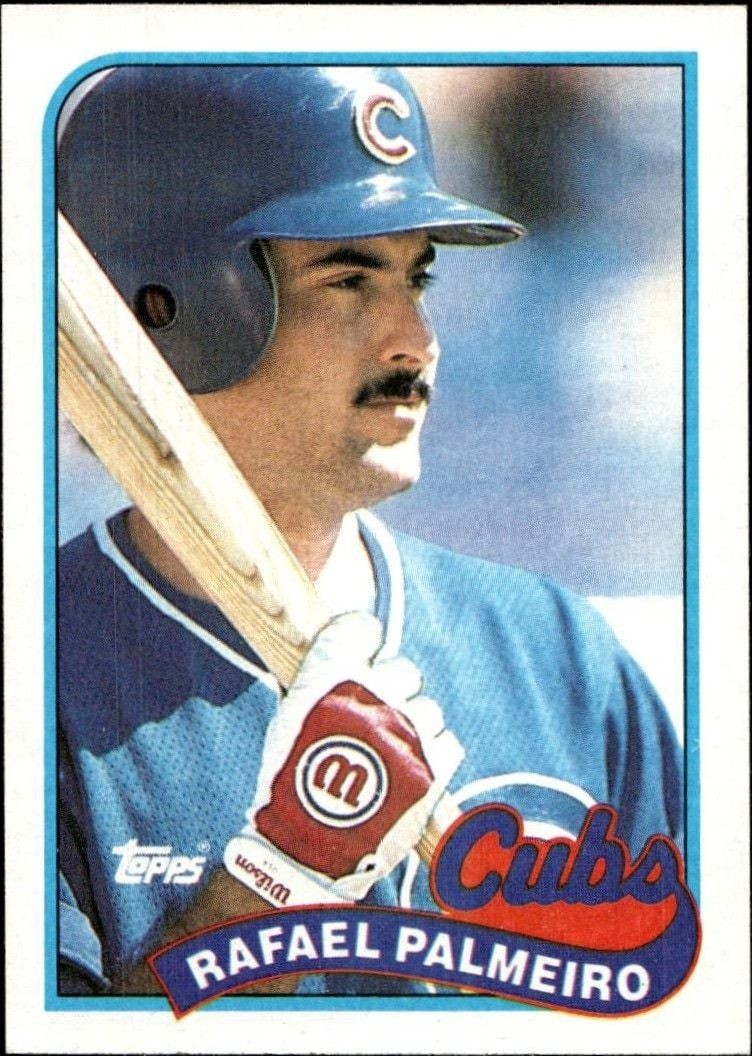
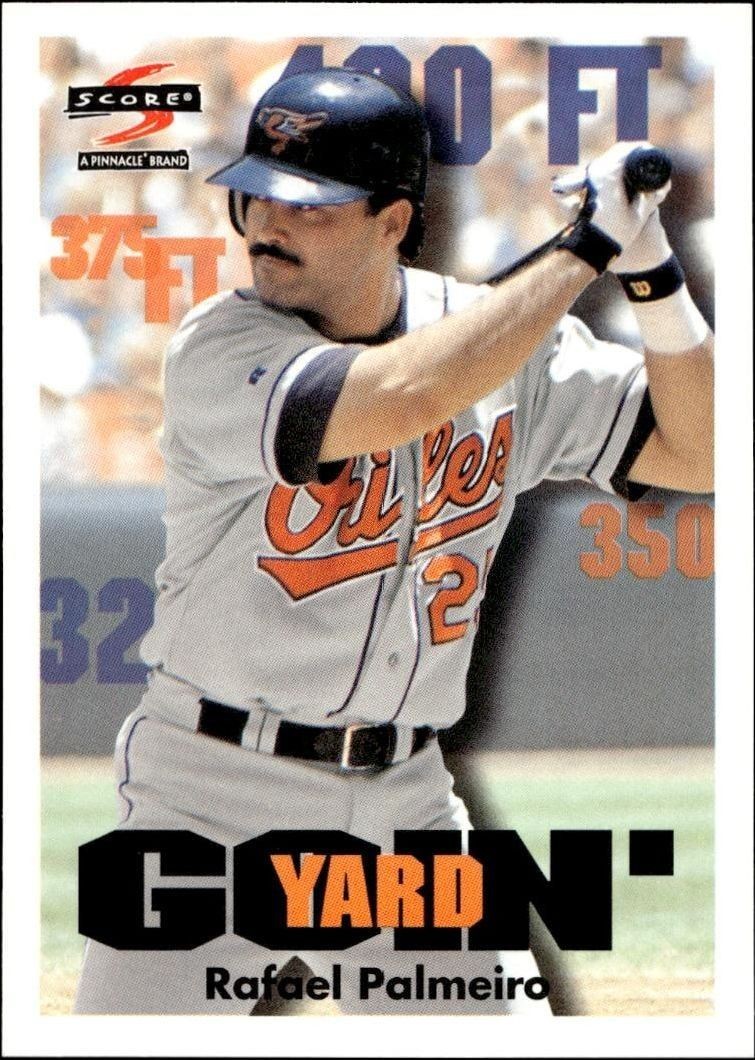
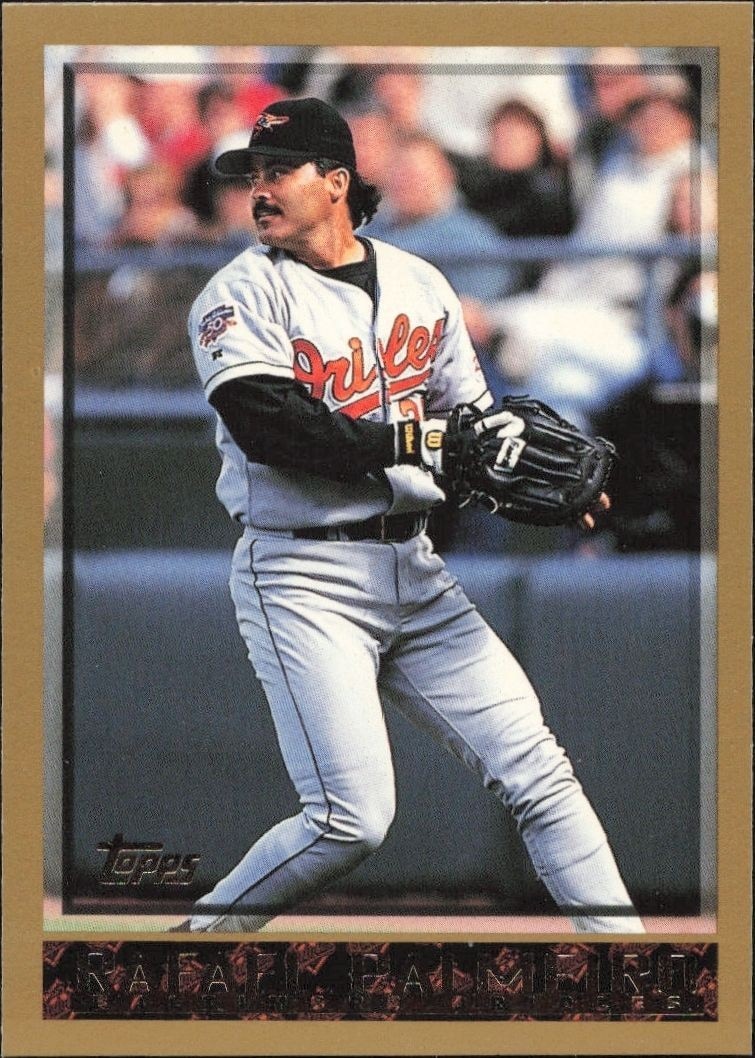
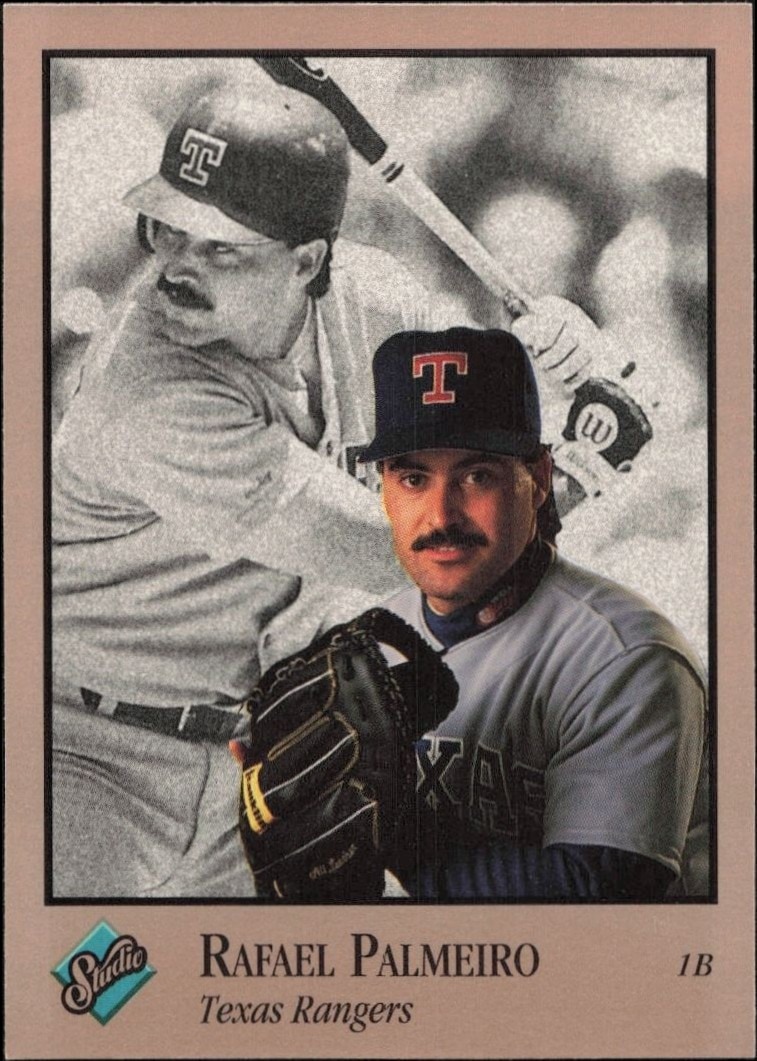
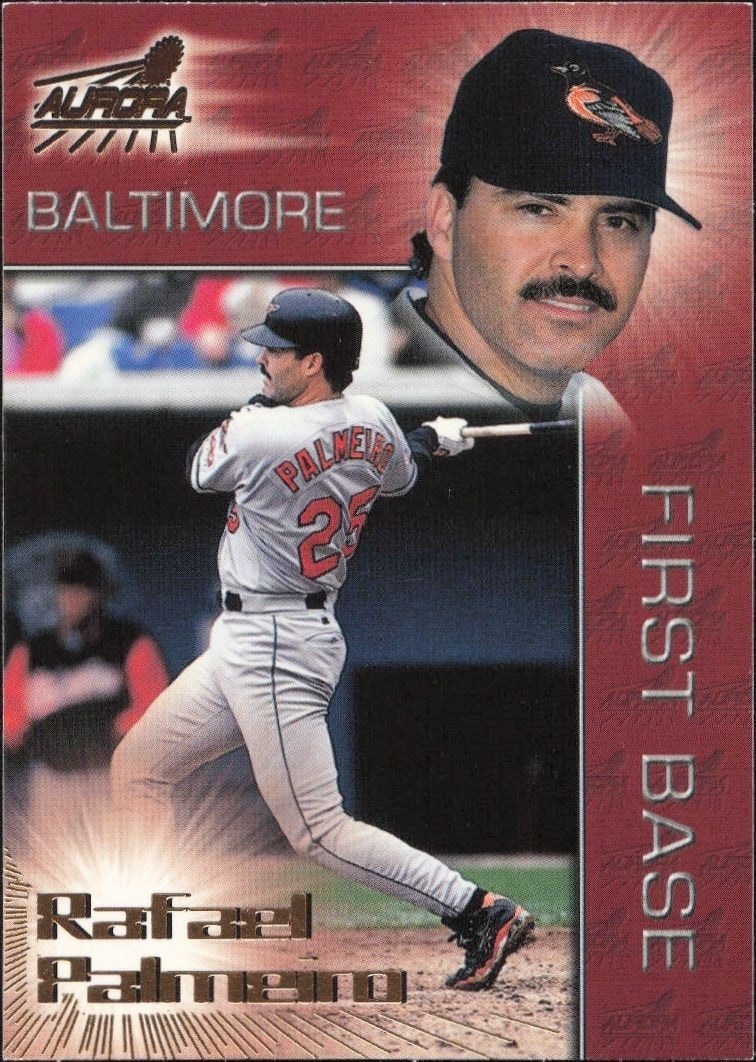
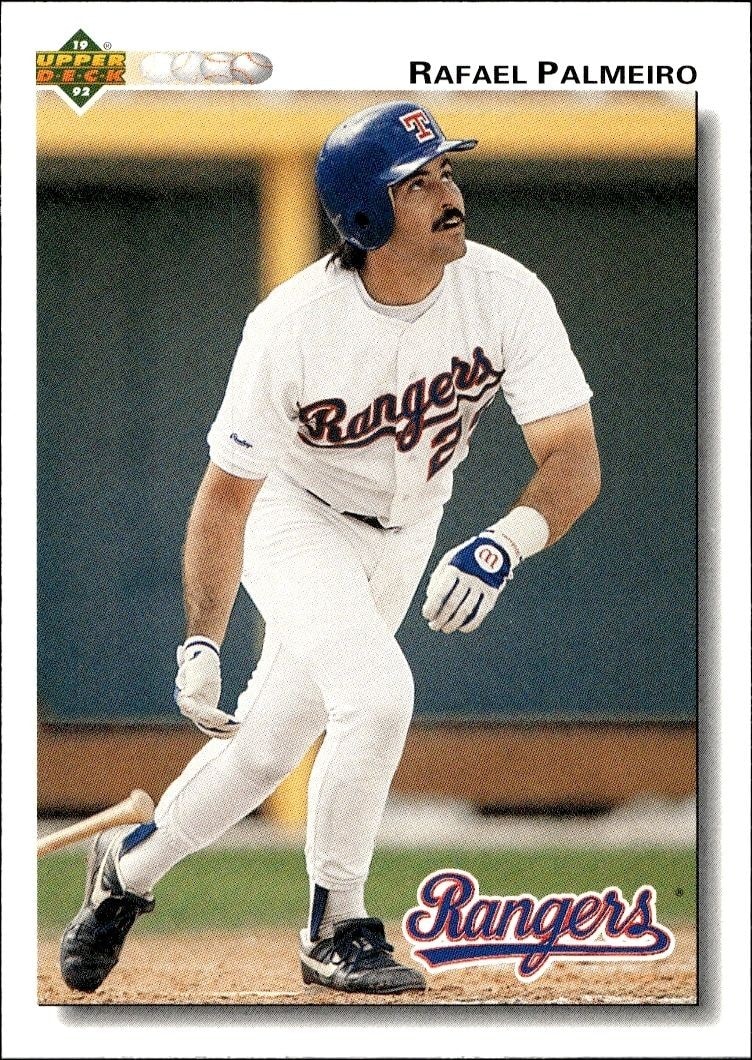
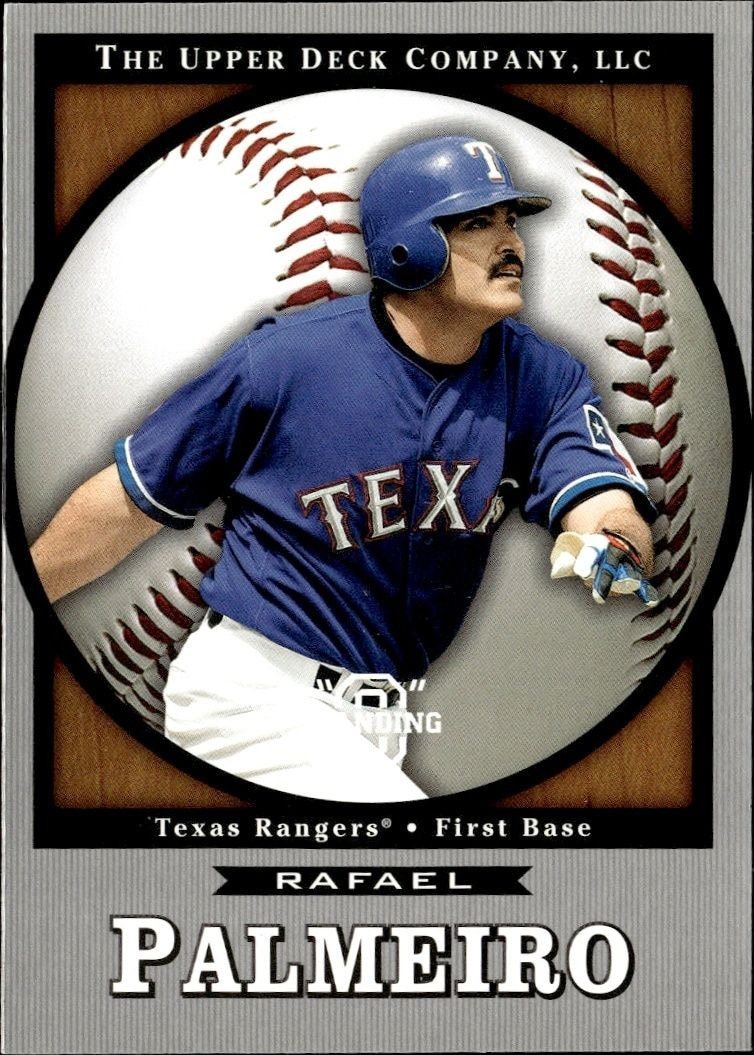
The 1990 Fleer Rafael Palmeiro #308 sports card featuring the Texas Rangers player. A foundational piece of early-90s baseball card collecting.
1990 • Fleer
Major League Baseball • Texas Rangers
Near Mint
308
New
Shipping Calculated at Checkout
Arrives in 5-7 daysEstimated delivery November 12, 2026 - November 14, 2026
30-day Returns| Condition | Value | Source | Trend | Price Details |
|---|---|---|---|---|
$1.25 | Guide Estimate | 0% | ||
$35.00 | Guide Estimate | 0% | ||
$11.00 | Guide Estimate | -31.2% | ||
$26.99 | Guide Estimate | 0% | ||
$16.00 | Guide Estimate | 0% | ||
Raw / Ungraded
PriceCharting Price Guide · Guide Estimate evidence · captured Oct 31, 2026
The 1990 Fleer Rafael Palmeiro #308 card identifies the Texas Rangers player within the 1990 Fleer baseball set. As a numbered entry in the base checklist, this card provides a specific snapshot of Palmeiro's tenure with the Rangers during that season. The 1990 Fleer series established a distinct visual identity for the brand, making its base cards recognizable to collectors who track set completion. Collectors focusing on Texas Rangers history or the 1990 MLB season often look for this card number to round out their collections. The card serves as a tangible record of Palmeiro's presence on the field during this period of his career. For those building comprehensive sets of 1990 Fleer releases, acquiring card #308 is a standard requirement. The product's catalog identity relies on its placement in the Fleer brand lineup and its association with the Texas Rangers organization. The card's straightforward classification as a base issue makes it a common yet essential component for serious set builders. Its value in collecting circles stems from its role in defining the 1990 Fleer product line and documenting Palmeiro's time with the Rangers.
5 days ago
We'll pre-fill the product details from this catalog entry, so your listing lands on this exact page. Just add photos of your copy, pick its condition, and set your price.
The catalog profile below summarizes the card identity, featured subject, and notable collectible traits.
The subject, team, league, and sport context tied to this card.
Production details and format-specific attributes.
Material
Card Stock
Language
English
Compare prices, grades, photos, and shipping from approved sellers.
New
Near Mint
See how many public collections currently include this card.
0 collectors have this card
FAQ
In the 1990 Fleer baseball card set, Rafael Palmeiro is depicted as a member of the Texas Rangers. This card documents his tenure with the team during that specific season.
Card #308 is a numbered entry in the base checklist of the 1990 Fleer set. It is not an insert or a parallel variant, but a standard issue card within the main set.
The 1990 Fleer set is significant as it helped re-establish the Fleer brand in the modern trading card market.
This 1990 Fleer base card occupies a lower price tier relative to Palmeiro's more sought-after rookie or autograph issues, reflecting its status as a common entry in his collection. The absence of special attributes or high-grade certification limits its premium potential, keeping it accessible to casual collectors rather than serious investors. While it holds historical significance as a Rangers-era card, its market value remains modest compared to graded or short-printed counterparts.
As a standard base card with no noted special attributes, this issue carries no inherent scarcity mechanics such as serial numbering, short-print designation, or parallel variation. Its supply is determined by the original print run of the 1990 Fleer set, which was produced in high volumes for mass distribution. Consequently, the card relies on general condition for differentiation rather than any structural rarity elements.
Investment potential is limited due to the card's position as a common base issue without rookie designation or unique production traits. Collector demand is likely driven by nostalgia or specific team affiliation rather than scarcity or grading premiums. Long-term appreciation is unlikely unless broader market trends significantly elevate value across all common baseball cards from this era.