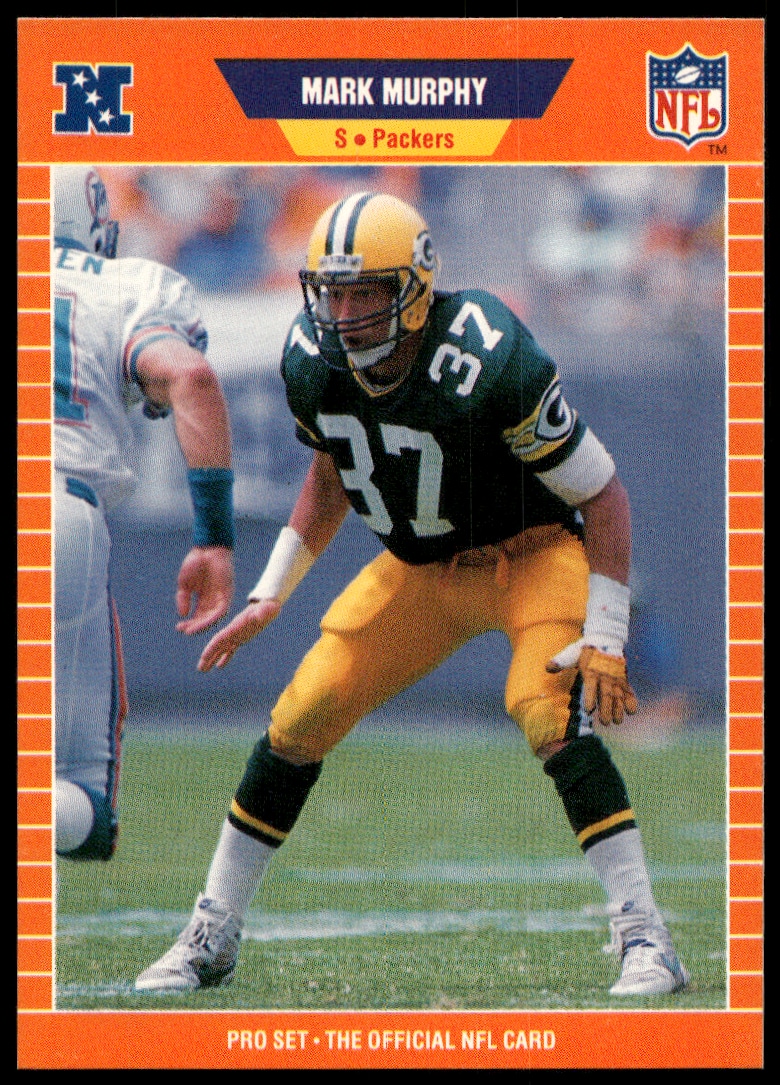


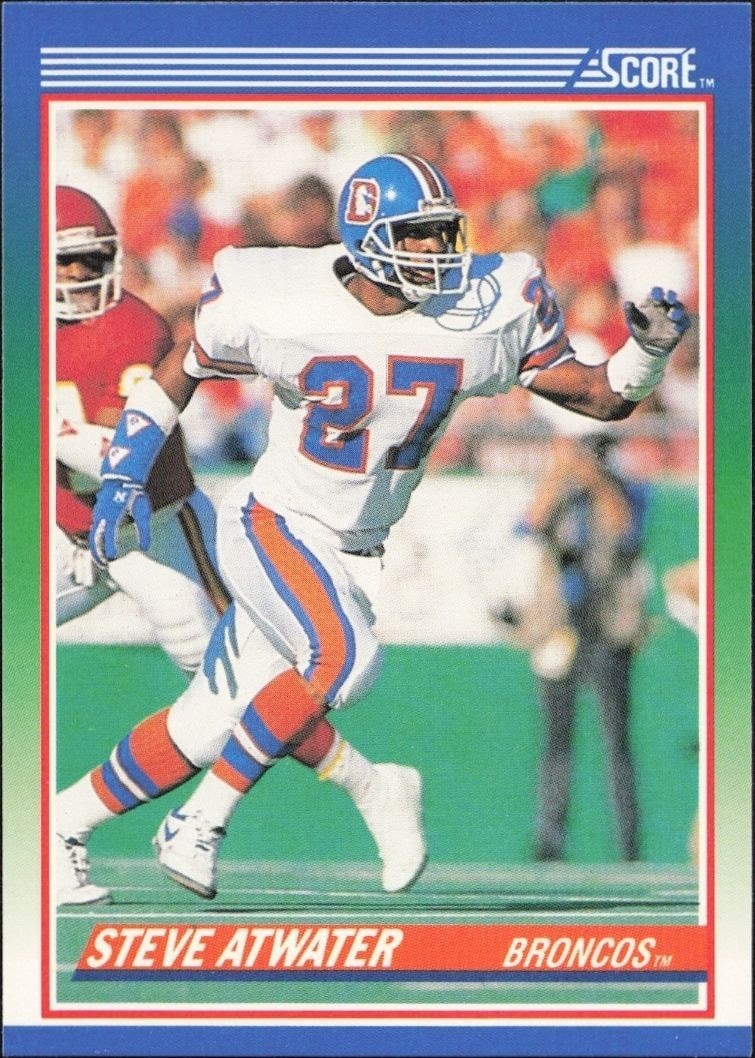


The 1990 Score Mark Murphy #241 football card captures the Green Bay Packers' running back in a classic design from the renowned Score brand.
1990 • Score
National Football League • Green Bay Packers
Near Mint
241
New
Shipping Calculated at Checkout
Arrives in 5-7 daysEstimated delivery October 23, 2026 - October 25, 2026
Seller returns October 19, 2026.30-day Returns| Condition | Value | Source | Trend | Price Details |
|---|---|---|---|---|
$1.49 | Asking Prices | +49% | ||
Raw / Ungraded
eBay Active Listings · Asking Prices evidence · captured Oct 9, 2026
The 1990 Score Mark Murphy #241 football card stands as a notable piece for collectors focusing on Green Bay Packers history and the NFL's running game during the early 1990s. Released by Topps under the Score brand, this product represents a pivotal era in sports trading card design, known for its clean, modern aesthetic that departed from the ornate borders of previous decades. The card features Murphy, who played a key role for the Packers during this time, offering fans and historians a tangible connection to the team's roster from that specific season. Each card in the set was produced to capture the essence of professional football at the time, making them valuable resources for understanding the sport's visual culture. Mark Murphy's appearance in this collection allows collectors to trace his career trajectory within the league, providing context for his contributions on the field. The card's number, 241, places it within the broader sequence of the set, appealing to those who enjoy the systematic pursuit of complete collections. Collecting this card offers a window into the marketing and presentation of NFL athletes in 1990. The Score brand was instrumental in shaping how players were depicted, often using dynamic action shots that highlighted athletic prowess. This card serves as a historical document for Packers fans and football historians alike, preserving the image of Murphy during his tenure with the team. As with other cards from this release, it holds significance for those interested in the evolution of sports card design and the specific rosters of that era.
10 hours ago
We'll pre-fill the product details from this catalog entry, so your listing lands on this exact page. Just add photos of your copy, pick its condition, and set your price.
The catalog profile below summarizes the card identity, featured subject, and notable collectible traits.
The subject, team, league, and sport context tied to this card.
Production details and format-specific attributes.
Material
Card Stock
Language
English
Compare prices, grades, photos, and shipping from approved sellers.
New
Near Mint
See how many public collections currently include this card.
0 collectors have this card
This 1990 Score card represents a baseline entry point for Mark Murphy collectors, trading at a modest level relative to his broader career output with the Green Bay Packers. As a standard base card from a major set, it lacks the condition premiums or scarcity drivers that typically elevate market value in the vintage football market. Consequently, it serves primarily as a foundational component for bulk collection rather than a standalone investment piece.
The card carries no special scarcity attributes, such as serial numbering, short-print status, or parallel variants, meaning it exists in its highest possible supply tier within the 1990 Score set. Without limited edition mechanics or one-of-one distinctions, the supply is effectively unlimited relative to collector demand, preventing any artificial constriction of availability. This standard designation ensures the card remains accessible and widely available across the secondary market.
As a non-rookie card from a mass-produced set, this item lacks the rookie-card premium mechanics that typically drive long-term appreciation in sports collectibles. The absence of unique features or high-grade scarcity limits its potential for significant value growth, making it more suitable for casual collecting than serious investment portfolios. Demand remains steady but low, driven solely by the need to complete base set requirements rather than speculative interest.