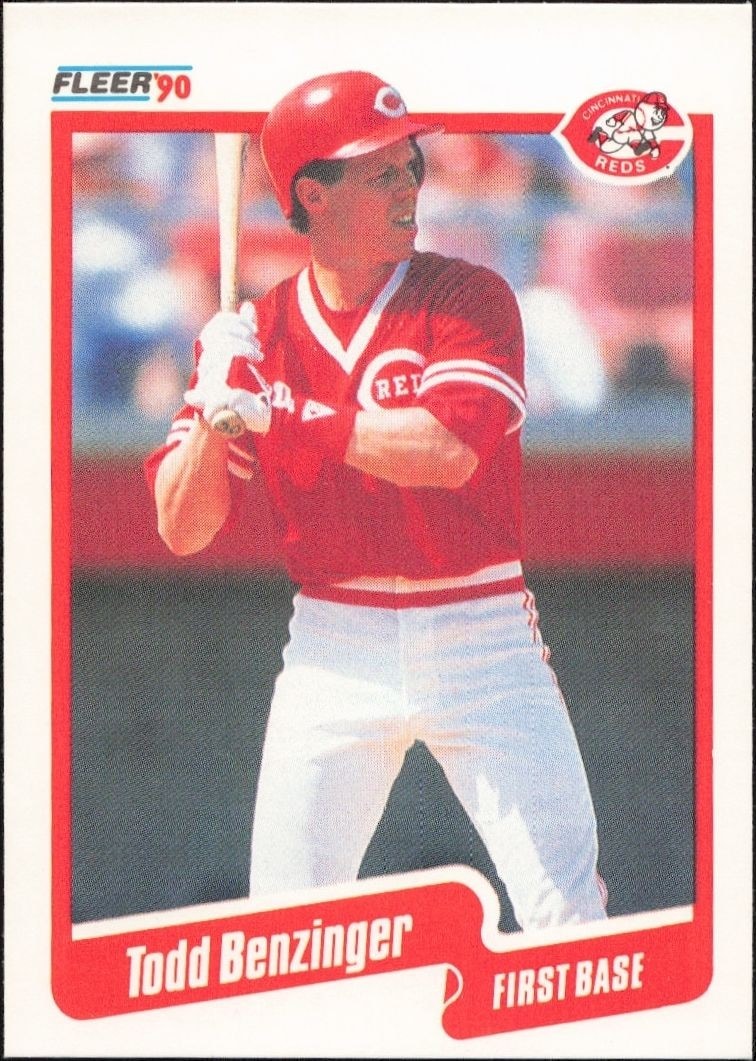


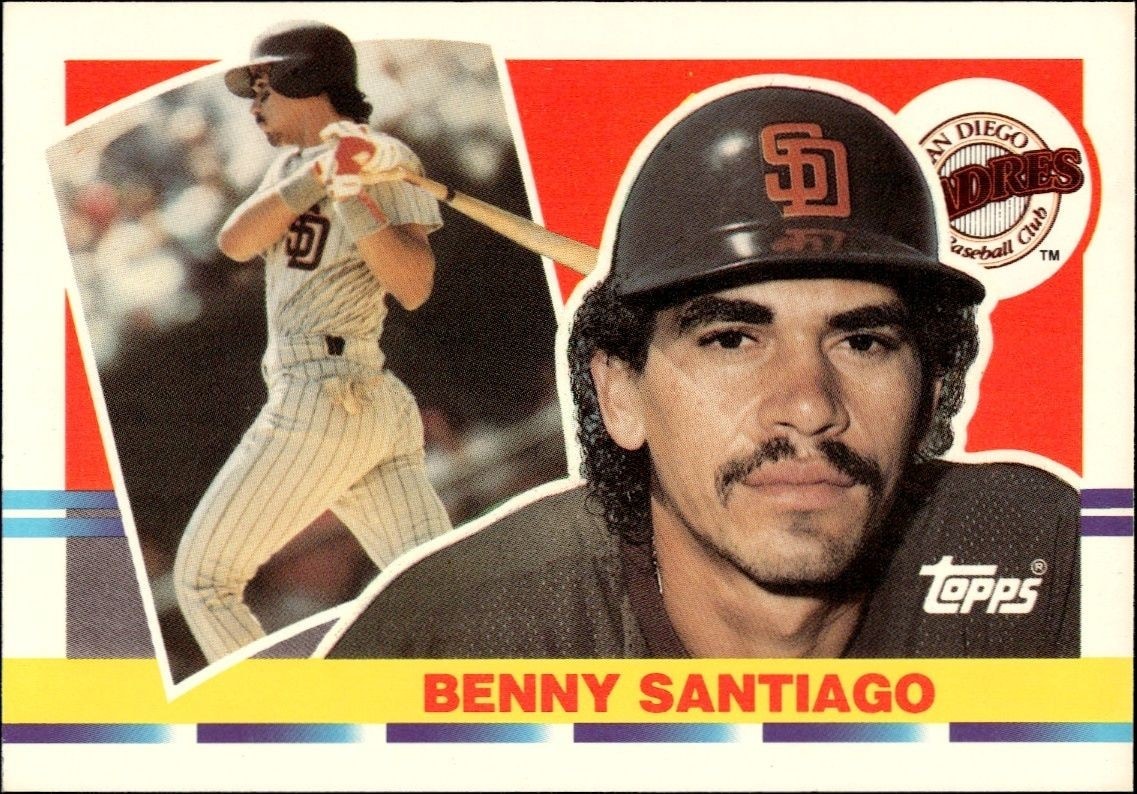
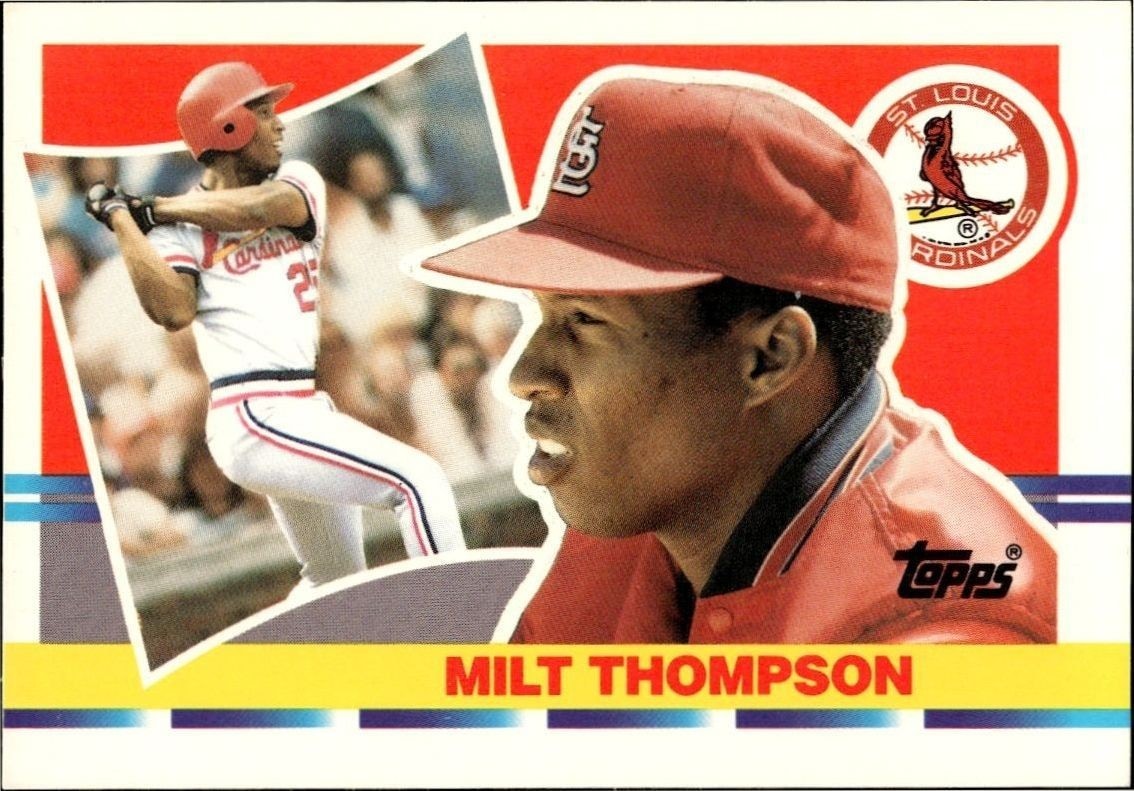

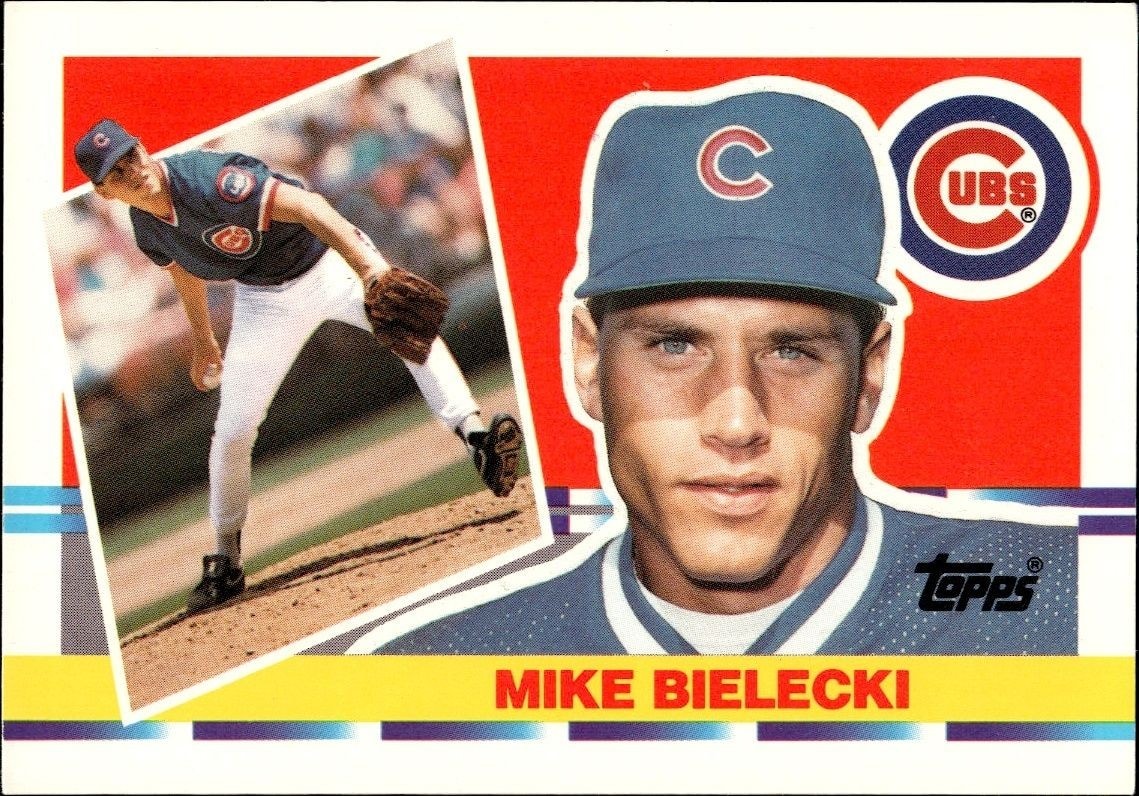
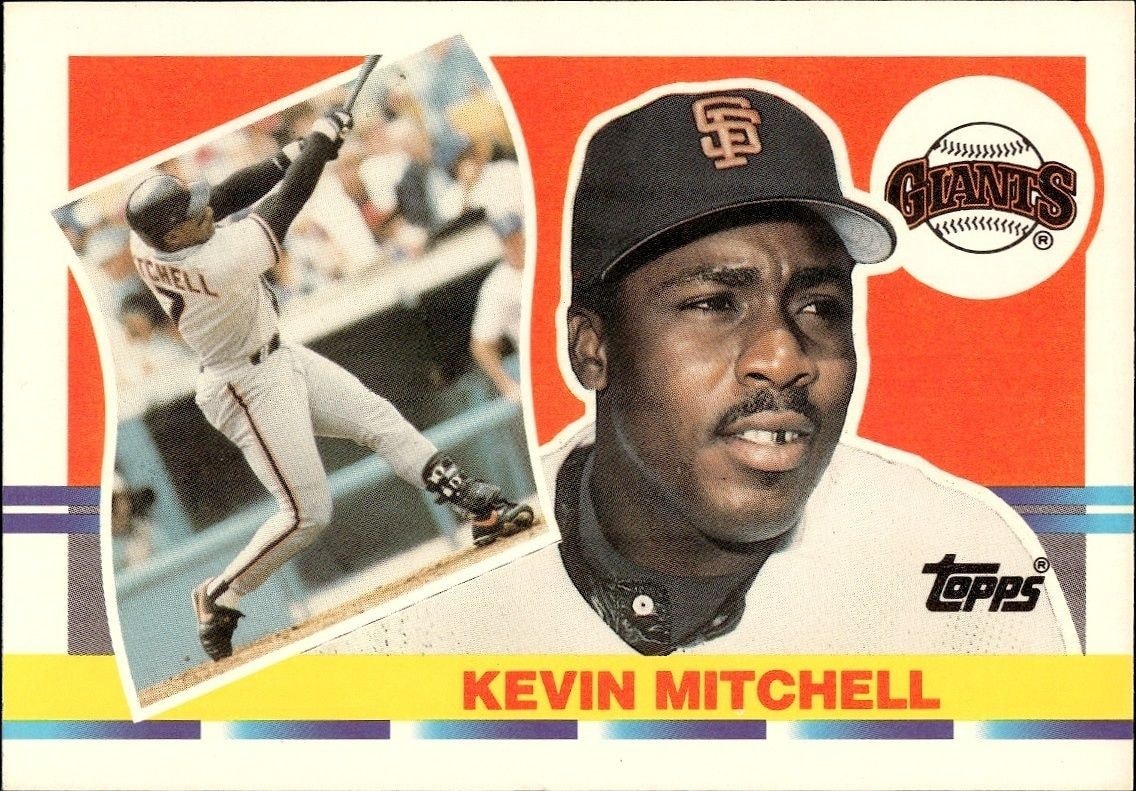
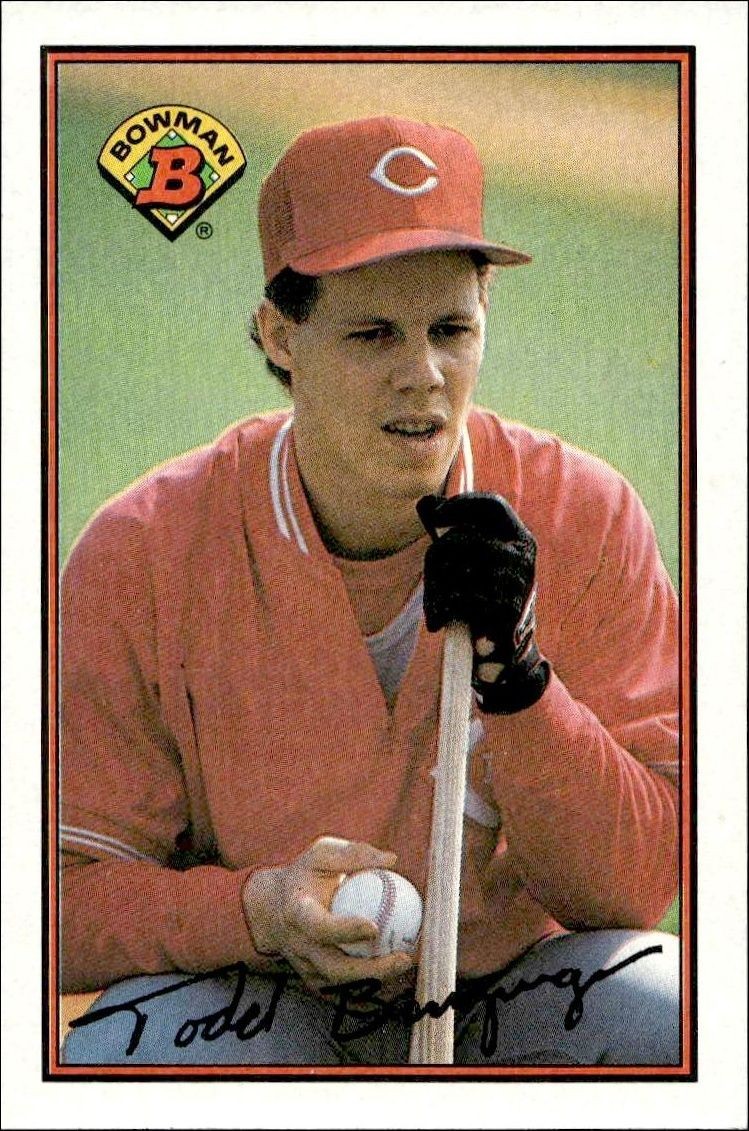


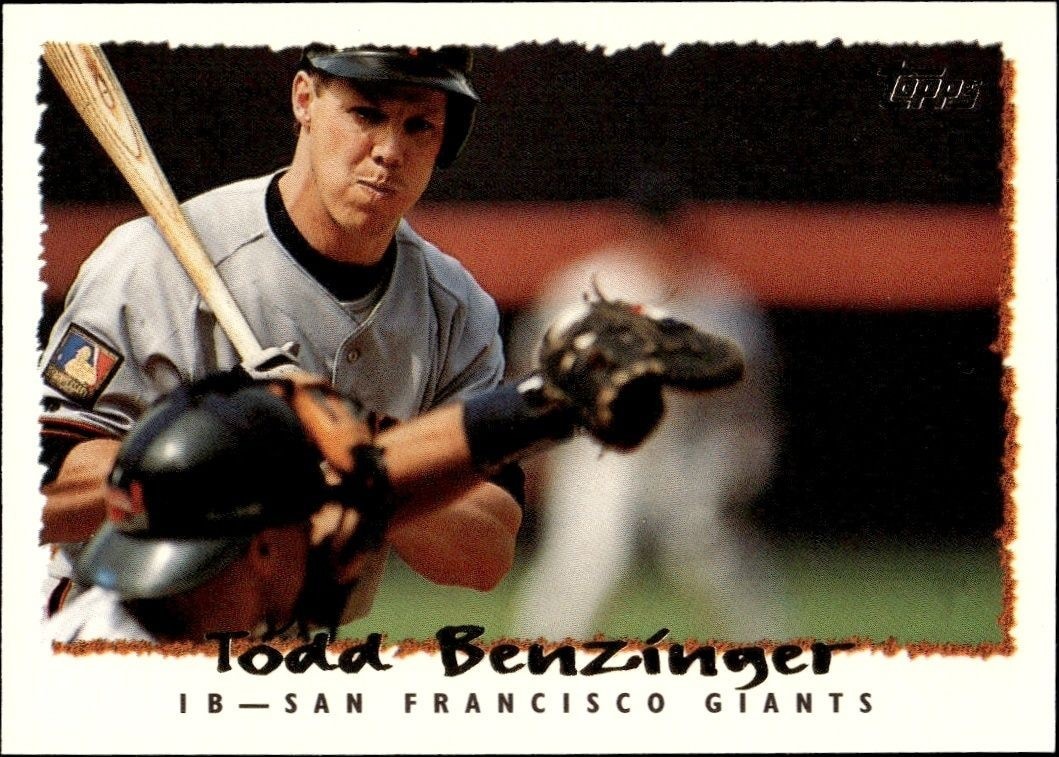

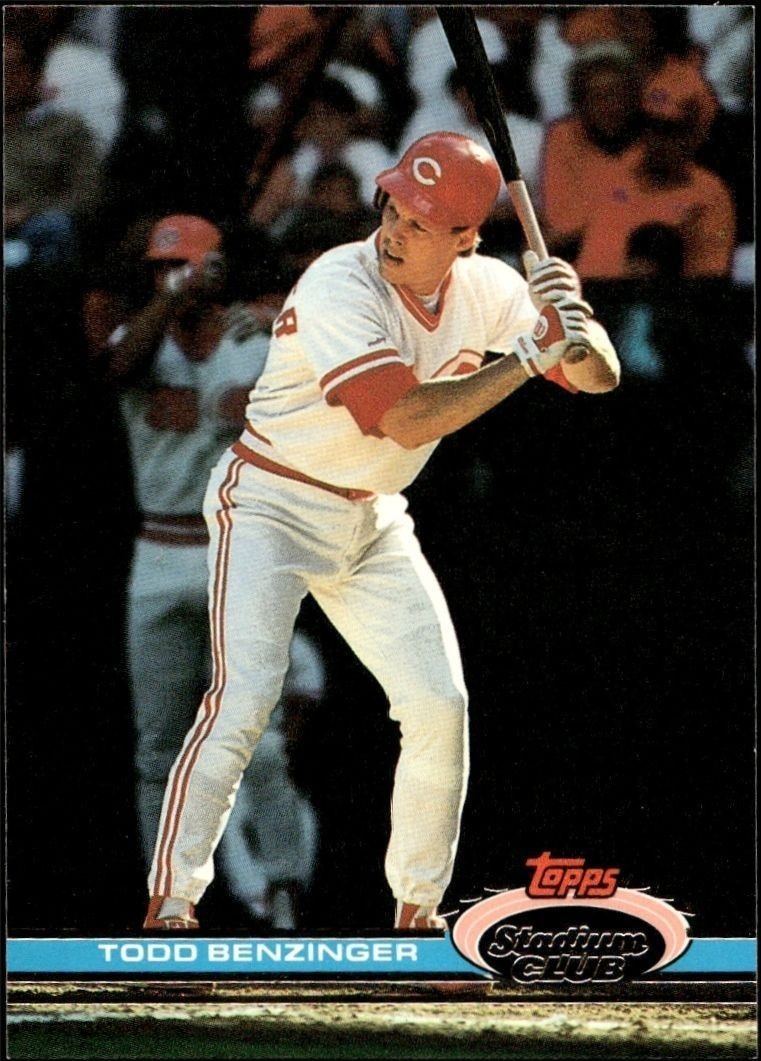
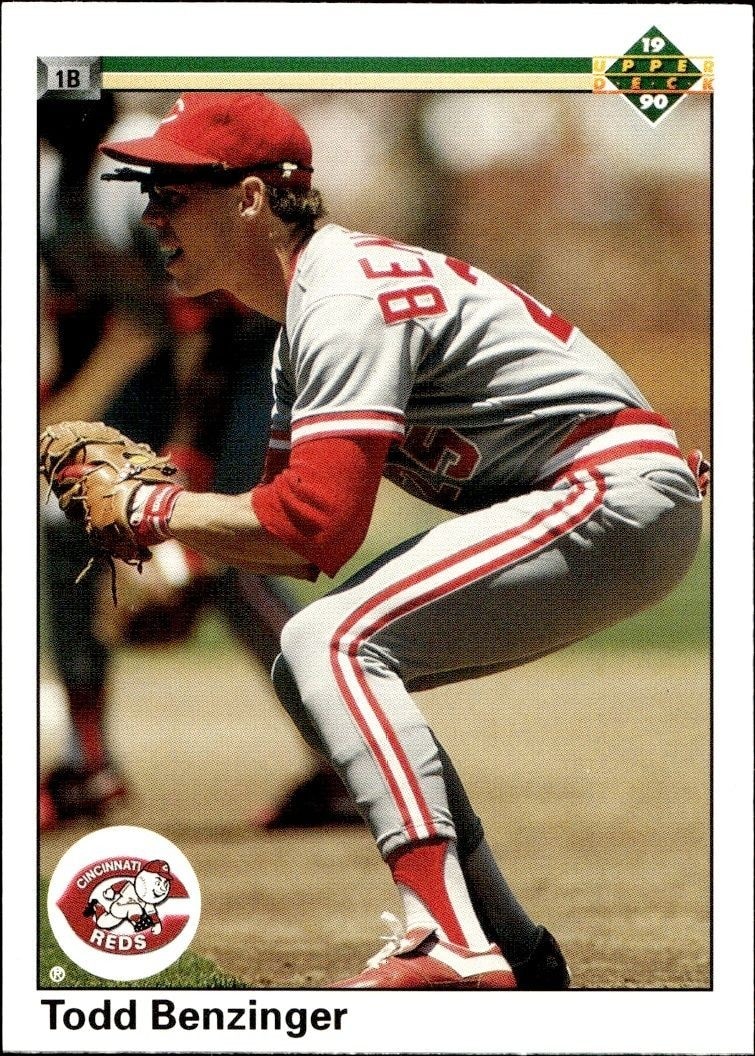
The 1990 Topps Big #14 features Cincinnati Reds outfielder Todd Benzinger in an oversized format designed to stand out in any collection.
1990 • Topps • Big
Major League Baseball • Cincinnati Reds
Excellent
14
New
Shipping Calculated at Checkout
Arrives in 5-7 daysEstimated delivery October 23, 2026 - October 25, 2026
Seller returns October 19, 2026.30-day Returns| Condition | Value | Source | Trend | Price Details |
|---|---|---|---|---|
$1.58 | Guide Estimate | 0% | ||
Raw / Ungraded
PriceCharting Price Guide · Guide Estimate evidence · captured Oct 18, 2026
The 1990 Topps Big #14 card highlights Cincinnati Reds outfielder Todd Benzinger, offering a unique oversized format that distinguishes it from standard issues of the era. Released as part of the Big series, this product features a larger card stock designed to grab attention, making it a distinct addition for enthusiasts of 1990s baseball memorabilia. The oversized design provides a more prominent view of the player, enhancing the visual impact for those who appreciate the specific aesthetic choices made during this period of sports card manufacturing. Todd Benzinger, known for his defensive prowess and consistent play during his tenure with the Reds, is featured here in a card that serves as a tangible piece of MLB history. The larger surface area allows for a clearer presentation of the player's image and statistics, appealing to those who value the physical characteristics of vintage trading cards. This card is a notable item for fans of the Cincinnati Reds or collectors focusing on the 1990 Topps releases. Investing in or adding the 1990 Topps Big #14 to a collection connects owners to a specific moment in baseball history. The Big series was a creative departure from the norm, and cards like this one remain popular for their novelty and nostalgia. Whether building a comprehensive set of 1990 Topps products or focusing on specific players like Benzinger, this oversized card offers a different perspective on a classic year. It represents the innovative approaches manufacturers took to engage collectors during the early 1990s boom. For those interested in the evolution of sports card design, the 1990 Topps Big series provides a fascinating case study in format experimentation.
19 hours ago
We'll pre-fill the product details from this catalog entry, so your listing lands on this exact page. Just add photos of your copy, pick its condition, and set your price.
The catalog profile below summarizes the card identity, featured subject, and notable collectible traits.
The core identity of the card within the set.
The subject, team, league, and sport context tied to this card.
Production details and format-specific attributes.
Card size
Oversized
Material
Card Stock
Language
English
Compare prices, grades, photos, and shipping from approved sellers.
New
Excellent
See how many public collections currently include this card.
0 collectors have this card
This 1990 Topps Big Todd Benzinger card trades at a modest value tier, reflecting its status as a base set item from a highly saturated production year. While Benzinger holds a recognized place in Reds franchise history, the card's lack of special parallel or serial attributes keeps it firmly in the volume collector segment. It represents an accessible entry point for those building specific team or set collections rather than a high-premium asset.
The card is identified as a standard base issue within the Topps Big series, meaning it carries no inherent scarcity mechanics such as short prints, serial numbering, or one-of-one designations. Supply is effectively unlimited relative to collector demand, as it was produced in mass quantities typical of mainstream 1990 releases. Consequently, the item's rarity is defined solely by its age and condition survival rate rather than intentional production limits.
As a non-rookie card from a high-print-run set, the long-term appreciation potential is limited to slow growth driven by general vintage baseball nostalgia. Collector demand is likely driven by completists seeking specific team subsets rather than speculative investors looking for parallel premiums. The absence of unique attributes suggests this card will remain a stable, low-risk component of a broader vintage portfolio rather than a standalone growth asset.