
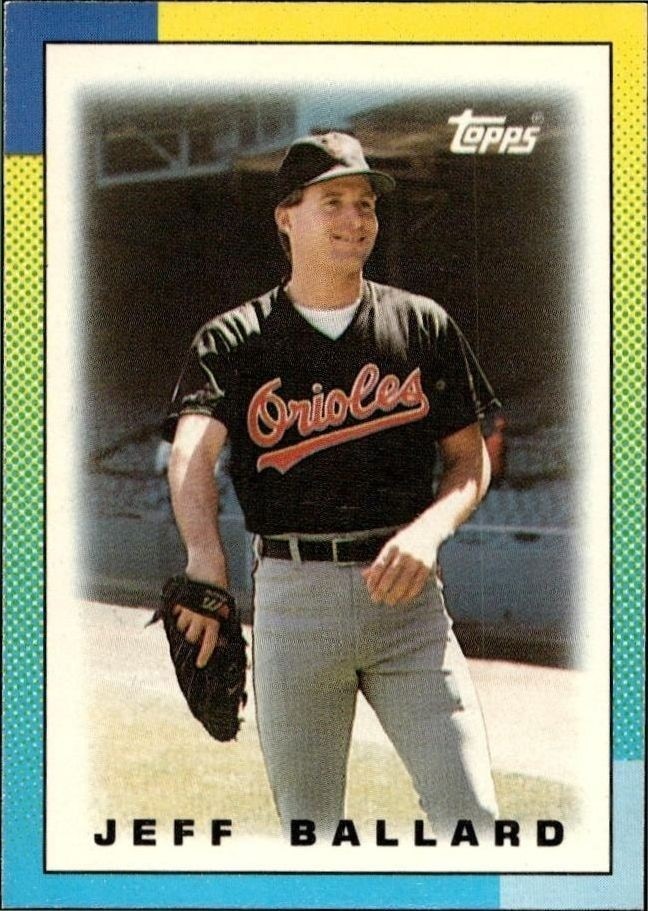
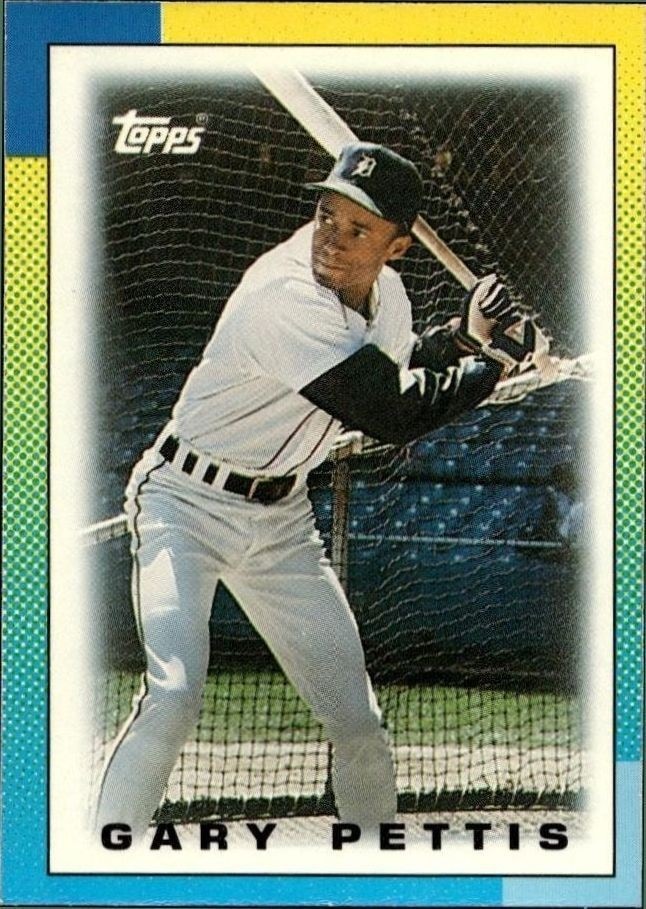

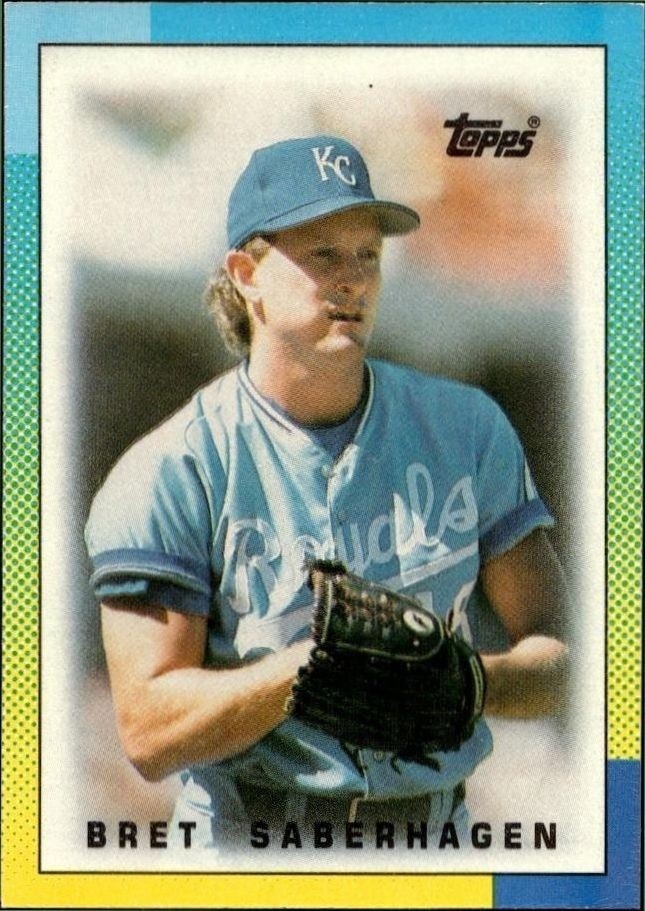

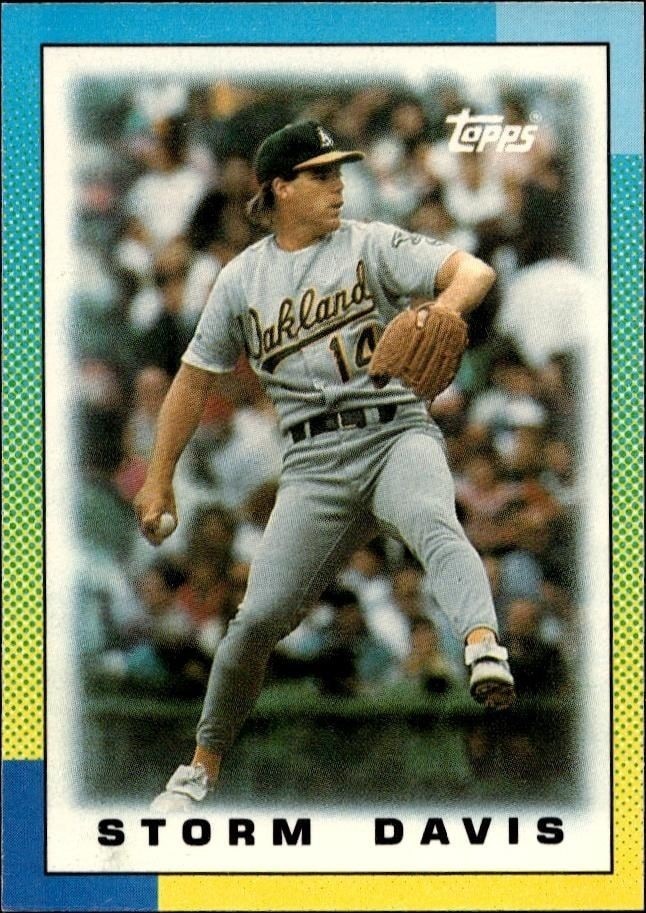


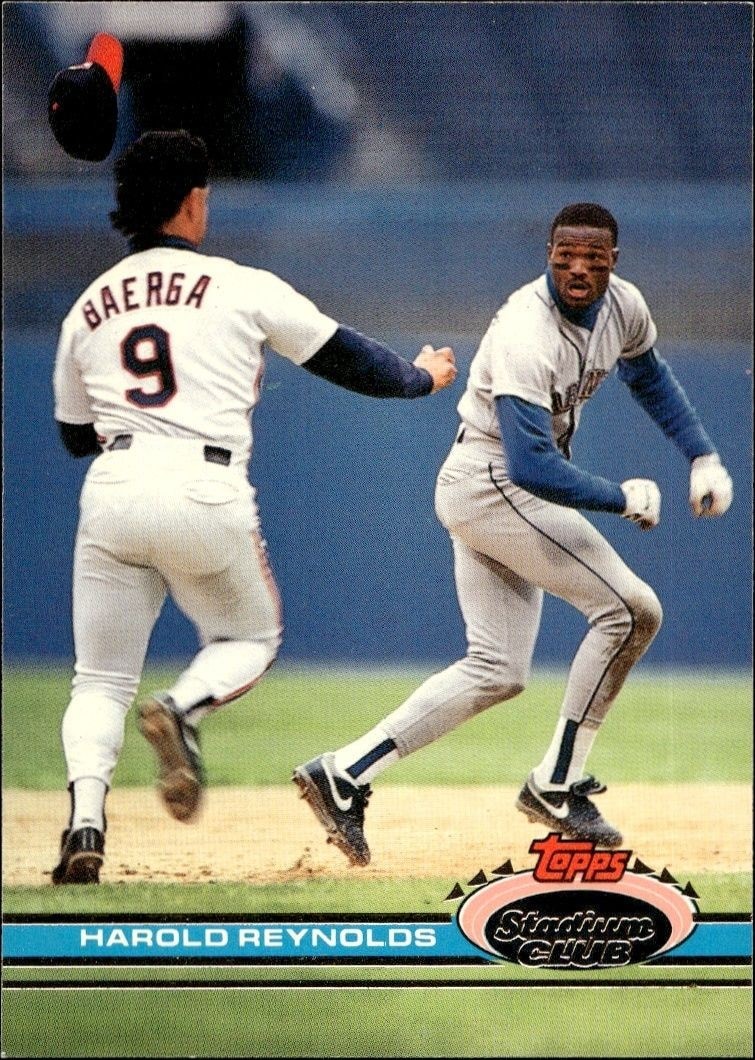
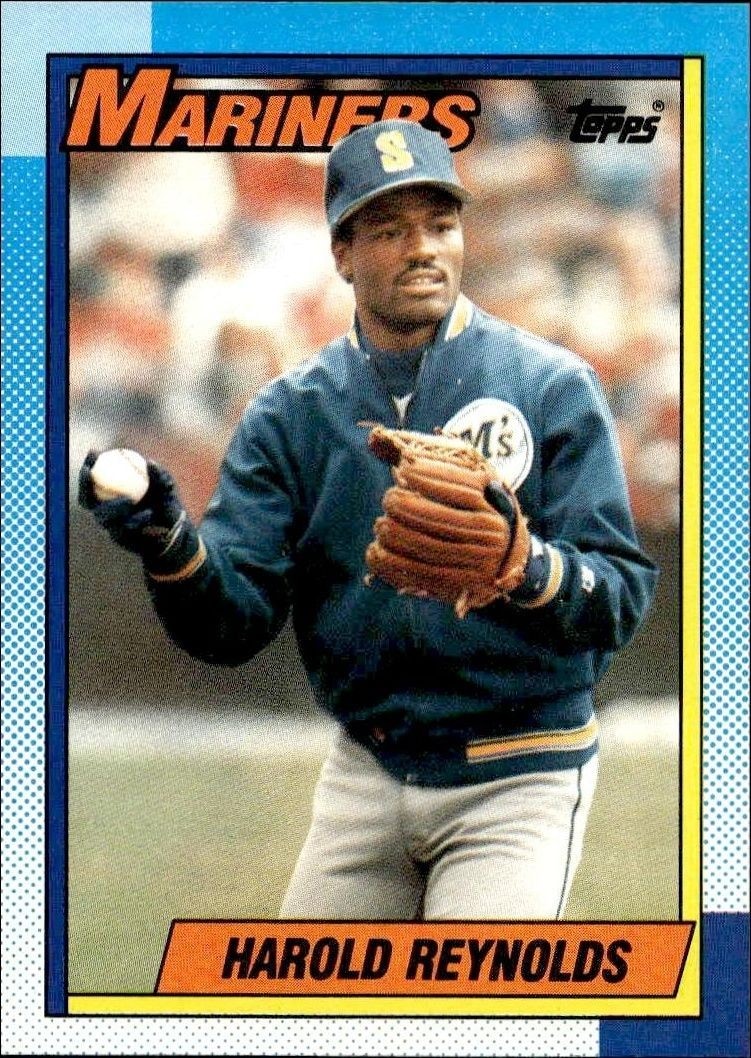


The 1990 Topps Minis Harold Reynolds #34 is a compact baseball card featuring the Seattle Mariners infielder, capturing a specific moment in MLB history.
1990 • Topps • Mini League Leaders
Major League Baseball • Seattle Mariners
Near Mint
34
New
Shipping Calculated at Checkout
Arrives in 4-6 daysEstimated delivery October 23, 2026 - October 25, 2026
Seller returns October 19, 2026.30-day Returns| Condition | Value | Source | Trend | Price Details |
|---|---|---|---|---|
$0.25As of 10/2/2026 | Guide Estimate | 0% | ||
Raw / Ungraded
PriceCharting Price Guide · Guide Estimate evidence · captured Oct 2, 2026
The 1990 Topps Minis Harold Reynolds #34 represents a distinct segment of sports card collecting, focusing on the miniature format that Topps introduced to capture attention. This card number identifies Reynolds during his tenure with the Seattle Mariners, a team that has maintained a dedicated fanbase throughout the decades. Collectors often seek out cards from this era to document the roster composition and player movements within Major League Baseball during the late 1980s and early 1990s. Harold Reynolds was a notable figure on the Mariners' diamond, and this 1990 Topps Minis issue provides a tangible link to his career. For enthusiasts building a collection of Seattle Mariners history or focusing on 1990 Topps releases, card #34 serves as a specific data point in the broader narrative of the sport. The value of collecting 1990 Topps Minis often lies in the completeness of the set and the condition of individual pieces. While the physical size makes these cards distinctive, they also require careful storage to maintain integrity over time. Whether you are a long-time fan of the Mariners or a generalist collector of 90s baseball, this card offers a compact yet significant piece of the hobby's landscape. For those interested in the evolution of sports card design, the Minis line provides insight into Topps' experimentation with format and scale. The 1990 set is part of a lineage that continues to influence how collectors view and store their assets today. By focusing on the factual identity of Harold Reynolds and his affiliation with Seattle, collectors can appreciate the historical context of the card without needing to rely on subjective assessments of its physical state. This approach allows the card to stand as a verified piece of baseball memorabilia, rooted in the specific year and manufacturer that produced it.
1 day ago
We'll pre-fill the product details from this catalog entry, so your listing lands on this exact page. Just add photos of your copy, pick its condition, and set your price.
The catalog profile below summarizes the card identity, featured subject, and notable collectible traits.
The core identity of the card within the set.
The subject, team, league, and sport context tied to this card.
Production details and format-specific attributes.
Card size
Mini
Material
Card Stock
Language
English
Compare prices, grades, photos, and shipping from approved sellers.
New
Near Mint
See how many public collections currently include this card.
0 collectors have this card
This entry sits in the entry-level tier of the 1990 Topps Minis set, reflecting its status as a standard base card without special inserts or parallels. While it captures Harold Reynolds during his tenure with the Seattle Mariners, the lack of unique attributes keeps its valuation modest compared to his rookie or premium parallels. It trades at the lower end of the spectrum for Mariners legends from this era, serving more as a affordable portfolio staple than a high-value asset.
The card exhibits no special scarcity mechanics, as it is a standard base issue within the Minis subset. Without serial numbering, short-print designations, or parallel variations, the supply is determined solely by the original print run of the base set. This uniformity means it lacks the constrained supply drivers that typically elevate collectible value in secondary markets.
As a non-rookie card from a mass-produced subset, this item offers limited appreciation potential compared to rookie equivalents or high-parallel variants. Collector demand is likely driven by simple team completeness or nostalgic value rather than rarity-based speculation. Investors should view this as a low-risk, low-reward component for filling gaps in a broader set collection.
