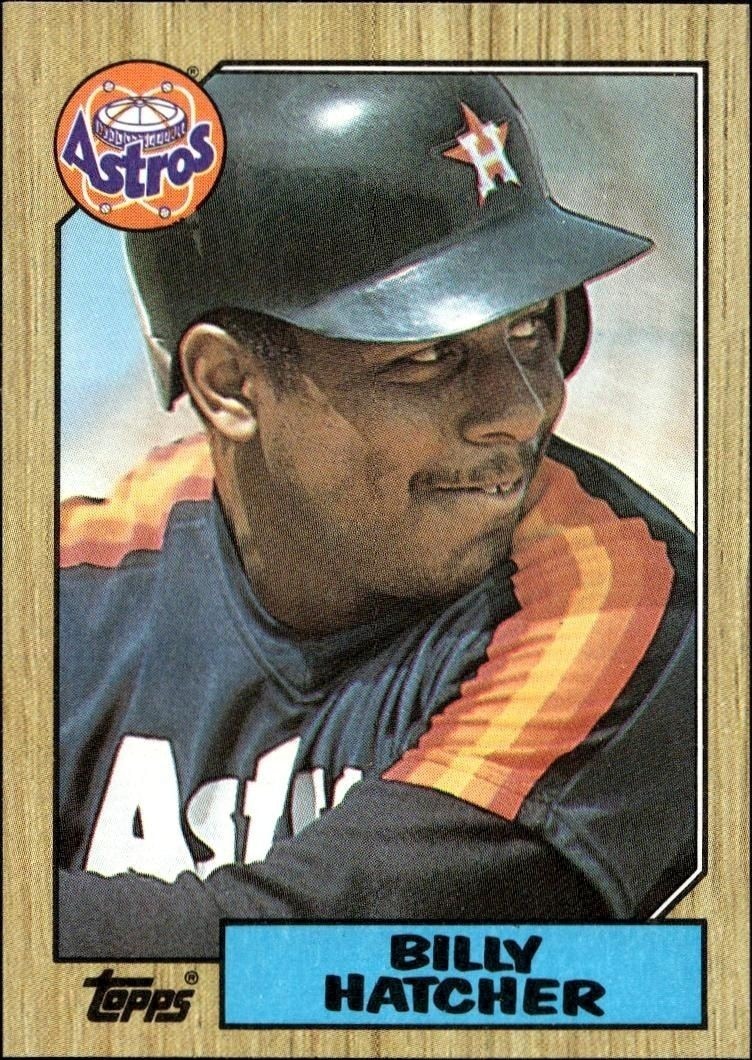




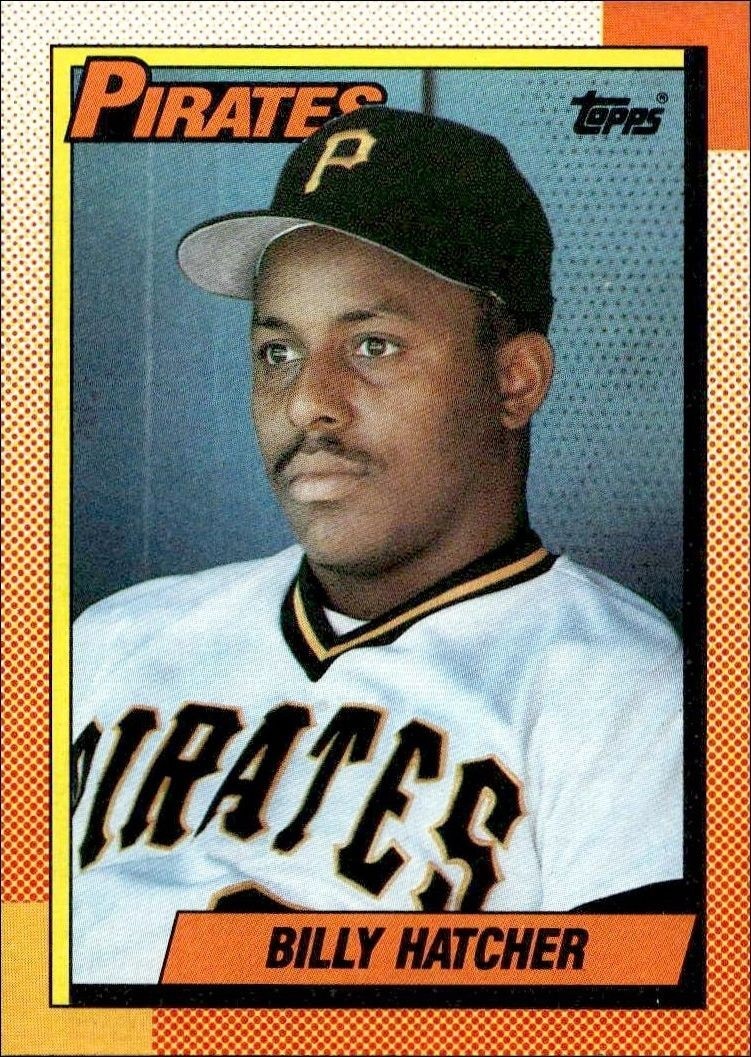


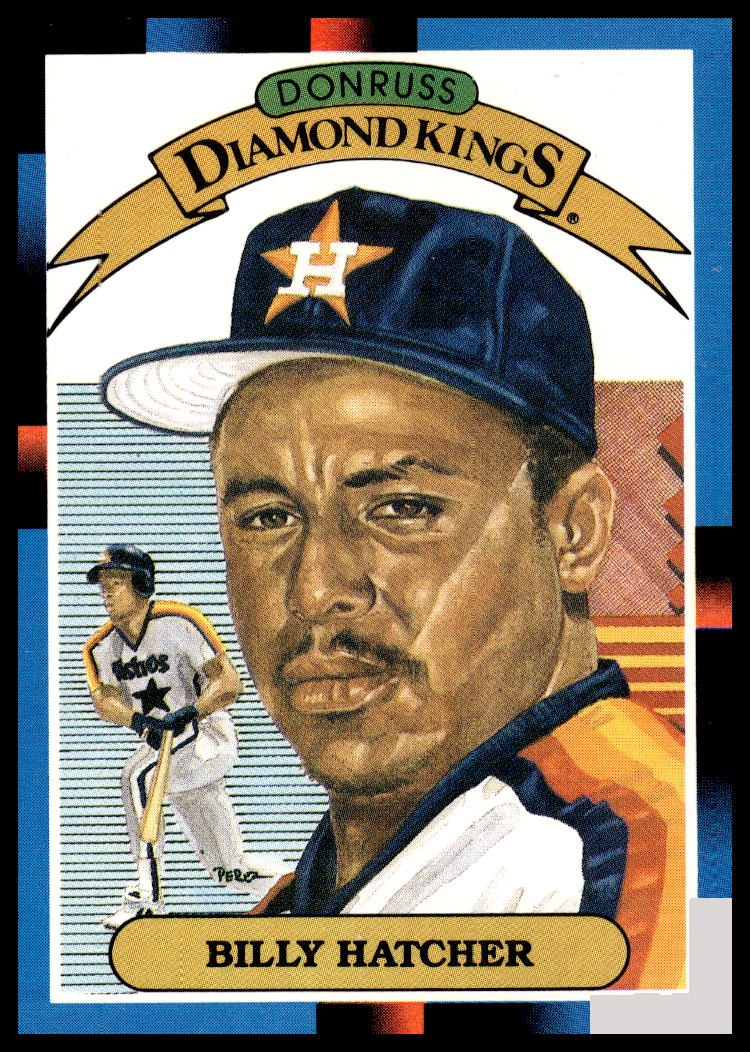

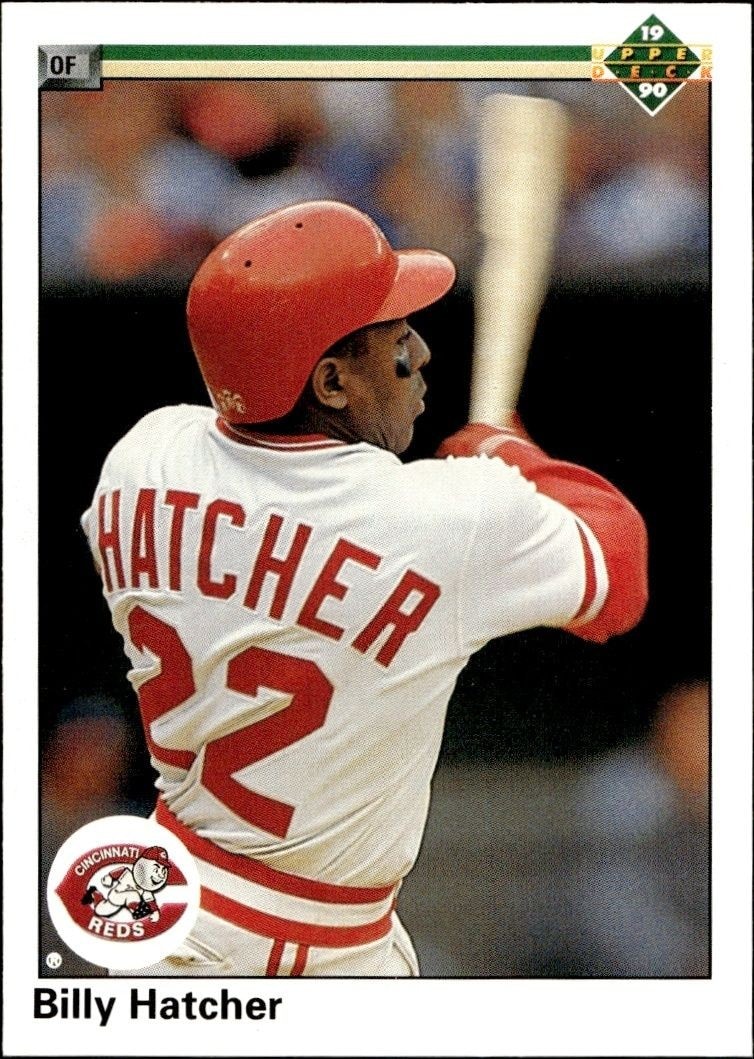
Explore the 1990 Topps Traded baseball card featuring Billy Hatcher of the Cincinnati Reds. This product covers all available versions of card #38T.
1990 • Topps • Traded
Major League Baseball • Cincinnati Reds
Near Mint
38T
New
Shipping Calculated at Checkout
This seller is away until 10/19/2026 — orders are still accepted and ship after they return.30-day Returns| Condition | Value | Source | Trend | Price Details |
|---|---|---|---|---|
$1.29As of 10/3/2026 | Guide Estimate | |||
$7.00As of 10/3/2026 | Guide Estimate | |||
$8.00As of 10/3/2026 | Guide Estimate | |||
Raw / Ungraded
PriceCharting Price Guide · Guide Estimate evidence · captured Oct 3, 2026
History is building. At least two days of matching observations are needed to show a trend.
Each point is the last stored observation that day for this printing, condition, grader, autograph status and source. Gaps mean no observation; guide estimates and asking prices are not completed sales.The 1990 Topps Traded baseball set offers a distinct chapter in sports memorabilia history, capturing the mid-season roster changes and player movements that defined the era. Card #38T highlights Billy Hatcher, a key outfielder for the Cincinnati Reds during this period. Collectors often seek out this entry to complete their base set or to focus on the dynamic shifts in team composition that the Traded series documents. This card is part of the broader Topps brand legacy, known for its consistent design and comprehensive coverage of the MLB season. The Traded subset is particularly notable for including updates that the initial base release did not feature, making it an essential component for serious hobbyists. Billy Hatcher’s inclusion here provides a snapshot of his career trajectory within the Reds organization at a time when he was establishing himself as a reliable contributor. For investors and set builders, the 1990 Topps Traded series represents a pivotal moment in trading card design and roster tracking. The catalog identity for this product encompasses all variations of card #38T, regardless of condition or grading status. Whether you are looking to fill a gap in your Cincinnati Reds collection or add a piece of 1990s baseball history to your portfolio, this card offers a tangible connection to the sport's past. By focusing on the catalog-level details of the 1990 Topps Traded release, collectors can make informed decisions about integrating this Billy Hatcher card into their existing holdings or starting a new investment strategy centered on this iconic brand and year.
10 hours ago
We'll pre-fill the product details from this catalog entry, so your listing lands on this exact page. Just add photos of your copy, pick its condition, and set your price.
The catalog profile below summarizes the card identity, featured subject, and notable collectible traits.
The core identity of the card within the set.
The subject, team, league, and sport context tied to this card.
Production details and format-specific attributes.
Material
Card Stock
Language
English
Compare prices, grades, photos, and shipping from approved sellers.
New
Near Mint
See how many public collections currently include this card.
0 collectors have this card
This 1990 Topps Traded issue of Billy Hatcher represents an accessible entry point within the broader baseball card market, trading at a modest tier relative to premium rookie or high-grade parallels. As a player associated with the Cincinnati Reds during a competitive era, the card holds niche appeal but lacks the high-end condition premiums seen in graded examples of more prominent stars. The current listing availability suggests a thin market, indicating that while demand exists, it is not currently driving aggressive price escalation.
The card is a standard base insert within the 1990 Topps Traded set, lacking any special parallel finishes, short-print designations, or serial numbering that would artificially constrain supply. Consequently, its scarcity is driven primarily by the natural attrition of vintage paper goods rather than intentional production limits. Without unique attributes like one-of-one status or limited edition numbering, the population of surviving copies remains relatively high compared to specialty inserts.
As a non-rookie card from a mass-produced vintage set, the investment potential is limited by the abundance of available supply and the absence of a rookie-card premium. Collector demand is likely driven by nostalgia for the 1990s era and specific team memorabilia needs rather than speculative growth. Long-term value stability depends on the preservation of condition rather than appreciation mechanics, making it a stable but low-growth asset for broad portfolio diversification.