




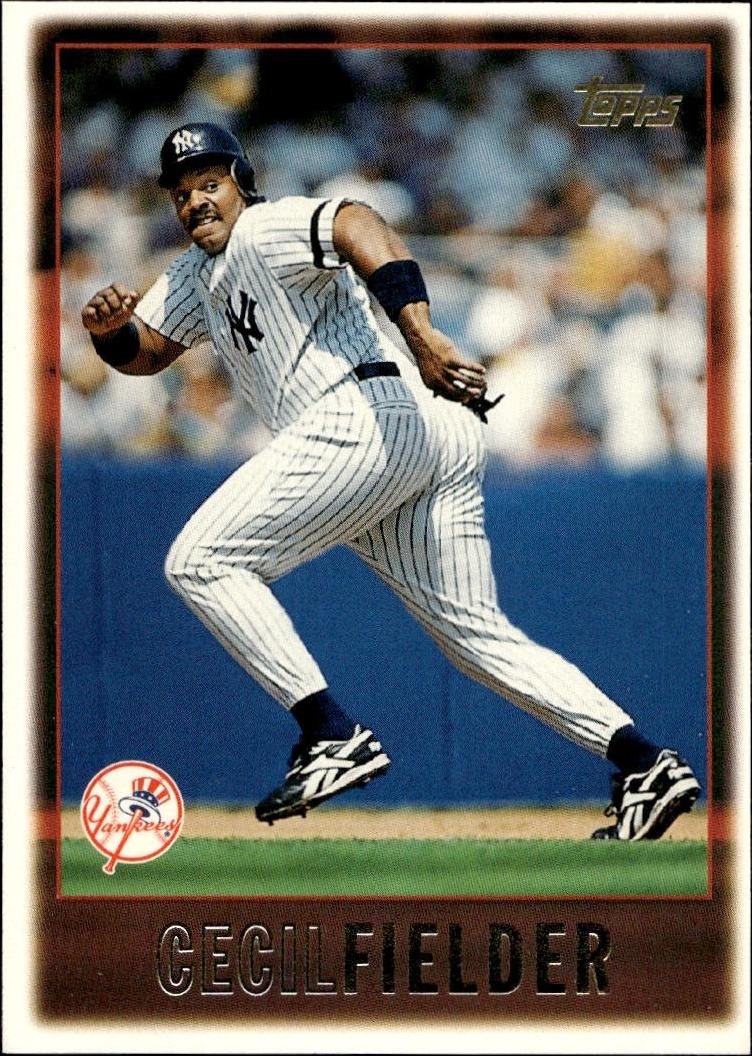
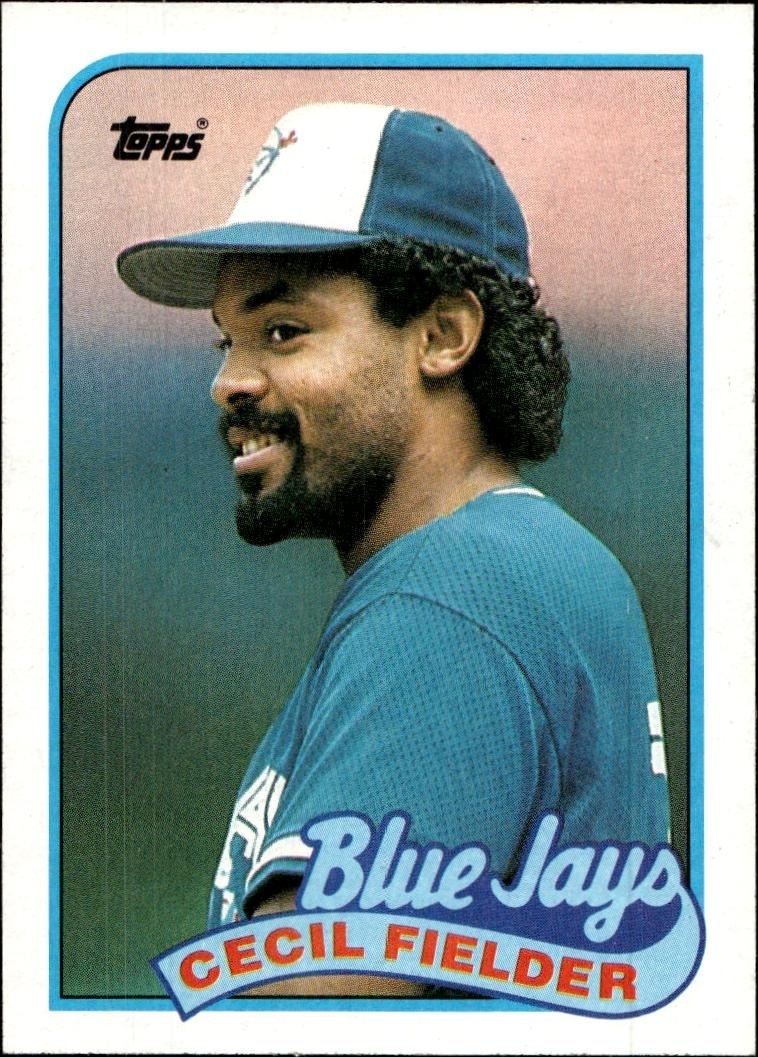
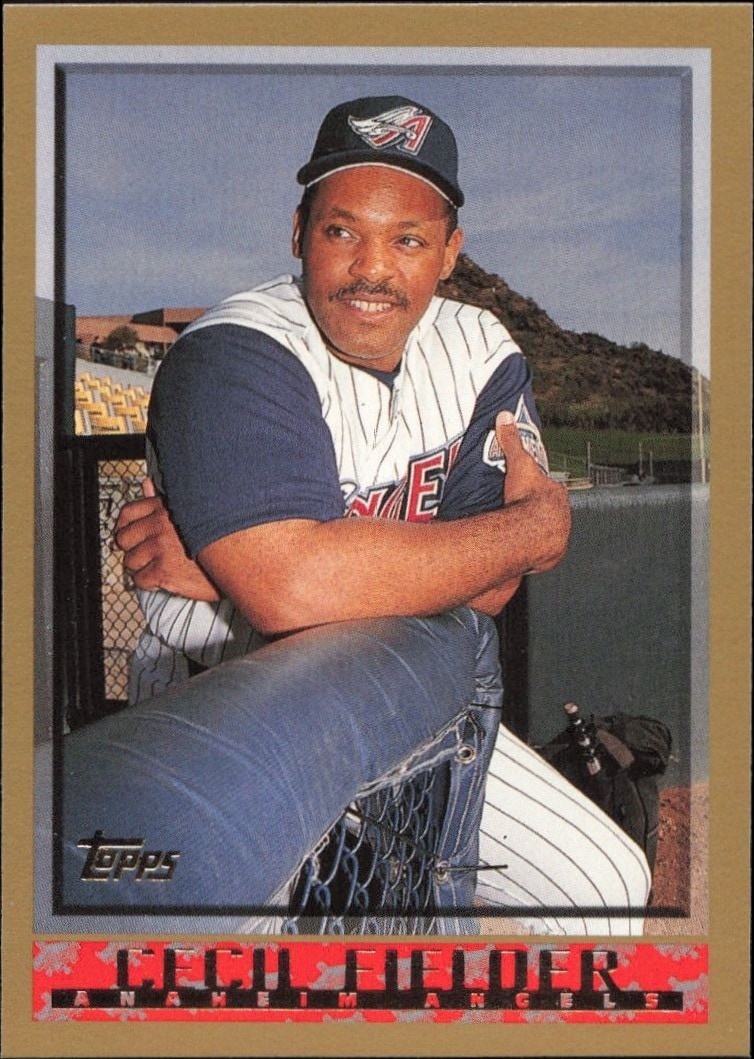

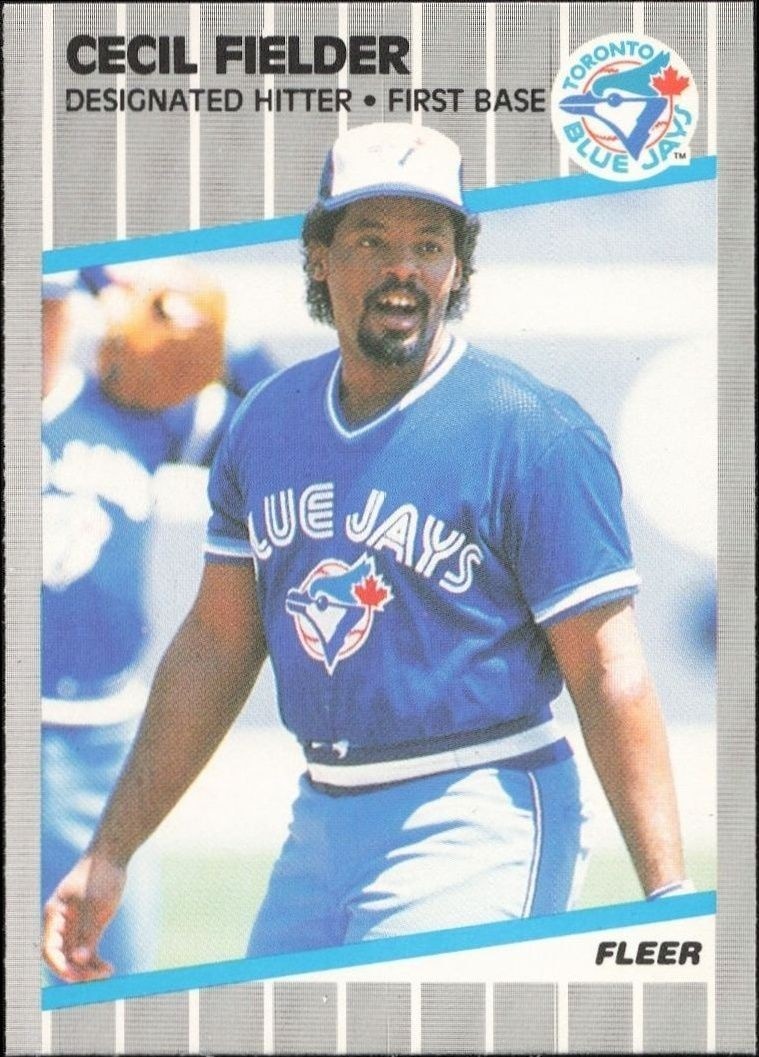


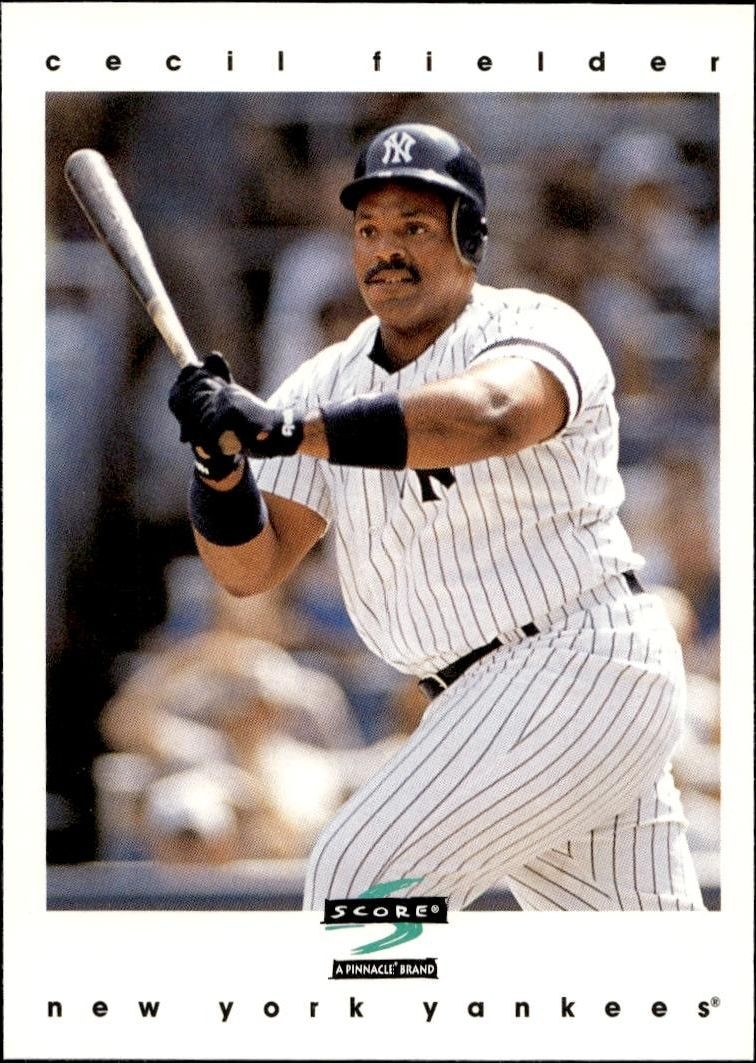
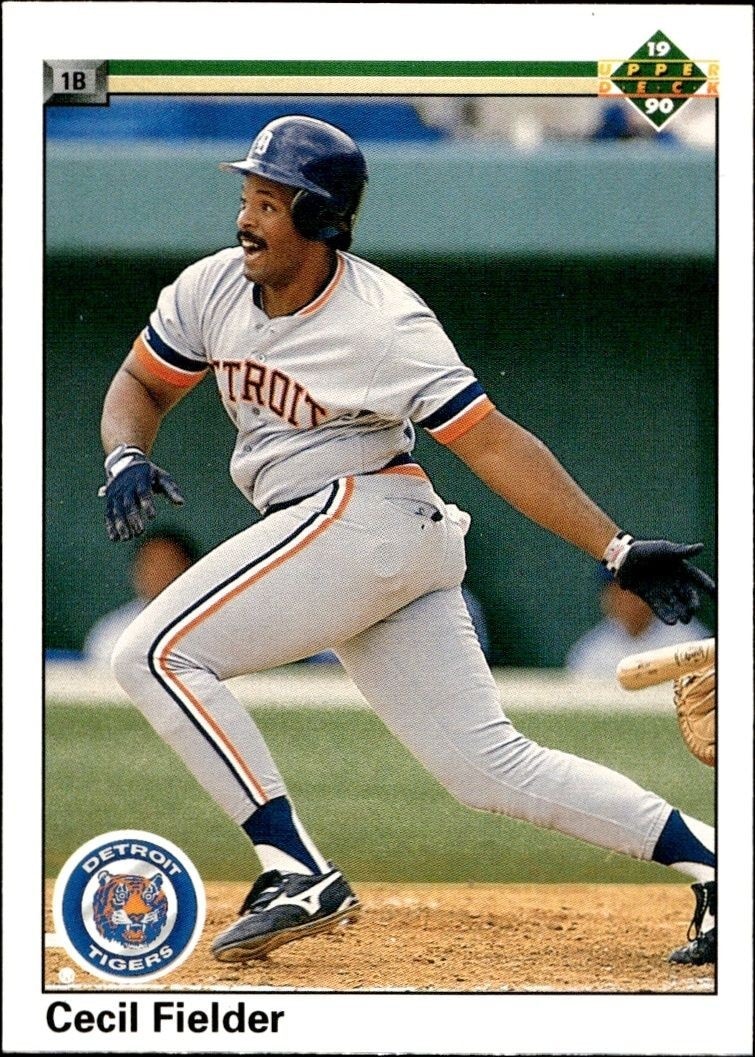
Acquire the 1990 Topps Traded #31T featuring Detroit Tigers slugger Cecil Fielder. This classic baseball card captures one of the era's most prominent power hitters.
1990 • Topps • Traded
Major League Baseball • Detroit Tigers
Near Mint
31T
New
Shipping Calculated at Checkout
30-day Returns| Condition | Value | Source | Trend | Price Details |
|---|---|---|---|---|
$1.59 | Guide Estimate | 0% | ||
$1.69As of 10/26/2026 | Completed Sales | -2.9% | ||
$21.50 | Guide Estimate | +66.7% | ||
$24.00 | Guide Estimate | +20.1% | ||
$39.34 | Guide Estimate | +0.1% | ||
$104.00 | Guide Estimate | 0% | ||
$32.00 | Guide Estimate | -33.3% | ||
$79.99 | Guide Estimate | 0% | ||
$48.00 | Guide Estimate | 0% | ||
Raw / Ungraded
PriceCharting Price Guide · Guide Estimate evidence · captured Nov 2, 2026
Cecil Fielder established himself as a premier power hitter for the Detroit Tigers during the early 1990s, and this 1990 Topps Traded #31T card commemorates that peak era. Issued by Topps, the Traded series provided collectors with updated rosters and new faces that emerged after the initial base set release. For fans of the Detroit Tigers and vintage baseball memorabilia, this card remains a significant piece of sports history. Card #31T features Cecil Fielder in his Tigers uniform, capturing the player during a time when he was becoming one of the most feared bats in Major League Baseball. As a sports card collector, adding this catalog entry to your collection provides a tangible connection to one of the most exciting periods in Tigers franchise history. Collectors often seek out cards from the 1990 Topps Traded series due to the nostalgic value of the era and the prominent athletes featured within the set. Whether you are building a comprehensive collection of Tigers cards or focusing on specific players from the 1990s, the #31T listing offers a key component. The card's design and subject matter make it a staple for enthusiasts who appreciate the visual style and historical context of early nineties baseball. By focusing on the identity of the card and the player's legacy, collectors can appreciate the enduring appeal of this release.
11/1/26
We'll pre-fill the product details from this catalog entry, so your listing lands on this exact page. Just add photos of your copy, pick its condition, and set your price.
The catalog profile below summarizes the card identity, featured subject, and notable collectible traits.
The core identity of the card within the set.
The subject, team, league, and sport context tied to this card.
Production details and format-specific attributes.
Material
Card Stock
Language
English
Compare prices, grades, photos, and shipping from approved sellers.
New
Near Mint
See how many public collections currently include this card.
0 collectors have this card
FAQ
The 1990 Topps Traded series is distinguished by its black border design, which visually separates it from the standard 1990 base set. It features updated rosters and new players who debuted after the initial release, offering a different aesthetic and content for collectors.
Cecil Fielder was a prominent first baseman and slugger who played for the Detroit Tigers during the late 1980s and early 1990s. He is remembered for his powerful hitting and was a key figure in Tigers history during that decade.
No, this is card #31T from the 1990 Topps Traded series. While it shares the same manufacturer and year, the Traded series is a separate release with its own card numbering and distinct black border design.
This 1990 Topps Traded card of Cecil Fielder sits in a highly accessible entry-level price tier, reflecting its status as a mass-produced base card from a major set. While Fielder was a prominent power hitter during his tenure with the Detroit Tigers, the lack of any special parallel or insert designation means this specific issue does not command a premium over the broader market for his 1990s releases. It trades at a volume-friendly price point, suitable for collectors building a complete base set rather than seeking high-end investment pieces.
The card possesses no special scarcity attributes, functioning as a standard base insert within the 1990 Topps Traded series. Without serial numbering, short-print status, or parallel variations, the supply is effectively unlimited relative to collector demand, as these cards were printed in vast quantities for wide distribution. This lack of distinguishing rarity mechanics means the item relies entirely on player appeal rather than supply constraints for its value.
As a non-rookie card from a standard base set, this item lacks the rookie-card premium mechanics that typically drive long-term appreciation in the baseball market. Collector demand is likely sustained by nostalgia for the early 1990s era and Fielder's historical presence in Detroit, but the absence of unique attributes limits its potential for significant value growth. It serves best as a portfolio filler for completionists rather than a standalone asset for speculative investment.

