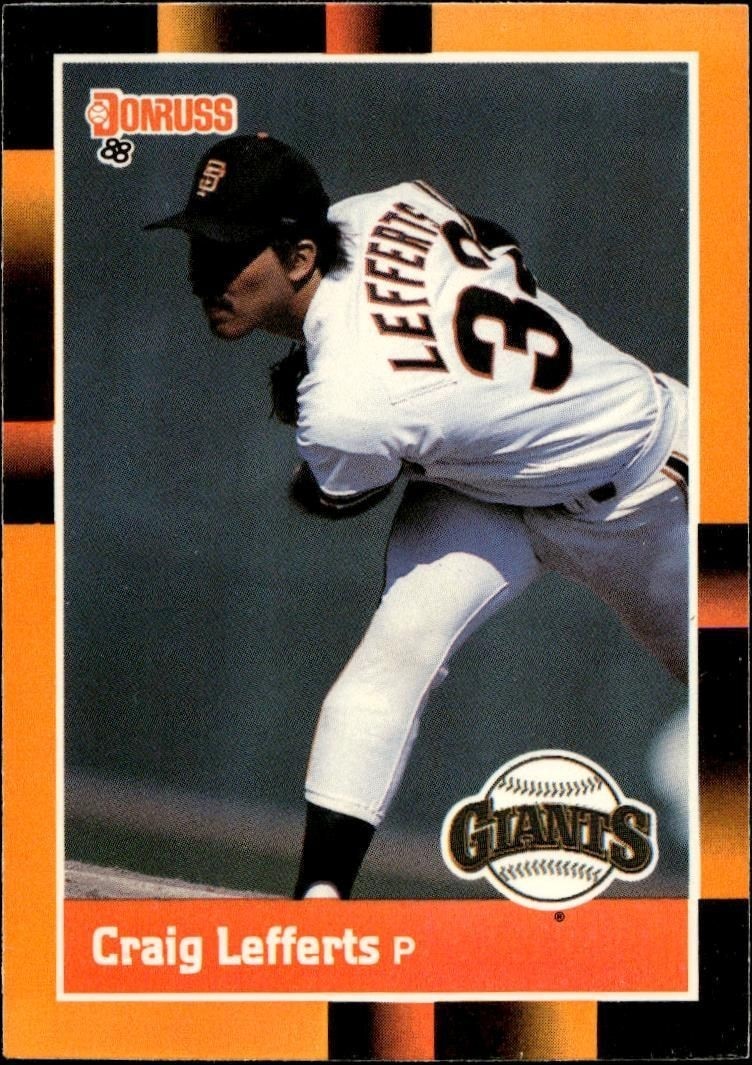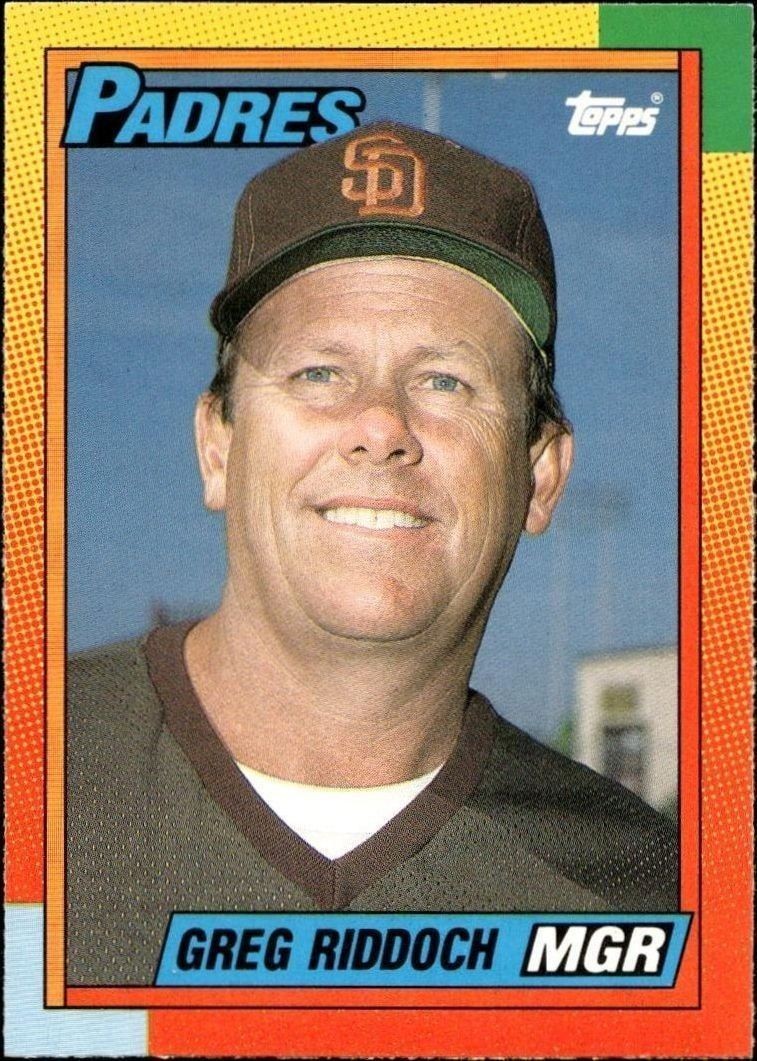
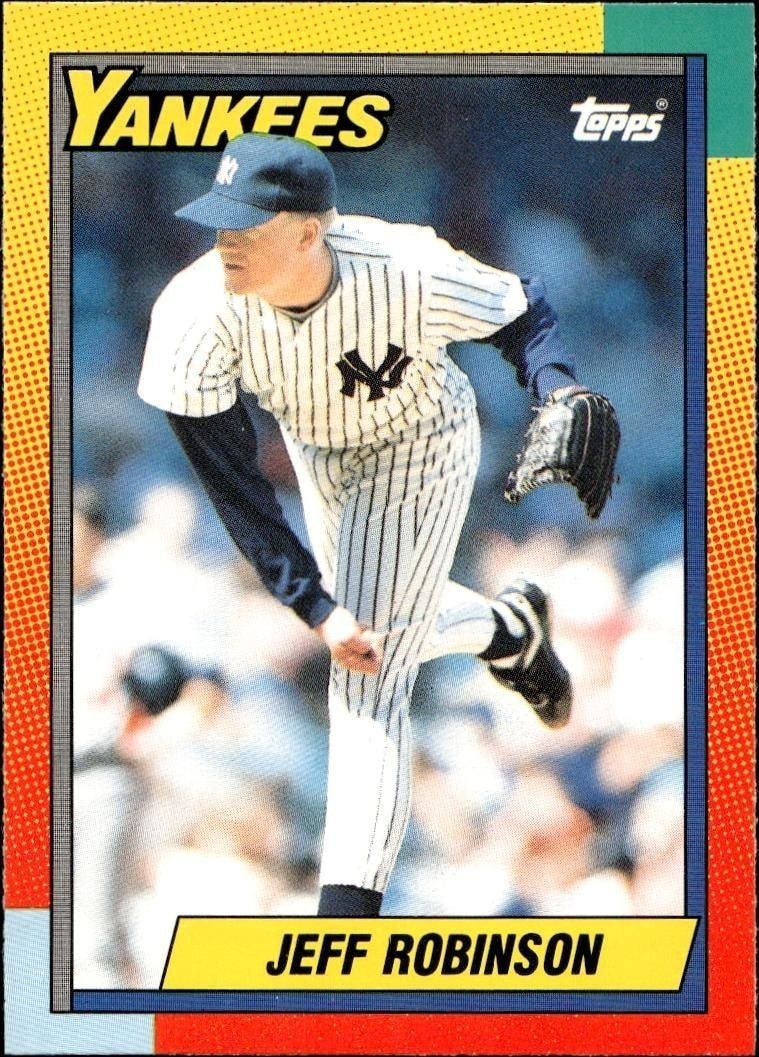


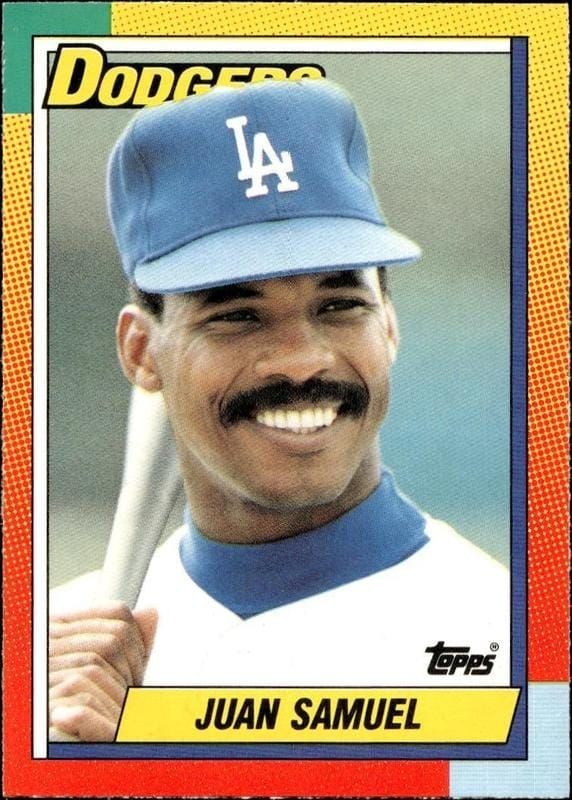
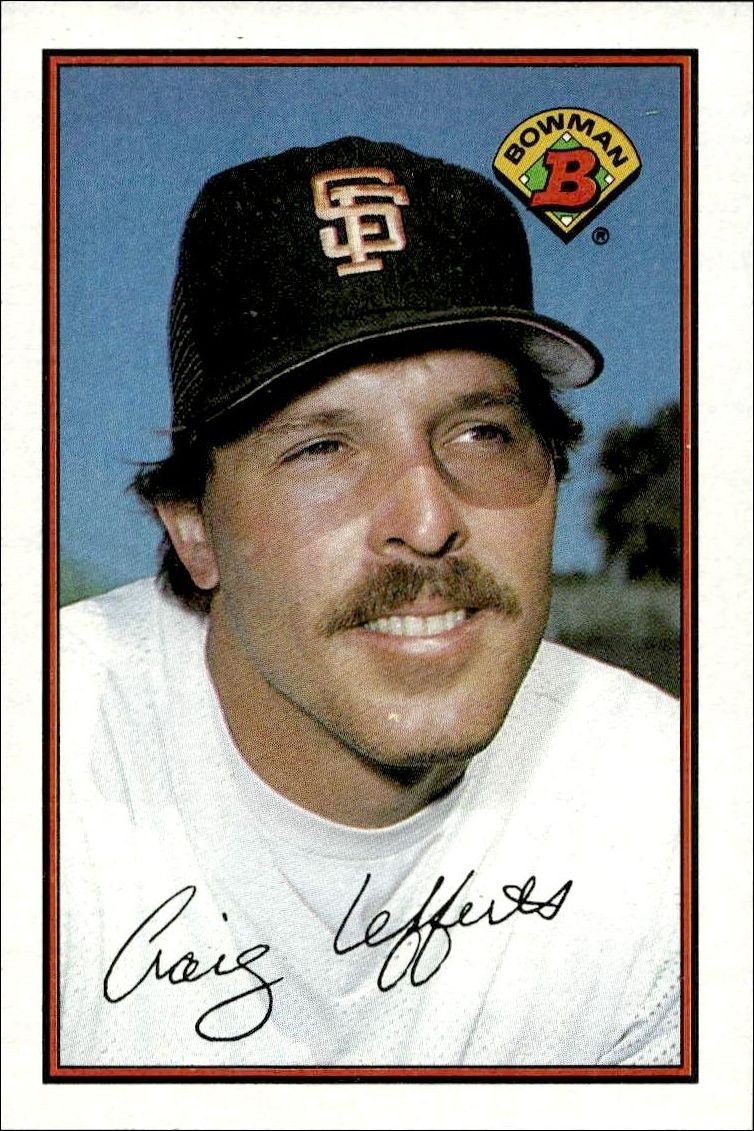
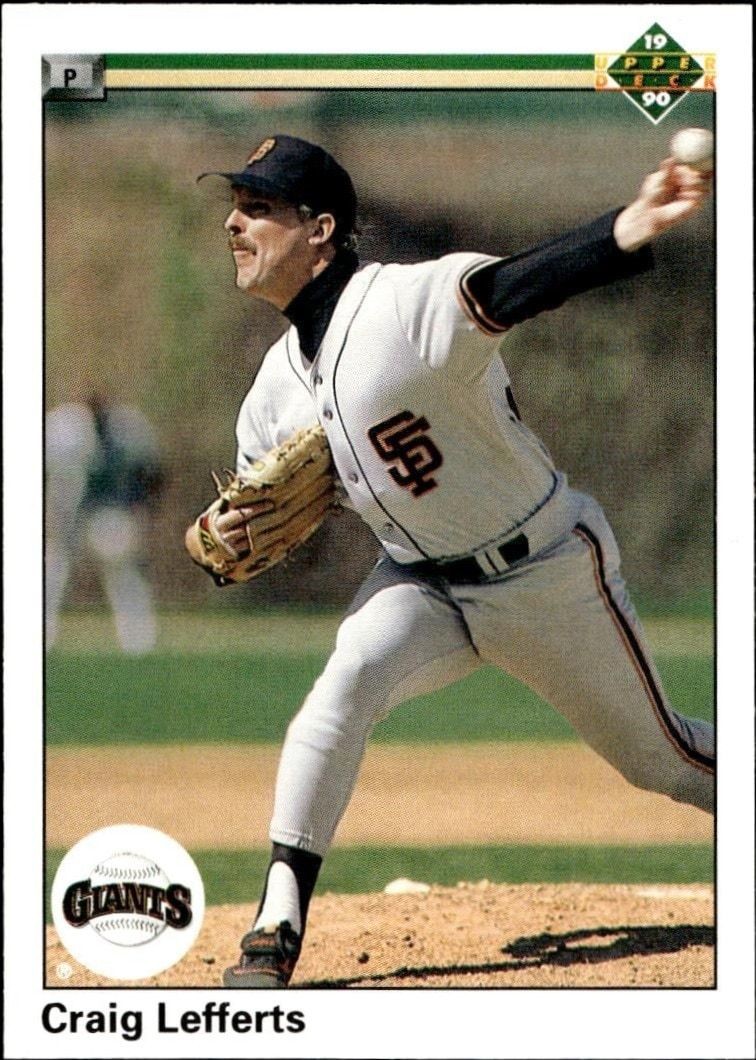
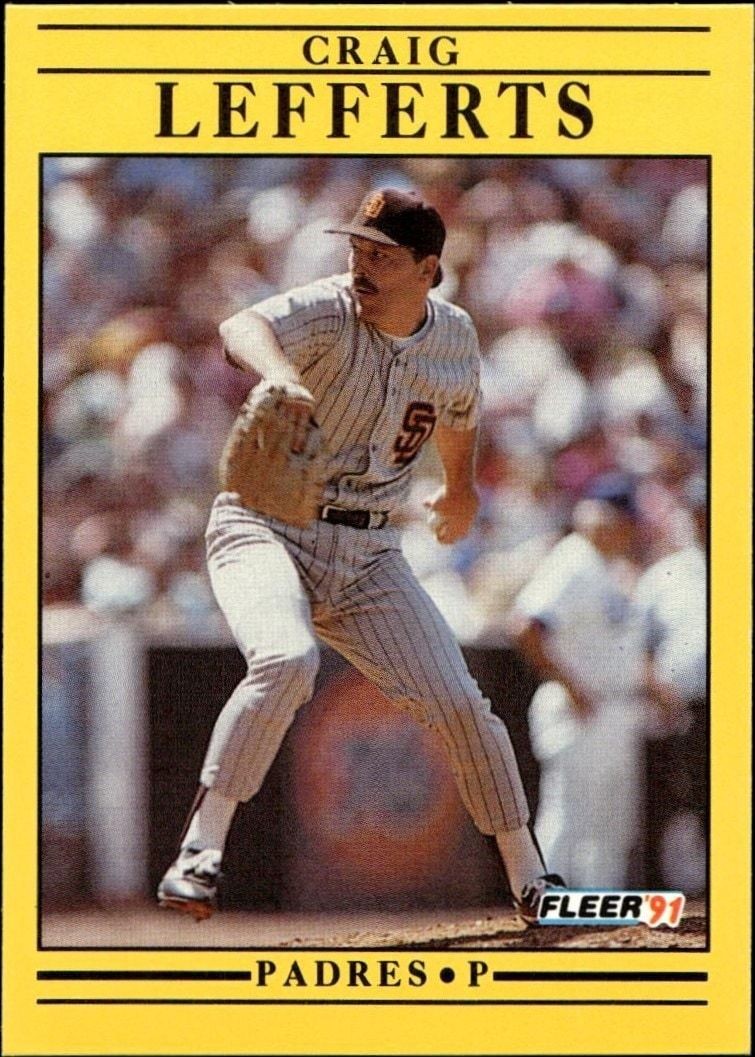
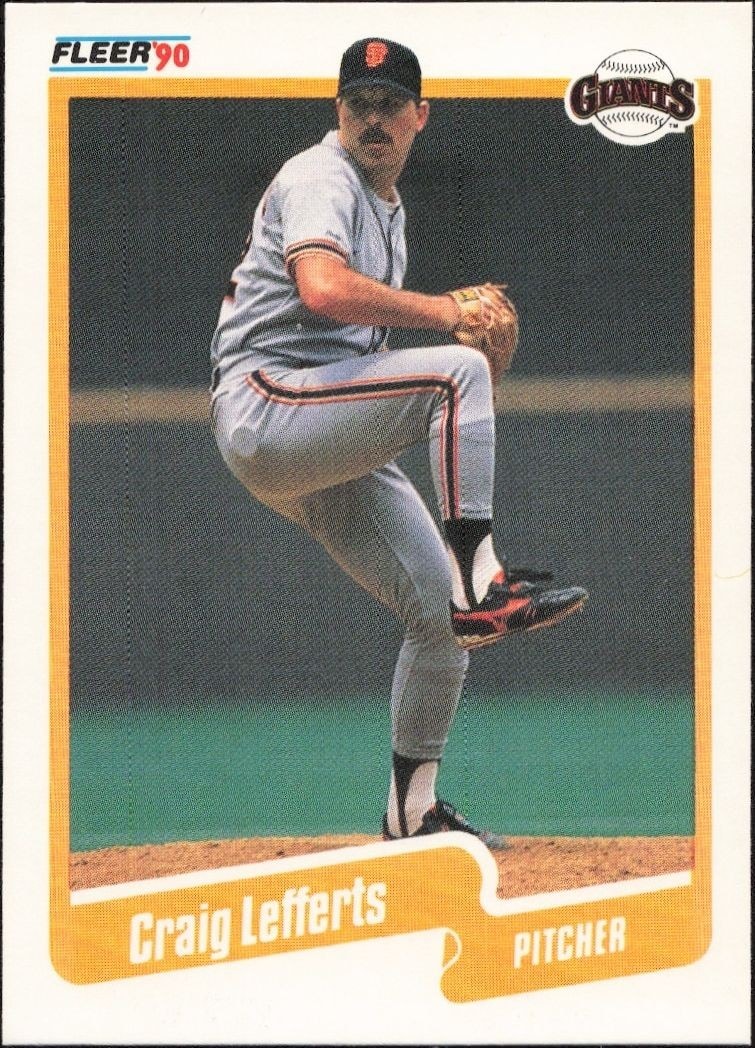
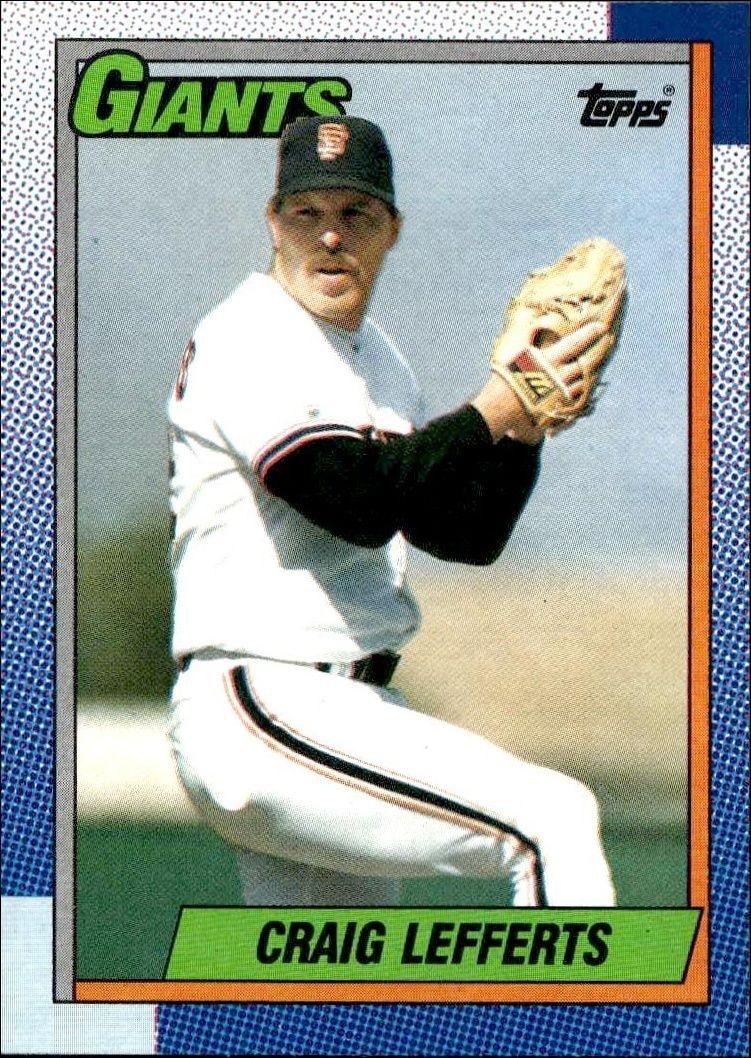
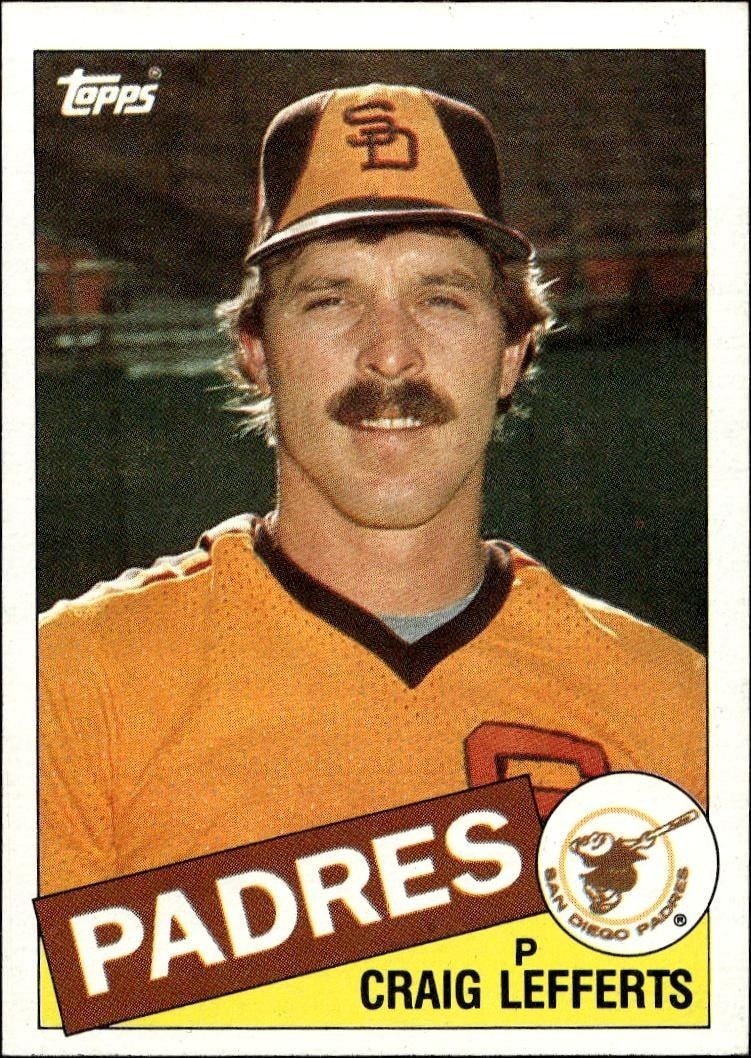

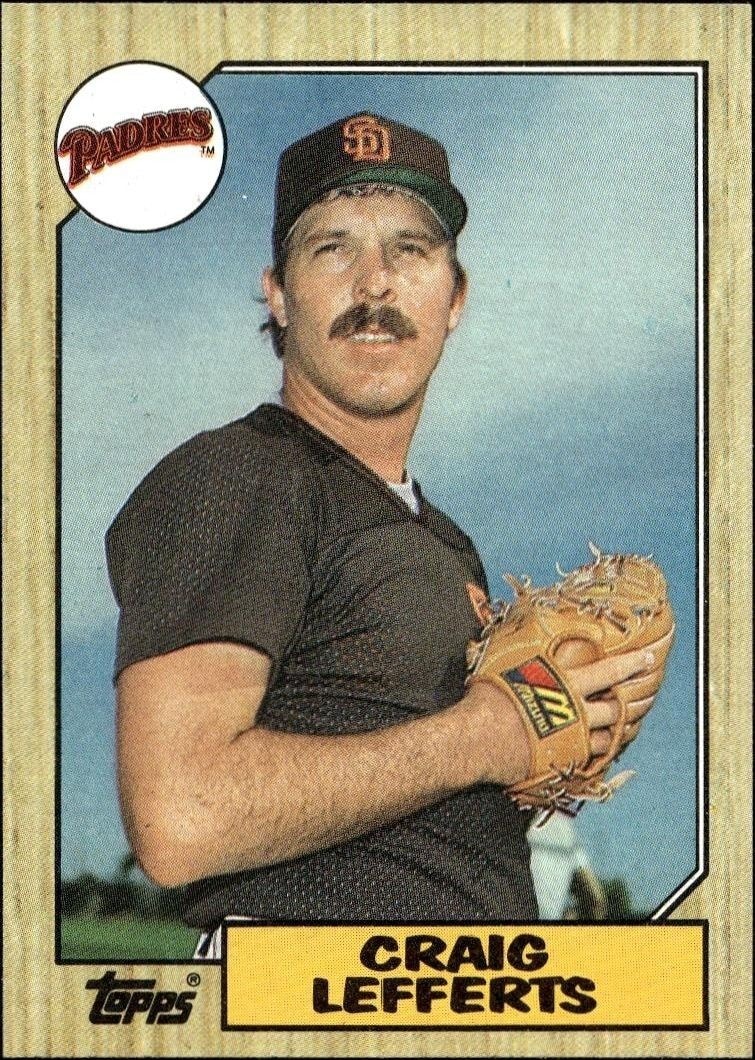

The 1990 Topps Traded Craig Lefferts #59T captures the San Diego Padres reliever during a pivotal era in MLB history, offering collectors a tangible link to 1990s baseball.
1990 • Topps • Traded
Major League Baseball • San Diego Padres
Near Mint
59T
New
Shipping Calculated at Checkout
30-day Returns| Condition | Value | Source | Trend | Price Details |
|---|---|---|---|---|
$1.32 | Guide Estimate | |||
Raw / Ungraded
PriceCharting Price Guide · Guide Estimate evidence · captured Oct 18, 2026
History is building. At least two days of matching observations are needed to show a trend.
Each point is the last stored observation that day for this printing, condition, grader, autograph status and source. Gaps mean no observation; guide estimates and asking prices are not completed sales.The 1990 Topps Traded Craig Lefferts #59T stands as a notable entry in the history of baseball card collecting, representing a specific moment in the career of the San Diego Padres relief pitcher. Released in 1990, this card is part of the Topps Traded series, a supplemental release that followed the main Topps baseball set to capture mid-season roster changes and new rookie debuts. For collectors focused on the 1990 MLB season, this card provides essential context regarding the San Diego Padres' roster composition during that year. Craig Lefferts was a established presence in the bullpen for the Padres, making his appearance in the Traded series a significant detail for fans and historians of the franchise. The card itself is identified by the number 59T, a convention used by Topps to distinguish traded inserts from the base set. Collectors often seek this card to complete their 1990 Topps Traded sets, which are popular for their comprehensive coverage of the league's active players. Whether you are a dedicated Padres fan, a historian of the 1990 MLB season, or a generalist collector of vintage baseball cards, the 1990 Topps Traded Craig Lefferts #59T offers a valuable addition to any collection. It serves as a reminder of the vibrant era of baseball where Topps dominated the market and every traded card held potential for discovery. The card's enduring appeal lies in its connection to a specific team, player, and time period, making it a relevant piece for those who appreciate the depth of baseball's rich history.
3 days ago
We'll pre-fill the product details from this catalog entry, so your listing lands on this exact page. Just add photos of your copy, pick its condition, and set your price.
The catalog profile below summarizes the card identity, featured subject, and notable collectible traits.
The core identity of the card within the set.
The subject, team, league, and sport context tied to this card.
Production details and format-specific attributes.
Material
Card Stock
Language
English
Compare prices, grades, photos, and shipping from approved sellers.
New
Near Mint
See how many public collections currently include this card.
0 collectors have this card
This card represents a value-tier entry point for Craig Lefferts collectors, reflecting his role as a journeyman pitcher rather than a franchise cornerstone. The current pricing indicates it trades well below the premium tier associated with his team's star players or Hall of Fame peers from the 1990s. Demand is steady but limited, keeping the asset accessible for casual collectors looking to complete a set without significant capital outlay.
As a standard base card within the 1990 Topps Traded set, this item does not carry inherent scarcity mechanics such as serial numbering, short-print status, or parallel variants. Supply is determined entirely by the original print run, which was high for base cards of this era, resulting in widespread availability in the secondary market. The lack of unique identifiers means condition grade is the primary differentiator for value among identical copies.
The investment potential is constrained by the card's position as a non-rookie, base set item from a mid-tier player. Collector demand is driven primarily by set completion needs rather than speculation on career legacy or future appreciation. While stable, the asset is unlikely to command significant premiums unless a pristine example emerges, making it a low-risk hold for diversification rather than a growth-oriented investment.