




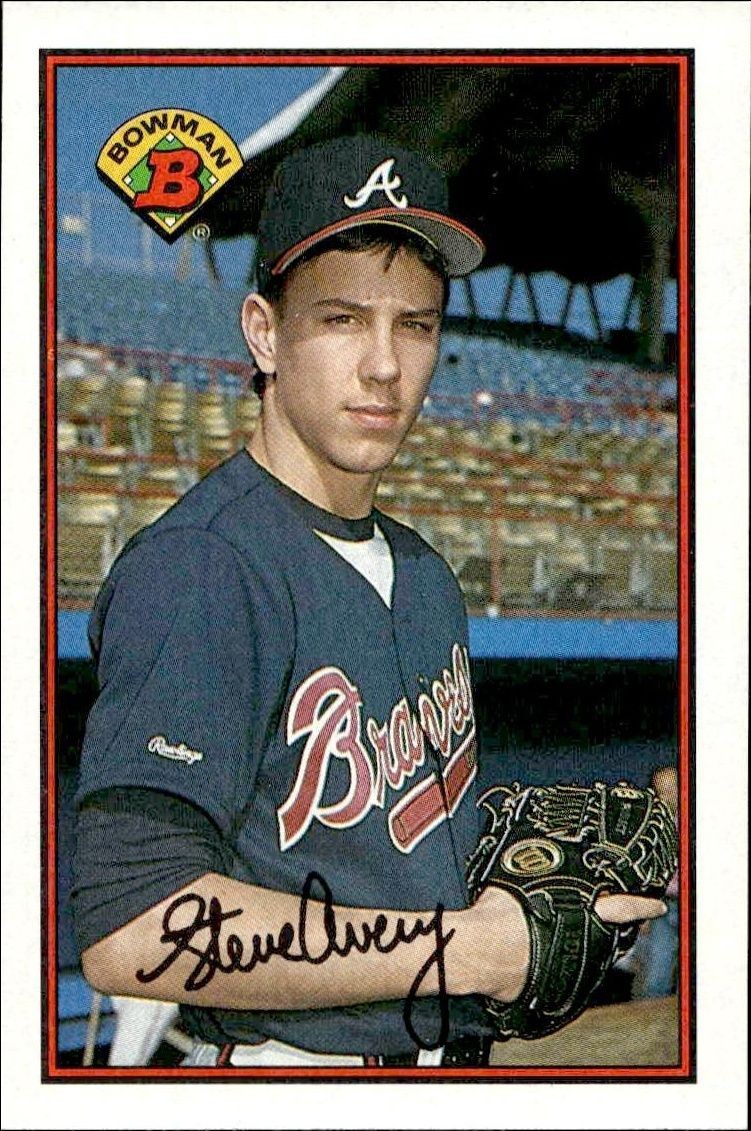
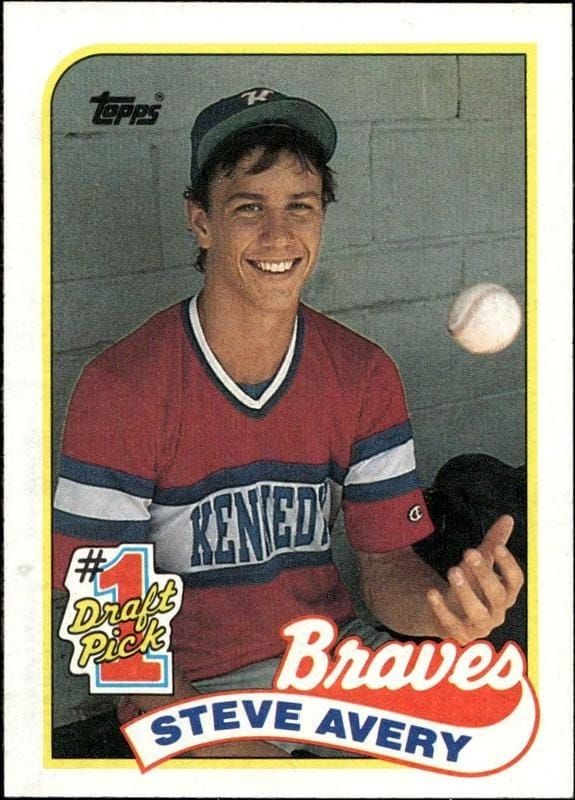
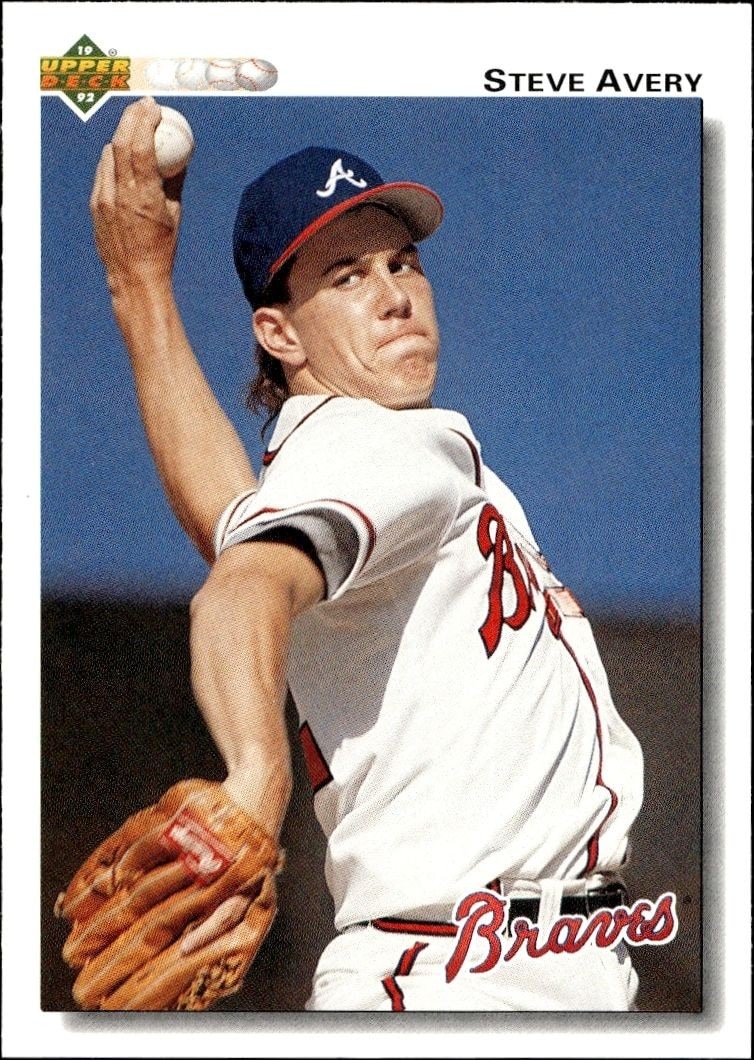

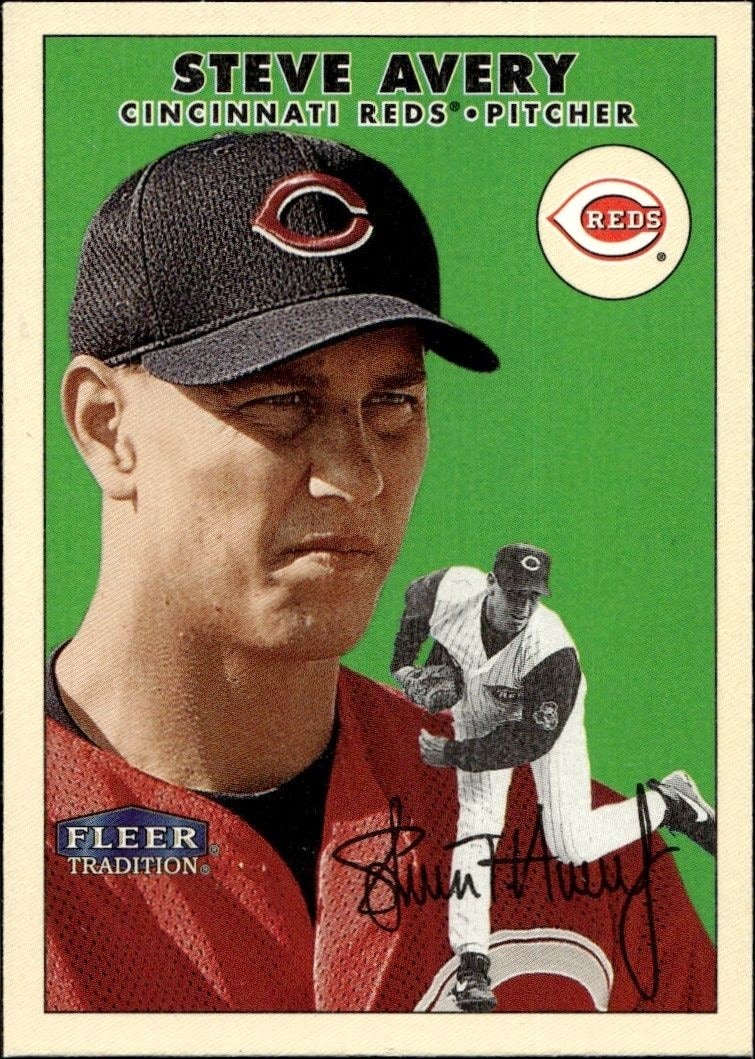
The 1990 Topps Traded Steve Avery #4T rookie card offers collectors a definitive piece of Atlanta Braves history. This product covers all available copies of this vintage MLB baseball card.
1990 • Topps • Traded
Major League Baseball • Atlanta Braves
Near Mint
4T
New
Shipping Calculated at Checkout
30-day Returns| Condition | Value | Source | Trend | Price Details |
|---|---|---|---|---|
$1.49 | Guide Estimate | |||
$12.70 | Guide Estimate | |||
$23.00 | Guide Estimate | |||
$39.42 | Guide Estimate | |||
$133.00 | Guide Estimate | |||
$61.00 | Guide Estimate | |||
$102.11 | Guide Estimate | |||
$61.00 | Guide Estimate | |||
Raw / Ungraded
PriceCharting Price Guide · Guide Estimate evidence · captured Oct 17, 2026
History is building. At least two days of matching observations are needed to show a trend.
Each point is the last stored observation that day for this printing, condition, grader, autograph status and source. Gaps mean no observation; guide estimates and asking prices are not completed sales.The 1990 Topps Traded Steve Avery #4T rookie card stands as a significant entry for collectors focused on Atlanta Braves history and 1990s baseball memorabilia. This card, numbered 4T, captures a pivotal moment in the franchise's development during the early 1990s. The Traded series provides an alternative to the base set, featuring players who were promoted or acquired after the initial release. For those interested in the Atlanta Braves, this card represents the early career phase of a pitcher who would go on to have a notable impact in the National League. The enduring appeal of vintage rookie cards lies in their connection to player origins and team legacies. Steve Avery's inclusion in the Topps Traded lineup offers a tangible link to that era of baseball. Whether you are a dedicated Braves fan, a vintage sports card enthusiast, or an investor looking at historical market trends, this catalog page serves as a central hub for finding copies of this release. The 1990 Topps Traded set remains a staple for those valuing the aesthetic and historical significance of early 90s baseball card design. Exploring the various conditions and grades available helps collectors find the right piece for their specific needs, ensuring that every copy of the #4T Steve Avery card is appreciated for its role in baseball history.
8 hours ago
We'll pre-fill the product details from this catalog entry, so your listing lands on this exact page. Just add photos of your copy, pick its condition, and set your price.
The catalog profile below summarizes the card identity, featured subject, and notable collectible traits.
The core identity of the card within the set.
The subject, team, league, and sport context tied to this card.
Production details and format-specific attributes.
Material
Card Stock
Language
English
Notable collectible traits associated with this card profile.
Compare prices, grades, photos, and shipping from approved sellers.
New
Near Mint
See how many public collections currently include this card.
0 collectors have this card
Steve Avery's 1990 Topps Traded rookie card sits at the lower end of the value spectrum within the early 1990s Braves collector ecosystem, trading well below contemporaries like Chipper Jones or Tom Glavine rookie issues from the same era. The card reflects Avery's peak relevance during Atlanta's dynasty years of the early 1990s, though his career arc — marked by early brilliance and injury-shortened production — limits sustained collector demand. With only one active listing, the market is thin, meaning price discovery is difficult and individual sales can skew perceived value significantly.
As a base card from the 1990 Topps Traded set, this issue carries no serial numbering, limited parallel variants, or short-print designation, placing it firmly in the high-print-run category typical of the junk wax era. Population reports for graded copies are modest but not scarce in the traditional sense — raw copies are abundant, and graded examples do not command meaningful premiums due to the era's overproduction. A PSA 10 or BGS 9.5 would represent the only graded tier worth pursuing for condition-sensitive collectors, as centering and surface quality are the primary differentiators in this set.
Avery's career trajectory — a promising starter who declined sharply after arm injuries and never achieved Hall of Fame consideration — limits long-term appreciation potential for this rookie card. The junk wax era broadly suppresses investment upside for non-superstar players, as supply vastly outpaces collector demand, making meaningful price appreciation unlikely without a significant nostalgia-driven catalyst. Grading submission trends for this card remain low, reflecting the market's consensus that raw copies satisfy most collector needs, and momentum for this issue shows no indicators of a breakout cycle.
