1 / 2
About This Card
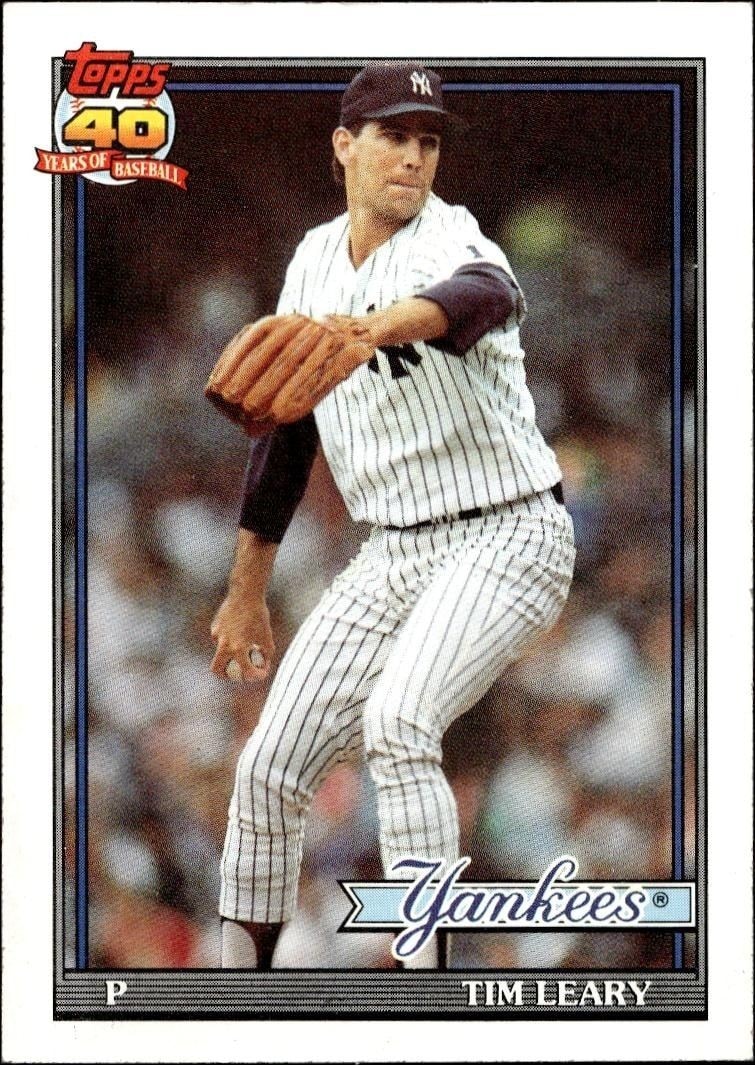
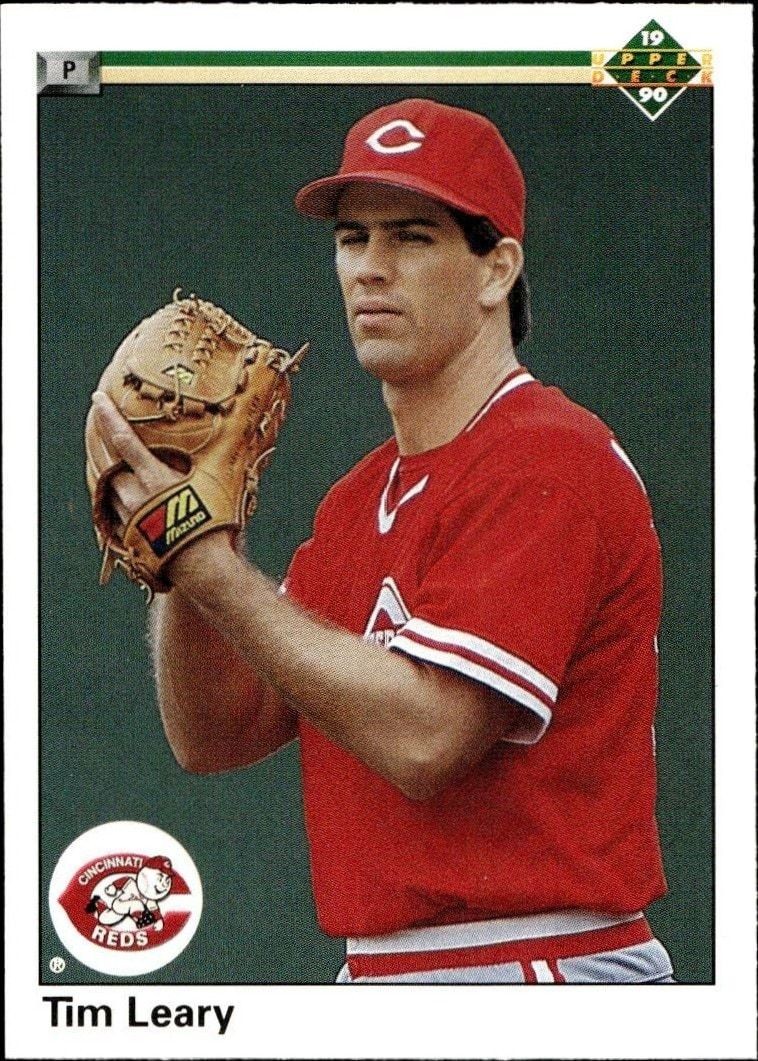
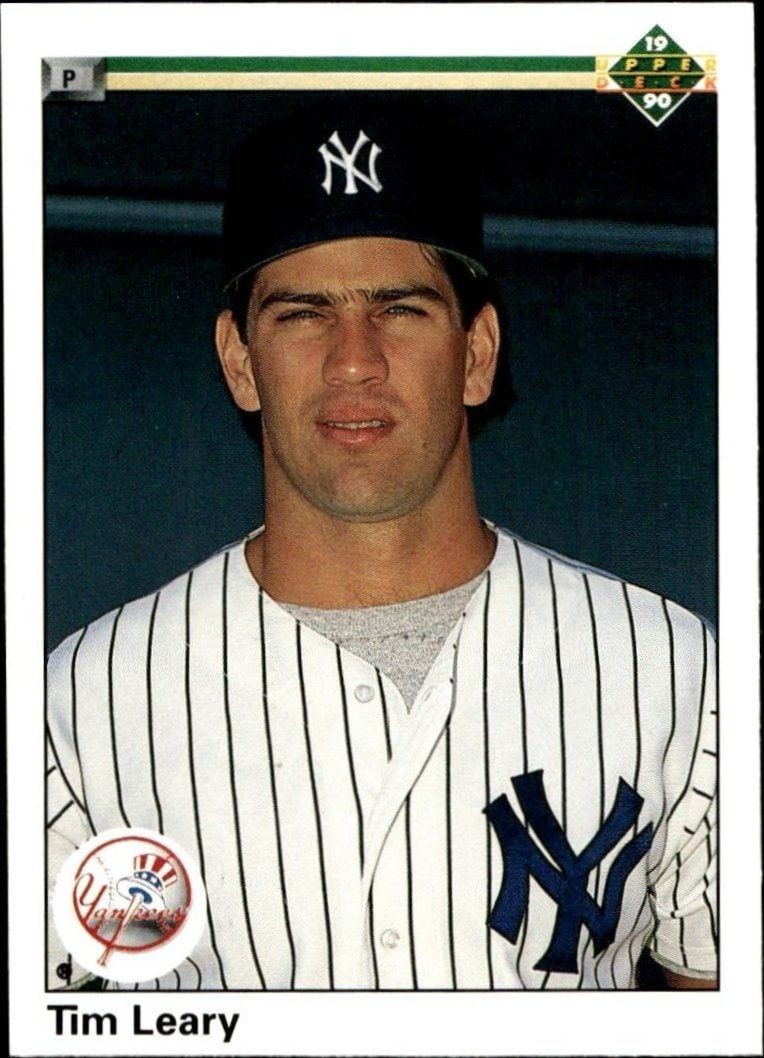
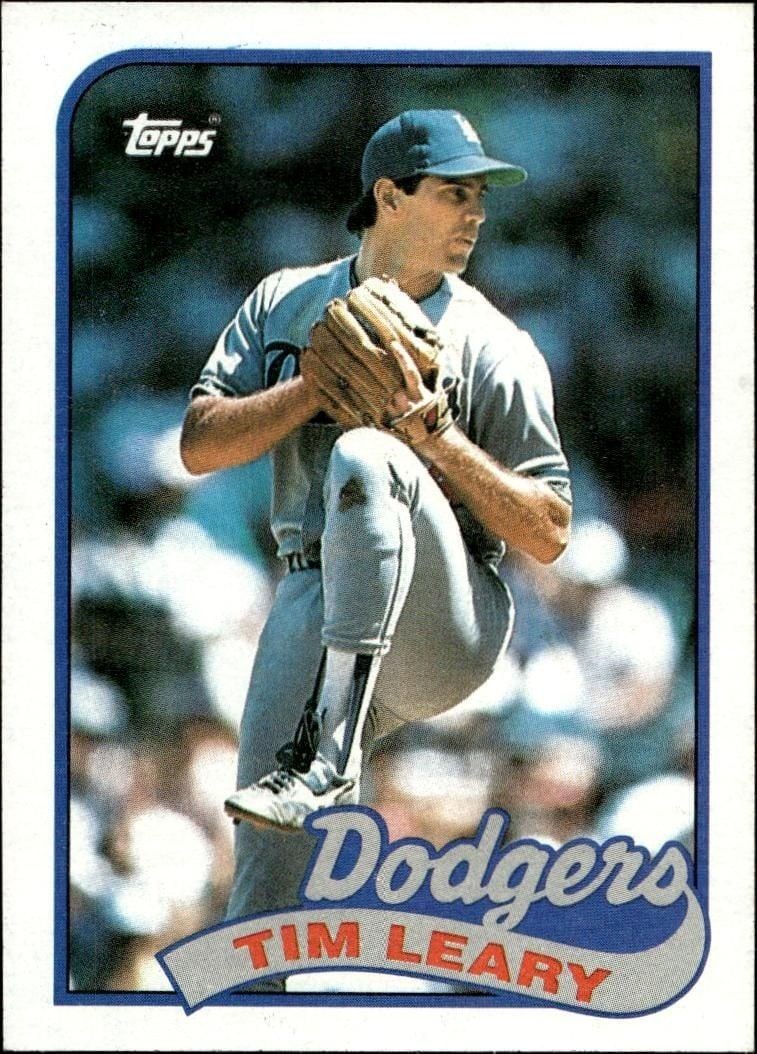
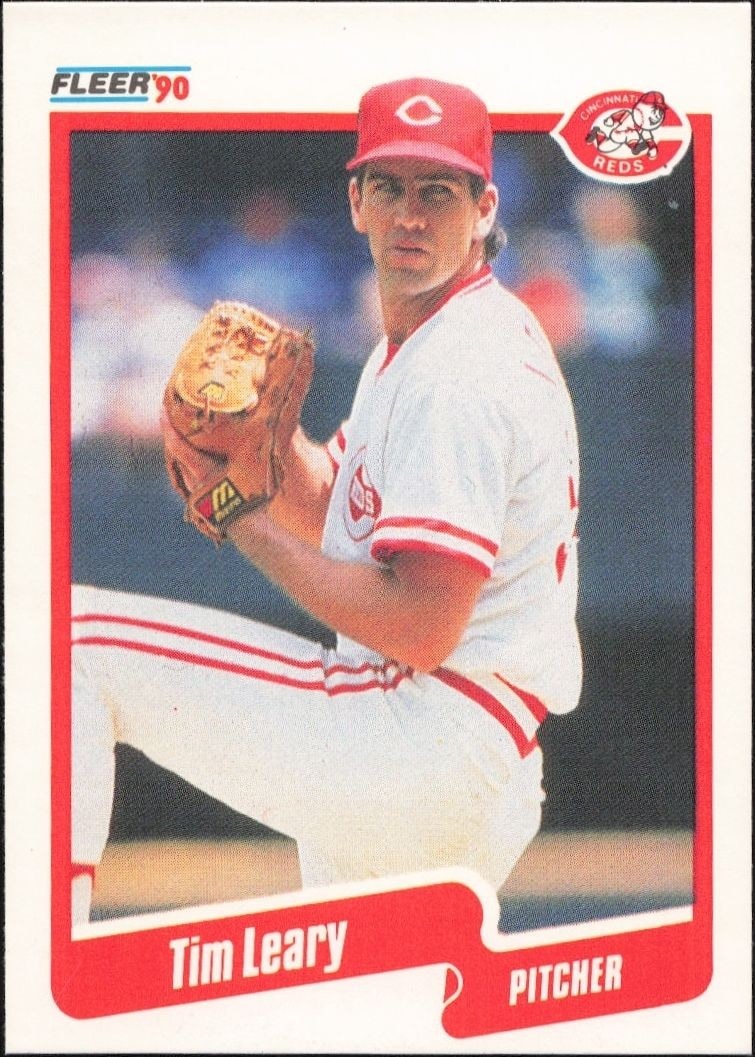
The 1990 Topps Traded Tim Leary #58T is a vintage baseball card featuring the New York Yankees pitcher, offering a specific snapshot of the 1990 trading card landscape for dedicated collectors.
Tim Leary
1990 • Topps • Traded
Major League Baseball • New York Yankees
Seller Offer
1 available$1.99
Raw/Ungraded Market: $1.50
Stale · as of 10/31/2026Condition
Excellent
Card Number
58T
Loading express checkout
Primary Seller
New
Shipping Calculated at Checkout
30-day ReturnsMarket & Price History
Prices Captured Oct 31, 2026
| Condition | Value | Source | Trend | Price Details |
|---|---|---|---|---|
$1.50As of 10/31/2026 | Guide Estimate | 0% | ||
$104.00As of 10/31/2026 | Guide Estimate | 0% | ||
$32.00As of 10/31/2026 | Guide Estimate | 0% | ||
$79.78As of 10/31/2026 | Guide Estimate | 0% | ||
$48.00As of 10/31/2026 | Guide Estimate | 0% | ||
- $1.50As of 10/31/2026
- Source
- Guide Estimate
- Trend
- 0%
- Price Details
- $104.00As of 10/31/2026
- Source
- Guide Estimate
- Trend
- 0%
- Price Details
- $32.00As of 10/31/2026
- Source
- Guide Estimate
- Trend
- 0%
- Price Details
- $79.78As of 10/31/2026
- Source
- Guide Estimate
- Trend
- 0%
- Price Details
- $48.00As of 10/31/2026
- Source
- Guide Estimate
- Trend
- 0%
- Price Details
30-day Price History
Raw / Ungraded
PriceCharting Price Guide · Guide Estimate evidence · captured Oct 31, 2026
Product Overview
Description
The 1990 Topps Traded Tim Leary #58T represents a specific moment in the history of sports trading cards, capturing the New York Yankees pitcher during a pivotal year in baseball. As part of the 1990 Topps Traded series, this release provides collectors with an alternative view to the base set, often featuring players who had notable performances or transactions earlier in the season. For enthusiasts of vintage baseball memorabilia, this card serves as a tangible connection to the era, allowing fans to track the career trajectory of athletes who defined the early 1990s game. Collectors of New York Yankees history often seek out cards from this period to complete their archives. The #58T designation places this card within the Traded subset, which was distributed later in the year and included updates on player movements and performance. Owning a copy of the 1990 Topps Traded Tim Leary #58T allows a collector to diversify their portfolio with a distinct parallel to the standard issue, highlighting the depth of the 1990 Topps product line. Whether you are building a comprehensive collection of Yankees players or focusing on the broader landscape of 1990s baseball cards, this release offers a unique piece of sports history. The card stands as a testament to the enduring appeal of vintage trading cards, where each issue provides a window into the past. The 1990 Topps Traded Tim Leary #58T is more than just a piece of cardboard; it is a record of a player's journey and a chapter in the ongoing story of the sport. For those who appreciate the nostalgia and detail of vintage baseball cards, this product remains a valuable addition to any collection, bridging the gap between the past and the present of sports collecting.
Last Listing Activity
11/1/26
Seller Action
Have one of these to sell?
We'll pre-fill the product details from this catalog entry, so your listing lands on this exact page. Just add photos of your copy, pick its condition, and set your price.
Product Specs
Card Details
The catalog profile below summarizes the card identity, featured subject, and notable collectible traits.
Catalog Profile
The core identity of the card within the set.
Featured Subject
The subject, team, league, and sport context tied to this card.
Print Details
Production details and format-specific attributes.
Material
Card Stock
Language
English
Available Offers
Available Offer for This Card (1)
Compare prices, grades, photos, and shipping from approved sellers.
Featured Offer
New
Condition
Excellent
Seller PriceShipping Extra
$1.99
Collector Ownership
Owned by Collectors
See how many public collections currently include this card.
0 collectors have this card
SuperCatch Expert Analysis
Market Value Insight
This 1990 Topps Traded Tim Leary card sits at the lower end of the market value spectrum, reflecting its status as a non-rookie, non-star issue from a high-volume production era. While the New York Yankees affiliation provides a baseline of recognition, the absence of special attributes means it trades similarly to common base cards from the same year, with current pricing indicating modest collector interest. The single active listing suggests a thin market, meaning liquidity may be limited despite the low entry price.
Rarity Breakdown
The card possesses no scarcity mechanics, as it is a standard base issue without serial numbering, short-print designation, or parallel treatment. This lack of unique attributes means the supply is determined entirely by the original print run, which was substantial for mainstream Topps releases in 1990. Consequently, the card remains widely available in ungraded and raw conditions, offering no inherent scarcity premium over other common cards in the set.
Investment Outlook
As a non-rookie card for a player who is not currently an active star, the investment outlook is limited to niche Yankees memorabilia collectors rather than broad market demand. The card's value is unlikely to appreciate significantly due to the lack of scarcity drivers or rookie-card premium mechanics that typically fuel long-term growth. It serves best as an affordable addition for complete set builders rather than a standalone investment piece.
AI-Generated Editorial Analysis
FAQ
Frequently Asked Questions
What is the significance of the Traded subset in 1990 Topps?
The Traded subset was issued later in the 1990 season to include updates on players who had been traded or had significant mid-season achievements. It serves as a companion to the base set, offering collectors a different set of images and card numbers to complete their collection.
Who is Tim Leary in the context of this card?
Tim Leary is a former professional baseball pitcher who played for the New York Yankees. This card features him during his tenure with the team, making it a relevant item for fans of Yankees history and vintage baseball memorabilia.
How do collectors typically value vintage 1990 Topps cards?
The value of vintage 1990 Topps cards depends on factors such as condition, rarity, and player demand. Cards from this era are sought after by collectors who appreciate the nostalgic design and historical significance of the 1990s baseball card market.