Guide Estimate: $0.98. Evidence date not available.
Asking Prices: $1.49. Evidence date: Oct 2, 2026.Lowest observed item price: $0.99; shipping and tax excluded.Lowest observed item plus quoted shipping: $1.49, among 8 offers with known shipping; tax excluded.
Asking prices are unsold offers, not completed sales. Repeated observations do not establish additional buyer demand.Limited market evidence. Treat this estimate as a reference point.
Over the last 30 days, stored prices ranged from $1.48 to $1.49 across 2 capture days. Change between Sep 15, 2026 and Oct 2, 2026: 0.7%. Compares the same source, grade and signed status. Capture days are not completed-sale counts.
$1.49
Source
Asking Prices
Trend
+0.7%
Price Details
Based on eBay Active Listings · 9 observations
Estimate: $1.49, based on Asking Prices.
Guide Estimate: $0.98. Evidence date not available.
Asking Prices: $1.49. Evidence date: Oct 2, 2026.Lowest observed item price: $0.99; shipping and tax excluded.Lowest observed item plus quoted shipping: $1.49, among 8 offers with known shipping; tax excluded.
Asking prices are unsold offers, not completed sales. Repeated observations do not establish additional buyer demand.Limited market evidence. Treat this estimate as a reference point.
Over the last 30 days, stored prices ranged from $1.48 to $1.49 across 2 capture days. Change between Sep 15, 2026 and Oct 2, 2026: 0.7%. Compares the same source, grade and signed status. Capture days are not completed-sale counts.
30-day Price History
Raw / Ungraded
eBay Active Listings · Asking Prices evidence · captured Oct 2, 2026
Each point is the last stored observation that day for this printing, condition, grader, autograph status and source. Gaps mean no observation; guide estimates and asking prices are not completed sales.
Product Overview
Description
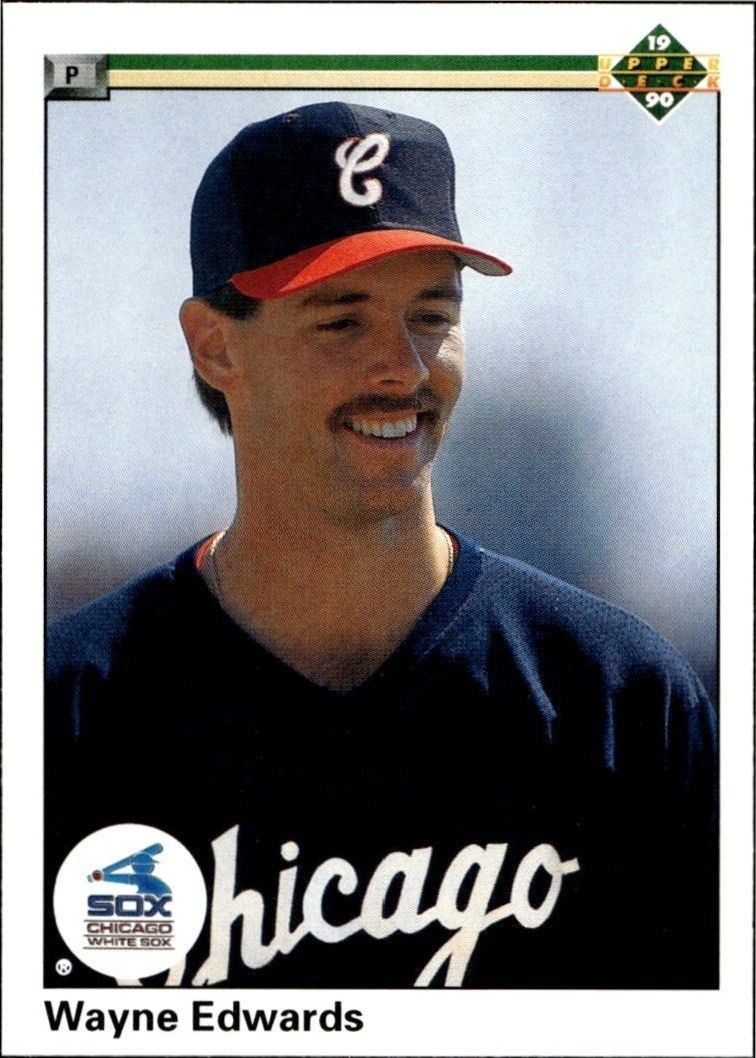
The 1990 Topps Traded series represents a pivotal moment in sports card collecting, offering an updated look at the 1989-1990 baseball season. This release, designated as card number 27T, features Wayne Edwards, who was associated with the Chicago White Sox during that period. The Traded series is widely recognized among hobbyists for capturing roster changes and new faces that appeared after the initial base set launch, making these cards essential for comprehensive collection builders.
Wayne Edwards' appearance in this 1990 Topps Traded checklist provides collectors with a tangible connection to the team's lineup during a dynamic era in baseball history. For many enthusiasts, acquiring cards from this subset is a key part of completing their set of the 1990 Topps Traded series. The card serves as a historical record of Edwards' tenure with the Chicago White Sox, preserving his image and statistics for future generations of fans.
Collectors often seek out cards like #27T to fill gaps in their 1990s Topps collections or to specialize in players from specific franchises. The distinct branding and design language of the Topps brand make this card instantly recognizable to anyone familiar with the hobby. Whether you are a long-time fan of the Chicago White Sox or a dedicated assembler of 1990s baseball memorabilia, this card offers a valuable addition to your portfolio. It stands as a testament to the enduring appeal of physical trading cards from the early 1990s, a time when the hobby was experiencing significant growth and diversification. By focusing on the identity of the card, the set, and the player, collectors can appreciate the historical context without relying on speculative market trends.
Last Listing Activity
3 days ago
Seller Action
Have one of these to sell?
We'll pre-fill the product details from this catalog entry, so your listing lands on this exact page. Just add photos of your copy, pick its condition, and set your price.
Product Specs
Card Details
The catalog profile below summarizes the card identity, featured subject, and notable collectible traits.
See how many public collections currently include this card.
0 collectors have this card
SuperCatch Expert Analysis
Market Value Insight
This 1990 Topps Traded card of Wayne Edwards sits at the lower end of the market value spectrum, reflecting his status as a less prominent figure within the Chicago White Sox roster of that era. While it trades at a modest premium over raw base issues due to the Traded set's secondary market appeal, it lacks the significant price tier elevation seen with star players. The current active listings suggest a thin market, indicating that while demand exists, it is not robust enough to drive substantial price appreciation.
Rarity Breakdown
The card possesses no special scarcity attributes such as serial numbering, short prints, or parallel finishes, meaning it is a standard base insert within the Traded set. Supply is determined entirely by the original print run of the 1990 Topps Traded series, which was mass-produced for the general hobby. Consequently, the card faces no artificial supply constraints, and its rarity is identical to other non-premium base cards from the same product.
Investment Outlook
As a non-rookie card from a major brand, this item relies on niche collector interest in the Chicago White Sox or the 1990 Topps Traded set specifically. The lack of rookie status or special parallel designation limits its potential for long-term value growth compared to key card issues. Investors should view this as a low-risk, low-reward addition to a set collection rather than a standalone investment vehicle with significant upside.