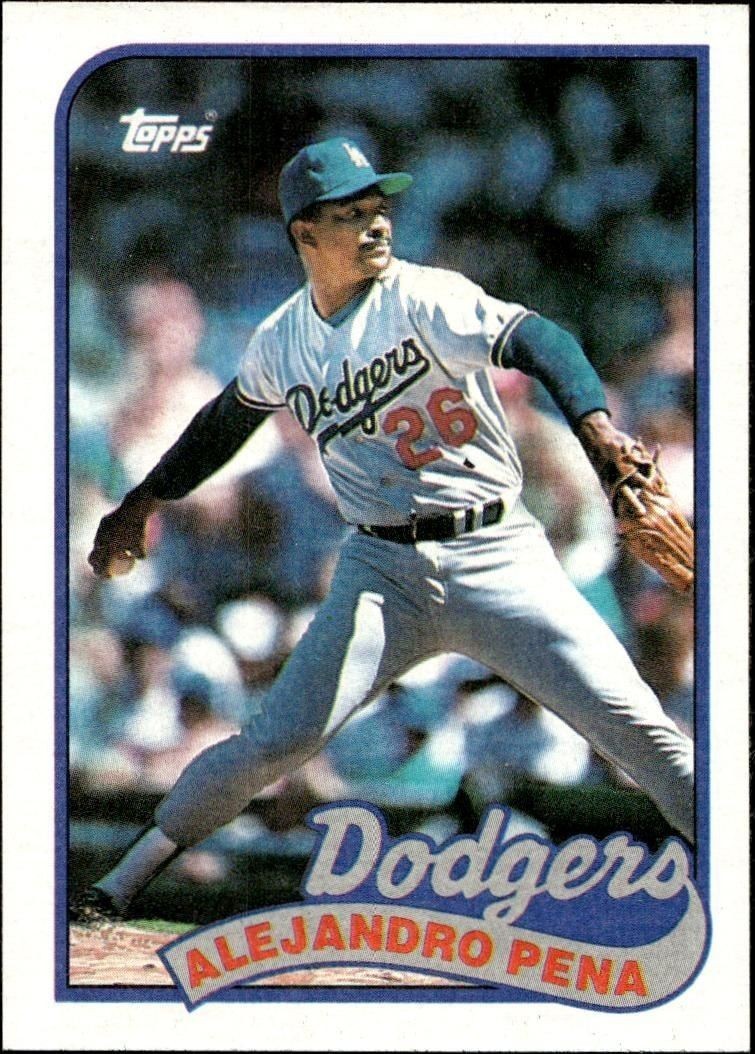
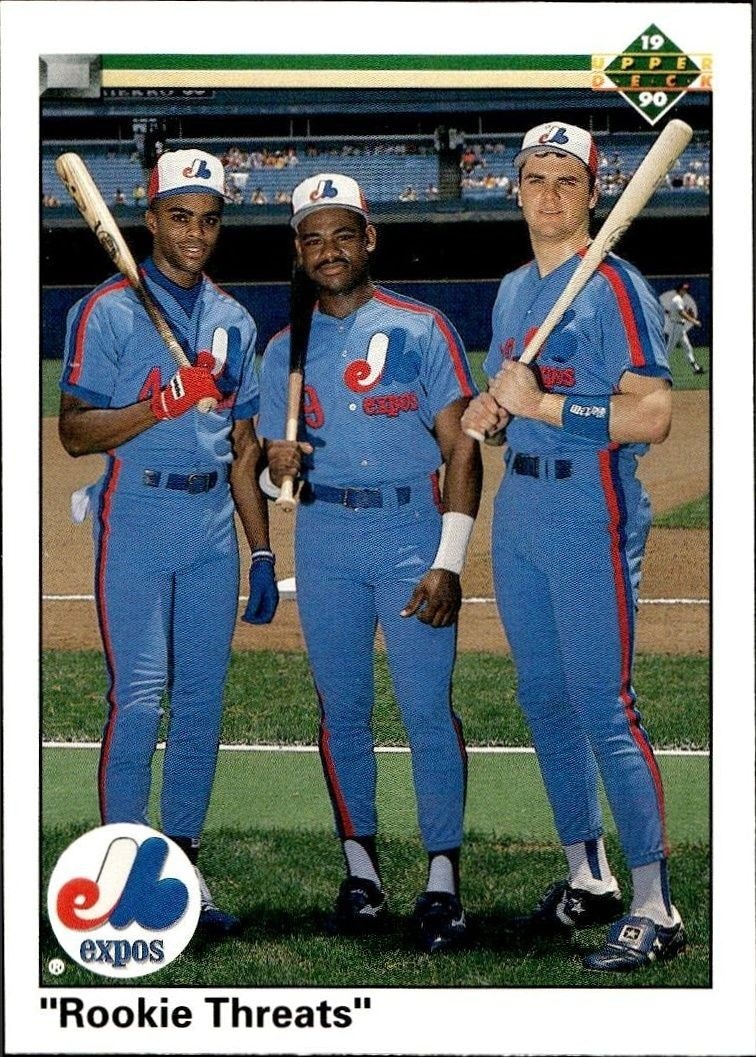





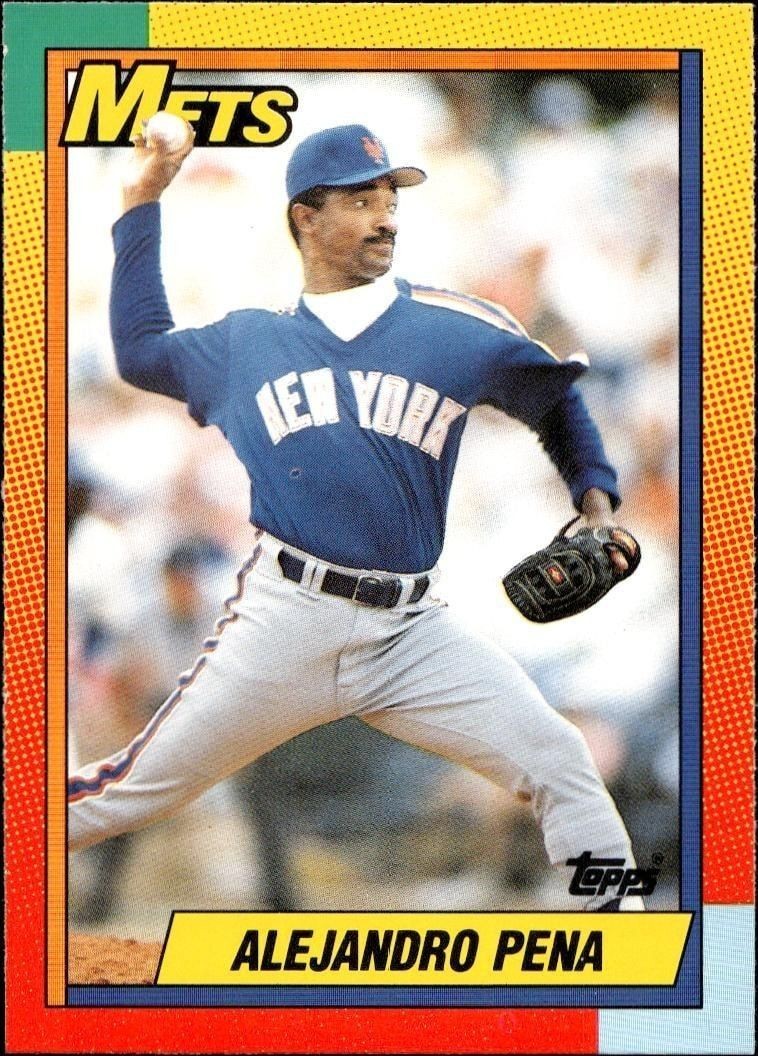
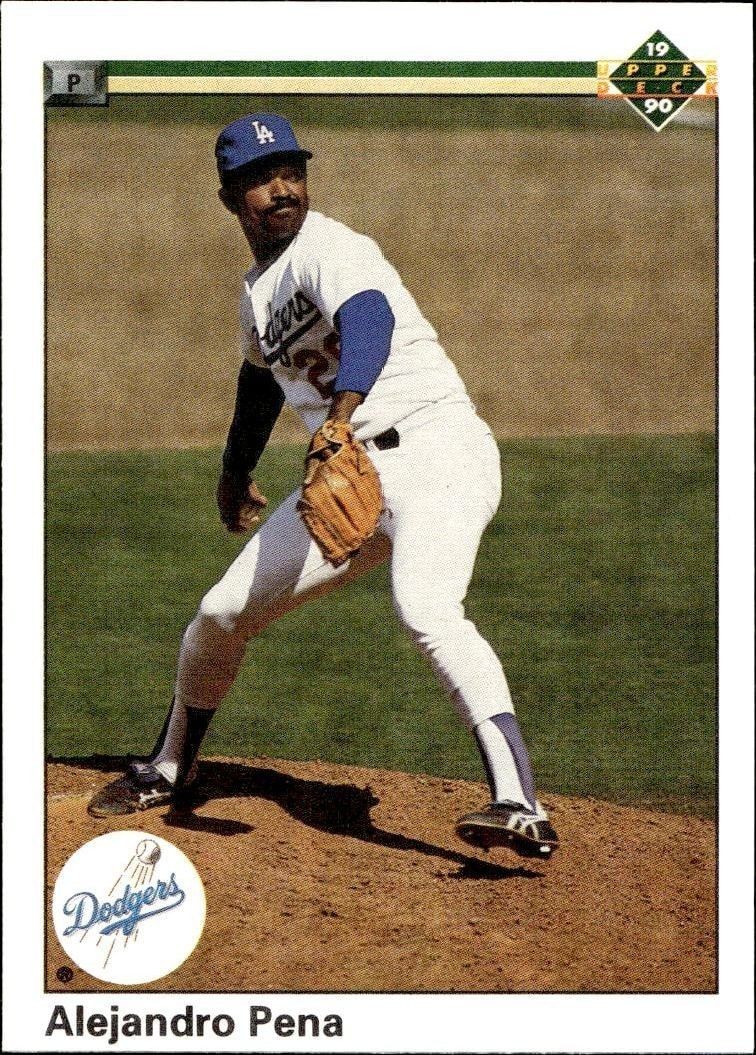

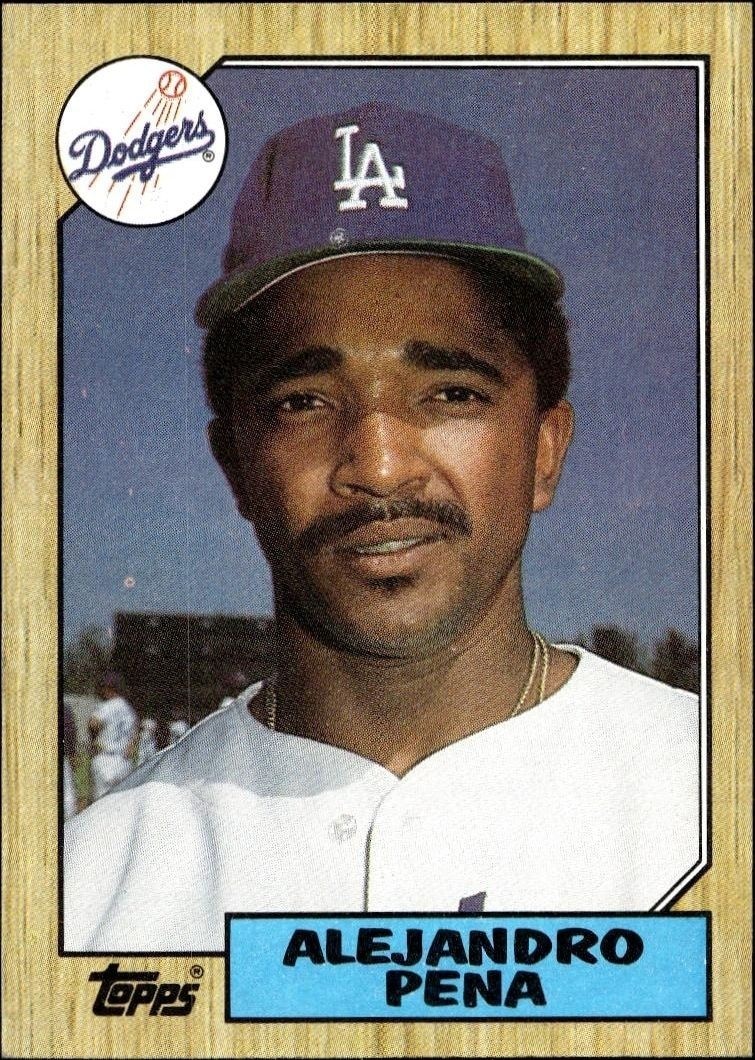
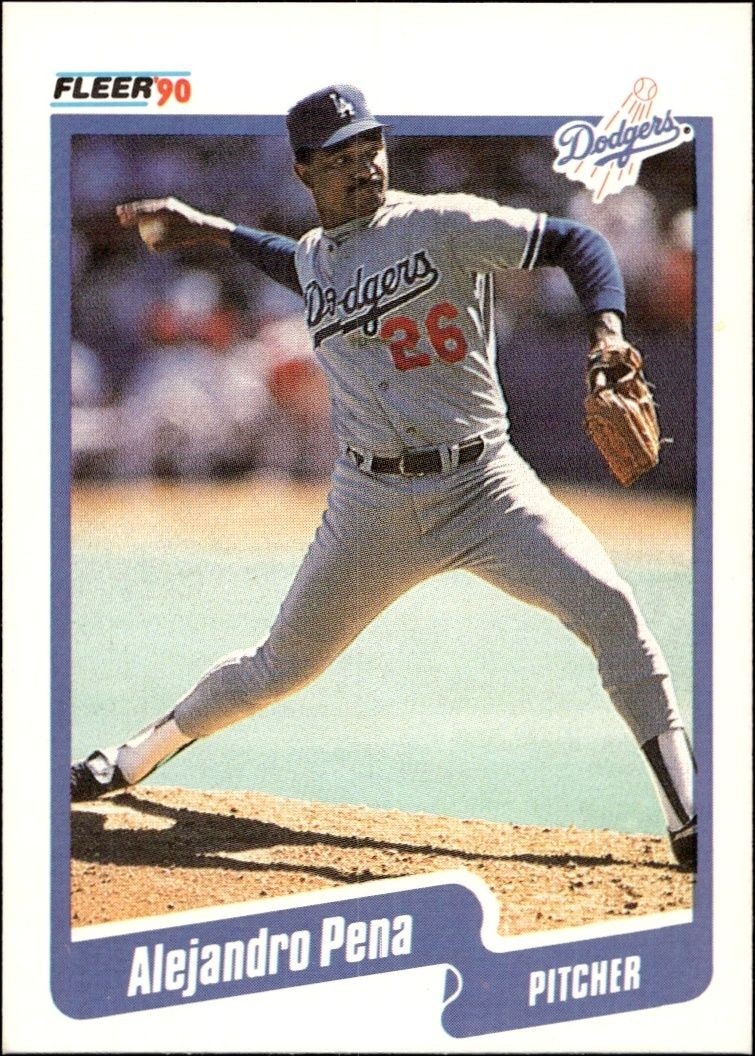

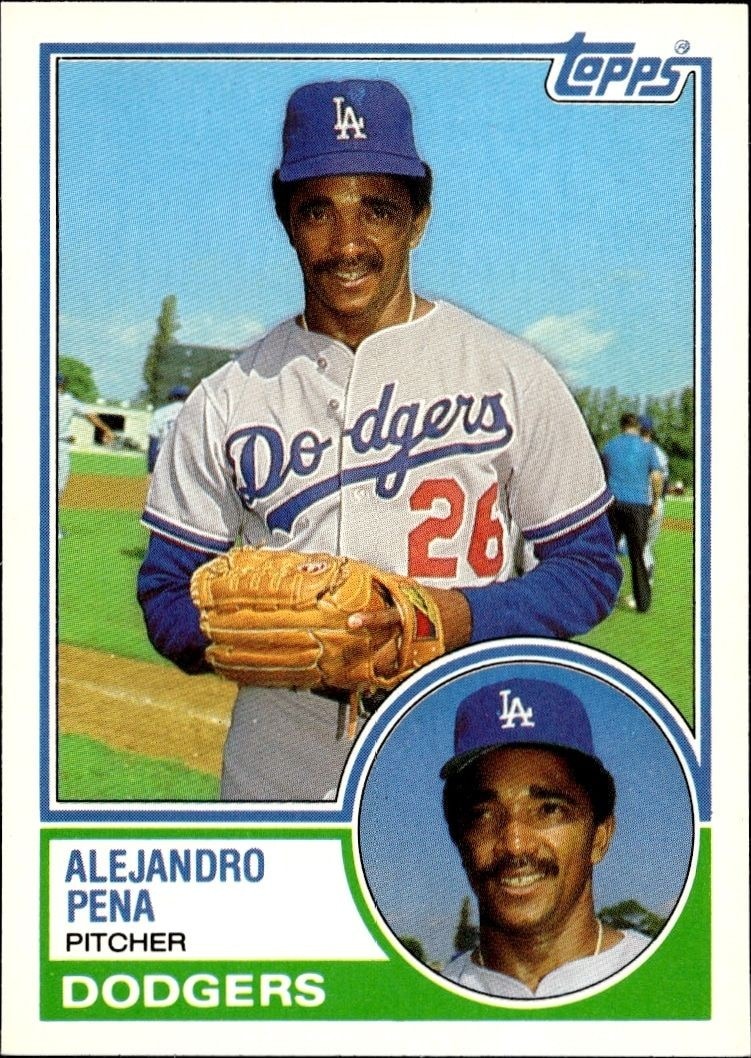
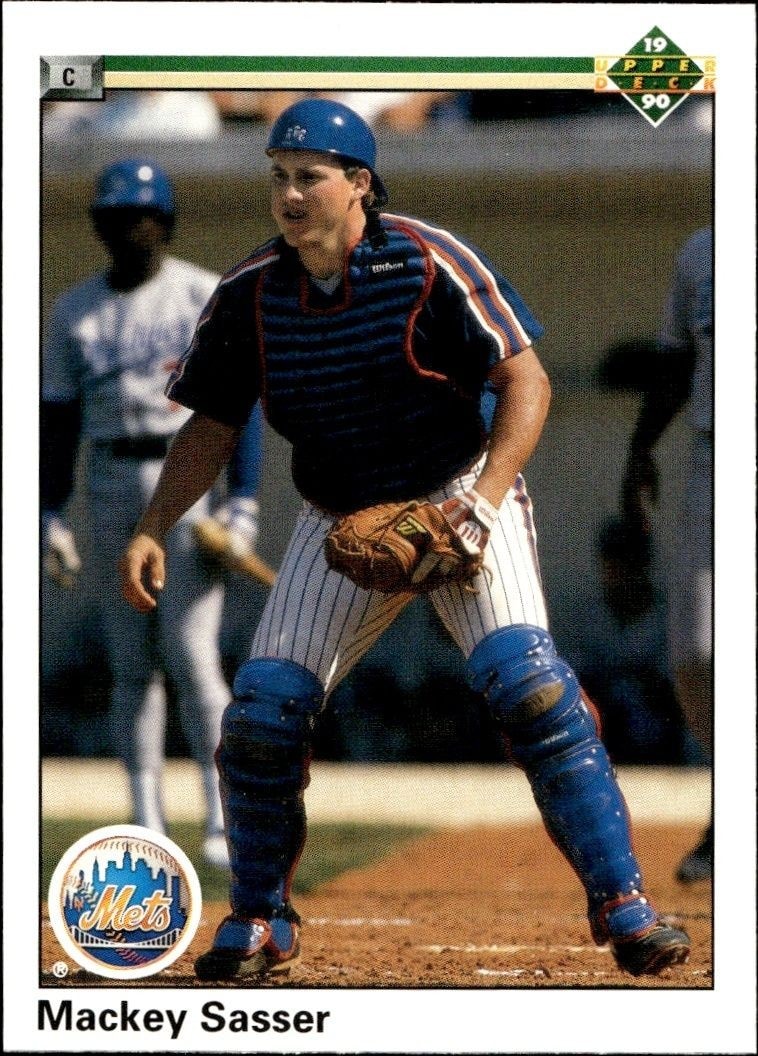
The 1990 Upper Deck High Number #703 card featuring Alejandro Pena is a key piece of baseball card history, marking the debut of the first major set with photo-realistic imagery.
1990 • Upper Deck • High Number
Major League Baseball • New York Mets
Near Mint
703
New
Shipping Calculated at Checkout
30-day Returns| Condition | Value | Source | Trend | Price Details |
|---|---|---|---|---|
$0.99As of 10/10/2026 | Guide Estimate | |||
Raw / Ungraded
PriceCharting Price Guide · Guide Estimate evidence · captured Oct 11, 2026
History is building. At least two days of matching observations are needed to show a trend.
Each point is the last stored observation that day for this printing, condition, grader, autograph status and source. Gaps mean no observation; guide estimates and asking prices are not completed sales.The 1990 Upper Deck High Number #703 card featuring Alejandro Pena represents a pivotal moment in sports memorabilia, marking the debut of the first major baseball card set to utilize photo-realistic imagery rather than hand-drawn illustrations. This release established a new visual standard for the hobby, shifting collector expectations toward photographic clarity and professional design aesthetics. Alejandro Pena, who appeared in Major League Baseball for the New York Mets during the late 1980s, is depicted here as part of Upper Deck's innovative approach to card production. Collectors often seek this card number when building complete sets of the inaugural 1990 Upper Deck baseball collection, which remains highly regarded for its historical significance and design quality. The High Number series within this brand is particularly notable for its distinct layout and border style, which differentiates it from earlier products like Topps or Fleer. Whether you are a vintage collector focused on the 1990s era or an investor looking at the foundational sets of modern card design, this card offers a tangible connection to the evolution of the hobby. The enduring appeal of the 1990 Upper Deck set lies in its role as a bridge between the pre-modern and modern eras of baseball cards, making cards like #703 valuable artifacts for enthusiasts. ## Sources - Upper Deck Company. "1990 Upper Deck Baseball Set Overview." Upper Deck Official Archives. - PSA Population Report. "1990 Upper Deck Baseball Set Populations." Professional Sports Authenticator. - Beckett Media. "1990 Upper Deck Baseball Set Guide." Beckett Price Guide.
11/1/26
We'll pre-fill the product details from this catalog entry, so your listing lands on this exact page. Just add photos of your copy, pick its condition, and set your price.
The catalog profile below summarizes the card identity, featured subject, and notable collectible traits.
The core identity of the card within the set.
The subject, team, league, and sport context tied to this card.
Production details and format-specific attributes.
Material
Card Stock
Language
English
Compare prices, grades, photos, and shipping from approved sellers.
New
Near Mint
See how many public collections currently include this card.
0 collectors have this card
FAQ
The 1990 Upper Deck set is historically significant because it was the first major baseball card set to use photo-realistic imagery instead of hand-drawn art. This shift changed the visual standard for the entire hobby and established Upper Deck as a major competitor to Topps and Fleer.
Alejandro Pena was a right-handed pitcher who played in Major League Baseball, most notably for the New York Mets. He appeared in 70 games for the Mets between 1987 and 1989 before moving to other teams.
The High Number series refers to cards with card numbers typically above 660 in the base set. These cards are part of the same 1990 Upper Deck release but are often sought after by set builders looking for the complete catalog of cards produced that year.
As a non-premium parallel from the 1990 Upper Deck High Number series, this card occupies a lower tier in the secondary market relative to rookie issues or serial-numbered variants of Alejandro Pena. The current listing reflects standard base-card valuation, indicating that condition premiums are minimal without specific grading indicators. It trades in line with other mass-produced cards from the early 1990s era that lack unique scarcity features.
The absence of special attributes indicates this is a base parallel within the High Number set, meaning it lacks the supply constraints of short prints, serial numbers, or one-of-one variants. Without parallel coloring or numbered exclusivity, the supply remains effectively unlimited relative to collector demand for this specific issue. This standard status means the card does not benefit from the scarcity mechanics that typically drive value appreciation in the Upper Deck brand.
Given its status as a standard base card from the 1990 set, there are no inherent rookie-card premiums or parallel positioning drivers to stimulate significant collector demand. The value proposition relies entirely on general nostalgia for the New York Mets and the Upper Deck brand rather than specific rarity metrics. Investors should view this as a low-risk, low-reward acquisition suitable for completing base sets rather than speculative growth.