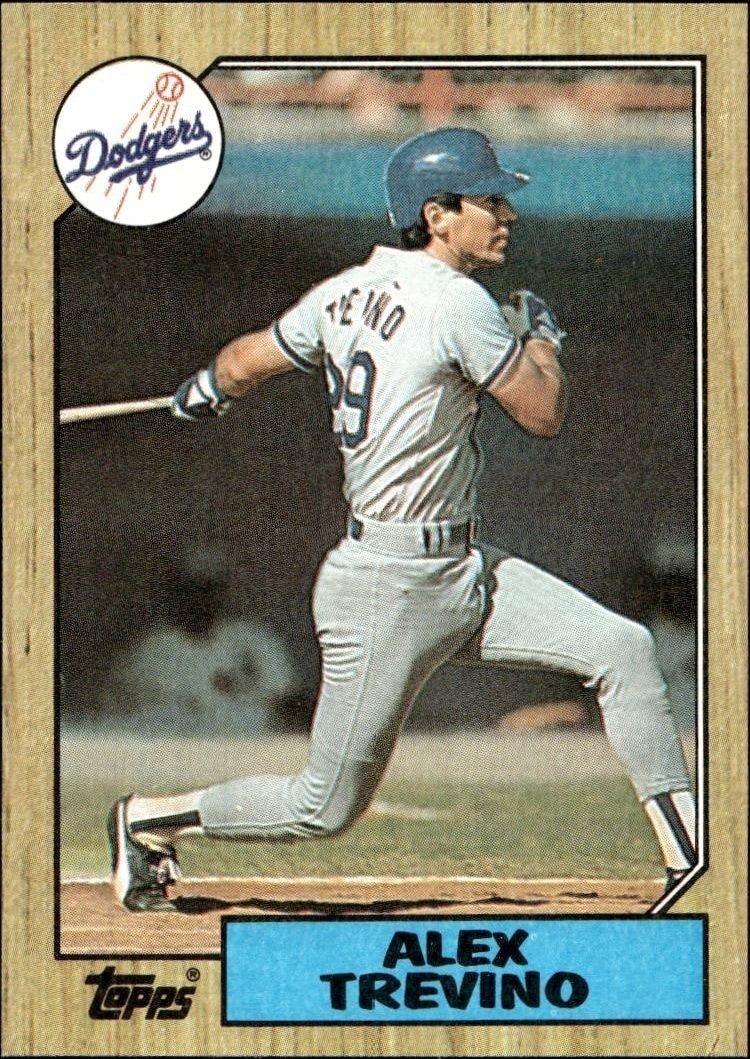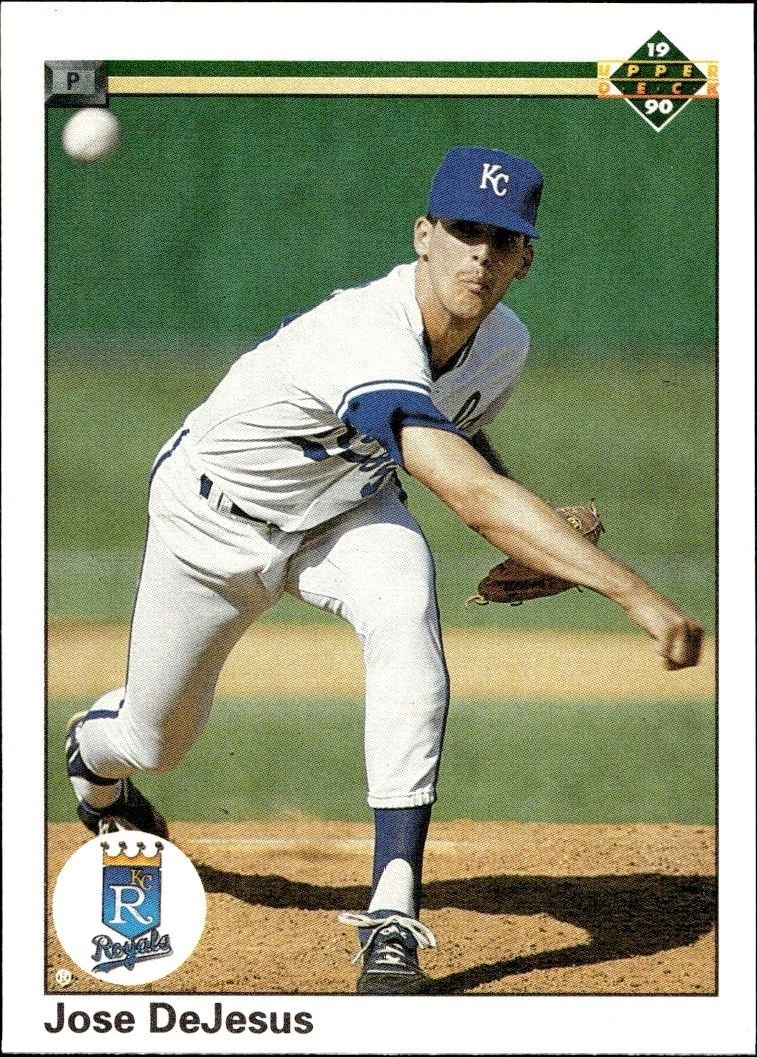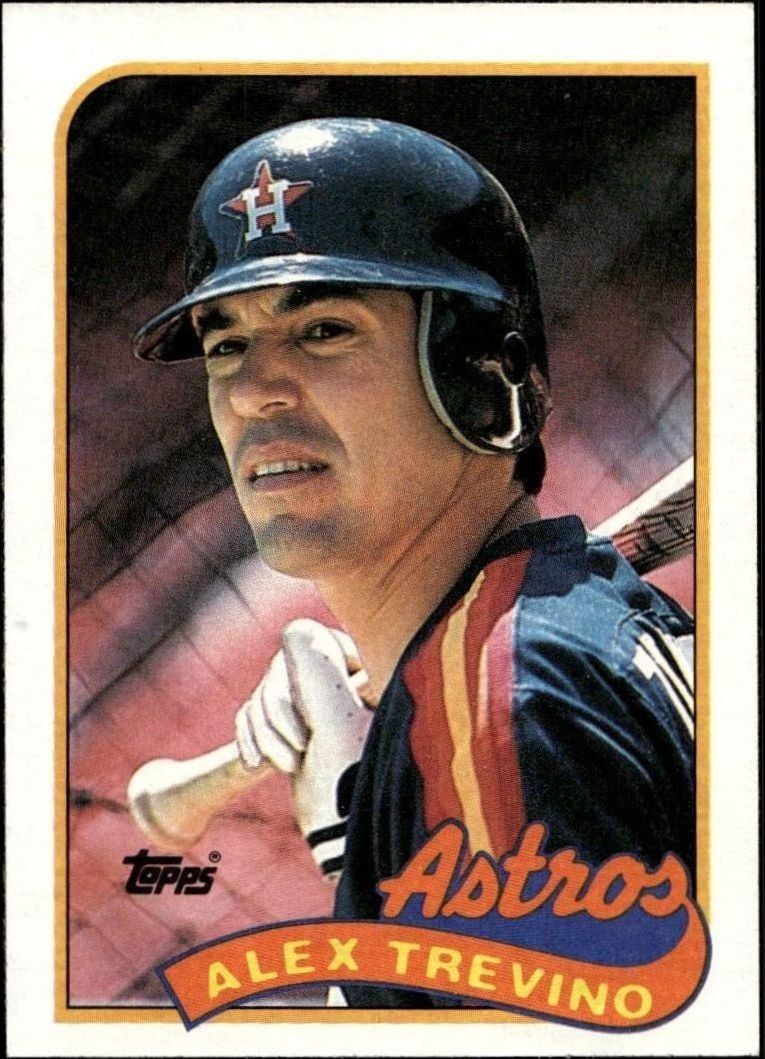

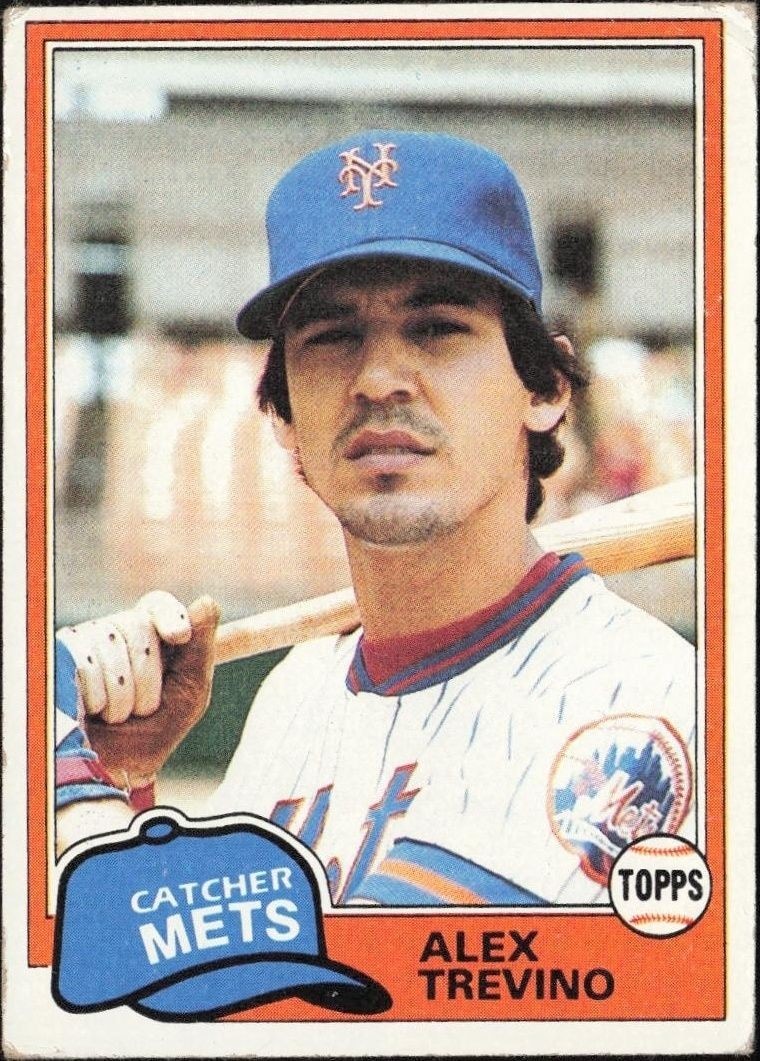

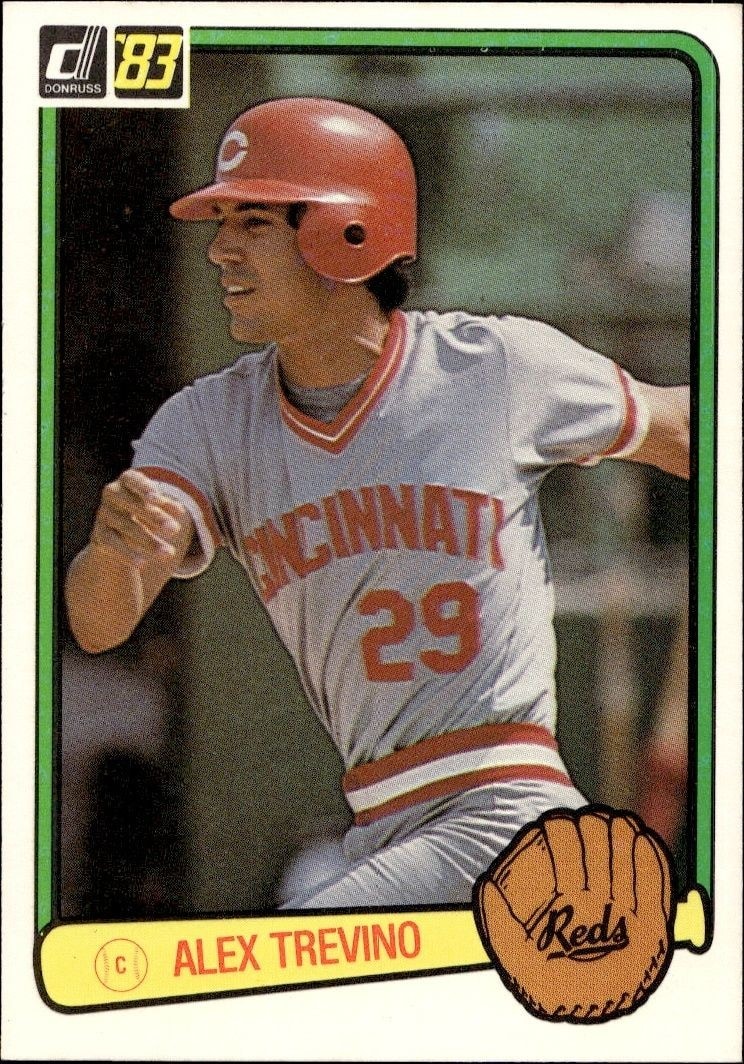


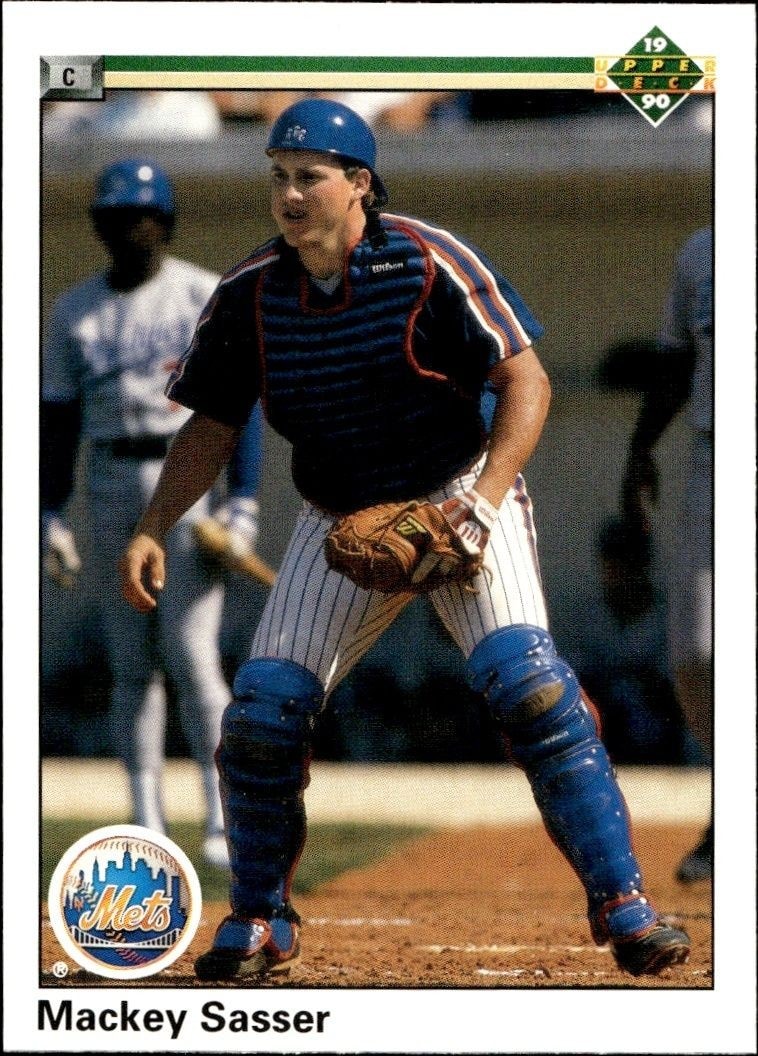
1990 • Upper Deck • Low Number
Major League Baseball • Houston Astros
Near Mint
205
New
Shipping Calculated at Checkout
Arrives in 5-7 daysEstimated delivery October 23, 2026 - October 25, 2026
Seller returns October 19, 2026.30-day Returns| Condition | Value | Source | Trend | Price Details |
|---|---|---|---|---|
$1.00As of 9/29/2026 | Guide Estimate | |||
Raw / Ungraded
PriceCharting Price Guide · Guide Estimate evidence · captured Sep 29, 2026
History is building. At least two days of matching observations are needed to show a trend.
Each point is the last stored observation that day for this printing, condition, grader, autograph status and source. Gaps mean no observation; guide estimates and asking prices are not completed sales.We'll pre-fill the product details from this catalog entry, so your listing lands on this exact page. Just add photos of your copy, pick its condition, and set your price.
The catalog profile below summarizes the card identity, featured subject, and notable collectible traits.
The core identity of the card within the set.
The subject, team, league, and sport context tied to this card.
Production details and format-specific attributes.
Material
Card Stock
Language
English
Compare prices, grades, photos, and shipping from approved sellers.
New
Near Mint
See how many public collections currently include this card.
0 collectors have this card
This 1990 Upper Deck Alex Trevino card represents a niche entry within the brand's 'Low Number' series, likely commanding a premium relative to standard base issues due to its specific subset designation. While Trevino holds significance as a veteran catcher for the Houston Astros during this era, the card's value is primarily driven by its low-number status rather than widespread mainstream demand. The limited active listings suggest a constrained supply, which may support stable pricing for collectors targeting this specific Upper Deck subset.
The primary scarcity mechanic for this card is its inclusion in the 'Low Number' series, which inherently restricts the available supply compared to the broader base set. Without specific serial number data or short-print indicators provided, the rarity is defined by the subset's general production limits rather than unique one-of-one characteristics. This structural limitation creates a naturally tighter market for this particular variation compared to standard unnumbered counterparts.
Investment potential is anchored in the collector demand for low-number parallels and subsets within the 1990 Upper Deck football and baseball landscape. As a rookie card is not indicated, the value proposition relies on the enduring appeal of the Upper Deck brand and the specific appeal of low-numbered items to subset-focused collectors. Long-term stability may depend on the continued preservation of condition and the sustained interest in Astros history from the early 1990s.