1 / 2
About This Card
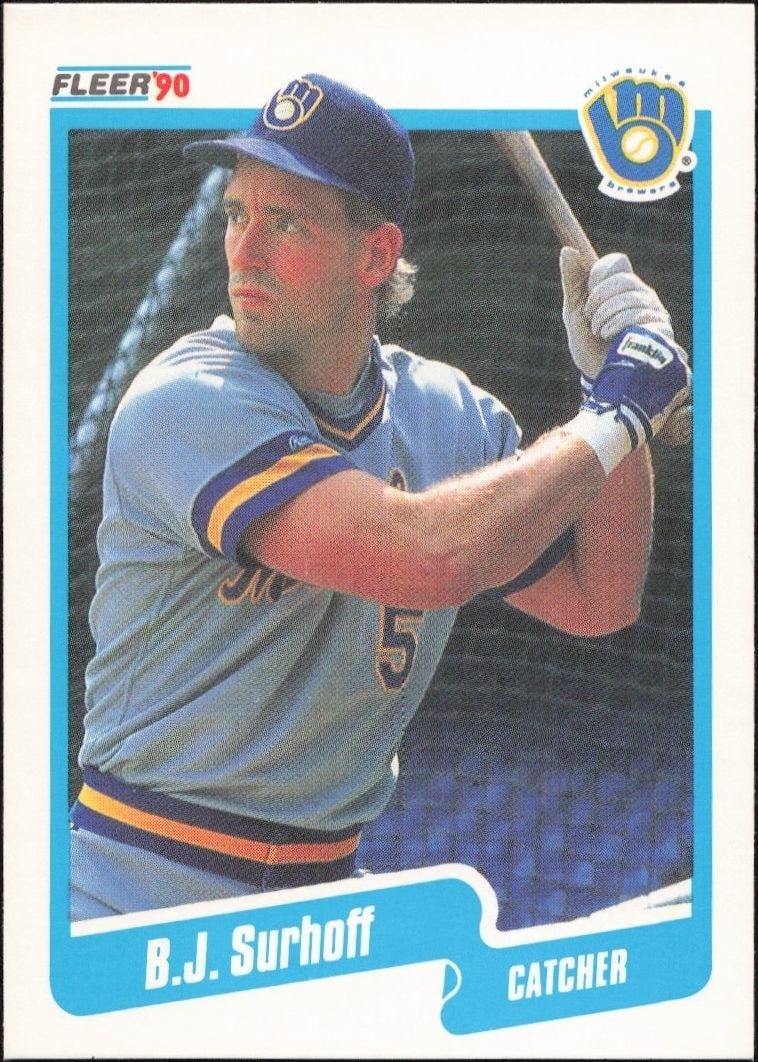
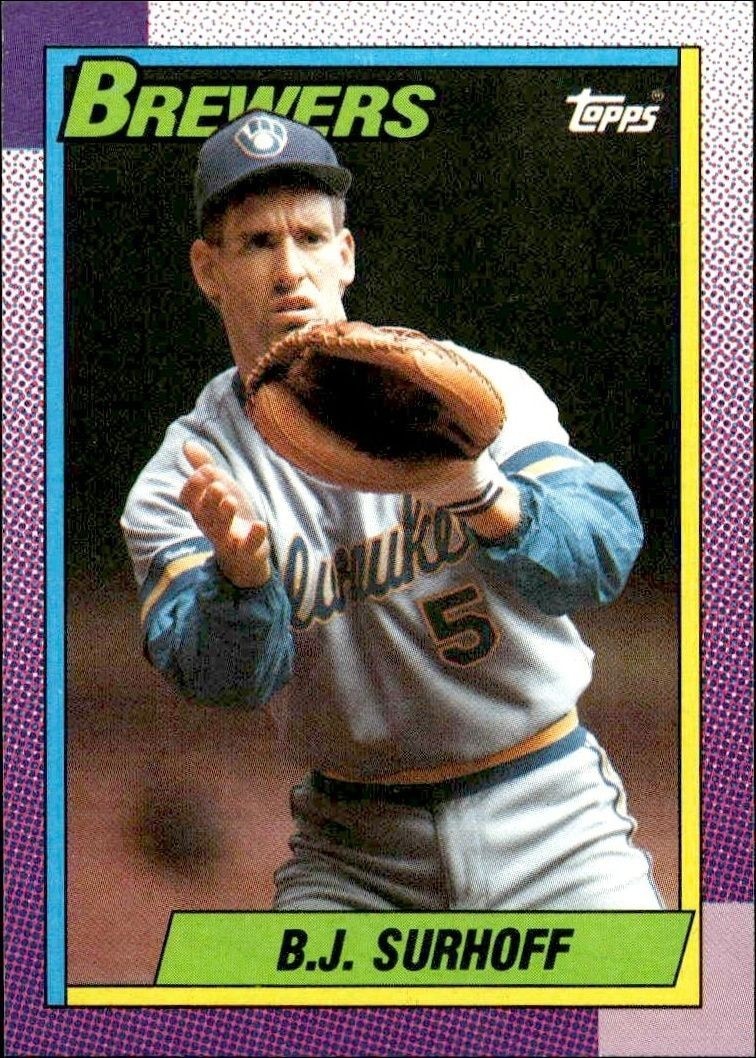
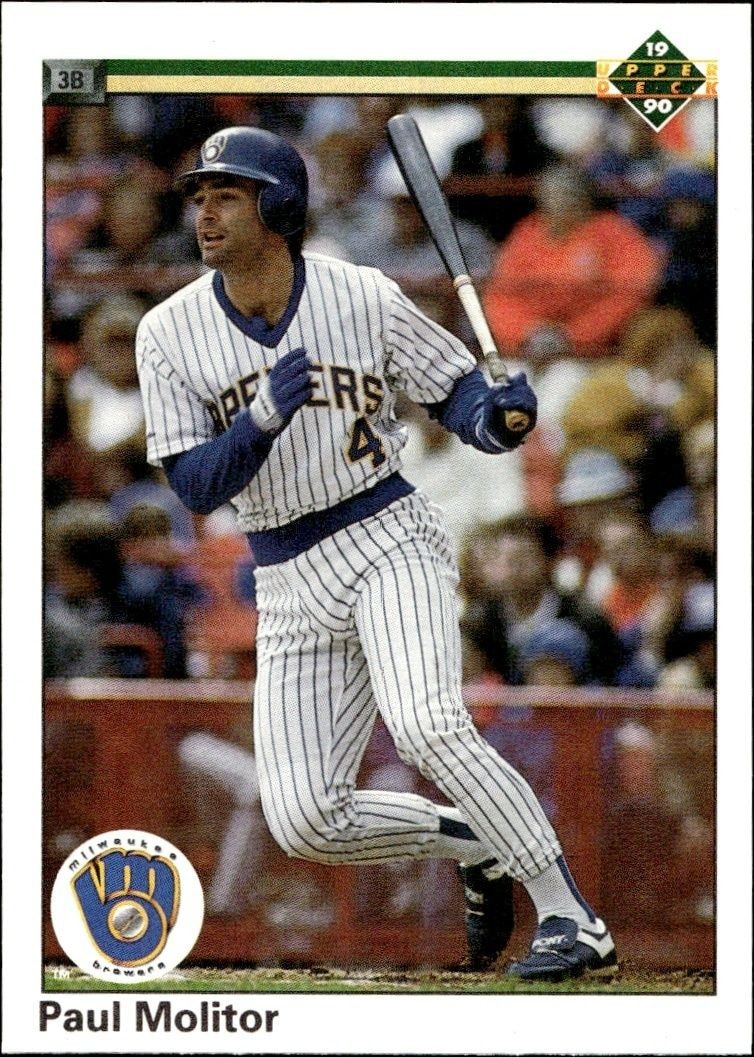
The 1990 Upper Deck B.J. Surhoff #159 captures the Milwaukee Brewers utility player during the early Upper Deck era of baseball card production.
B.J. Surhoff
1990 • Upper Deck • Low Number
Major League Baseball • Milwaukee Brewers
Seller Offer
1 available$2.99
Raw/Ungraded Market: $0.01
Stale · as of 11/10/2026Condition
Near Mint
Card Number
159
Loading express checkout
Primary Seller
New
Shipping Calculated at Checkout
30-day ReturnsMarket & Price History
Prices Captured Apr 14, 2026 Unless Another Date Is Shown
| Condition | Value | Source | Trend | Price Details |
|---|---|---|---|---|
$0.01As of 11/10/2026 | Guide Estimate | |||
$1.25As of 4/13/2026 | Evidence Type Unavailable | |||
$0.99As of 4/13/2026 | Evidence Type Unavailable | |||
- $0.01As of 11/10/2026
- Source
- Guide Estimate
- Trend
- Price Details
- $1.25As of 4/13/2026
- Source
- Evidence Type Unavailable
- Trend
- Price Details
- $0.99As of 4/13/2026
- Source
- Evidence Type Unavailable
- Trend
- Price Details
30-day Price History
Raw / Ungraded
PriceCharting Price Guide · Guide Estimate evidence · captured Nov 10, 2026
History is building. At least two days of matching observations are needed to show a trend.
Each point is the last stored observation that day for this printing, condition, grader, autograph status and source. Gaps mean no observation; guide estimates and asking prices are not completed sales.Product Overview
Description
The 1990 Upper Deck B.J. Surhoff #159 represents a key entry point for collectors building sets from Upper Deck's flagship early releases. B.J. Surhoff was a versatile player for the Milwaukee Brewers, known for his ability to play multiple positions and contribute offensively across his career. Upper Deck's 1990 baseball set marked a significant moment in the hobby, introducing premium card stock and photography that elevated the collecting experience beyond traditional offerings. Card #159 fits within the broader checklist of this foundational set, making it a natural target for set completers and vintage baseball enthusiasts. Collectors pursuing 1990 Upper Deck often focus on building the full set or hunting for specific players and teams. The card's appeal spans both nostalgia-driven collectors who remember the era and newer hobbyists seeking to understand the evolution of card design and production quality., you'll find multiple copies of this card in varying conditions, allowing you to choose based on your collecting goals—whether you're filling a set slot, investing in early-90s cardboard, or simply appreciating Surhoff's place in Brewers history.
Last Listing Activity
11/1/26
Seller Action
Have one of these to sell?
We'll pre-fill the product details from this catalog entry, so your listing lands on this exact page. Just add photos of your copy, pick its condition, and set your price.
Product Specs
Card Details
The catalog profile below summarizes the card identity, featured subject, and notable collectible traits.
Catalog Profile
The core identity of the card within the set.
Featured Subject
The subject, team, league, and sport context tied to this card.
Print Details
Production details and format-specific attributes.
Material
Card Stock
Language
English
Available Offers
Available Offer for This Card (1)
Compare prices, grades, photos, and shipping from approved sellers.
Featured Offer
New
Condition
Near Mint
Seller PriceShipping Extra
$2.99
Collector Ownership
Owned by Collectors
See how many public collections currently include this card.
0 collectors have this card
SuperCatch Expert Analysis
Market Value Insight
The 1990 Upper Deck B.J. Surhoff sits firmly in the budget tier of the early Upper Deck era, trading at a modest level consistent with role-player cards from this set rather than its star-studded counterparts like the iconic Ken Griffey Jr. rookie. Surhoff's career as a solid, multi-positional contributor for Milwaukee and later Baltimore carries modest collector interest but does not generate the kind of premium demand seen for All-Star or Hall of Fame caliber players from the same set. Raw, ungraded copies dominate the market, and condition sensitivity is relatively low given the limited upside.
Rarity Breakdown
This is a standard base card from the 1990 Upper Deck set, which was produced in significant quantities, placing it in the high-print-run category with no serial numbering, short print designation, or parallel distinction. Population reports for graded copies are sparse, reflecting minimal grading submission interest — most collectors treat this as a raw card with little incentive to invest in professional encapsulation. The single active listing in the current market further underscores the low transactional velocity typical of common base cards from this era.
Investment Outlook
Surhoff retired in 2003 with a respectable but Hall of Fame-unlikely résumé, which limits long-term appreciation potential for his base cards. The 1990 Upper Deck set itself holds nostalgic value among collectors of that era, but demand is concentrated almost entirely on its key rookies and stars rather than supporting cast members. Unless a significant off-field development — such as a Hall of Fame Veterans Committee consideration — emerges, this card is likely to remain a stable but low-momentum hold with minimal grading submission incentive.
AI-Generated Editorial Analysis
FAQ
Frequently Asked Questions
What is the 1990 Upper Deck baseball set known for?
It helped establish Upper Deck as a major manufacturer and is sought after by collectors for its design quality and historical significance in the early-90s card market. ## Why collect 1990 Upper Deck cards today? Collectors pursue 1990 Upper Deck cards for set completion, nostalgia, and appreciation of early-90s cardboard design. The set offers an accessible entry point into vintage baseball cards, with most cards remaining affordable while representing an important era in modern card manufacturing and hobby development. ## How do I determine the value of a 1990 Upper Deck card? Value depends on player popularity, card condition, and current market demand. Set builders may prioritize completion over condition, while investors often seek higher-graded copies. Checking recent sales and other marketplaces helps establish realistic pricing based on actual collector interest.