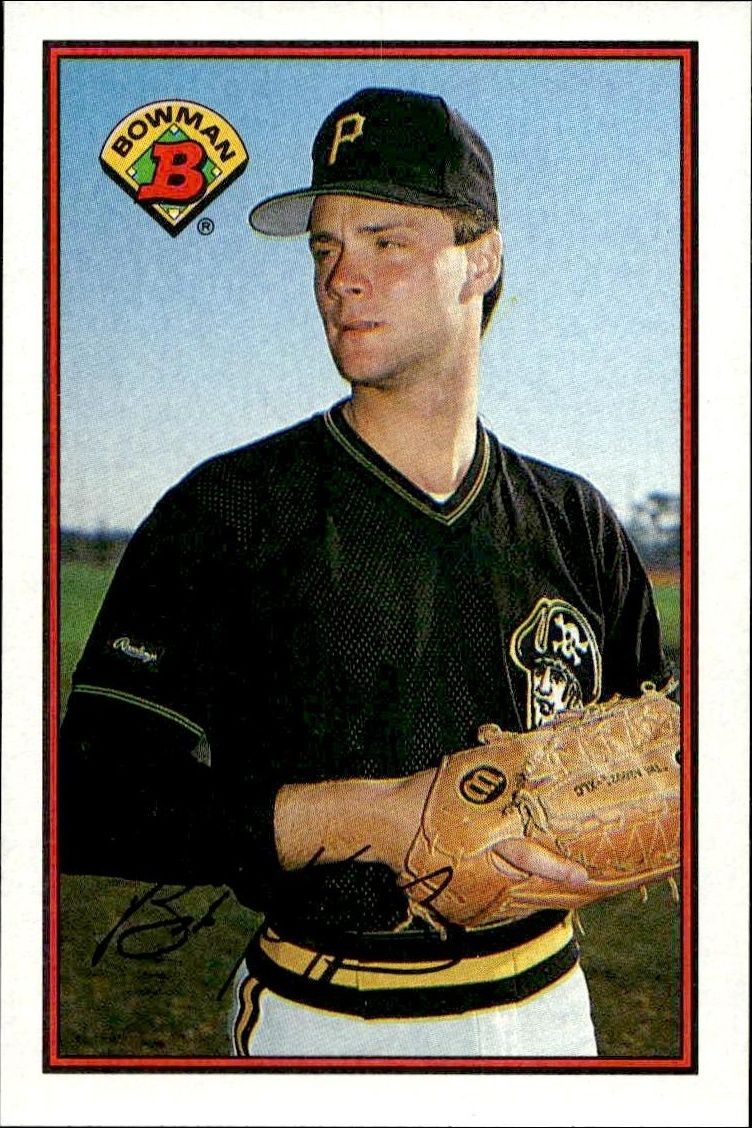




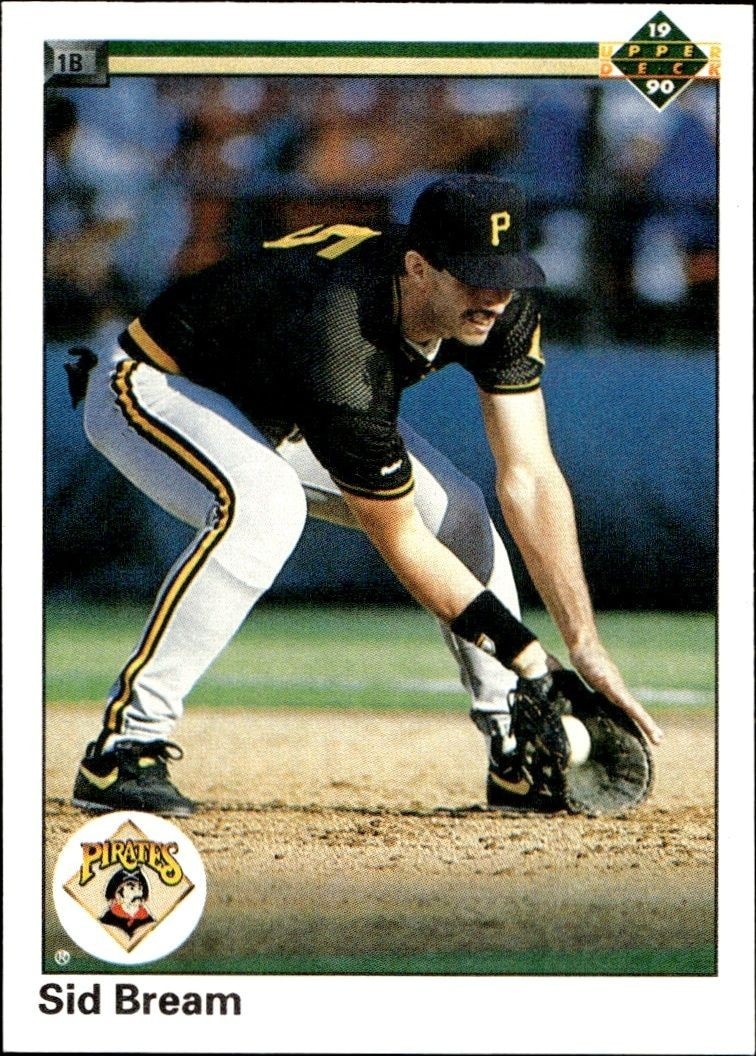
The 1990 Upper Deck Bob Kipper #560 is a vintage baseball card featuring the Pittsburgh Pirates pitcher. This card is part of the Low Number series.
1990 • Upper Deck • Low Number
Major League Baseball • Pittsburgh Pirates
Near Mint
560
New
Shipping Calculated at Checkout
This seller is away until 10/19/2026 — orders are still accepted and ship after they return.30-day Returns| Condition | Value | Source | Trend | Price Details |
|---|---|---|---|---|
$0.99 | Guide Estimate | |||
Raw / Ungraded
PriceCharting Price Guide · Guide Estimate evidence · captured Oct 11, 2026
History is building. At least two days of matching observations are needed to show a trend.
Each point is the last stored observation that day for this printing, condition, grader, autograph status and source. Gaps mean no observation; guide estimates and asking prices are not completed sales.The 1990 Upper Deck Bob Kipper #560 baseball card offers collectors a tangible connection to the Pittsburgh Pirates during the early 1990s. As part of the Low Number series, this card is cataloged under number 560, distinguishing it within the broader 1990 release. Collectors who focus on vintage baseball cards often seek out specific team representatives from this era, making this product a relevant addition for those building archives of Pittsburgh Pirates history. This card features Bob Kipper, a pitcher for the Pirates, providing a snapshot of the roster from that specific season. For investors and hobbyists alike, the Low Number series holds a unique position due to its numbering convention, which differs from standard base card sets. When considering the 1990 Upper Deck Bob Kipper #560, it is important to understand its place in the catalog. The card represents a specific point in time for the franchise, capturing the player during his tenure with the team. Enthusiasts of 1990s baseball memorabilia often appreciate the historical context this card provides, serving as a reference point for the league's landscape during that decade. Whether for completing a team set or focusing on individual player cards, this product remains a consistent target for dedicated collectors. The Low Number designation adds a layer of specific interest for those who track variations and numbering anomalies within major releases.
10 hours ago
We'll pre-fill the product details from this catalog entry, so your listing lands on this exact page. Just add photos of your copy, pick its condition, and set your price.
The catalog profile below summarizes the card identity, featured subject, and notable collectible traits.
The core identity of the card within the set.
The subject, team, league, and sport context tied to this card.
Production details and format-specific attributes.
Material
Card Stock
Language
English
Compare prices, grades, photos, and shipping from approved sellers.
New
Near Mint
See how many public collections currently include this card.
0 collectors have this card
This 1990 Upper Deck Bob Kipper card sits at a foundational entry-level tier within the set, reflecting its status as a non-premium base card for a role player. While the player's career significance is established, the lack of special attributes or high-grade scarcity keeps the valuation firmly in the accessible range. It trades at the lower end of the spectrum compared to parallel variants or rookie cards of the same era.
The card carries no special scarcity attributes such as serial numbering, short prints, or one-of-one designations, relying instead on standard mass-production mechanics. As a base card from the 'Low Number' series, its supply is determined by the general print run rather than limited edition constraints. This lack of distinct rarity markers means it does not benefit from the supply-side premiums associated with parallels or autographs.
Investment potential is limited by the card's position as a standard base issue without rookie-card status or unique collector demand drivers. The 1990 Upper Deck set is highly saturated, and without special attributes, this specific item lacks the scarcity mechanics that typically drive long-term value appreciation. It serves better as a component for filling gaps in a base set rather than as a standalone investment vehicle.