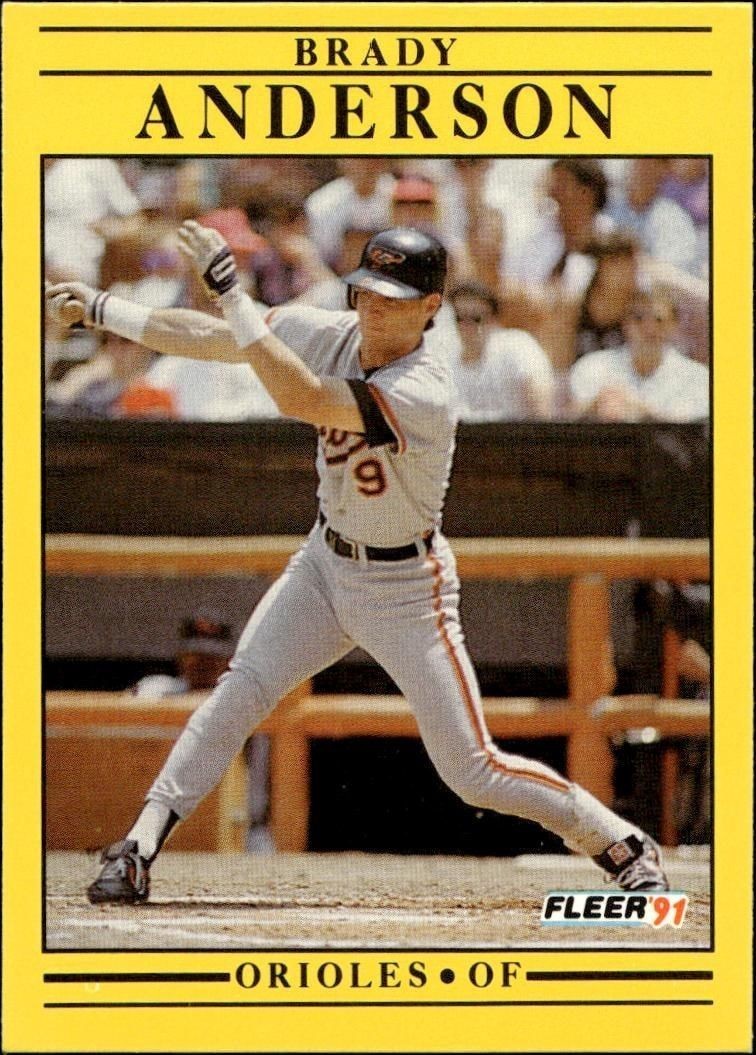
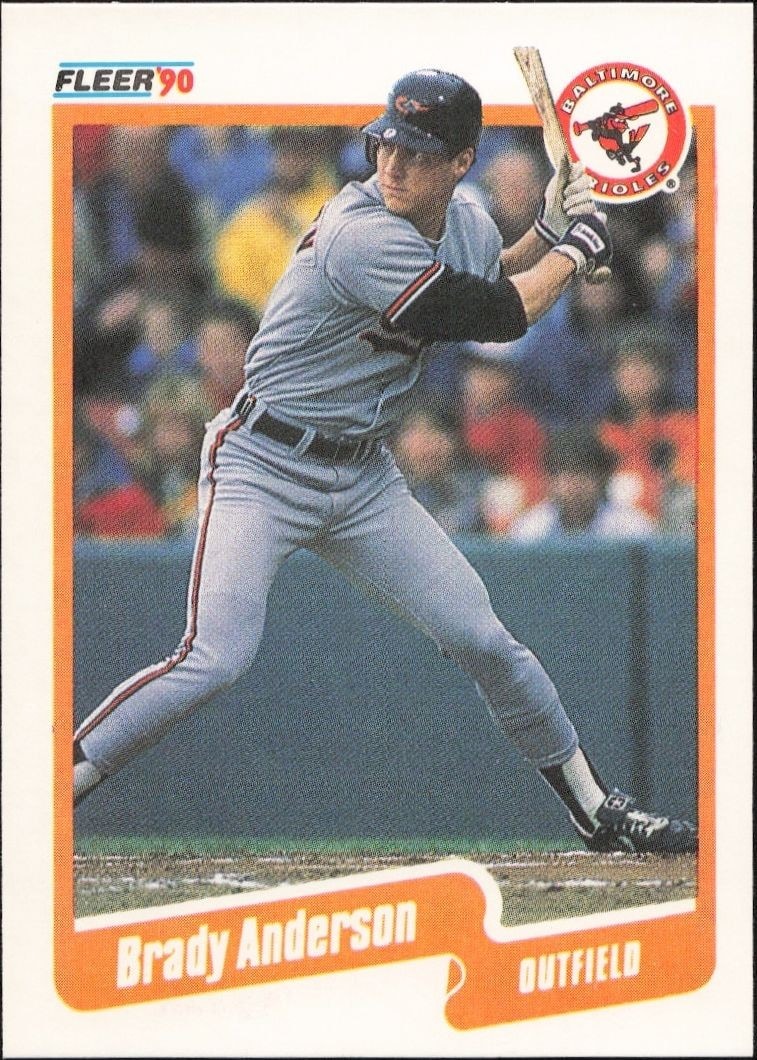

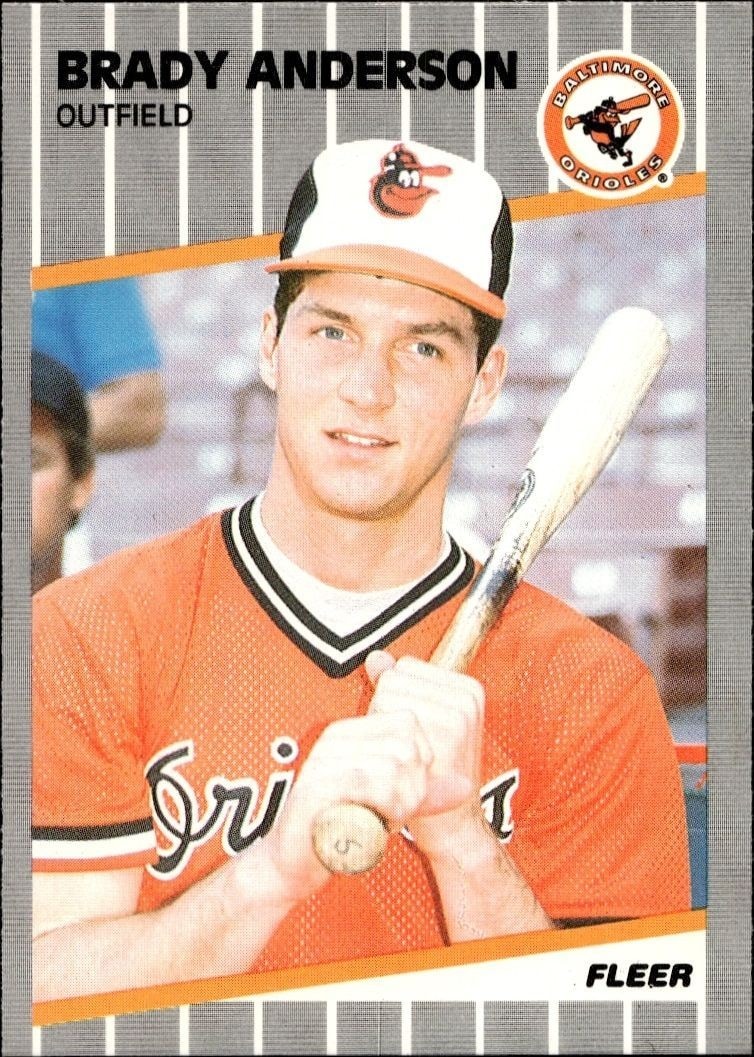
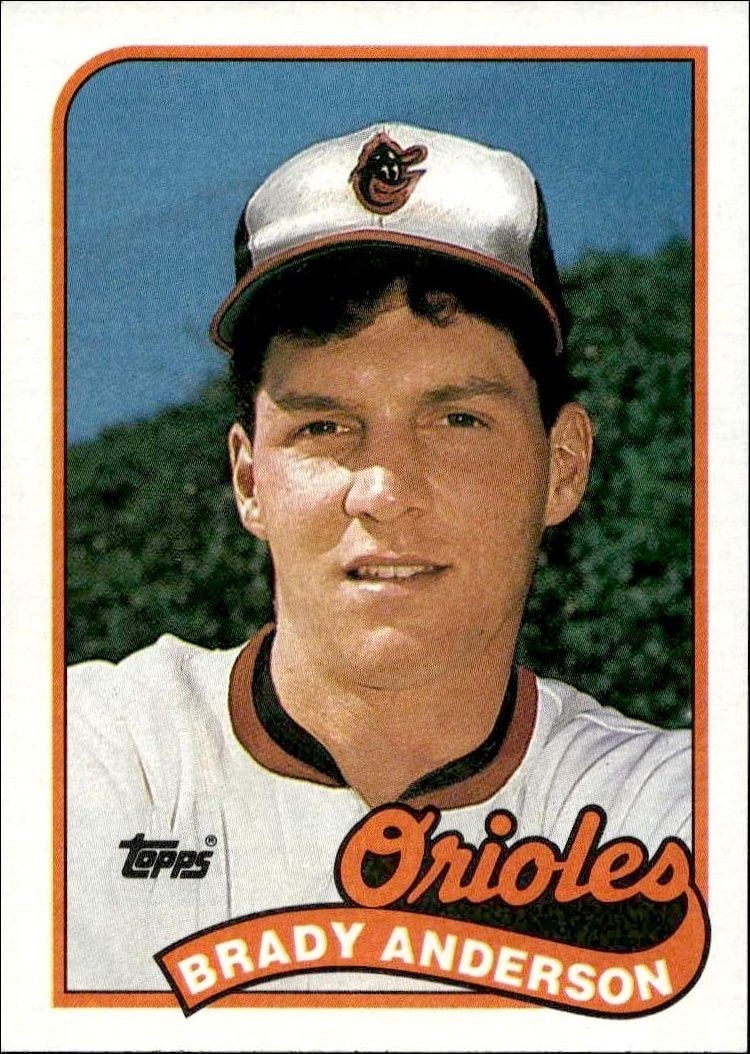


Explore the 1990 Upper Deck Brady Anderson #290 Low Number baseball card, a key piece of vintage Upper Deck history featuring the Baltimore Orioles star.
1990 • Upper Deck • Low Number
Major League Baseball • Baltimore Orioles
Excellent
290
New
Shipping Calculated at Checkout
This seller is away until 10/19/2026 — orders are still accepted and ship after they return.30-day Returns| Condition | Value | Source | Trend | Price Details |
|---|---|---|---|---|
$1.32 | Guide Estimate | |||
Raw / Ungraded
PriceCharting Price Guide · Guide Estimate evidence · captured Oct 11, 2026
History is building. At least two days of matching observations are needed to show a trend.
Each point is the last stored observation that day for this printing, condition, grader, autograph status and source. Gaps mean no observation; guide estimates and asking prices are not completed sales.The 1990 Upper Deck Brady Anderson #290 Low Number card represents a significant entry into the history of modern sports card collecting. As part of the inaugural Upper Deck release, this product helped redefine the industry with its glossy, high-quality production values that set a new standard for the era. For collectors focusing on the Baltimore Orioles, this card captures Brady Anderson during a pivotal time in his career, offering a tangible connection to the team's rich heritage in Major League Baseball. The Low Number designation adds a layer of distinctiveness to this card within the base set. This issue, numbered 290, serves as a focal point for enthusiasts building vintage collections or seeking to complete specific subsets. The interplay between the player's performance on the field and the card's position in the series creates a unique narrative for those who study the intricacies of card collecting. Integrating this piece into a collection allows fans to own a slice of baseball history from one of the most respected manufacturers in the hobby. Whether you are a long-time Upper Deck devotee or a newcomer exploring vintage options, the 1990 Brady Anderson card offers both historical context and aesthetic appeal. Its status as a foundational item from the brand's first year makes it a worthy consideration for anyone interested in the evolution of sports memorabilia. The card's enduring presence in the market highlights its importance as a staple of 1990s baseball card culture.
10 hours ago
We'll pre-fill the product details from this catalog entry, so your listing lands on this exact page. Just add photos of your copy, pick its condition, and set your price.
The catalog profile below summarizes the card identity, featured subject, and notable collectible traits.
The core identity of the card within the set.
The subject, team, league, and sport context tied to this card.
Production details and format-specific attributes.
Material
Card Stock
Language
English
Compare prices, grades, photos, and shipping from approved sellers.
New
Excellent
See how many public collections currently include this card.
0 collectors have this card
This 1990 Upper Deck Brady Anderson card represents an entry-level acquisition for the early career of the former Baltimore Orioles star, reflecting its status within a widely distributed base set. While the current pricing indicates a modest value tier typical for non-premium base cards from this era, it offers a historical snapshot of Anderson's tenure before his peak power-hitting years. The presence of only one active listing suggests a thin market, potentially allowing for immediate acquisition without competitive bidding pressure.
The card is identified as a base issue from the 1990 Upper Deck Low Number series with no special attributes such as autographs, memorabilia, or serial numbering noted. Consequently, it lacks the scarcity mechanics that typically drive premium valuations, such as parallel variants or short-print designations. Its supply is effectively unlimited relative to collector demand, as it represents the standard production run of the set.
As a non-rookie, non-premium card from a major brand, this item relies on the general nostalgia for 1990s baseball rather than specific scarcity or rookie-card premiums. Demand is likely driven by collectors seeking complete base set fills rather than standalone investment pieces. Without unique attributes to differentiate it from the broader pool of similar issues, long-term appreciation potential remains limited compared to graded or special insert cards of the same player.