1 / 2
About This Card
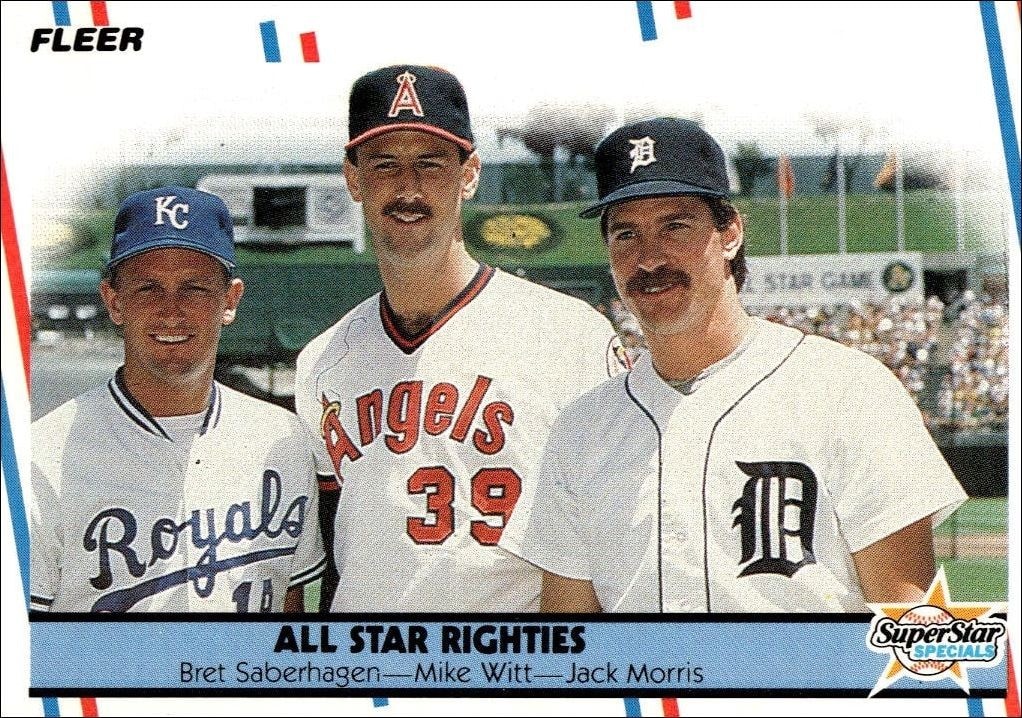
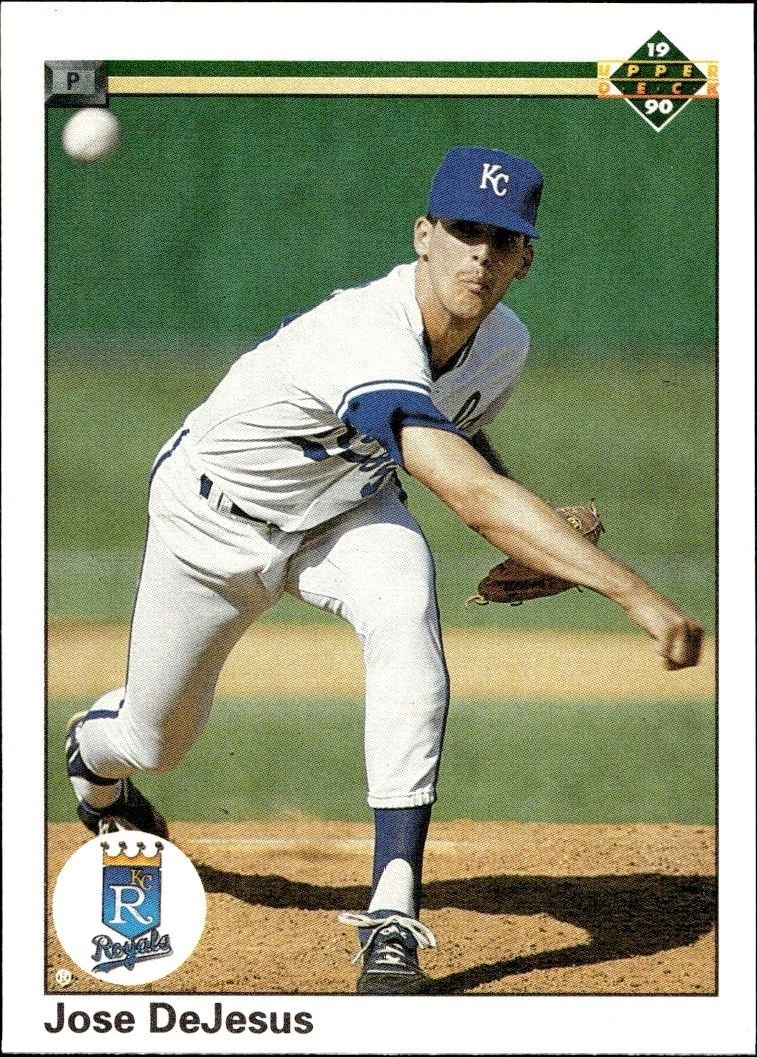
The 1990 Upper Deck Low Number series features Bret Saberhagen as card #326, a distinctive release for Kansas City Royals collectors.
Bret Saberhagen
1990 • Upper Deck • Low Number
Major League Baseball • Kansas City Royals
Seller Offer
1 available$2.99
Raw/Ungraded Market: $0.92
Stale · as of 11/10/2026Condition
Excellent
Card Number
326
Loading express checkout
Primary Seller
New
Shipping Calculated at Checkout
30-day ReturnsMarket & Price History
| Condition | Value | Source | Trend | Price Details |
|---|---|---|---|---|
$0.92As of 11/10/2026 | Guide Estimate | |||
$2.50As of 4/14/2026 | Evidence Type Unavailable | |||
- $0.92As of 11/10/2026
- Source
- Guide Estimate
- Trend
- Price Details
- $2.50As of 4/14/2026
- Source
- Evidence Type Unavailable
- Trend
- Price Details
30-day Price History
Raw / Ungraded
PriceCharting Price Guide · Guide Estimate evidence · captured Nov 10, 2026
History is building. At least two days of matching observations are needed to show a trend.
Each point is the last stored observation that day for this printing, condition, grader, autograph status and source. Gaps mean no observation; guide estimates and asking prices are not completed sales.Product Overview
Description
Bret Saberhagen's 1990 Upper Deck Low Number card, numbered 326, stands as a unique entry in the brand's catalog for Kansas City Royals enthusiasts. Unlike the standard numbered base set, this release belongs to the Low Number subset, which utilized a distinct numbering system to differentiate it from the main run. For collectors focused on the 1990 MLB season, this card captures Saberhagen during his tenure with the Royals, offering a specific snapshot of his career before his later achievements with other franchises. The Upper Deck Low Number series is often sought after by hobbyists who appreciate the brand's early design language and the collectibility of its subset releases. Card #326 is particularly notable for its placement within this specialized group, appealing to those who build collections around specific subsets or the complete Low Number parallel set. The card serves as a tangible link to Saberhagen's time in Kansas City, making it a relevant piece for investors and fans alike who value historical accuracy and brand diversity. Whether you are looking to complete a set of Saberhagen cards, build a comprehensive collection of Royals history, or simply add a unique Low Number parallel to your portfolio, this card offers a distinct collecting experience. The Low Number series continues to hold interest among vintage card collectors for its role in Upper Deck's early production years and its appeal to those who appreciate the nuances of subset collecting. When evaluating cards from the 1990 Upper Deck Low Number series, collectors often look at the overall presentation and the historical context of the player's team. Saberhagen was a prominent figure for the Royals in 1990, and this card reflects that era of baseball history. By focusing on the card's identity as part of the Low Number set, collectors can appreciate its place in the broader landscape of 1990s sports card production.
Last Listing Activity
11/1/26
Seller Action
Have one of these to sell?
We'll pre-fill the product details from this catalog entry, so your listing lands on this exact page. Just add photos of your copy, pick its condition, and set your price.
Product Specs
Card Details
The catalog profile below summarizes the card identity, featured subject, and notable collectible traits.
Catalog Profile
The core identity of the card within the set.
Featured Subject
The subject, team, league, and sport context tied to this card.
Print Details
Production details and format-specific attributes.
Material
Card Stock
Language
English
Available Offers
Available Offer for This Card (1)
Compare prices, grades, photos, and shipping from approved sellers.
Featured Offer
New
Condition
Excellent
Seller PriceShipping Extra
$2.99
Collector Ownership
Owned by Collectors
See how many public collections currently include this card.
0 collectors have this card
SuperCatch Expert Analysis
Market Value Insight
This 1990 Upper Deck Bret Saberhagen card sits in an accessible entry-level tier, reflecting the general market conditions for mass-produced baseball cards from this era. While Saberhagen was a significant figure for the Kansas City Royals, the lack of special attributes keeps this specific parallel or base variant aligned with standard market movements for ungraded examples. It represents a low-cost acquisition point for those focusing on volume rather than condition rarity.
Rarity Breakdown
The card is identified within the 'Low Number' series, a set known for its distinct design and historical significance in the early 1990s, though this specific instance lacks noted serial numbering or short-print status. Without explicit attributes like low print runs or one-of-one designations, the supply is effectively determined by the total production of this base parallel. Collectors typically view unnumbered cards in this set as having standard availability compared to their numbered counterparts.
Investment Outlook
As a non-rookie card from a major brand, the primary demand driver is nostalgia for the 1990 Upper Deck set rather than individual player career trajectory. The 'Low Number' designation adds a niche appeal for set builders, but without specific scarcity markers, the long-term appreciation potential is likely modest compared to graded or serially numbered examples. Interest remains steady among collectors seeking complete set components rather than speculative growth.
AI-Generated Editorial Analysis
FAQ
Frequently Asked Questions
What is the 1990 Upper Deck Low Number series?
The 1990 Upper Deck Low Number series is a specialized subset of the brand's main baseball release, featuring cards numbered outside the standard 1-660 range. These cards are distinct from the base set and are often collected separately by hobbyists who focus on subset completeness.
Is card #326 part of the base 1990 Upper Deck set?
No, card #326 belongs to the Low Number subset, not the primary numbered base set. This distinction makes it a unique variant for collectors who track subset releases and specific numbering sequences within the 1990 Upper Deck catalog.
Why do collectors seek 1990 Upper Deck Low Number cards?
These cards provide a different collecting experience and are valued for their role in the brand's history and subset diversity.