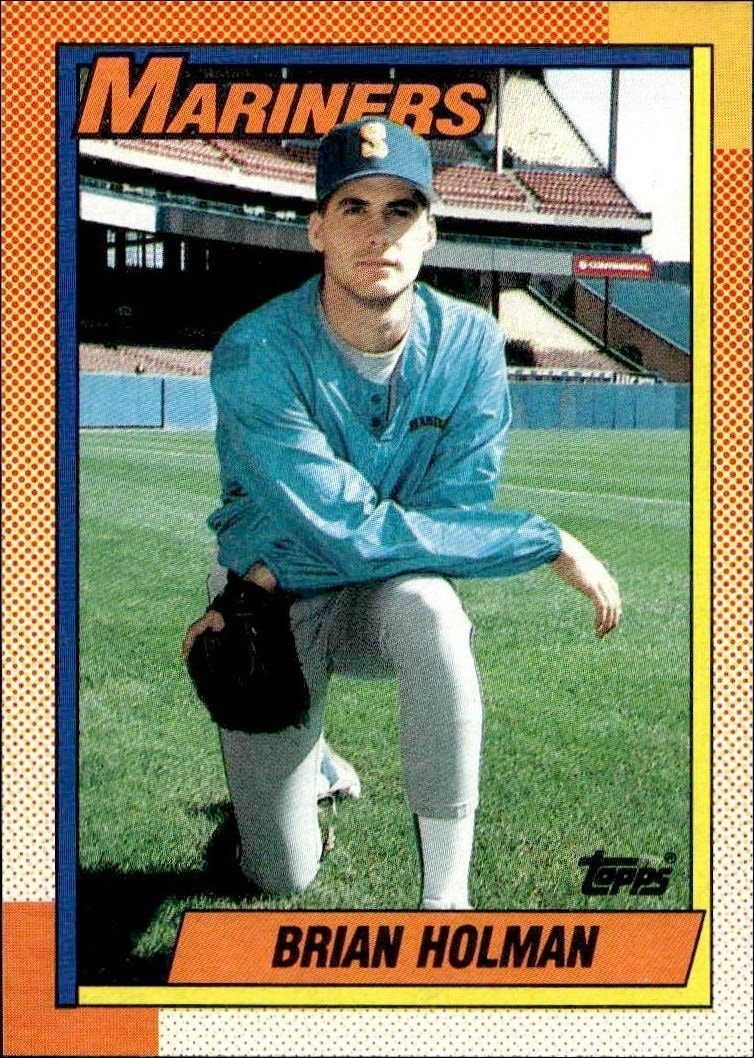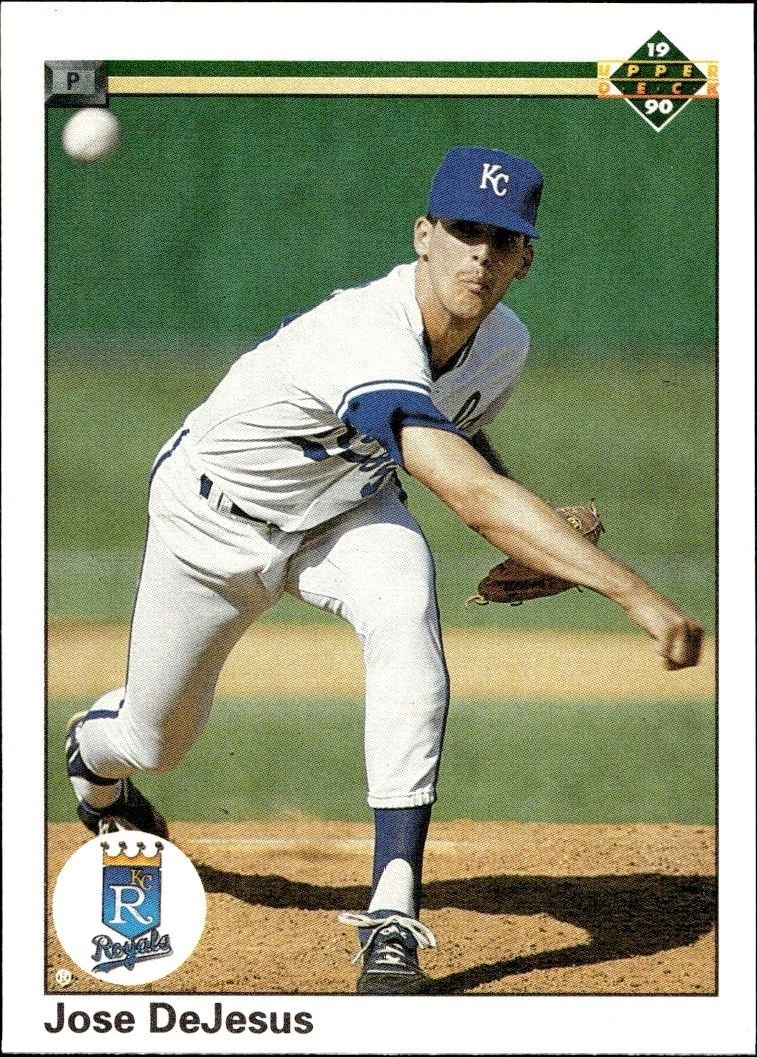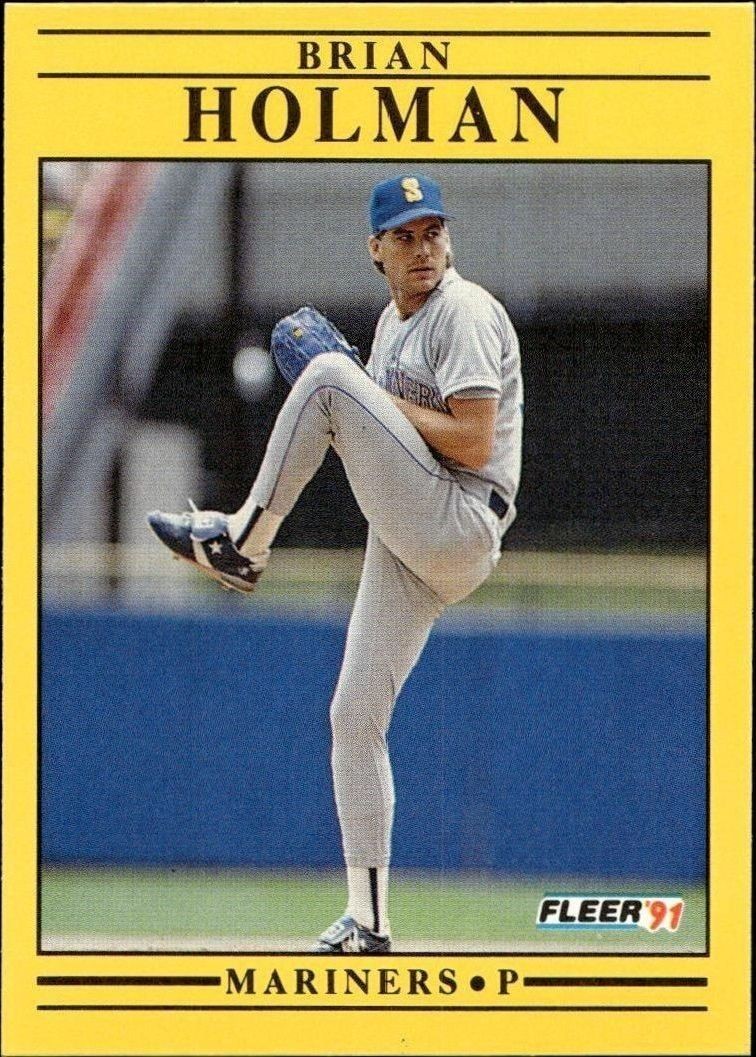
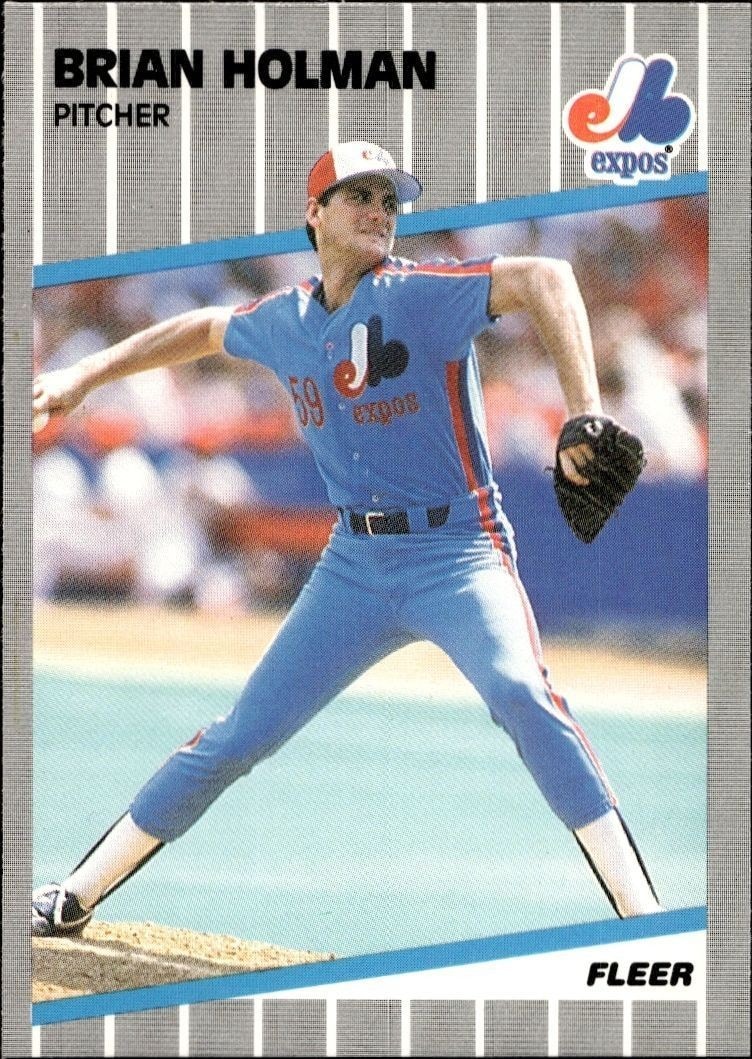
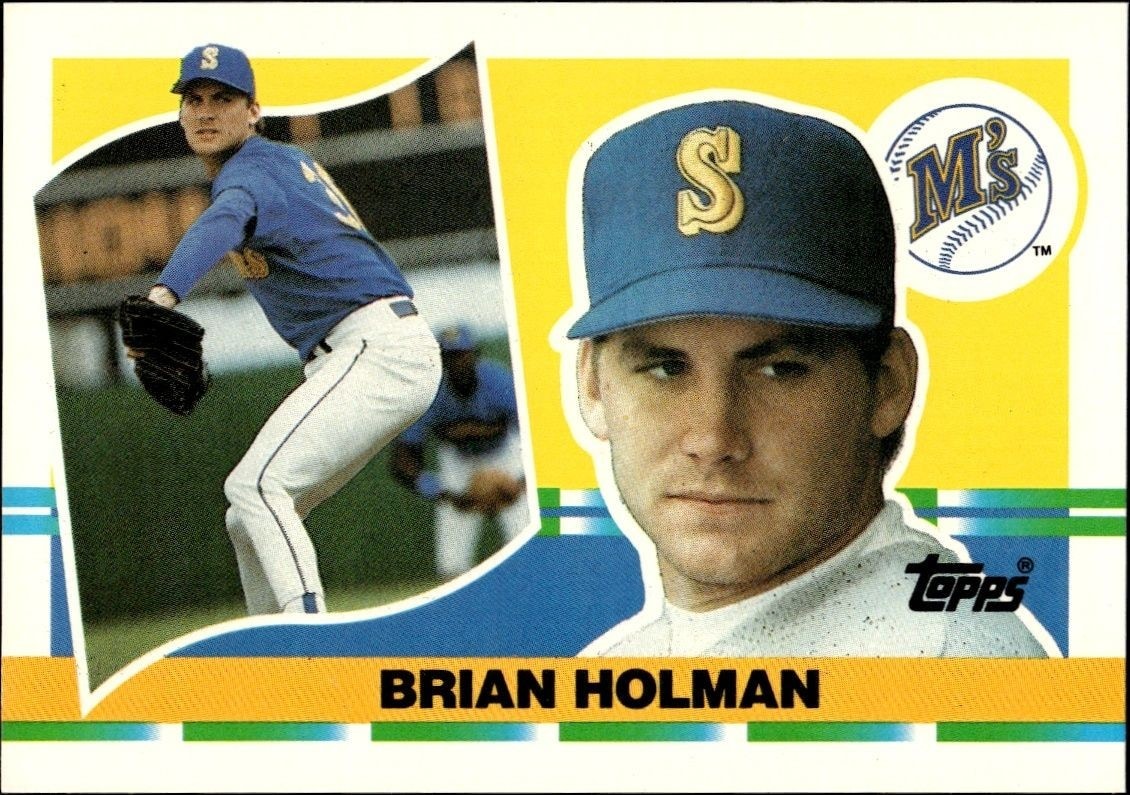
The 1990 Upper Deck Brian Holman #362 Low Number card represents a specific entry in the historic baseball trading card series, featuring the Seattle Mariners player.
1990 • Upper Deck • Low Number
Major League Baseball • Seattle Mariners
Excellent
362
New
Shipping Calculated at Checkout
This seller is away until 10/19/2026 — orders are still accepted and ship after they return.30-day Returns| Condition | Value | Source | Trend | Price Details |
|---|---|---|---|---|
$1.99 | Guide Estimate | |||
Raw / Ungraded
PriceCharting Price Guide · Guide Estimate evidence · captured Oct 11, 2026
History is building. At least two days of matching observations are needed to show a trend.
Each point is the last stored observation that day for this printing, condition, grader, autograph status and source. Gaps mean no observation; guide estimates and asking prices are not completed sales.The 1990 Upper Deck Brian Holman #362 Low Number card is a notable piece of baseball memorabilia that captures a specific moment in sports history. Released during a pivotal era for the sport, this card features Brian Holman, who was associated with the Seattle Mariners at the time. The Low Number series designation adds a layer of interest for collectors who appreciate the structured numbering within the 1990 Upper Deck release. As one of the earlier sets produced by Upper Deck, it holds a distinct place in the landscape of modern trading cards, often sought after by those who value the foundational releases of the decade. Collectors frequently look for cards from this period to complete their sets or to acquire pieces that represent the visual style and production quality of the early 1990s. The inclusion of Brian Holman in this card number provides a tangible connection to the roster of the Seattle Mariners during that season. For investors and hobbyists alike, understanding the context of the 1990 Upper Deck release is crucial, as it set new standards for card design and distribution. This card serves as a reminder of the competitive nature of the sport and the growing popularity of collecting physical media related to it. Whether you are building a comprehensive collection of Seattle Mariners memorabilia or focusing on the broader 1990 Upper Deck set, this product offers a concrete link to the past. The Low Number series is particularly interesting because it often includes players who played significant roles during their careers, making each card a valuable addition to any portfolio. Enthusiasts of the game continue to track the availability and condition of such cards, recognizing their potential for long-term value and historical significance. The 1990 Upper Deck Brian Holman #362 Low Number card remains a relevant and sought-after item for those who appreciate the nuances of baseball card collecting.
23 hours ago
We'll pre-fill the product details from this catalog entry, so your listing lands on this exact page. Just add photos of your copy, pick its condition, and set your price.
The catalog profile below summarizes the card identity, featured subject, and notable collectible traits.
The core identity of the card within the set.
The subject, team, league, and sport context tied to this card.
Production details and format-specific attributes.
Material
Card Stock
Language
English
Compare prices, grades, photos, and shipping from approved sellers.
New
Excellent
See how many public collections currently include this card.
0 collectors have this card
Priced at the entry-level tier, this card reflects the market reality for a role player from the early 1990s era who lacks the sustained star power to command significant premiums. While the base card itself represents an affordable acquisition point, it trades at the lower end of the spectrum relative to Hall of Fame peers from the same Upper Deck Low Number series. The current listing volume suggests a liquid but undemanding market, where value is driven more by set completion needs than individual player appreciation.
The card is a standard base issue within the Upper Deck Low Number set, meaning it does not benefit from serial numbering, short-print status, or parallel variations that typically constrain supply. Scarcity is defined solely by the general production numbers of the base set rather than any unique manufacturing limits or special attributes. Consequently, the supply of ungraded and raw examples remains substantial, preventing any rarity-driven scarcity premium.
As a non-rookie, non-premium parallel from a 1990 release, this item lacks the structural drivers for significant long-term appreciation or collector demand beyond basic set-building. The investment outlook is neutral to negative for growth, as the card sits in a highly saturated segment of the market with minimal differentiation from other base cards of the era. It serves best as a cost-effective filler for completists rather than a standalone speculative asset.