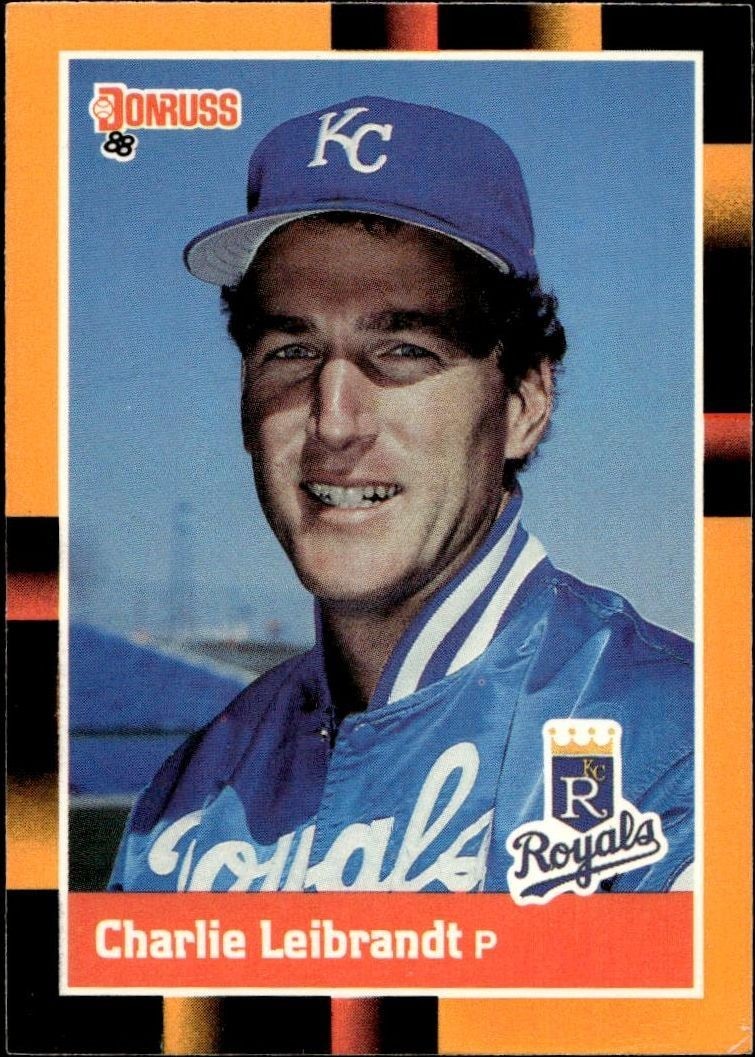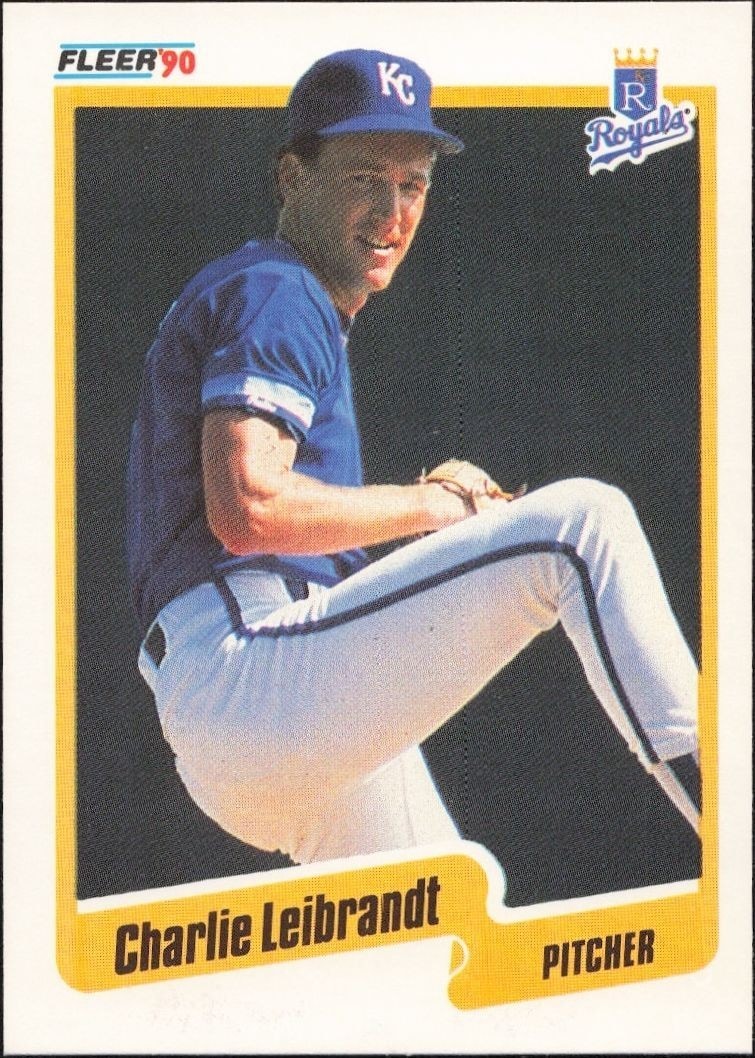


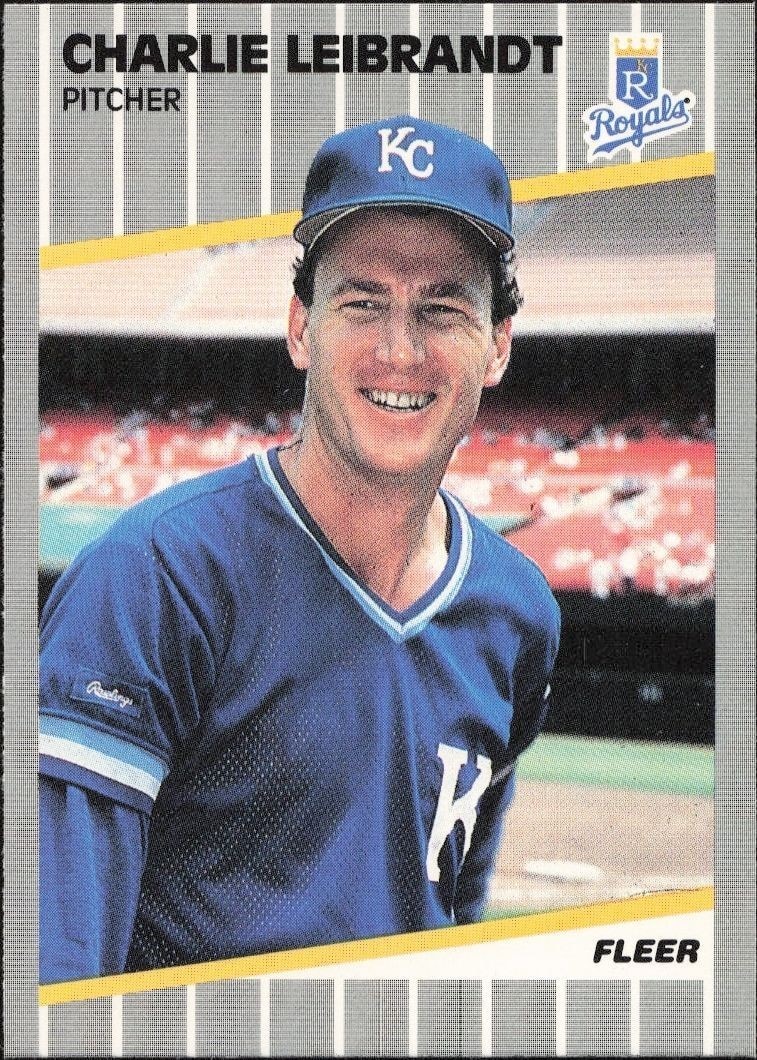

The 1990 Upper Deck Charlie Leibrandt #658 sports card showcases the Kansas City Royals pitcher in the foundational Low Number series.
1990 • Upper Deck • Low Number
Major League Baseball • Kansas City Royals
Excellent
658
New
Shipping Calculated at Checkout
This seller is away until 10/19/2026 — orders are still accepted and ship after they return.30-day Returns| Condition | Value | Source | Trend | Price Details |
|---|---|---|---|---|
$0.25 | Guide Estimate | |||
Raw / Ungraded
PriceCharting Price Guide · Guide Estimate evidence · captured Oct 11, 2026
History is building. At least two days of matching observations are needed to show a trend.
Each point is the last stored observation that day for this printing, condition, grader, autograph status and source. Gaps mean no observation; guide estimates and asking prices are not completed sales.The 1990 Upper Deck Charlie Leibrandt #658 sports card stands as a cornerstone of modern baseball collecting. As the inaugural release from Upper Deck, this set revolutionized the hobby by introducing glossy, full-bleed photography and a standardized size that distinguished it from predecessors. Charlie Leibrandt, a key member of the Kansas City Royals rotation during the early 1990s, is featured on this card, capturing the essence of the team's competitive era. Collectors often seek out Low Number cards from this set because they represent the earliest entries in the checklist, offering a tangible connection to the brand's legacy. Upper Deck's 1990 release is widely regarded as one of the most significant in trading card history, setting the template for future designs and manufacturing standards. The #658 assignment places this card within the sequential numbering system that collectors value for set completion and historical context. While Leibrandt did not appear in the 1990 Rookie card set, his inclusion here provides a vital link for enthusiasts tracking his career trajectory with the Royals. The card's design reflects the premium production values that helped Upper Deck establish its reputation among serious hobbyists. For investors and set builders, this Charlie Leibrandt card offers a blend of nostalgia and structural importance within the 1990 Upper Deck checklist. The Low Number series continues to attract attention as the series matures, with early numbers often commanding premium interest due to their foundational status in the brand's timeline. Acquiring this piece allows collectors to engage with a specific moment in MLB history while contributing to a complete portfolio of one of the hobby's most iconic releases. Whether used for display or as part of a broader collection, this card remains a respected item in the world of vintage baseball memorabilia.
19 hours ago
We'll pre-fill the product details from this catalog entry, so your listing lands on this exact page. Just add photos of your copy, pick its condition, and set your price.
The catalog profile below summarizes the card identity, featured subject, and notable collectible traits.
The core identity of the card within the set.
The subject, team, league, and sport context tied to this card.
Production details and format-specific attributes.
Material
Card Stock
Language
English
Compare prices, grades, photos, and shipping from approved sellers.
New
Excellent
See how many public collections currently include this card.
0 collectors have this card
This 1990 Upper Deck Charlie Leibrandt card sits at the lower end of the price spectrum, reflecting its status as a non-premium base item from a major set. While Leibrandt had a solid career tenure with the Kansas City Royals, this specific card lacks the scarcity or condition premiums that typically elevate a player's market value. It currently trades below market for higher-tier parallels or rookie variants, representing an accessible entry point for general collection rather than a high-value asset.
The card possesses no special attributes such as serial numbering, short printing, or parallel layering, meaning it exists as a standard base card within the Low Number series. Consequently, the supply is determined solely by the original print run of the base set, which is typically high and not constrained by limited edition mechanics. Without unique identifiers or low serial numbers, this item shares its supply pool with the vast majority of cards in the set.
As a non-rookie, base-level card from 1990, the investment potential is limited by the abundant supply and lack of exclusive collector demand drivers. The primary value retention relies on general nostalgia for the era and the Kansas City Royals brand, rather than specific card scarcity or rookie card premiums. Collectors seeking to build a complete set may find it a necessary component, but it is unlikely to appreciate significantly independent of broader market trends for vintage baseball cards.