Estimated delivery October 14, 2026 - October 16, 2026
30-day Returns
Market & Price History
Condition
Value
Source
Trend
Price Details
$1.75
Guide Estimate
0%
Based on Aggregated Price Guide
Estimate: $1.75, based on Guide Estimate.
Source date not available
Guide Estimate: $1.75. Evidence date not available.
Few comparable observations are available, so this estimate may be less reliable.
Over the last 30 days, stored prices ranged from $1.75 to $1.75 across 2 capture days. Change between Sep 24, 2026 and Sep 26, 2026: 0%. Compares the same source, grade and signed status. Capture days are not completed-sale counts.
$1.75
Source
Guide Estimate
Trend
0%
Price Details
Based on Aggregated Price Guide
Estimate: $1.75, based on Guide Estimate.
Source date not available
Guide Estimate: $1.75. Evidence date not available.
Few comparable observations are available, so this estimate may be less reliable.
Over the last 30 days, stored prices ranged from $1.75 to $1.75 across 2 capture days. Change between Sep 24, 2026 and Sep 26, 2026: 0%. Compares the same source, grade and signed status. Capture days are not completed-sale counts.
Each point is the last stored observation that day for this printing, condition, grader, autograph status and source. Gaps mean no observation; guide estimates and asking prices are not completed sales.
Product Overview
Description
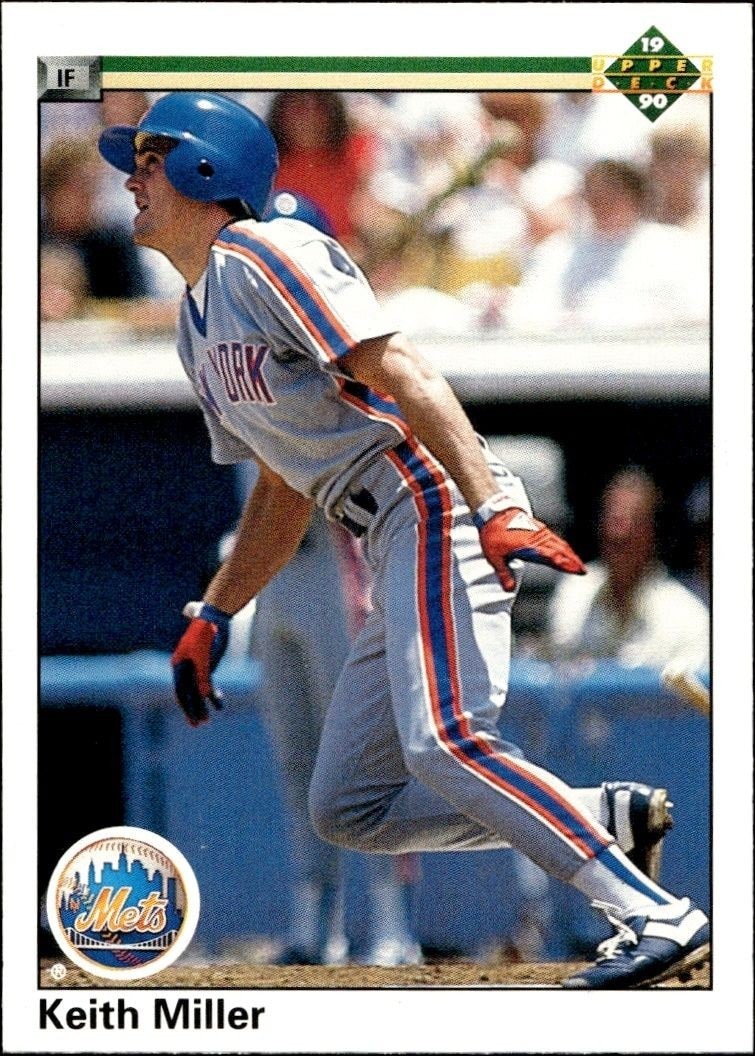
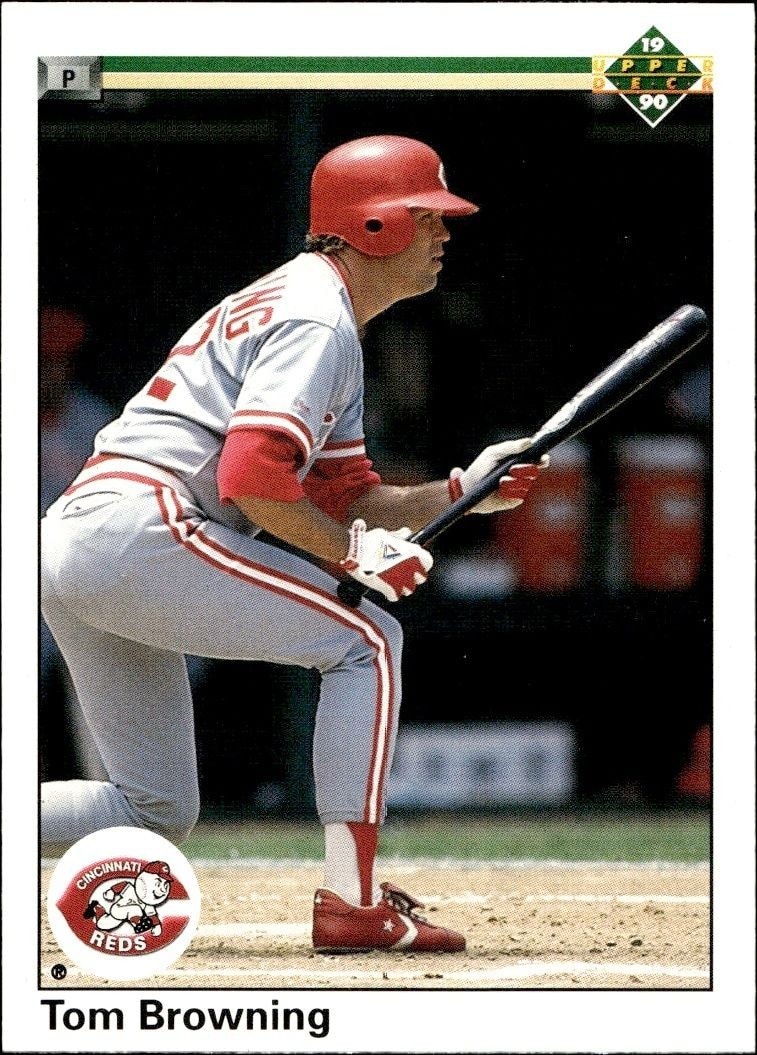
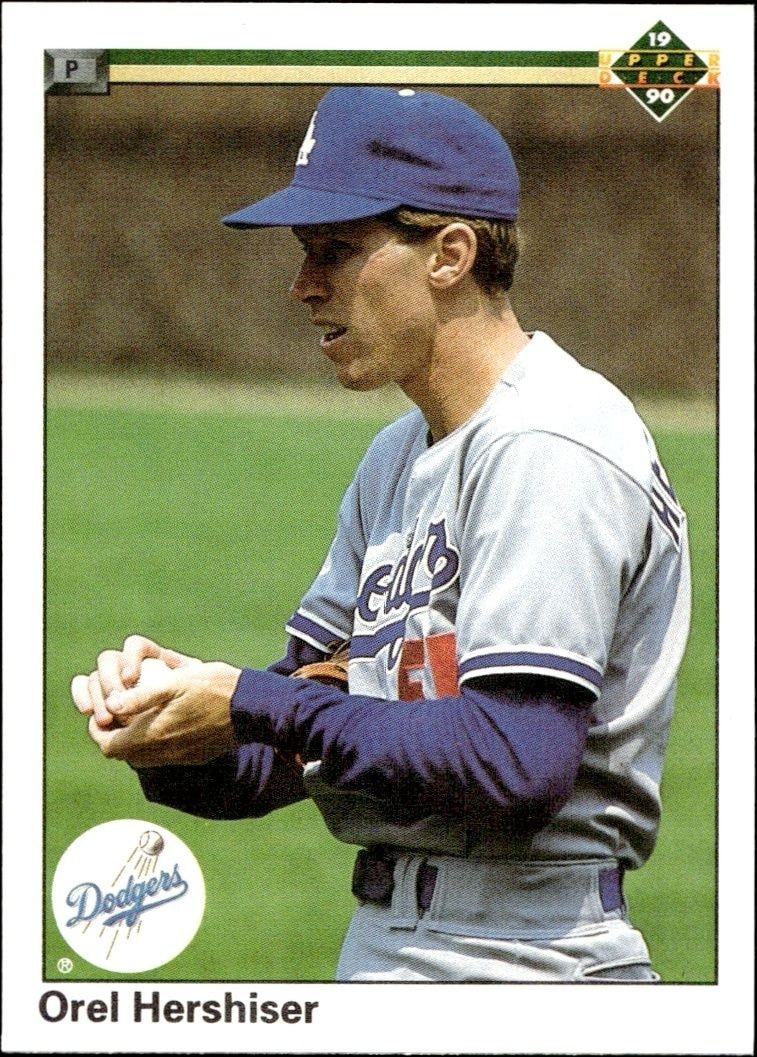
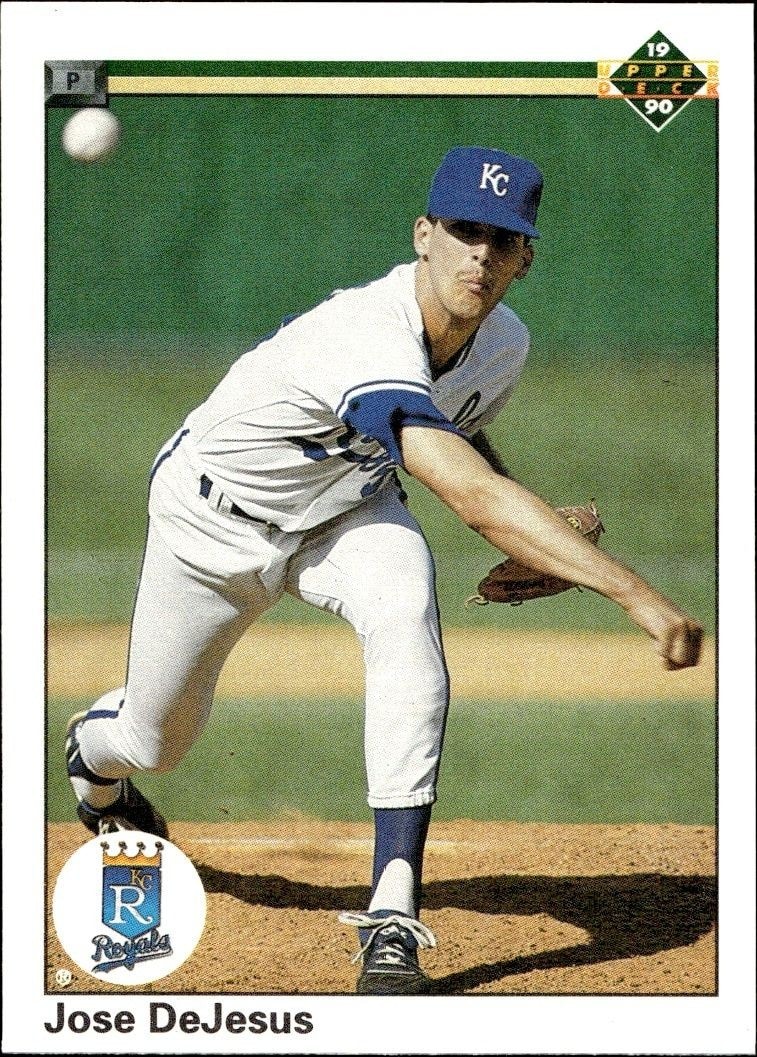
The 1990 Upper Deck Checklist 500 serves as a critical reference point for enthusiasts of the inaugural Upper Deck baseball set. As card number 500 in the base set, this checklist card provides essential information about the other issues in the 1990 release, making it a vital component for anyone looking to understand the structure of this landmark product. Collectors often seek this card to complete their base set collections, as it bridges the gap between the early numbered cards and the rest of the series. Upper Deck revolutionized the sports card market with its glossy finish and full-bleed photography, and the 1990 release was the first to showcase this new aesthetic. The checklist card itself is a functional piece of the set, listing the players and cards included in the broader 1990 Upper Deck baseball lineup. For investors and historians of the hobby, this card represents the tail end of the primary base set, marking the completion of the main sequence before any parallels or inserts were introduced. For those building a comprehensive collection of 1990s baseball cards, the 1990 Upper Deck Checklist 500 is more than just a list; it is a piece of collecting history. It anchors the set and provides context for the players featured during that specific season. Whether you are a novice collector or a seasoned veteran, including this card in your portfolio adds depth to your understanding of the Upper Deck brand and its impact on the baseball card industry. Focus on the historical significance of the 1990 Upper Deck release and the role this checklist plays in the broader narrative of modern sports card collecting.
Last Listing Activity
3 days ago
Seller Action
Have one of these to sell?
We'll pre-fill the product details from this catalog entry, so your listing lands on this exact page. Just add photos of your copy, pick its condition, and set your price.
Product Specs
Card Details
The catalog profile below summarizes the card identity, featured subject, and notable collectible traits.
Estimated delivery October 14, 2026 - October 16, 2026
Collector Ownership
Owned by Collectors
See how many public collections currently include this card.
0 collectors have this card
SuperCatch Expert Analysis
Market Value Insight
This 1990 Upper Deck Checklist card sits at the very bottom of the price tier, reflecting its status as a standard insert rather than a key parallel or serial-numbered piece. While the 1990 Upper Deck set is historically significant for modernizing baseball card design, this specific checklist variant lacks the condition premiums or scarcity drivers that elevate other cards in the series. It trades well below market for key rookie cards or short-print parallels from the same set, positioning it as an affordable entry point rather than a premium asset.
Rarity Breakdown
The item carries no special scarcity attributes such as serial numbering, short-print status, or one-of-one designations, indicating a standard production run within the 'Low Number' series. As a checklist card, its supply is determined by general print volume rather than limited edition mechanics, making it widely available to collectors. The absence of unique identifiers or limited parallel features means its rarity is comparable to base cards, offering no structural constraint on supply.
Investment Outlook
As a non-rookie, non-parallel item from a foundational set, this card lacks the primary demand drivers that typically fuel investment growth in vintage baseball cards. Collector interest is likely driven by set completionists seeking to fill gaps in their 1990 Upper Deck collections rather than speculative buyers. Long-term value appreciation is unlikely without significant shifts in broader vintage set demand, as it does not benefit from rookie card premiums or scarcity-based pricing mechanics.