

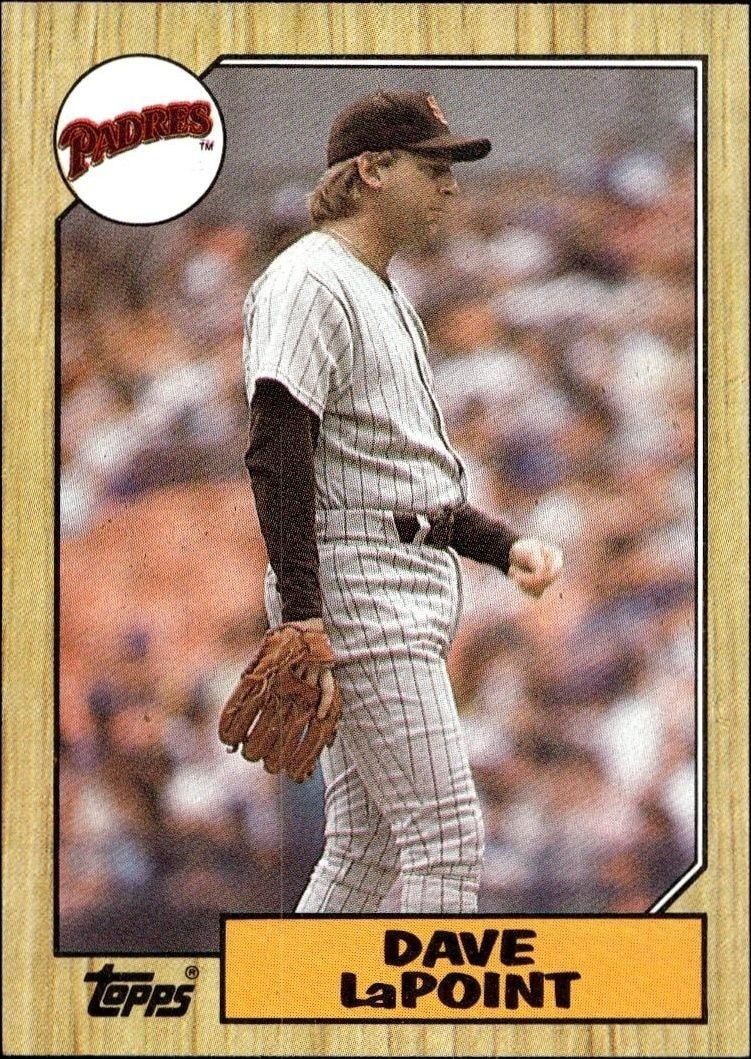




Explore the 1990 Upper Deck Low Number release featuring Dave LaPoint #507. This classic baseball card represents a pivotal era in sports card collecting.
1990 • Upper Deck • Low Number
Major League Baseball • New York Yankees
Excellent
507
New
Shipping Calculated at Checkout
This seller is away until 10/19/2026 — orders are still accepted and ship after they return.30-day Returns| Condition | Value | Source | Trend | Price Details |
|---|---|---|---|---|
$1.11 | Guide Estimate | |||
Raw / Ungraded
PriceCharting Price Guide · Guide Estimate evidence · captured Oct 11, 2026
History is building. At least two days of matching observations are needed to show a trend.
Each point is the last stored observation that day for this printing, condition, grader, autograph status and source. Gaps mean no observation; guide estimates and asking prices are not completed sales.This release, numbered 507, features Dave LaPoint and captures the aesthetic of early 1990s baseball card design. Upper Deck revolutionized the hobby with its high-gloss photography and vibrant color palettes, setting a new standard for visual quality that collectors still appreciate today. For collectors interested in the 1990 Upper Deck Low Number set, this card offers a tangible connection to a specific moment in baseball history. The low-numbered format often holds significant appeal for enthusiasts who enjoy the challenge of tracking down complete sets or hunting for specific numbers within the series. Each card in this release was produced with meticulous attention to detail, ensuring that the imagery and layout reflect the high production values Upper Deck was known for. Dave LaPoint, depicted on card #507, was a notable pitcher during his career, and this card serves as a key piece for those completing the 1990 Upper Deck Low Number collection. Collectors often seek out this era for its nostalgic value and the foundational role it played in modernizing the trading card industry. Whether you are a dedicated set builder or a fan of vintage baseball memorabilia, the 1990 Upper Deck Low Number series offers a compelling glimpse into the past. The combination of historical significance, iconic design, and the enduring popularity of the Upper Deck brand makes these cards a staple for any serious collection. As the hobby continues to grow, cards from this era remain highly sought after for their role in defining the modern trading card experience.
1 day ago
We'll pre-fill the product details from this catalog entry, so your listing lands on this exact page. Just add photos of your copy, pick its condition, and set your price.
The catalog profile below summarizes the card identity, featured subject, and notable collectible traits.
The core identity of the card within the set.
The subject, team, league, and sport context tied to this card.
Production details and format-specific attributes.
Material
Card Stock
Language
English
Compare prices, grades, photos, and shipping from approved sellers.
New
Excellent
See how many public collections currently include this card.
0 collectors have this card
This 1990 Upper Deck card represents a foundational entry into the modern baseball card era, offering significant historical context as one of the earliest high-profile releases from this iconic brand. While the subject, Dave LaPoint, lacks the superstar cachet of his teammates, the card's value is anchored by its position within the 'Low Number' series designation, suggesting a tiered pricing structure based on the specific serial number assigned. The current market presence indicates a stable, accessible price point for collectors seeking early Upper Deck inventory without the premium associated with Hall of Fame-level subjects.
The card is identified within the 'Low Number' series, which implies a scarcity mechanic tied to the specific integer of the card's serial number rather than a separate short-print subset or parallel variation. Without explicit data on the total print run or the specific number assigned to this item, the rarity is defined by the general collectibility of low serials in early 1990s sets, where lower numbers often command attention from completionists. The absence of special attributes like autographs or memorabilia keeps the supply relatively open compared to premium inserts, but the 'Low Number' branding adds a layer of hierarchical scarcity within the base set.
As a 1990 release, this card benefits from the enduring collector interest in the first wave of Upper Deck products, which established new quality standards for the industry. The investment potential is driven by the 'Low Number' theme, appealing to niche collectors who focus on serial number patterns or low integers, rather than broad market demand for the player himself. Long-term value will likely remain steady among vintage Upper Deck completists, with any appreciation dependent on the specific serial number's appeal rather than the player's career achievements.