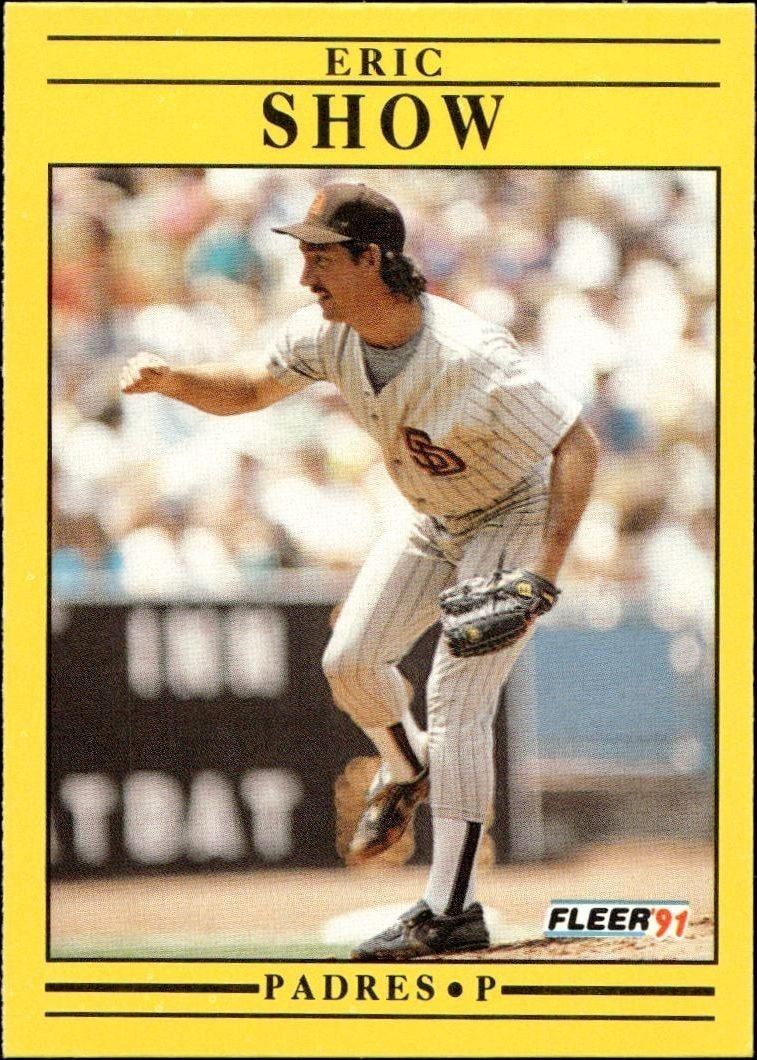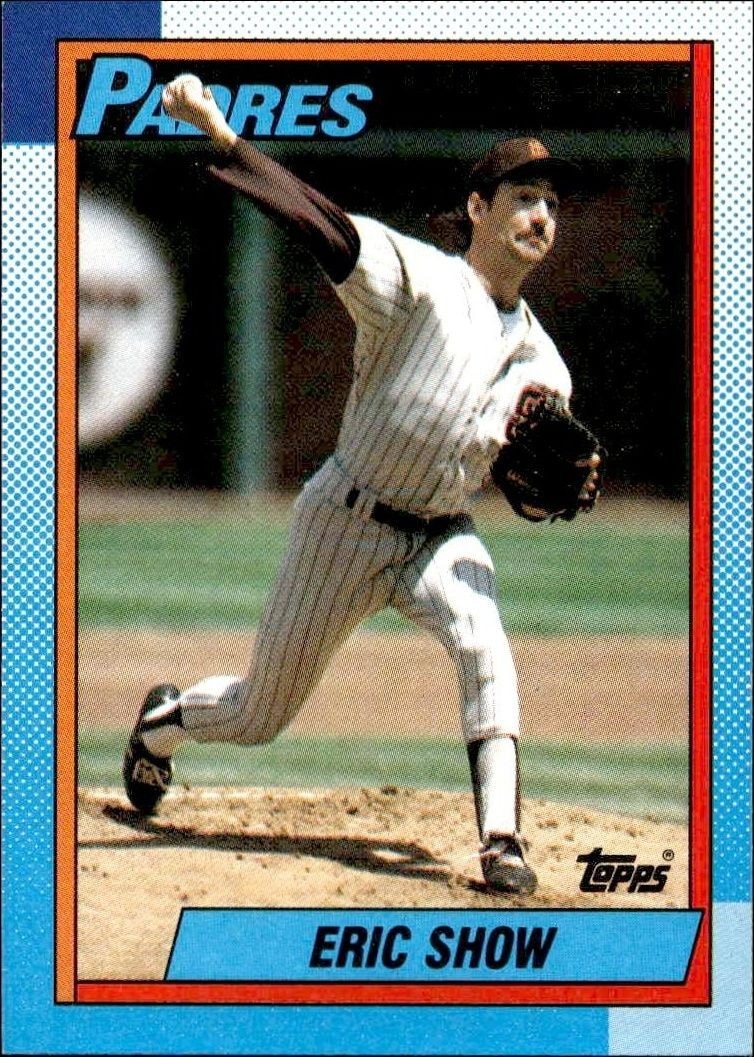


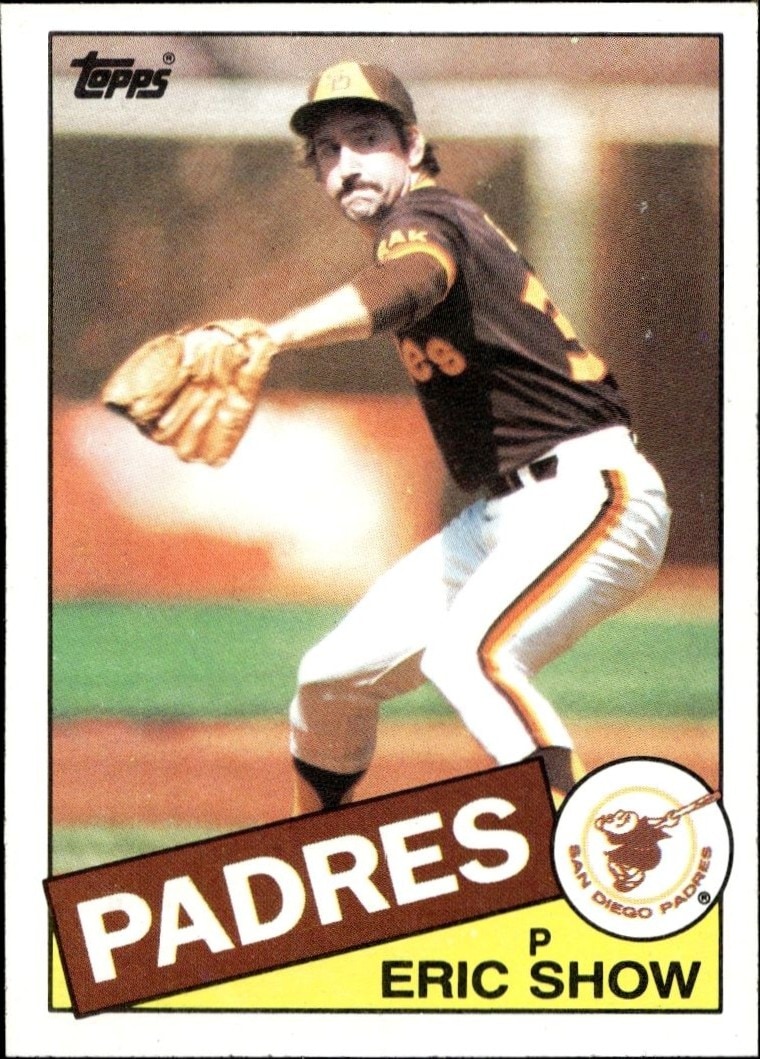
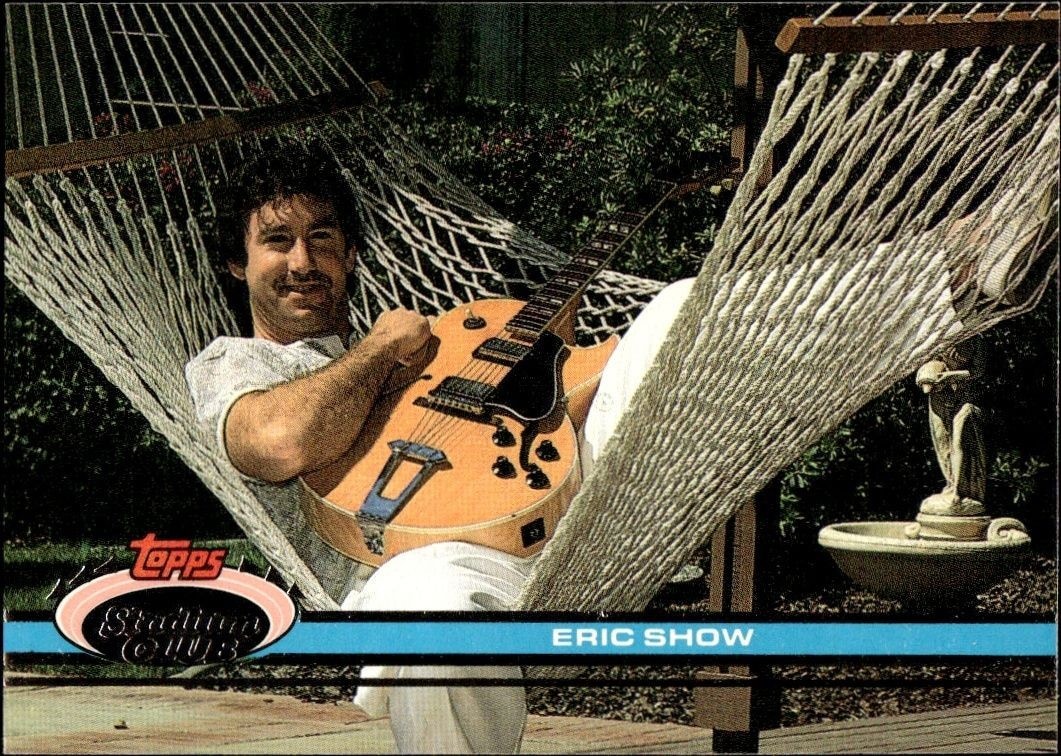
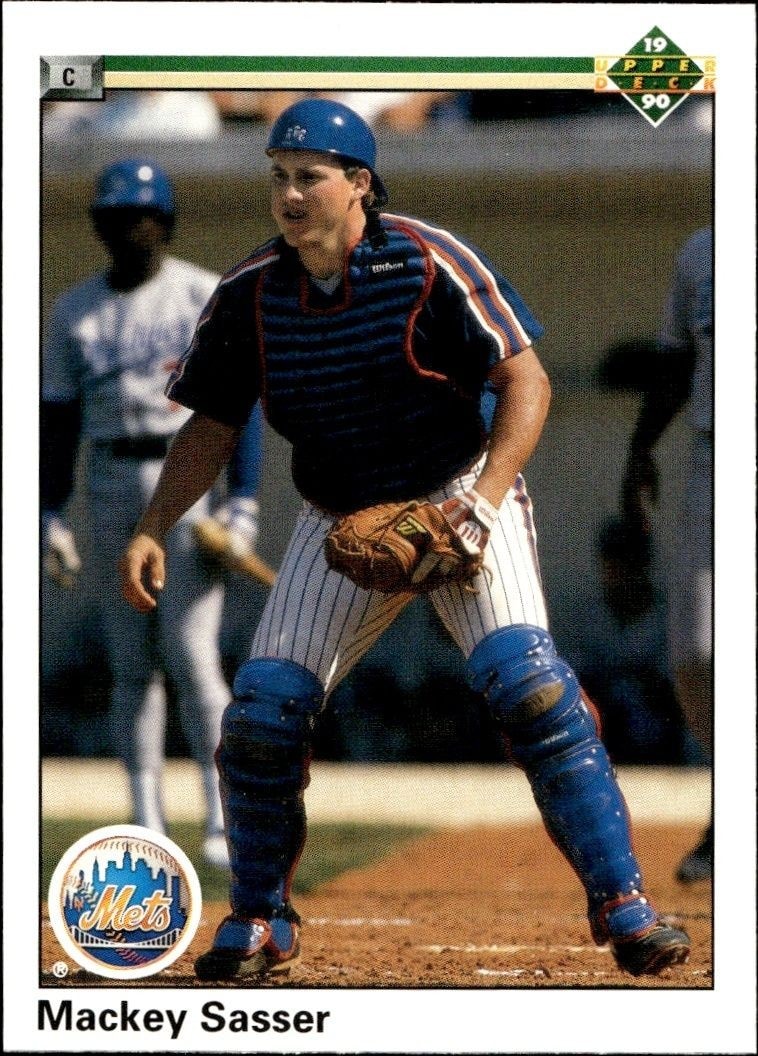
The 1990 Upper Deck Eric Show #587 baseball card features the San Diego Padres player in a classic vintage design from one of the most recognizable sets in sports history.
1990 • Upper Deck • Low Number
Major League Baseball • San Diego Padres
Near Mint
587
New
Shipping Calculated at Checkout
This seller is away until 10/19/2026 — orders are still accepted and ship after they return.30-day Returns| Condition | Value | Source | Trend | Price Details |
|---|---|---|---|---|
$1.35 | Guide Estimate | |||
Raw / Ungraded
PriceCharting Price Guide · Guide Estimate evidence · captured Oct 11, 2026
History is building. At least two days of matching observations are needed to show a trend.
Each point is the last stored observation that day for this printing, condition, grader, autograph status and source. Gaps mean no observation; guide estimates and asking prices are not completed sales.The 1990 Upper Deck Eric Show #587 baseball card represents a tangible piece of San Diego Padres history from the early 1990s Major League Baseball era. As part of the foundational 1990 Upper Deck release, this card is one of the first produced by the manufacturer using a standardized 2.5 x 3.5-inch format, which revolutionized the trading card industry with its clean, borderless photography style. Eric Show, a right-handed pitcher who spent a significant portion of his career with the Padres, is featured here as a key roster member during a competitive period for the franchise. Collectors often seek out this card number to complete their 1990 Upper Deck base set, which remains a popular target for vintage enthusiasts. The card serves as a nostalgic reminder of Show's time on the mound in San Diego, capturing a specific moment in the team's recent past. For investors and hobbyists alike, vintage baseball cards from this era hold a special place in the market due to their widespread distribution and enduring appeal among older collectors who grew up with the brand. Whether you are building a team set, focusing on vintage pitchers, or simply appreciating the aesthetic of 1990s sports card design, this Eric Show card offers a direct connection to the sport's heritage.
1 day ago
We'll pre-fill the product details from this catalog entry, so your listing lands on this exact page. Just add photos of your copy, pick its condition, and set your price.
The catalog profile below summarizes the card identity, featured subject, and notable collectible traits.
The core identity of the card within the set.
The subject, team, league, and sport context tied to this card.
Production details and format-specific attributes.
Material
Card Stock
Language
English
Compare prices, grades, photos, and shipping from approved sellers.
New
Near Mint
See how many public collections currently include this card.
0 collectors have this card
This 1990 Upper Deck Eric Show card trades at a modest entry point, reflecting its status as a non-premium parallel or base issue from a highly saturated era of baseball production. While Show had a notable career with the San Diego Padres, the lack of special attributes keeps this specific item in a lower price tier compared to his rookie or high-end parallels. Current market activity suggests steady, low-volume demand typical of mid-tier players from the early 1990s.
The card is identified within the 'Low Number' series, a designation that implies a potential scarcity mechanic through serial numbering or subset positioning, though no specific serial count is provided. Without noted parallels, short-print status, or one-of-one attributes, the supply is likely constrained only by the original print run of this specific subset rather than unique scarcity mechanics. The absence of special attributes suggests this is a standard production piece within the broader set context.
As a card from 1990, it misses the rookie-card premium window, which limits its potential for significant appreciation driven by career milestones. Collector interest is primarily driven by nostalgia for the era and specific team fandom rather than grade-dependent scarcity or high-end collectibility. Investors should view this as a low-risk acquisition for portfolio diversification rather than a high-growth asset, given the abundant supply of similar era cards.