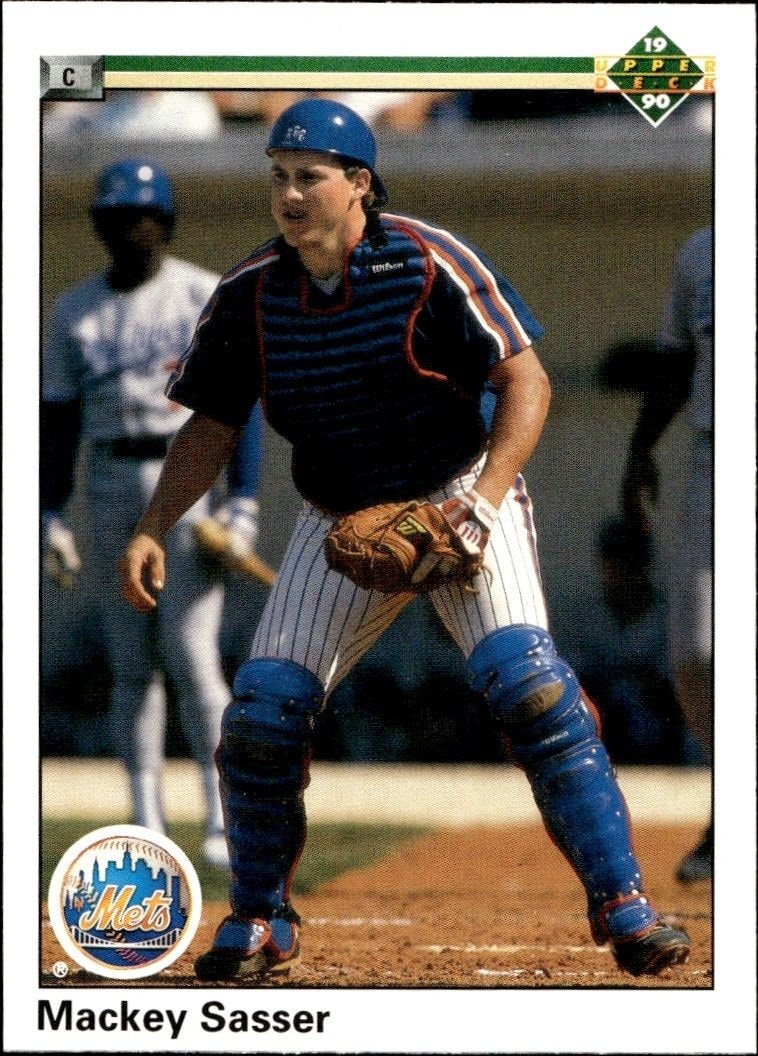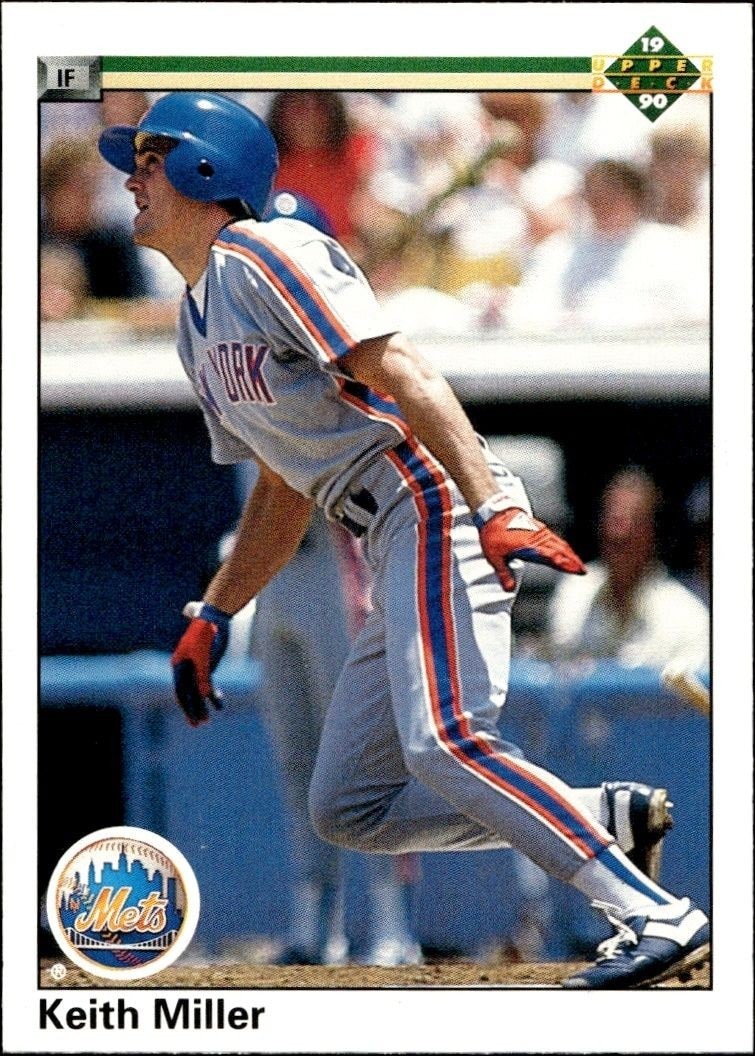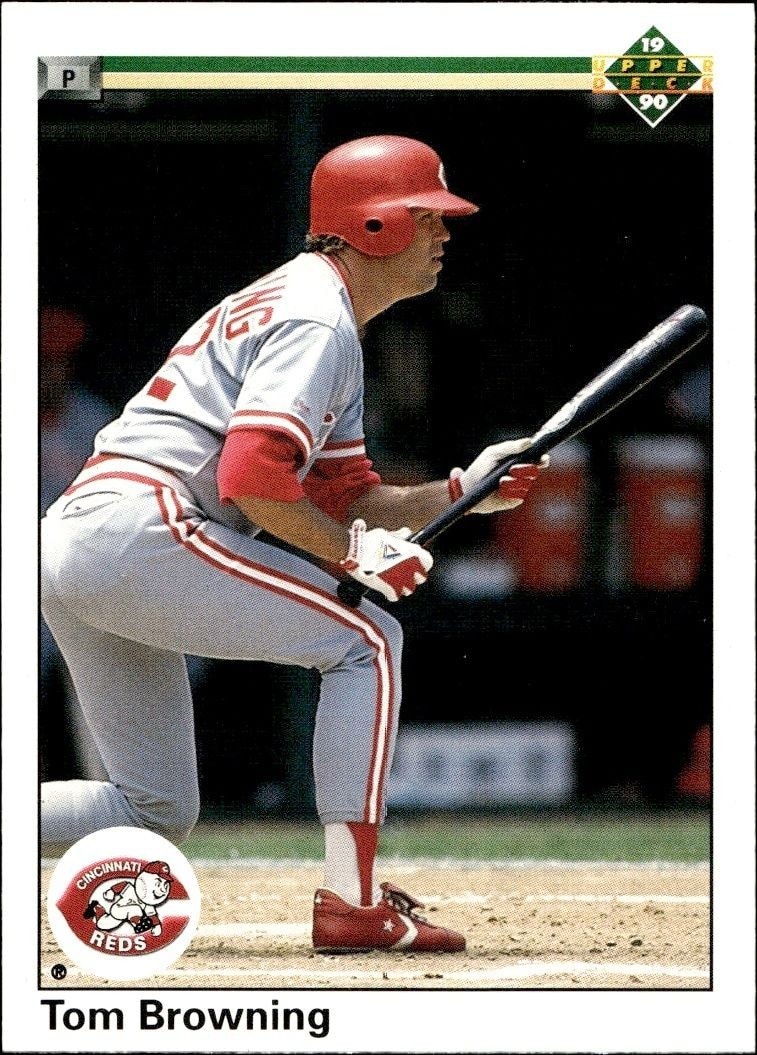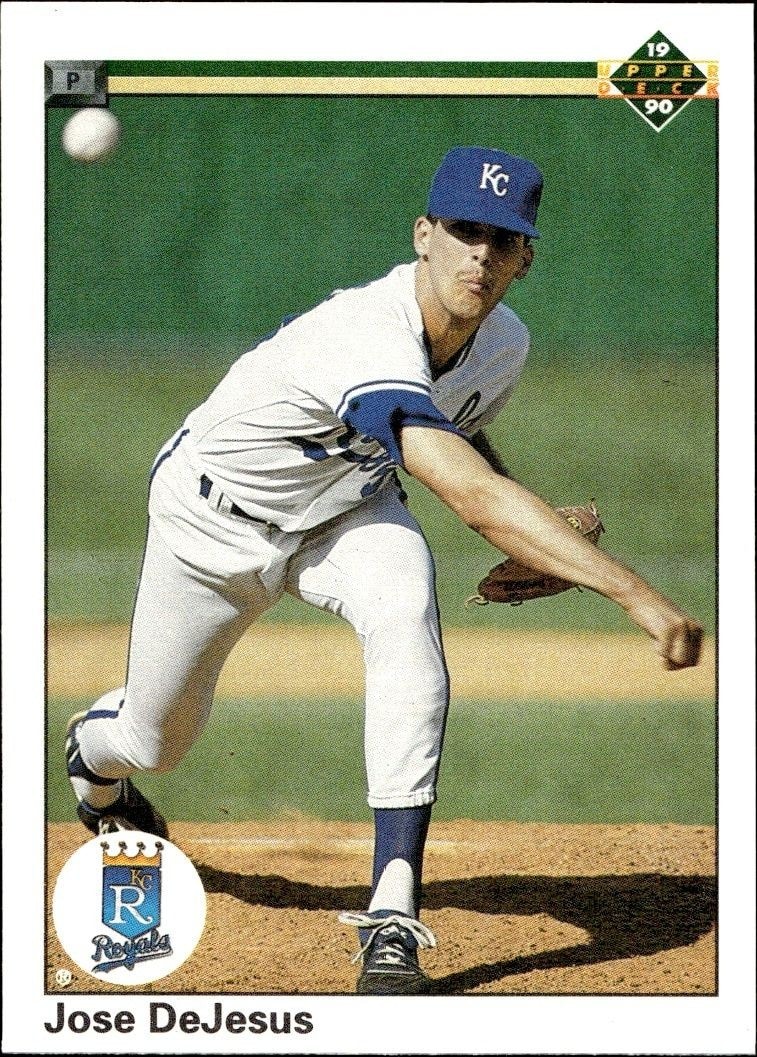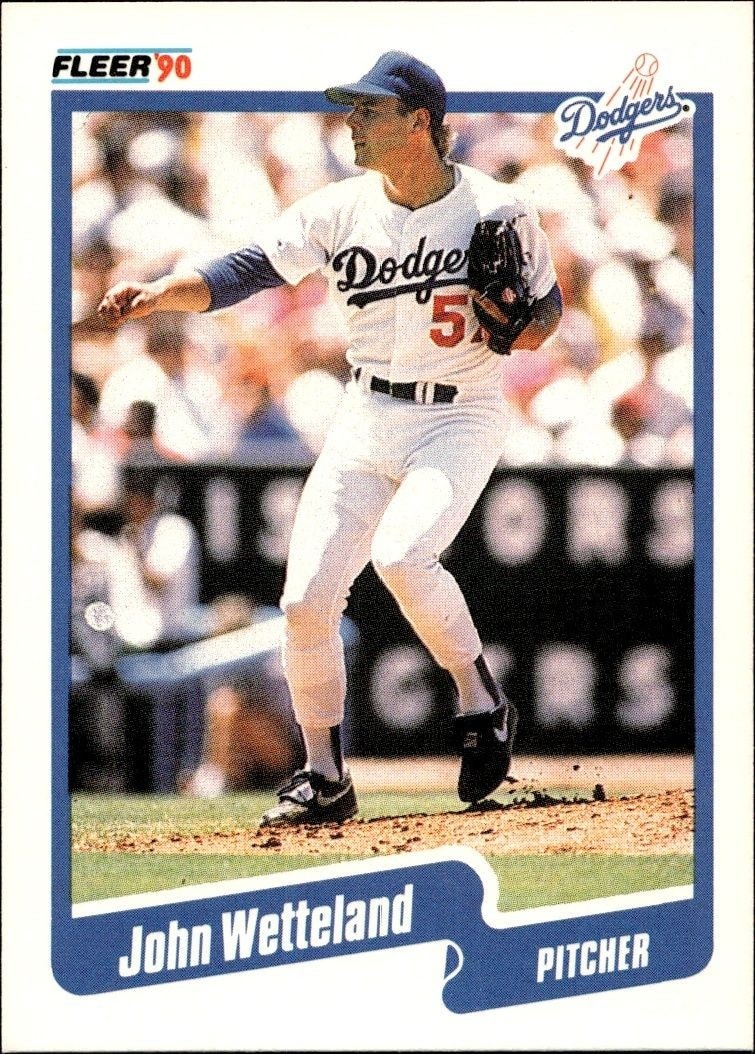


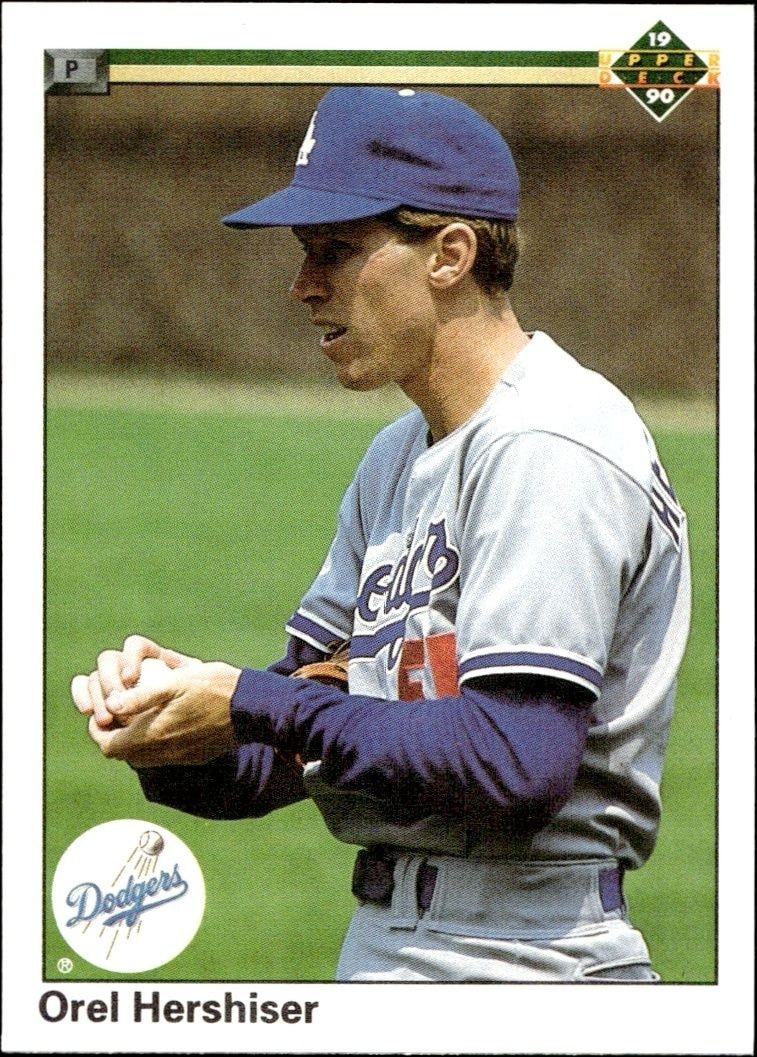
Explore the John Wetteland 1990 Upper Deck #377 baseball card, a collectible piece from one of the most iconic sets in sports card history.
1990 • Upper Deck • Low Number
Major League Baseball • Los Angeles Dodgers
Near Mint
377
New
Shipping Calculated at Checkout
This seller is away until 10/19/2026 — orders are still accepted and ship after they return.30-day Returns| Condition | Value | Source | Trend | Price Details |
|---|---|---|---|---|
$1.02 | Guide Estimate | +1% | ||
$4.49 | Guide Estimate | 0% | ||
$5.00 | Guide Estimate | 0% | ||
$29.00 | Guide Estimate | 0% | ||
$13.00 | Guide Estimate | 0% | ||
$21.99 | Guide Estimate | 0% | ||
$13.00 | Guide Estimate | 0% | ||
Raw / Ungraded
PriceCharting Price Guide · Guide Estimate evidence · captured Oct 13, 2026
Within this set, card number 377 features John Wetteland during his tenure with the Los Angeles Dodgers. This release captures the pitcher at a pivotal moment in his career, offering collectors a tangible connection to the 1990 Major League Baseball season. Upper Deck's approach to the Low Number subset provided a premium feel that appealed to both casual fans and serious set builders. The card's design reflects the brand's commitment to high-end manufacturing, utilizing superior card stock and sharp printing techniques that have aged well over the decades. For investors and hobbyists, this product represents a foundational element of 1990s baseball collecting. It serves as an essential component for those looking to complete the base set or focus specifically on Dodgers roster history. The enduring popularity of the 1990 Upper Deck line ensures that individual cards like this one remain relevant in the secondary market. Collectors often seek out these cards to document the careers of notable MLB players from the early 1990s era. Whether you are building a comprehensive collection or targeting specific teams, this card offers a classic entry point into the hobby. Its place in the Upper Deck catalog makes it a recognizable and respected item among enthusiasts of vintage sports memorabilia. The combination of the brand's legacy, the specific year, and the player's association with a historic franchise creates a compelling narrative for any display.
16 hours ago
We'll pre-fill the product details from this catalog entry, so your listing lands on this exact page. Just add photos of your copy, pick its condition, and set your price.
The catalog profile below summarizes the card identity, featured subject, and notable collectible traits.
The core identity of the card within the set.
The subject, team, league, and sport context tied to this card.
Production details and format-specific attributes.
Material
Card Stock
Language
English
Compare prices, grades, photos, and shipping from approved sellers.
New
Near Mint
See how many public collections currently include this card.
0 collectors have this card
This 1990 Upper Deck card of John Wetteland sits at the lower end of the market value spectrum, reflecting the modest current asking price and limited active listings. As a relief pitcher rather than a primary starter, Wetteland's cards generally command less attention than premier position players from the same era. The current pricing suggests a stable but low-tier valuation typical for common base cards of veteran role players from the early 1990s.
The card lacks any noted special attributes such as serial numbering, short-print status, or parallel variations, indicating it is a standard base issue. This absence of scarcity mechanics means the supply is determined by the original print run rather than limited production constraints. Consequently, the item does not carry the rarity premiums associated with serial-numbered or insert subsets found in the same set.
Investment potential is limited by the card's status as a common base issue from a highly saturated era of baseball card production. Collector demand for this specific card is likely driven only by completists of the 1990 Upper Deck Low Number set or niche Wetteland collectors. Without unique scarcity features or rookie card status, long-term appreciation is unlikely to outperform broader market trends for common vintage baseball cards.