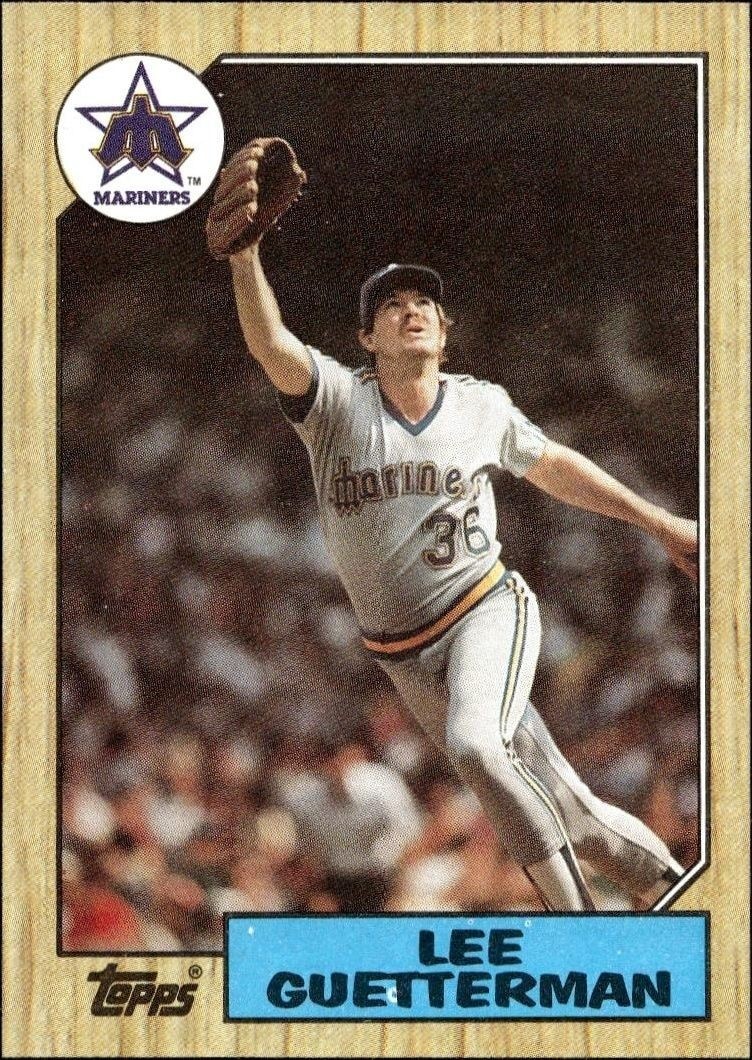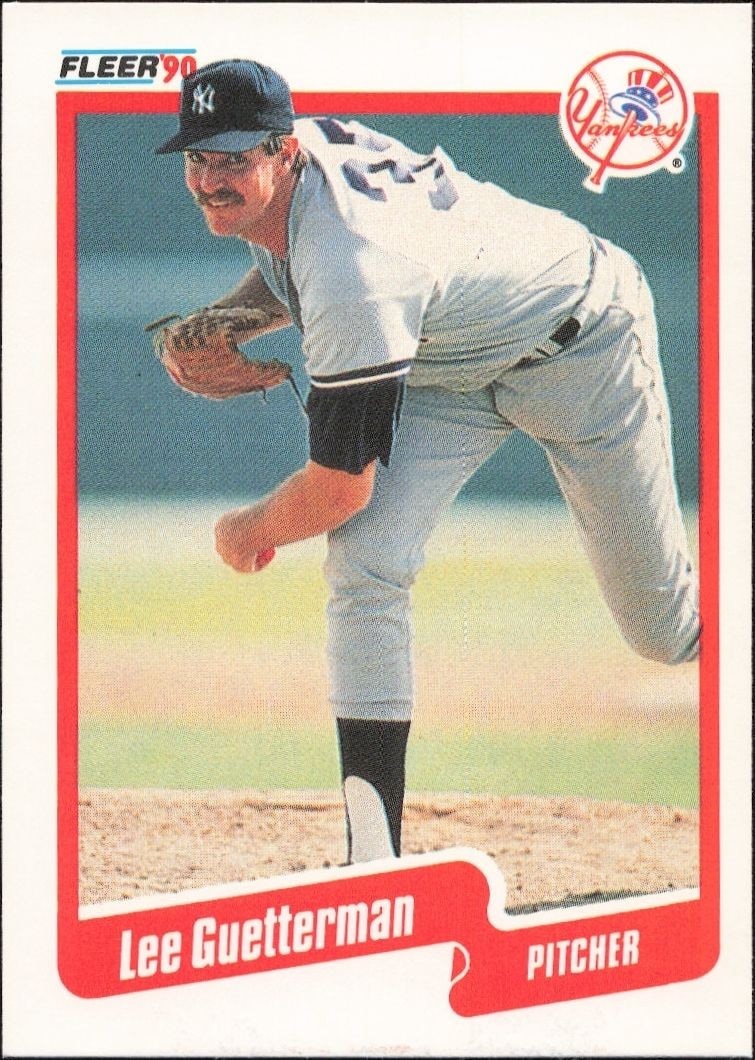
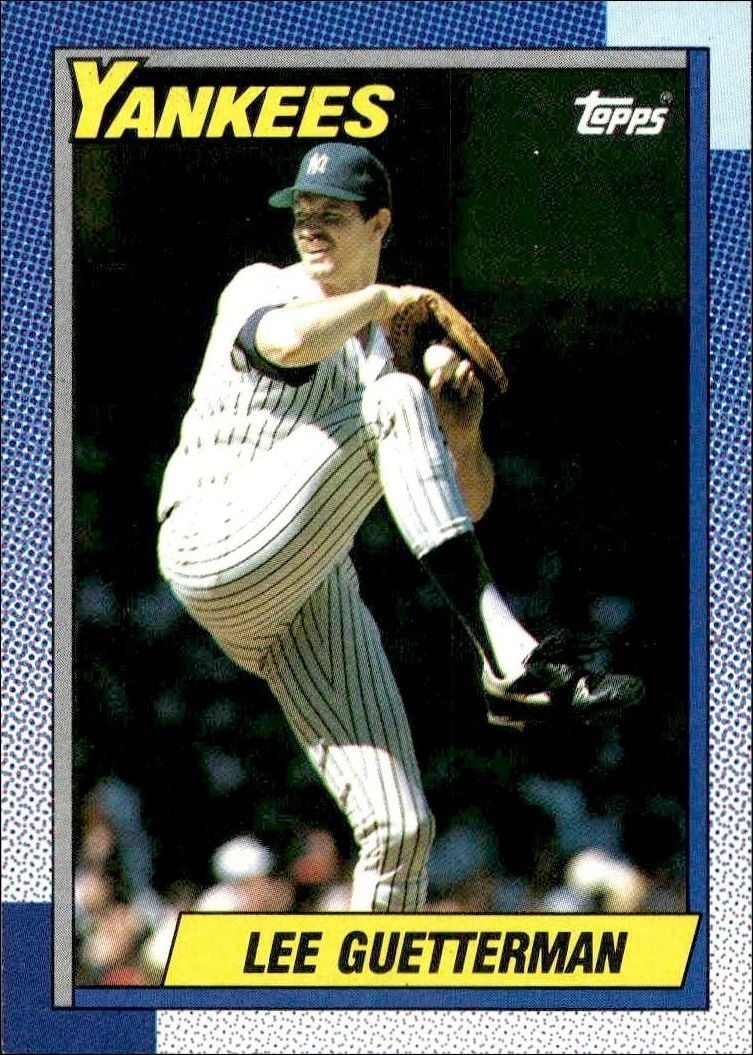
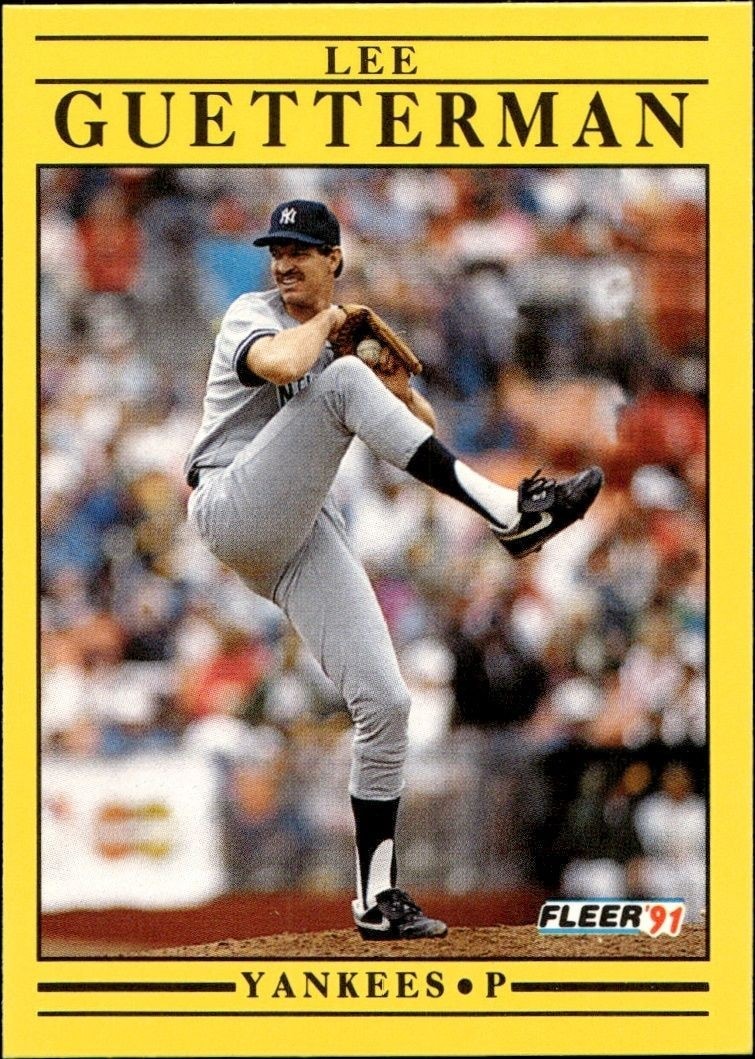
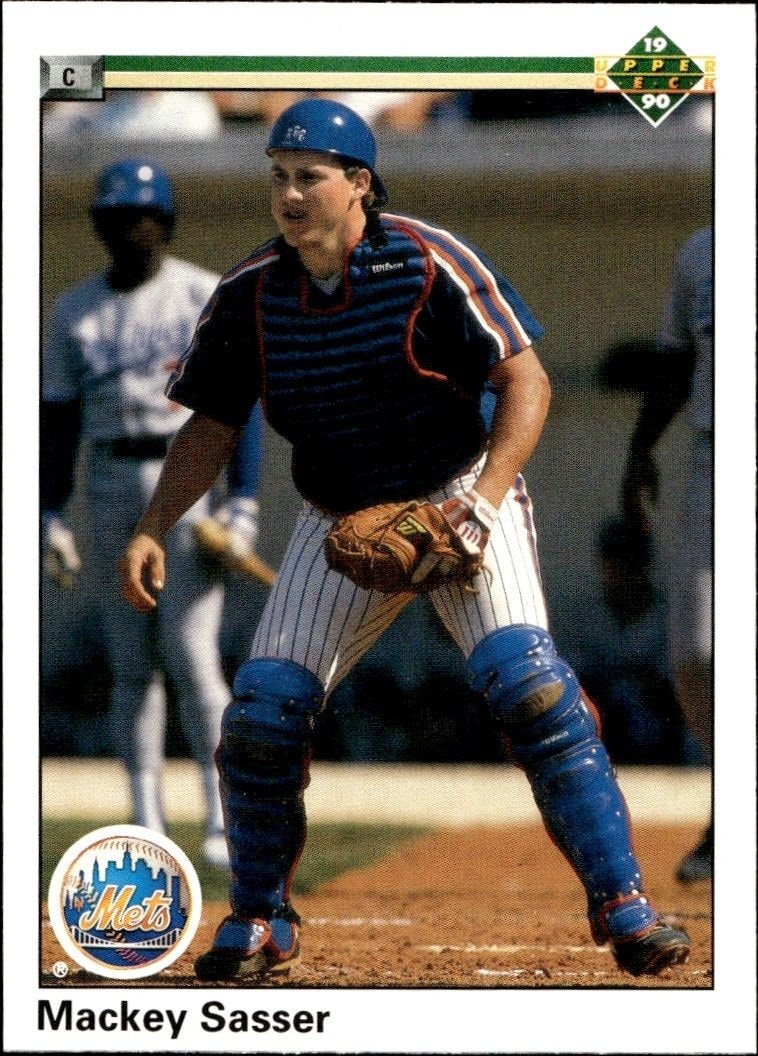
The 1990 Upper Deck Lee Guetterman #318 baseball card features the New York Yankees player in one of the sport's first major high-definition photographic releases.
1990 • Upper Deck • Low Number
Major League Baseball • New York Yankees
Excellent
318
New
Shipping Calculated at Checkout
30-day Returns| Condition | Value | Source | Trend | Price Details |
|---|---|---|---|---|
$1.11 | Guide Estimate | |||
$2.12As of 4/14/2026 | Evidence Type Unavailable | |||
$0.99As of 4/14/2026 | Evidence Type Unavailable | |||
Raw / Ungraded
PriceCharting Price Guide · Guide Estimate evidence · captured Oct 10, 2026
History is building. At least two days of matching observations are needed to show a trend.
Each point is the last stored observation that day for this printing, condition, grader, autograph status and source. Gaps mean no observation; guide estimates and asking prices are not completed sales.The 1990 Upper Deck Lee Guetterman #318 baseball card represents a significant entry in the history of sports trading cards, marking the debut of a brand that would redefine the industry. As the first major set to feature high-definition photography on every card, Upper Deck introduced a new visual standard that collectors still appreciate today. This issue, number 318, showcases Lee Guetterman during his tenure with the New York Yankees, capturing a player known for his clutch hitting and consistent performance throughout the late 1980s and early 1990s. For collectors, this card is more than just a snapshot of a player; it is a piece of baseball history that reflects the aesthetic and production values of its time. The clean, white border design and the crisp photographic quality of the 1990 Upper Deck set have made it a favorite among those who value both the visual appeal and the historical significance of the era. Lee Guetterman, a versatile infielder and outfielder, adds to the card's appeal for Yankees fans and those who follow the team's rich legacy. The 1990 Upper Deck set is widely regarded as a cornerstone of modern collecting, and individual cards like #318 are sought after for their role in that narrative. Whether you are building a complete set of 1990 Upper Deck cards or focusing on specific players like Lee Guetterman, this card offers a tangible connection to a pivotal year in baseball memorabilia. The card's design and production quality continue to resonate with collectors who appreciate the blend of sports history and artistic presentation that Upper Deck pioneered. Exploring the 1990 Upper Deck Lee Guetterman #318 card provides insight into the evolution of trading card design and the enduring appeal of classic baseball imagery. It remains a relevant and desirable item for those who collect sports cards from the early 1990s, offering a glimpse into a time when photography became central to the hobby's identity.
1 hour ago
We'll pre-fill the product details from this catalog entry, so your listing lands on this exact page. Just add photos of your copy, pick its condition, and set your price.
The catalog profile below summarizes the card identity, featured subject, and notable collectible traits.
The core identity of the card within the set.
The subject, team, league, and sport context tied to this card.
Production details and format-specific attributes.
Material
Card Stock
Language
English
Compare prices, grades, photos, and shipping from approved sellers.
New
Excellent
See how many public collections currently include this card.
0 collectors have this card
Lee Guetterman's 1990 Upper Deck card represents a value entry point within the broader set, trading at a modest level relative to more prominent stars of that era. The absence of special attributes suggests this is a standard base card, meaning it lacks the condition premiums or scarcity drivers that elevate other issues in the Low Number series. Its current positioning reflects a stable but unremarkable market presence typical of role players from the early 1990s.
This card does not exhibit specific scarcity mechanics such as serial numbering, short printing, or parallel variants, as no special attributes are noted in the description. It is likely a standard base issue within the 1990 Upper Deck Low Number set, implying a higher overall supply compared to its limited counterparts. The lack of distinguishing features means it does not benefit from the supply constraints that typically drive rarity premiums in this set.
As a standard base card from a significant early 1990s set, this item relies on general nostalgia rather than specific collector demand drivers. The absence of rookie card status or unique parallel attributes limits its potential for significant appreciation compared to other issues in the Upper Deck lineup. Investors should view this as a complementary piece for complete set builders rather than a standalone growth asset.