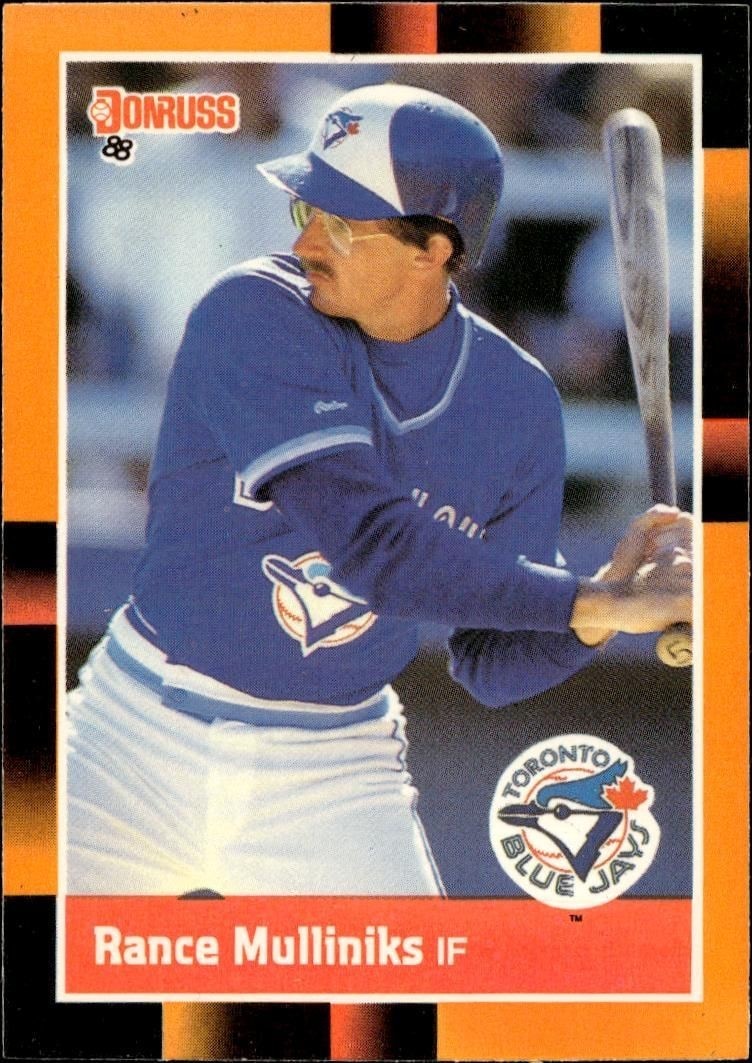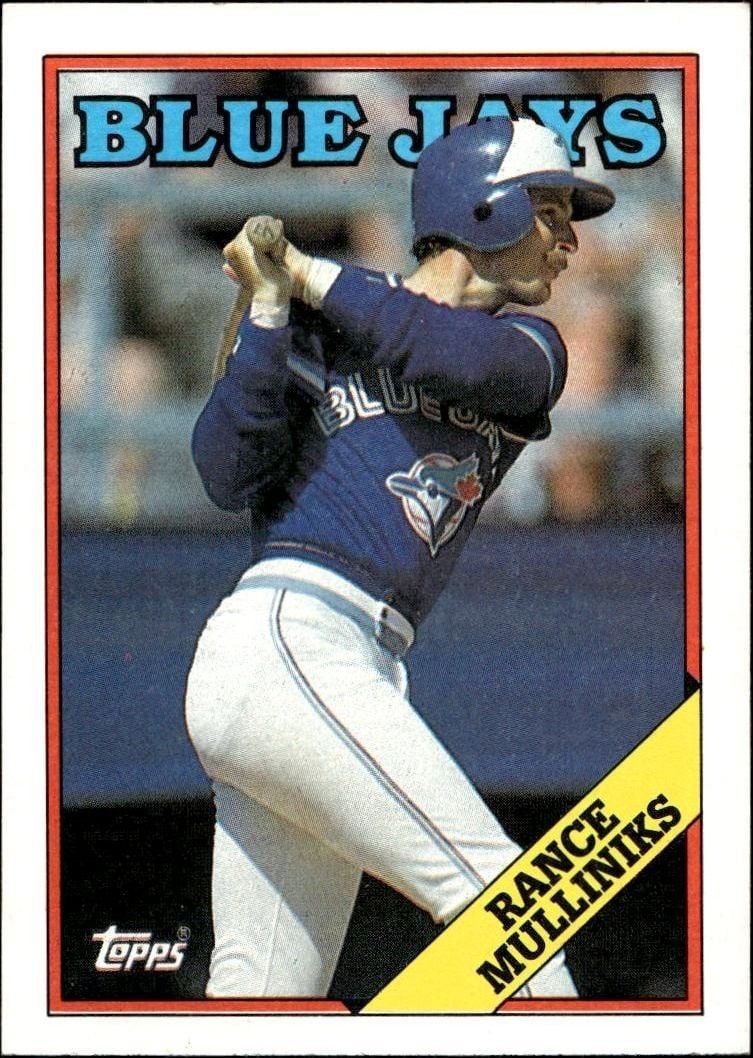

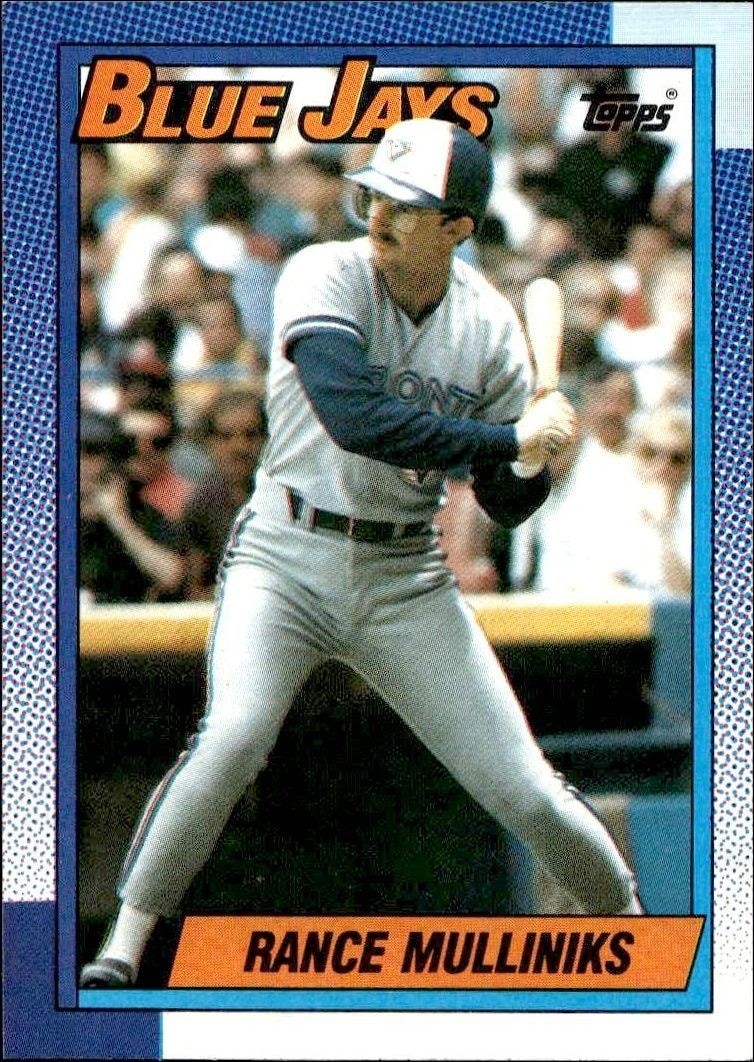
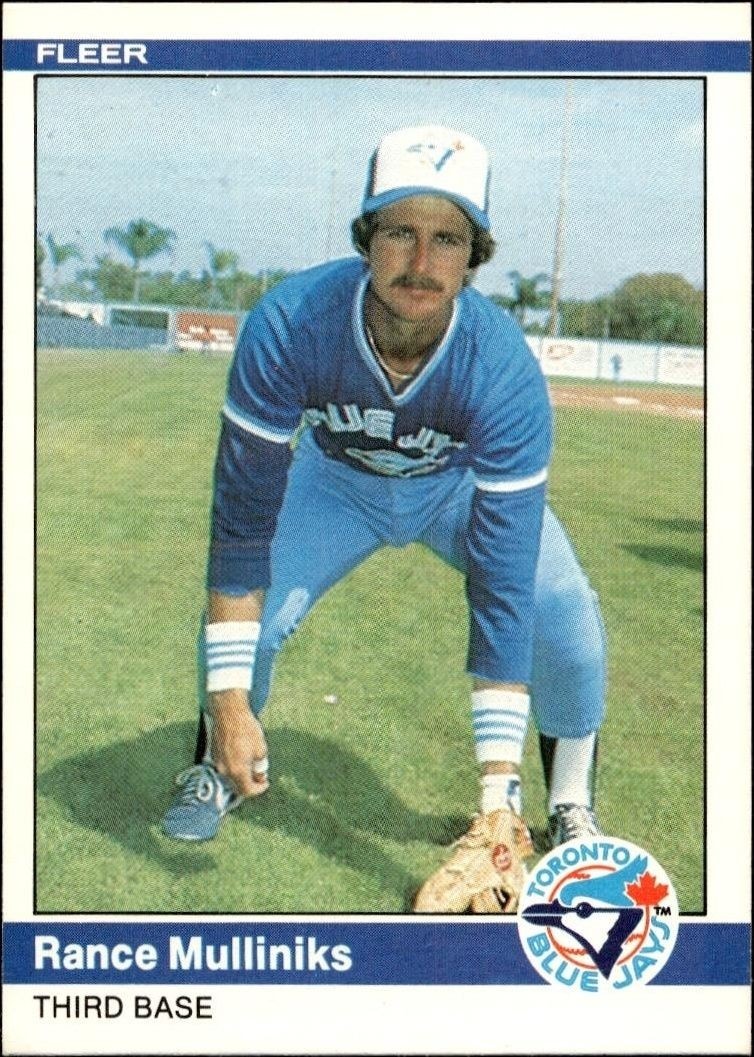
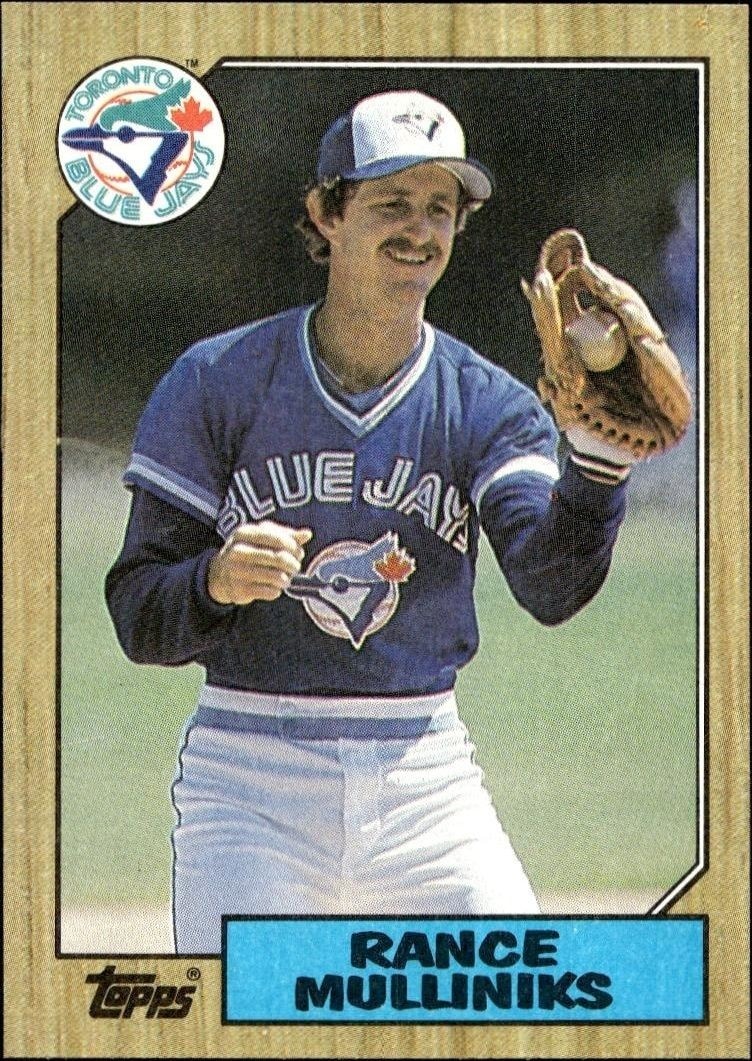
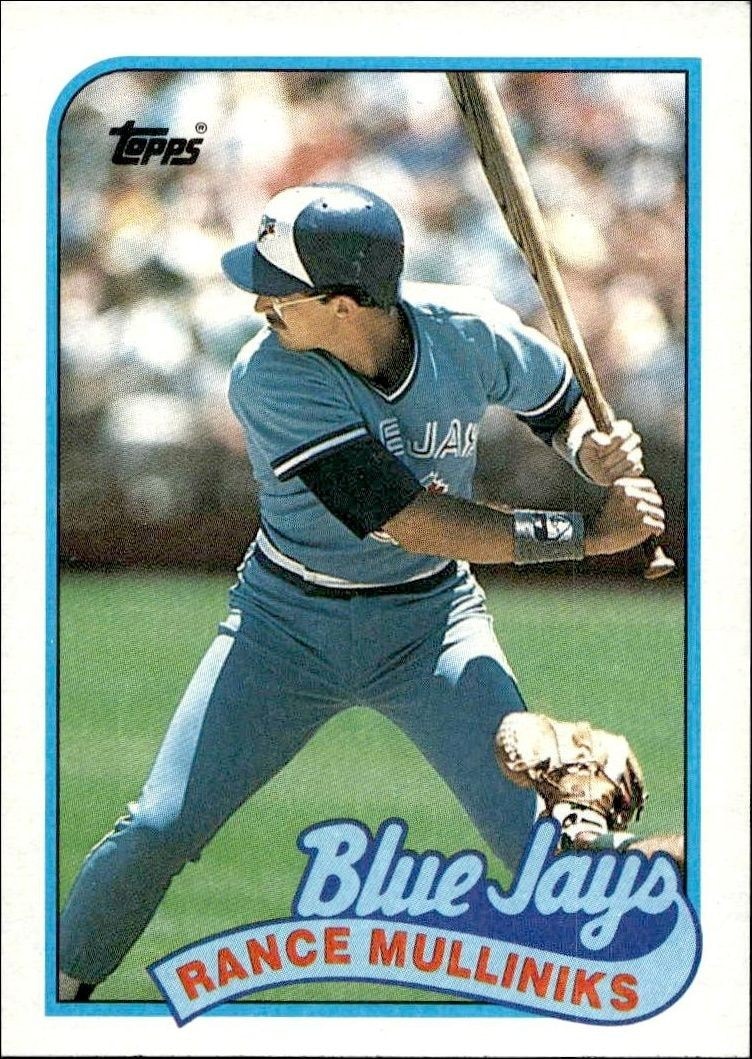
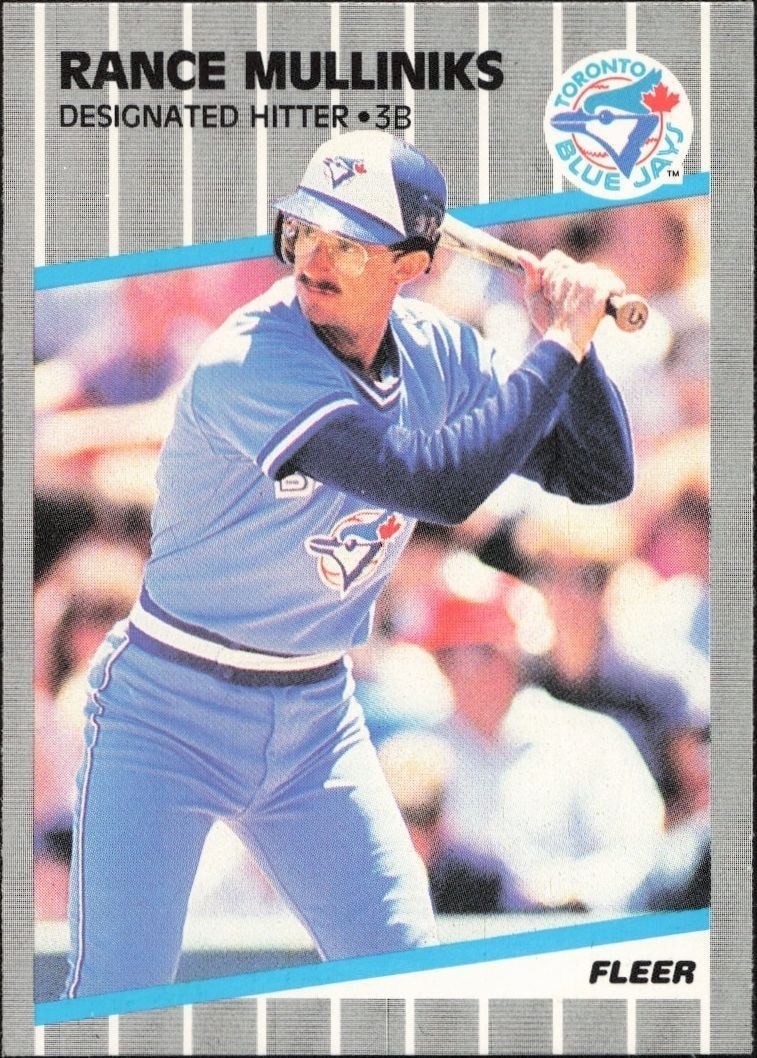
The 1990 Upper Deck Low Number series card #132 featuring Rance Mulliniks of the Toronto Blue Jays, part of the historic inaugural Upper Deck baseball release.
1990 • Upper Deck • Low Number
Major League Baseball • Toronto Blue Jays
Near Mint
132
New
Shipping Calculated at Checkout
This seller is away until 10/19/2026 — orders are still accepted and ship after they return.30-day Returns| Condition | Value | Source | Trend | Price Details |
|---|---|---|---|---|
$0.73 | Guide Estimate | |||
$1.25As of 4/13/2026 | Evidence Type Unavailable | |||
$0.99As of 4/13/2026 | Evidence Type Unavailable | |||
Raw / Ungraded
PriceCharting Price Guide · Guide Estimate evidence · captured Oct 10, 2026
History is building. At least two days of matching observations are needed to show a trend.
Each point is the last stored observation that day for this printing, condition, grader, autograph status and source. Gaps mean no observation; guide estimates and asking prices are not completed sales.This release marked a significant moment in sports trading card history, as it was the first major product from Upper Deck to utilize full-color photography instead of the traditional black-and-white images that had dominated the market for decades. The Low Number subset specifically assigned lower catalog numbers, creating a unique identifier that appeals to collectors who appreciate the structural quirks of the base set. Rance Mulliniks, known for his versatility as a utility infielder, appears on this card representing the Toronto Blue Jays during a pivotal era for the franchise. Collectors often seek out 1990 Upper Deck cards to complete base sets or to focus on specific subsets like the Low Number series, which offers a different visual and numerical experience compared to the main product. The card’s catalog number, 132, serves as a key reference point for organization and tracking within a collection. For investors and hobbyists alike, the 1990 Upper Deck Low Number Rance Mulliniks card #132 represents a tangible piece of baseball memorabilia from a time when the industry was shifting toward modern production values. Whether you are building a team set, focusing on the inaugural Upper Deck release, or collecting utility players from the Blue Jays, this card provides a solid foundation. Its place in the Low Number subset adds a layer of specificity that distinguishes it from other cards in the same base set, making it a valuable component for those who detail-oriented collecting.
21 hours ago
We'll pre-fill the product details from this catalog entry, so your listing lands on this exact page. Just add photos of your copy, pick its condition, and set your price.
The catalog profile below summarizes the card identity, featured subject, and notable collectible traits.
The core identity of the card within the set.
The subject, team, league, and sport context tied to this card.
Production details and format-specific attributes.
Material
Card Stock
Language
English
Compare prices, grades, photos, and shipping from approved sellers.
New
Near Mint
See how many public collections currently include this card.
0 collectors have this card
The 1990 Upper Deck Rance Mulliniks sits firmly in the budget tier of the era's base card market, consistent with most common veterans from this heavily produced set. Upper Deck's 1990 release was a landmark for card quality but suffered from enormous print runs, keeping values suppressed across the majority of its checklist. Mulliniks, a solid utility infielder for Toronto rather than a marquee name, sees no meaningful premium over comparable base cards from this set.
This is a standard base card with no serial numbering, parallel variants, or short print designation — placing it among the most abundant cards in the hobby. The 1990 Upper Deck set was produced in massive quantities, meaning raw copies are plentiful and graded population reports show little scarcity even in high grades. With only one active listing currently visible, this reflects low collector demand rather than any meaningful supply constraint.
Mulliniks had a respectable 15-year MLB career but has not generated the Hall of Fame consideration or cultural nostalgia that typically drives sustained secondary market momentum. Grading submission trends for common 1990 Upper Deck base cards remain minimal, as the cost of grading rarely justifies the return on non-star players from this era. The market for this card is largely static, appealing primarily to team collectors or set builders rather than investors seeking appreciation.