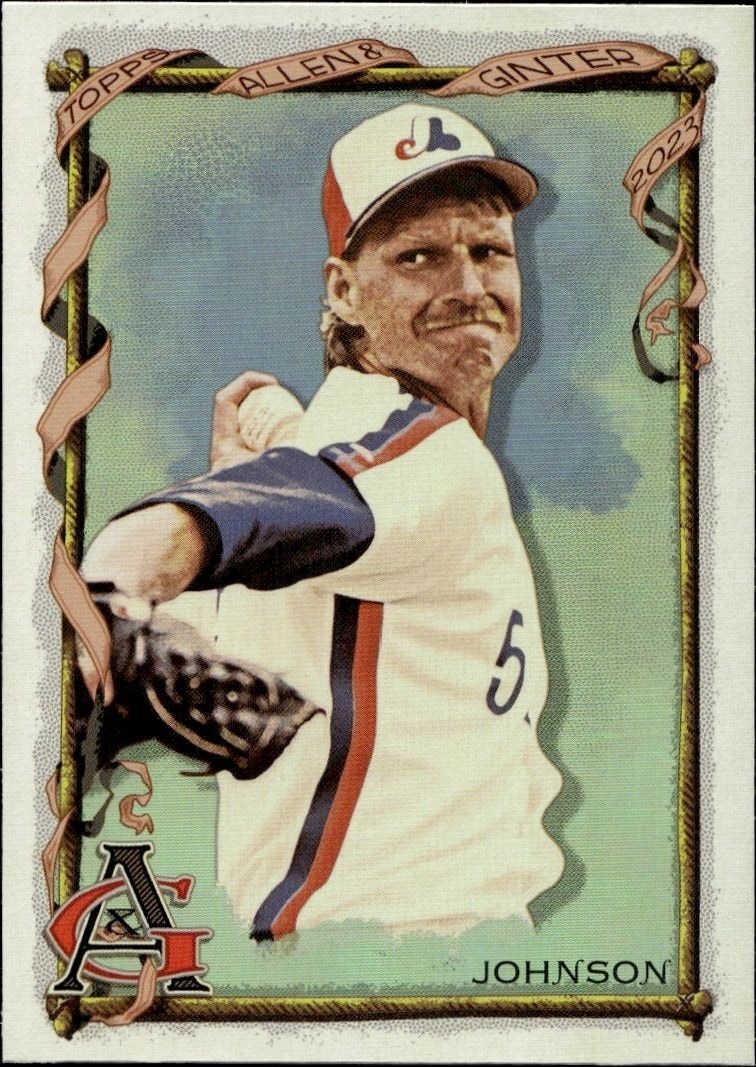




The 1990 Upper Deck Randy Johnson #563 baseball card features the Seattle Mariners pitcher in one of Upper Deck's most recognizable early series.
1990 • Upper Deck • Low Number
Major League Baseball • Seattle Mariners
Excellent
563
New
Shipping Calculated at Checkout
30-day Returns| Condition | Value | Source | Trend | Price Details |
|---|---|---|---|---|
$1.17 | Guide Estimate | +17% | ||
$6.31 | Guide Estimate | -0.2% | ||
$6.50 | Guide Estimate | 0% | ||
$12.00 | Guide Estimate | 0% | ||
$28.00 | Guide Estimate | 0% | ||
$37.00 | Guide Estimate | 0% | ||
$11.00 | Guide Estimate | -35.3% | ||
$28.46 | Guide Estimate | -0.2% | ||
$17.00 | Guide Estimate | 0% | ||
Raw / Ungraded
PriceCharting Price Guide · Guide Estimate evidence · captured Nov 2, 2026
The 1990 Upper Deck Randy Johnson #563 is a sports trading card that captures the Seattle Mariners pitcher during his tenure with the team. As part of the 1990 Upper Deck Baseball set, this card serves as a catalog entry for collectors tracking the brand's early 1990s releases. The card number 563 identifies its position within the base set, distinguishing it from other inserts or parallels that may have been released in subsequent years. ## What is the card number for Randy Johnson in the 1990 Upper Deck set? The card number for Randy Johnson in the 1990 Upper Deck Baseball set is 563. This number helps collectors identify and organize the card within the base checklist. ## Is the 1990 Upper Deck Randy Johnson card a rookie card? No, the 1990 Upper Deck Randy Johnson #563 is not a rookie card. ## What team does Randy Johnson represent on this card? On the 1990 Upper Deck #563 card, Randy Johnson represents the Seattle Mariners.
2 days ago
We'll pre-fill the product details from this catalog entry, so your listing lands on this exact page. Just add photos of your copy, pick its condition, and set your price.
The catalog profile below summarizes the card identity, featured subject, and notable collectible traits.
The core identity of the card within the set.
The subject, team, league, and sport context tied to this card.
Production details and format-specific attributes.
Material
Card Stock
Language
English
Compare prices, grades, photos, and shipping from approved sellers.
New
Excellent
See how many public collections currently include this card.
0 collectors have this card
FAQ
The card number for Randy Johnson in the 1990 Upper Deck Baseball set is 563. This number helps collectors identify and organize the card within the base checklist.
No, the 1990 Upper Deck Randy Johnson #563 is not a rookie card.
On the 1990 Upper Deck #563 card, Randy Johnson represents the Seattle Mariners.
This 1990 Upper Deck card represents the entry point for Randy Johnson memorabilia, trading at a modest price tier that reflects its status as a base rookie issue rather than a premium insert. While the current valuation is accessible, the card benefits from Johnson's eventual Hall of Fame career significance, which typically commands a premium over generic players from the same era. The low number designation within the set suggests a specific subset that may trade slightly above the standard base parallel due to perceived scarcity among completists.
The card is identified as part of the 'Low Number' subset, a mechanic that inherently constrains supply by assigning sequential identifiers to a limited portion of the print run. This serial numbering creates a distinct scarcity layer compared to the unnumbered base cards, appealing to collectors who prioritize numbered items for their exclusivity. Without specific population reports or graded counts, the rarity is defined by the structural limitation of the low-number series rather than absolute quantity metrics.
As a rookie-year card for a future legend, this item carries inherent demand drivers tied to Johnson's historic career achievements, making it a stable hold for long-term portfolios. The positioning within a vintage set like 1990 Upper Deck ensures continued interest from collectors seeking foundational pieces of baseball history. Investors should monitor the active listing supply, as the single available copy indicates a thin market that could see price appreciation if demand outpaces the limited inventory of low-numbered examples.