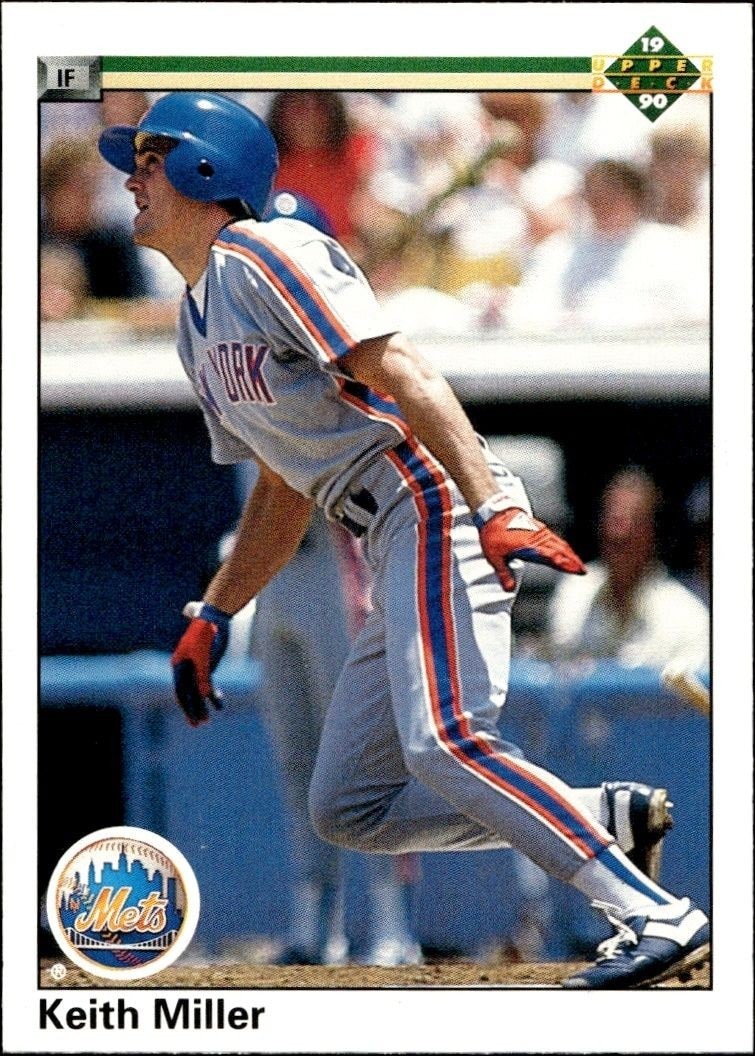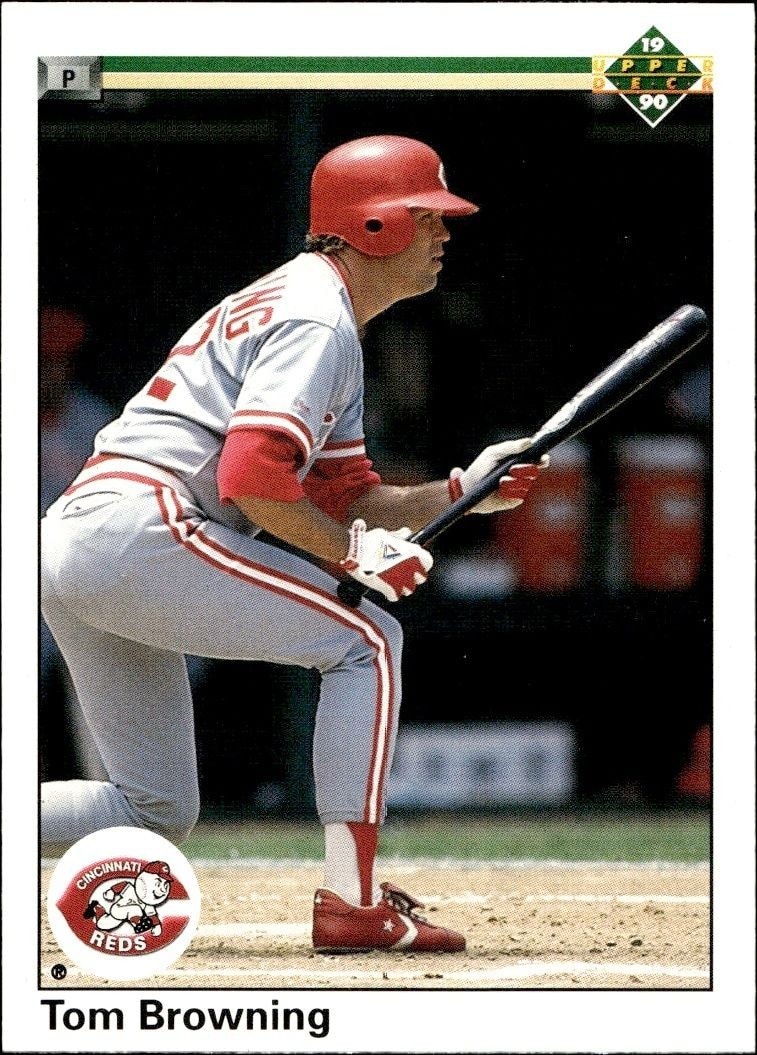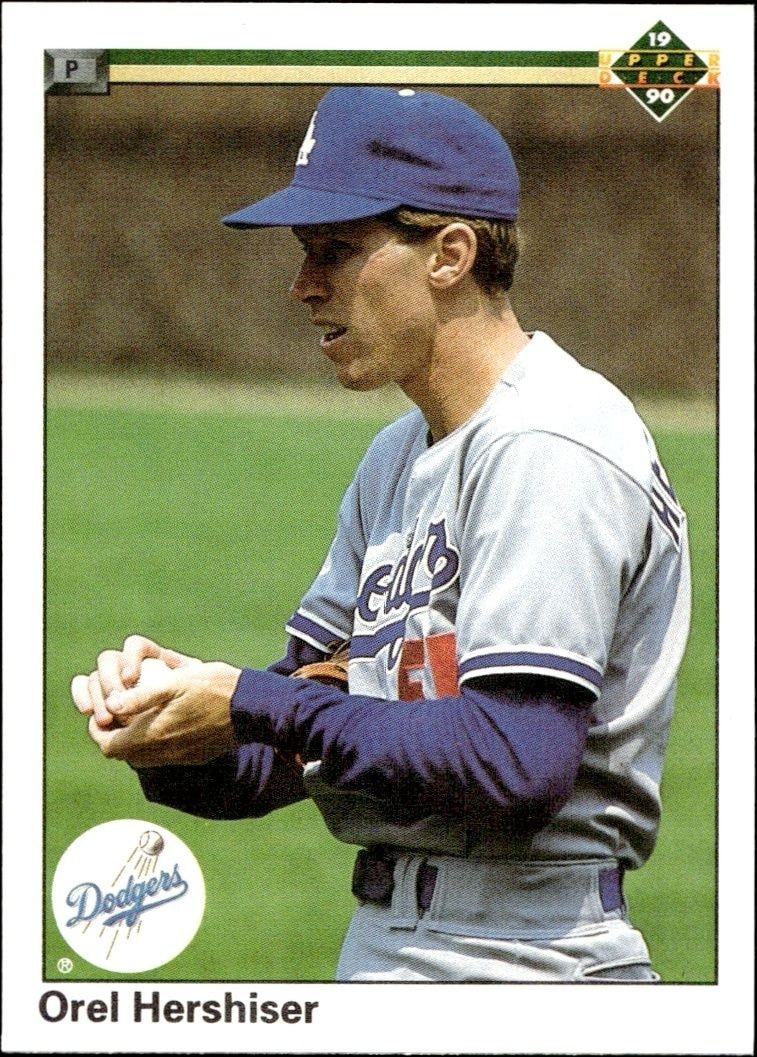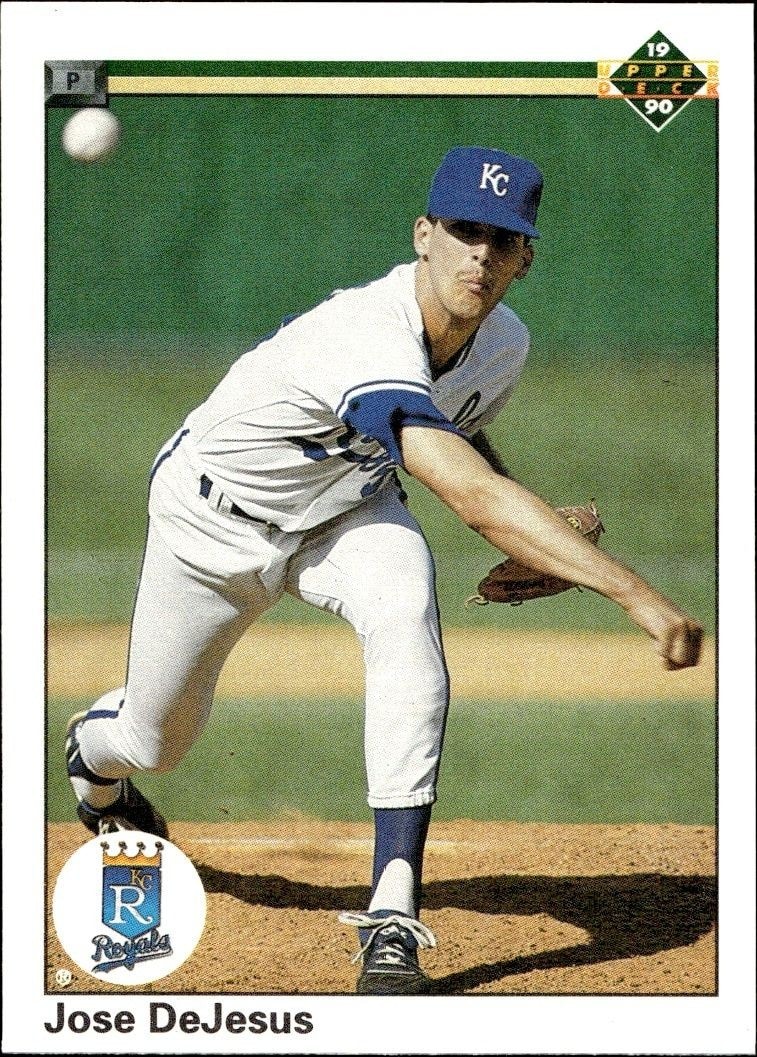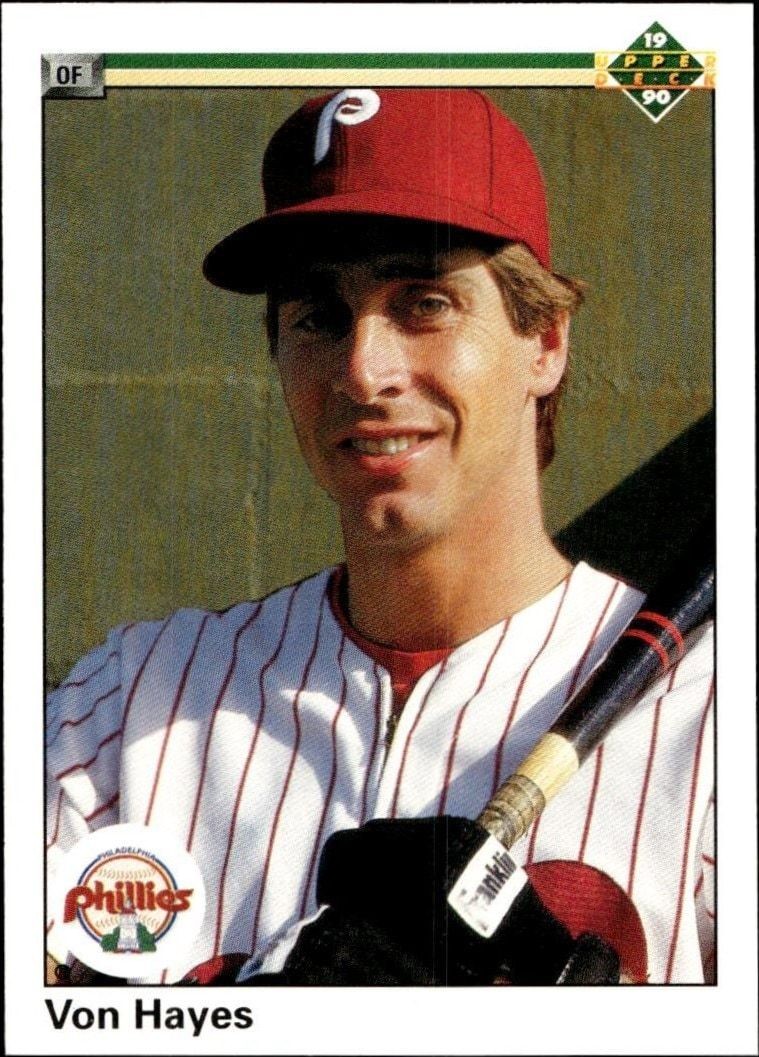



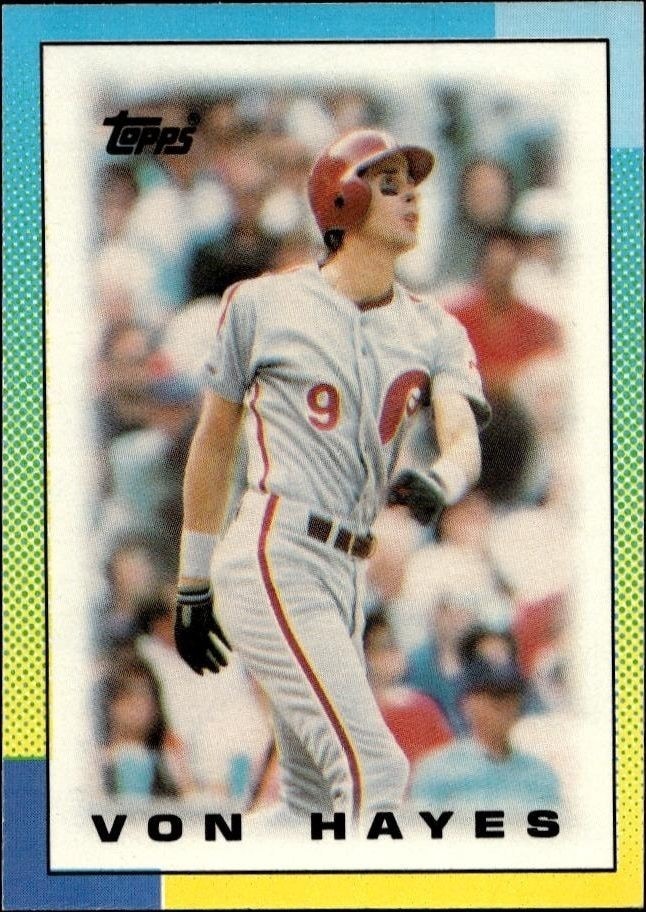
Explore the 1990 Upper Deck Low Number release with Von Hayes card #7. This Philadelphia Phillies collectible offers a unique entry point for dedicated set builders.
1990 • Upper Deck • Low Number
Major League Baseball • Philadelphia Phillies
Excellent
7
New
Shipping Calculated at Checkout
Arrives in 5-7 daysEstimated delivery October 23, 2026 - October 25, 2026
Seller returns October 19, 2026.30-day Returns| Condition | Value | Source | Trend | Price Details |
|---|---|---|---|---|
$1.08 | Guide Estimate | |||
Raw / Ungraded
PriceCharting Price Guide · Guide Estimate evidence · captured Oct 16, 2026
History is building. At least two days of matching observations are needed to show a trend.
Each point is the last stored observation that day for this printing, condition, grader, autograph status and source. Gaps mean no observation; guide estimates and asking prices are not completed sales.The 1990 Upper Deck Low Number series offers a distinct collecting experience, diverging from the standard numbering conventions of the era. Card #7 highlights Von Hayes, a notable figure for Philadelphia Phillies fans during this period. The Low Number subset is recognized by enthusiasts for its compact numbering, making it a targeted area for completionists looking to round out their collection. Collectors often seek out this release due to its place in the early history of modern trading cards. The 1990 Upper Deck brand established a new visual standard for the sport, and the Low Number set provides a concentrated look at key players. For those focusing on the Philadelphia Phillies roster of that time, this card serves as a vital component for thematic sets. Whether you are building a comprehensive archive of 1990s baseball or focusing on specific teams, the Von Hayes #7 card represents a tangible piece of that year's sporting history. The Low Number series continues to attract interest from those who appreciate the unique structural approach to card distribution used in this release. Adding this piece to your portfolio supports a deeper understanding of the 1990 Upper Deck product line and its impact on collector habits. It remains a relevant item for anyone documenting the evolution of sports card design and numbering systems from that pivotal year.
19 hours ago
We'll pre-fill the product details from this catalog entry, so your listing lands on this exact page. Just add photos of your copy, pick its condition, and set your price.
The catalog profile below summarizes the card identity, featured subject, and notable collectible traits.
The core identity of the card within the set.
The subject, team, league, and sport context tied to this card.
Production details and format-specific attributes.
Material
Card Stock
Language
English
Compare prices, grades, photos, and shipping from approved sellers.
New
Excellent
See how many public collections currently include this card.
0 collectors have this card
This 1990 Upper Deck card occupies a niche value tier, reflecting its status as a standard base issue from a pre-2000 era rather than a high-end modern release. While Von Hayes holds a recognizable place in Phillies history, the card's condition and lack of special parallels keep it accessible to casual collectors. It trades below the premium tiers associated with rookie cards or autographed memorabilia, representing a solid entry-level price point for vintage baseball enthusiasts.
As a non-parallel base card within the Upper Deck Low Number set, this item does not carry specific scarcity mechanisms like serial numbering or short-print designations. The supply is determined by the general print run of the 1990 Upper Deck baseball set, which was substantial for its time. Consequently, the card relies on standard market availability rather than constrained supply mechanics to drive its collectibility.
The primary demand driver for this card is vintage nostalgia and the enduring popularity of the Philadelphia Phillies franchise among collectors. As a standard issue from the early 1990s, it serves more as a foundational piece for complete set building than as a high-growth speculative asset. Long-term value stability is likely tied to the preservation of the vintage baseball market rather than rapid appreciation.