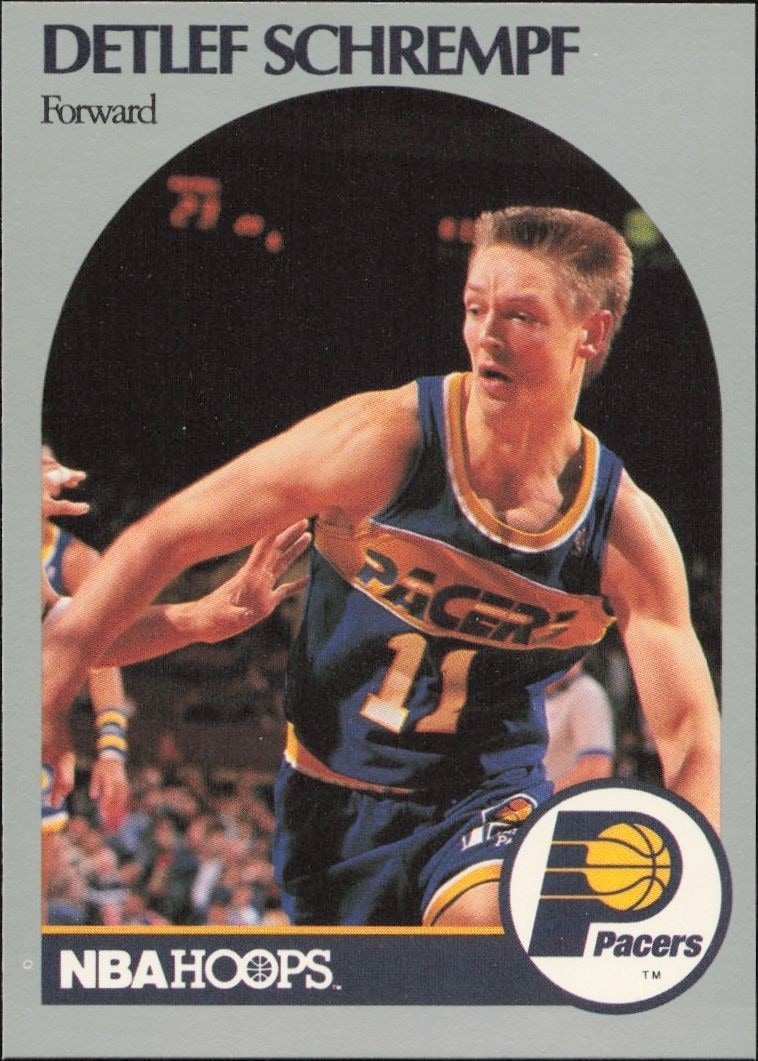



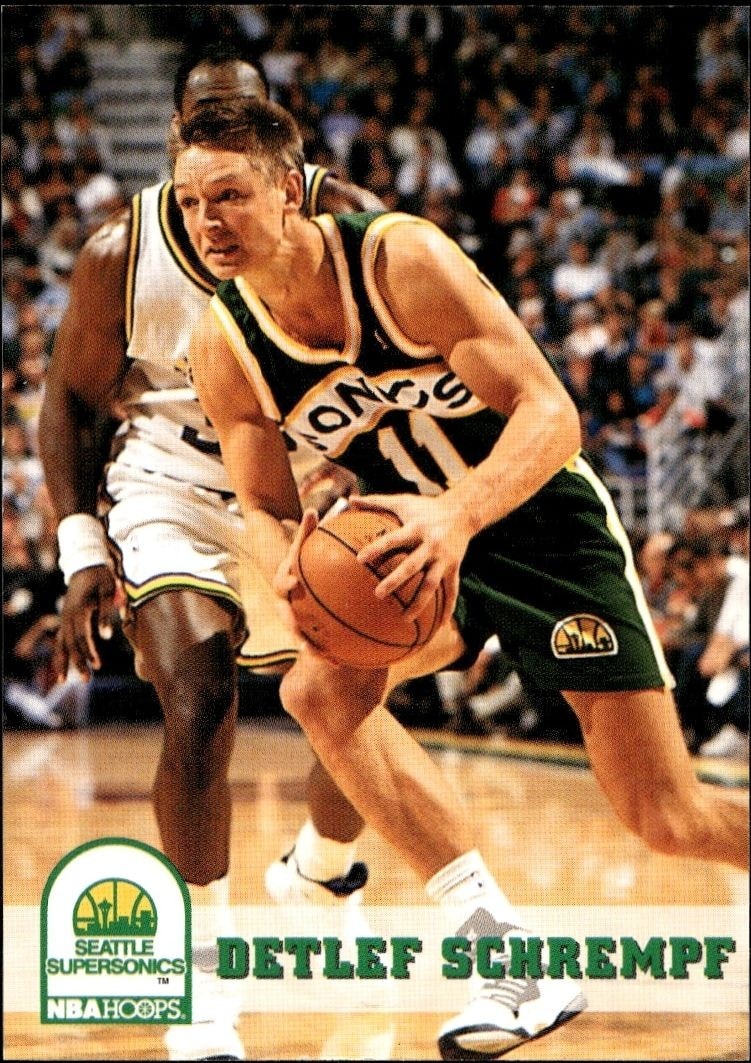
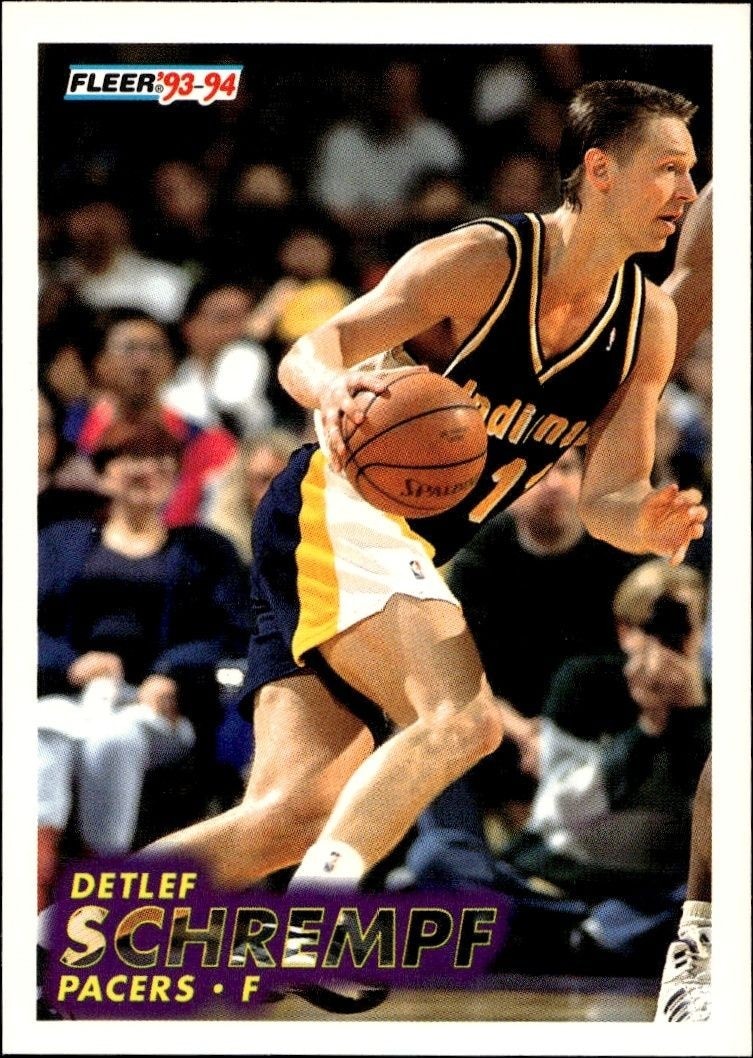
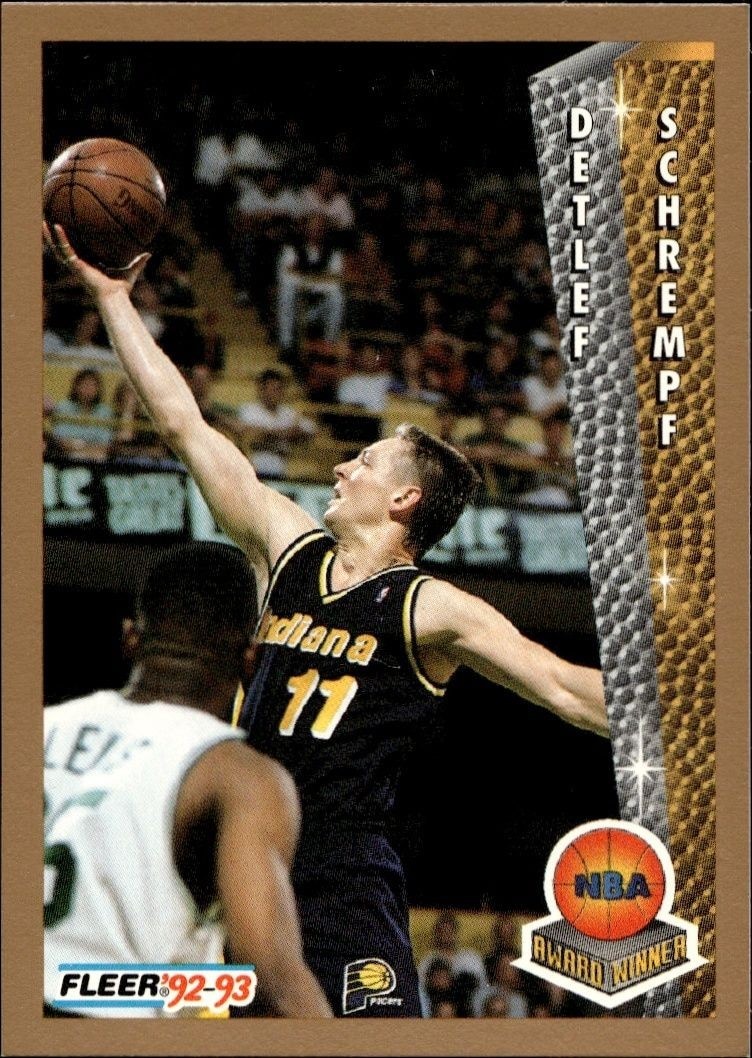
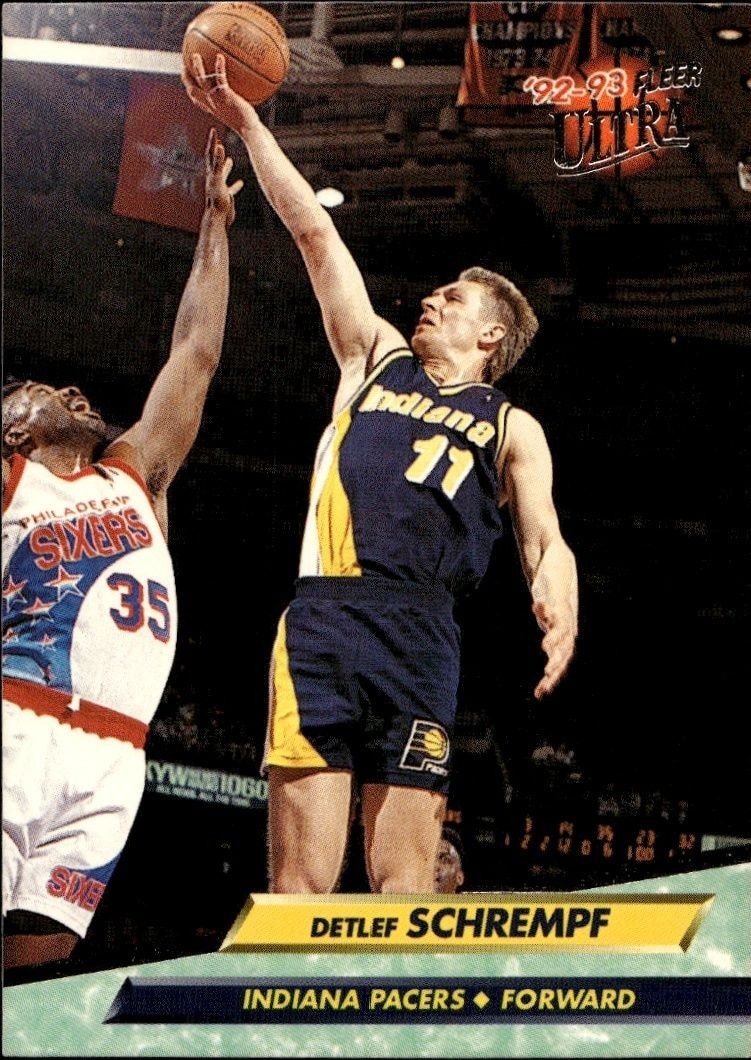
Explore the 1991-92 Fleer Detlef Schrempf #85 basketball trading card, a notable entry from the Indiana Pacers' roster during the early 1990s NBA season.
1991-92 • Fleer
National Basketball Association • Indiana Pacers
Excellent
85
New
Shipping Calculated at Checkout
Arrives in 5-7 daysEstimated delivery October 23, 2026 - October 25, 2026
Seller returns October 19, 2026.30-day Returns| Condition | Value | Source | Trend | Price Details |
|---|---|---|---|---|
$1.69As of 9/18/2026 | Guide Estimate | |||
Raw / Ungraded
PriceCharting Price Guide · Guide Estimate evidence · captured Sep 19, 2026
History is building. At least two days of matching observations are needed to show a trend.
Each point is the last stored observation that day for this printing, condition, grader, autograph status and source. Gaps mean no observation; guide estimates and asking prices are not completed sales.The 1991-92 Fleer Detlef Schrempf #85 basketball trading card captures the German forward during his tenure with the Indiana Pacers. This release is part of Fleer's iconic run in the early 1990s, a period defined by bold graphic design and vibrant color palettes that set a new standard for sports card aesthetics. Collectors often seek out this era for its distinct visual identity, which contrasts sharply with the minimalist designs that followed in later decades. Detlef Schrempf was a versatile force on the court, known for his scoring ability and playmaking. As card #85 in the base set, this issue serves as a foundational piece for those building complete Fleer collections from the 1991-92 season. The card's design highlights Schrempf in his Pacers uniform, offering a tangible connection to the team's history and the broader NBA landscape of the time. Whether you are looking to complete a set, add a key player to your portfolio, or simply appreciate the artistry of 90s card design, this card represents a significant moment in basketball memorabilia. The enduring popularity of Fleer products ensures that cards like this one remain relevant in the collector community, serving as a bridge between the classic era of the NBA and the modern market. By focusing on catalog-level identity and historical significance, collectors can appreciate the card's place in history without being distracted by transient market fluctuations. This approach allows enthusiasts to focus on the enduring appeal of Schrempf's career and the Fleer brand's legacy in sports card manufacturing.
1 day ago
We'll pre-fill the product details from this catalog entry, so your listing lands on this exact page. Just add photos of your copy, pick its condition, and set your price.
The catalog profile below summarizes the card identity, featured subject, and notable collectible traits.
The subject, team, league, and sport context tied to this card.
Production details and format-specific attributes.
Material
Card Stock
Language
English
Compare prices, grades, photos, and shipping from approved sellers.
New
Excellent
See how many public collections currently include this card.
0 collectors have this card
This base Fleer card of Detlef Schrempf represents a low-tier entry point within the 1991-92 NBA landscape, reflecting its status as a common parallel rather than a premium insert. While Schrempf established himself as a consistent All-Star caliber player during this era, this specific ungraded base issue lacks the condition rarity or set significance required to command a substantial premium over similar vintage basketball cards. It trades in a volume-driven segment where availability far exceeds specialized demand, keeping its valuation modest relative to his career achievements.
The card possesses no scarcity mechanisms such as serial numbering, short-print designations, or limited edition parallels, classifying it as a standard base issue from a high-volume production run. This lack of restrictive supply mechanics means that the available market is determined entirely by ungraded copies in circulation rather than a constrained population of graded specimens. Consequently, the card's rarity is defined by its ubiquity rather than exclusivity, offering no inherent supply-side support for value appreciation.
As a non-rookie base card from the early 90s, this item lacks the rookie-card premium mechanics that typically drive long-term value in basketball collectibles. Collector interest is likely limited to casual completionists seeking to fill specific team or player gaps in vintage sets, rather than serious investors targeting high-growth assets. The stable but low market positioning suggests this card serves better as a portfolio filler than a standalone investment vehicle with significant upside potential.