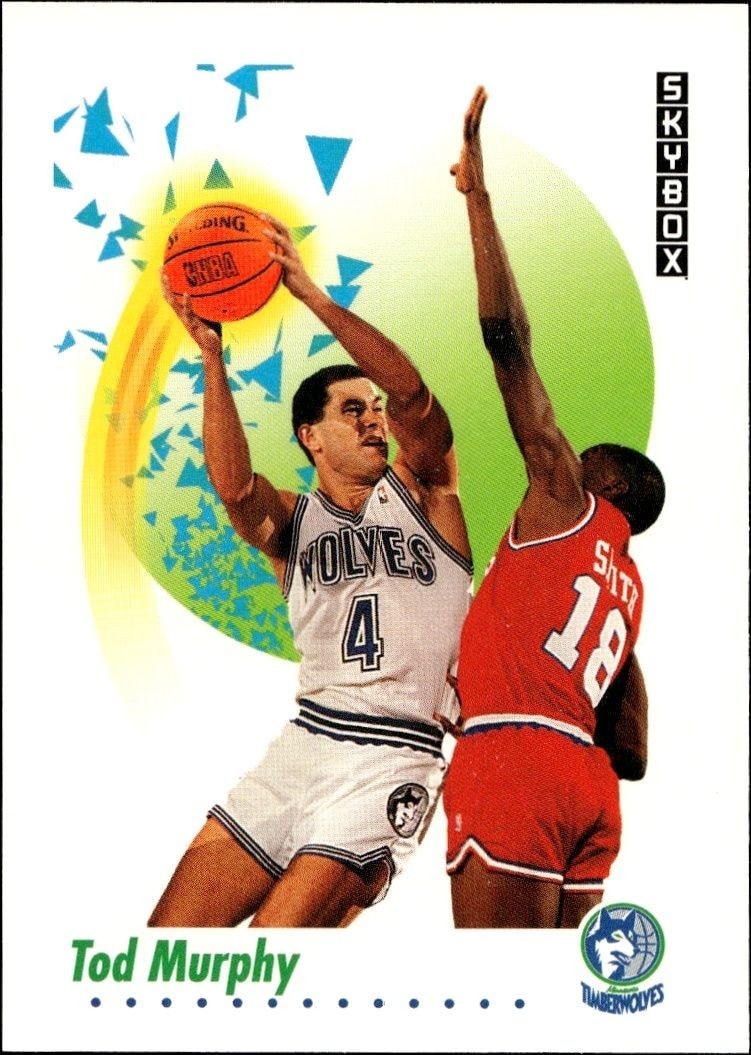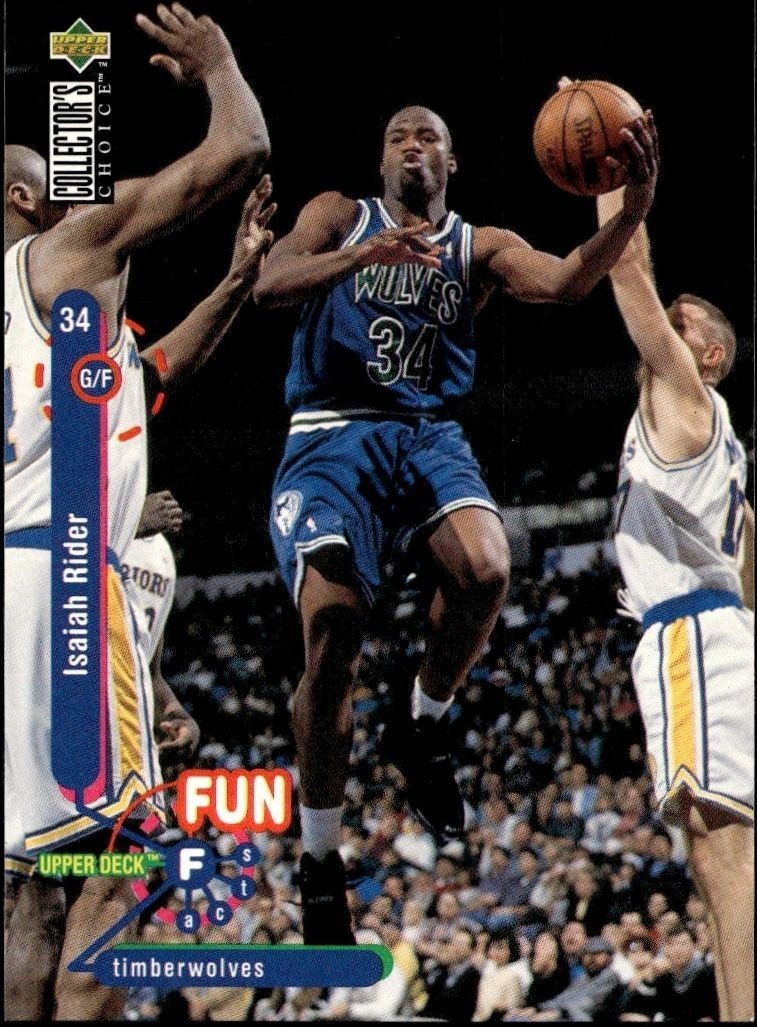


The 1991-92 Fleer Jim Rodgers #126 sports card captures the early career of the Minnesota Timberwolves player in the NBA.
1991-92 • Fleer
National Basketball Association • Minnesota Timberwolves
Near Mint
126
New
Shipping Calculated at Checkout
Arrives in 4-6 daysEstimated delivery October 23, 2026 - October 25, 2026
Seller returns October 19, 2026.30-day Returns| Condition | Value | Source | Trend | Price Details |
|---|---|---|---|---|
$1.25 | Asking Prices | -10.1% | ||
Raw / Ungraded
eBay Active Listings · Asking Prices evidence · captured Oct 18, 2026
The 1991-92 Fleer Jim Rodgers #126 basketball card represents a tangible piece of NBA history from the early 1990s. As the Minnesota Timberwolves continued to establish their presence in the league, this card serves as a key identifier for collectors tracking the franchise's roster during this pivotal era. Jim Rodgers appeared in the league during this time, making this release a relevant artifact for those interested in the broader context of the NBA's expansion and growth. Released by Fleer, one of the most recognizable brands in sports card history, this product adheres to the design standards that defined trading cards in the early '90s. Card #126 is part of the base set, offering a straightforward and iconic look that appeals to both casual fans and serious investors. The simplicity of the design allows the subject to take center stage, providing a clear view of the player in his team uniform. Collectors who focus on the 1991-92 Fleer set often seek out every card to complete their collections, making this number a necessary component for completionists. Beyond set building, the card holds value for those who follow the Minnesota Timberwolves' history, offering a snapshot of the team's lineup from over three decades ago. Whether you are building a vintage basketball collection or looking for a specific entry from this iconic series, the Jim Rodgers #126 card is a staple of the 1991-92 Fleer release. This product remains a popular choice among enthusiasts who appreciate the nostalgia of 1990s sports memorabilia. The enduring appeal of Fleer cards ensures that this product continues to be sought after by those who value the heritage of the NBA and the brands that documented it. For anyone interested in the intersection of sports history and collectibles, this card offers a direct connection to the past.
1 day ago
We'll pre-fill the product details from this catalog entry, so your listing lands on this exact page. Just add photos of your copy, pick its condition, and set your price.
The catalog profile below summarizes the card identity, featured subject, and notable collectible traits.
The subject, team, league, and sport context tied to this card.
Production details and format-specific attributes.
Material
Card Stock
Language
English
Compare prices, grades, photos, and shipping from approved sellers.
New
Near Mint
See how many public collections currently include this card.
0 collectors have this card
This card occupies a distinct entry-level tier within the Fleer basketball market, reflecting Jim Rodgers' status as a role player rather than a franchise cornerstone. While it lacks the speculative premium associated with star athletes, it serves as an accessible baseline for collectors focusing on specific team or league subsets. The current pricing indicates a stable, low-movement asset typical of non-star rookies from this era.
As a standard base card with no noted special attributes, this item represents the highest possible supply tier within the 1991-92 Fleer set. It does not carry scarcity modifiers such as serial numbering, parallel coloring, or short-print designation, meaning its availability is determined entirely by general production volumes. Consequently, condition becomes the primary differentiator for value among the numerous identical copies in circulation.
The card functions primarily as a portfolio filler for specialized collections targeting the Minnesota Timberwolves' early expansion years or 1990s Fleer completists. Demand is driven by niche completionists seeking to fill specific gaps in base sets rather than speculative growth from player performance metrics. Investors should view this as a low-risk, low-reward component for breadth of collection rather than a driver for significant capital appreciation.