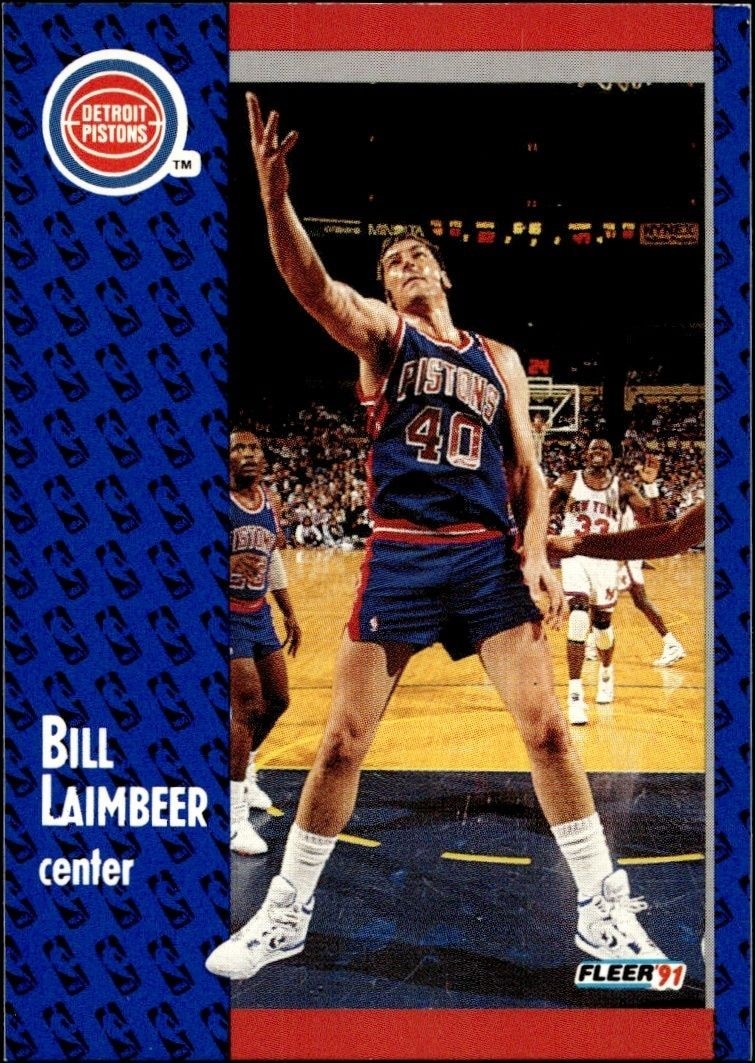




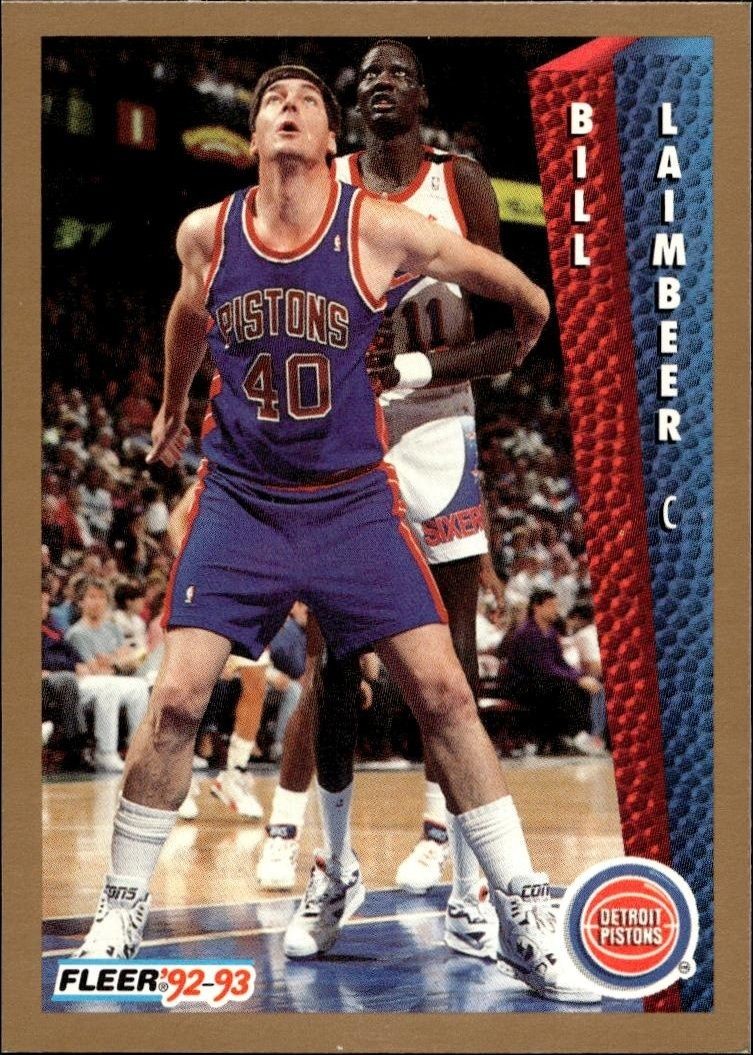
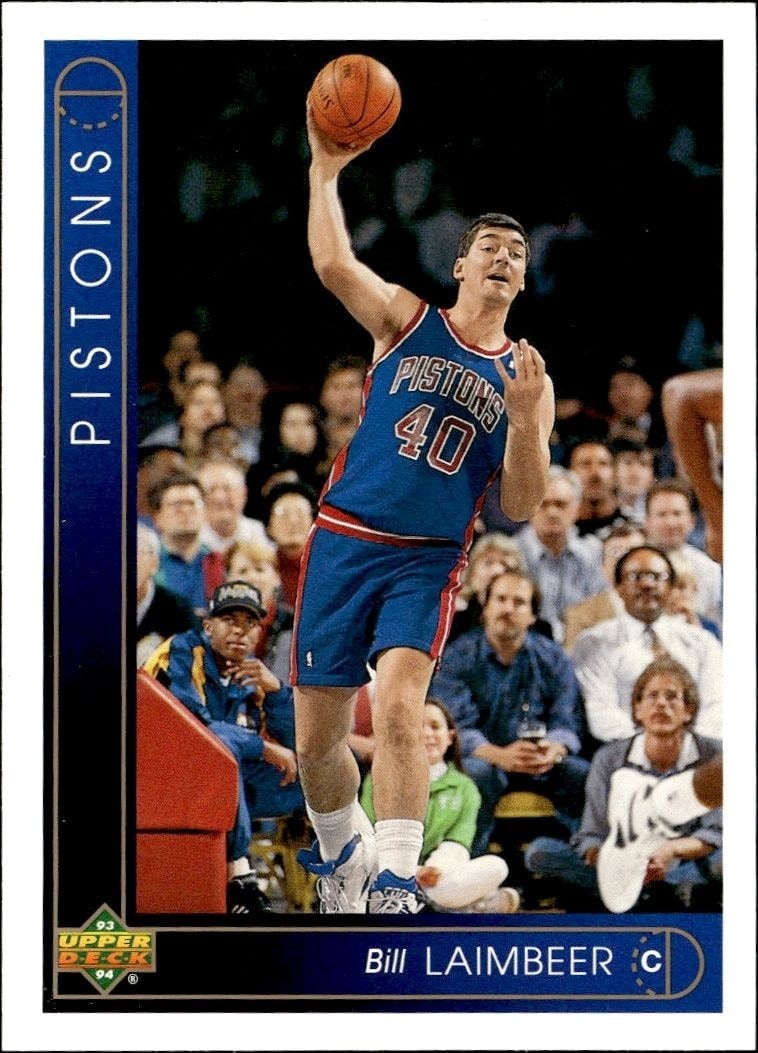
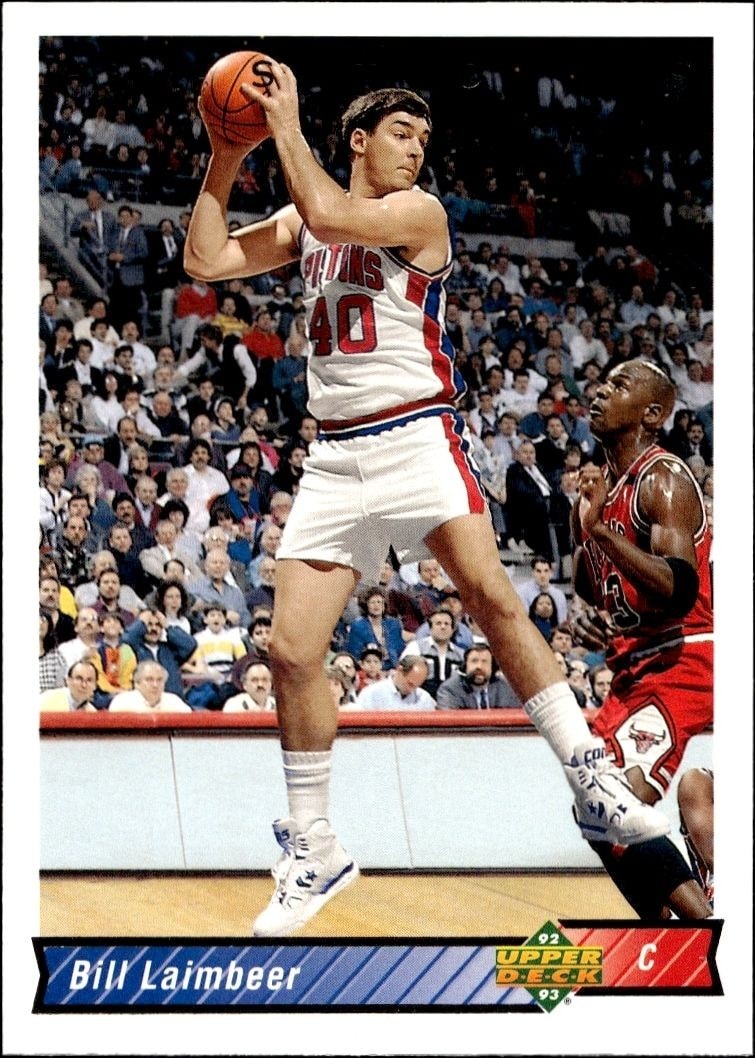

Acquire Bill Laimbeer's 1991-92 Upper Deck #167 basketball card on SuperCatch, a definitive entry from one of the era's most respected sets.
1991-92 • Upper Deck
National Basketball Association • Detroit Pistons
Near Mint
167
New
Shipping Calculated at Checkout
Arrives in 5-7 daysEstimated delivery October 23, 2026 - October 25, 2026
Seller returns October 19, 2026.30-day Returns| Condition | Value | Source | Trend | Price Details |
|---|---|---|---|---|
$1.86 | Guide Estimate | |||
$3.25 | Guide Estimate | |||
$9.00 | Guide Estimate | |||
$29.99 | Guide Estimate | |||
$98.00 | Guide Estimate | |||
$45.00 | Guide Estimate | |||
$75.00 | Guide Estimate | |||
$45.00 | Guide Estimate | |||
Raw / Ungraded
PriceCharting Price Guide · Guide Estimate evidence · captured Oct 7, 2026
History is building. At least two days of matching observations are needed to show a trend.
Each point is the last stored observation that day for this printing, condition, grader, autograph status and source. Gaps mean no observation; guide estimates and asking prices are not completed sales.Bill Laimbeer's 1991-92 Upper Deck #167 card captures the rugged identity of the Detroit Pistons during their final championship dynasty. Released during a pivotal era for the NBA, this base card from the Upper Deck brand is recognized for its clean photography and distinct border design that defined early 90s sports memorabilia. Collectors frequently target this card number to complete their vintage Pistons rosters, valuing it as a tangible piece of the Bad Boys' legacy. Upper Deck's 1991-92 release remains a cornerstone for vintage basketball enthusiasts, offering high-quality production values that set it apart from earlier licensed products. The #167 designation places Laimbeer alongside other key figures from that historic team, making it a strategic addition for investors building comprehensive sets., you can find diverse options for this release, allowing you to choose the copy that best fits your collecting goals. Whether you are focusing on team sets, player-specific collections, or era-based investing, this Upper Deck card provides a reliable anchor for your portfolio. The enduring popularity of the Pistons' 1989-1992 run ensures continued demand for quality examples of Laimbeer's career. Explore the available inventory to secure this piece of basketball history and add depth to your vintage collection. ## Sources - https://www.psacard.com/populationreport/upper-deck-basketball/1991-92 - https://en.wikipedia.org/wiki/1991%E2%80%9392_Detroit_Pistons_season - https://www.beckett.com/price-guide/basketball/1991-92-upper-deck
16 hours ago
We'll pre-fill the product details from this catalog entry, so your listing lands on this exact page. Just add photos of your copy, pick its condition, and set your price.
The catalog profile below summarizes the card identity, featured subject, and notable collectible traits.
The core identity of the card within the set.
The subject, team, league, and sport context tied to this card.
Production details and format-specific attributes.
Material
Card Stock
Language
English
Compare prices, grades, photos, and shipping from approved sellers.
New
Near Mint
See how many public collections currently include this card.
0 collectors have this card
This 1991-92 Upper Deck Bill Laimbeer card represents a base-level entry point for the Detroit Pistons' championship core, trading at a modest tier relative to his more sought-after rookie or parallel variations. While Laimbeer is a recognized figure from a dominant Pistons era, the lack of special attributes keeps this specific issue in the lower price bracket compared to graded or serial-numbered counterparts. Its value is primarily driven by simple availability and the baseline demand for 90s Pistons memorabilia rather than scarcity premiums.
As a standard base card with no noted serial numbering, short-print designation, or parallel finish, this item carries the highest supply tier within the Upper Deck 1991-92 set. The absence of unique scarcity mechanics means it is produced in standard quantities, making it readily available to collectors seeking volume fills. Consequently, it does not benefit from the supply constraints that typically elevate value in the secondary market.
The investment potential is limited by its status as a non-premium base card, which generally lacks the appreciation drivers found in rookie issues or highly serialized parallels. Collector demand for this specific card is likely steady but modest, driven by those completing base set runs rather than speculative investors. Long-term value retention depends on the broader stability of 1990s basketball card markets rather than individual card rarity or condition premiums.