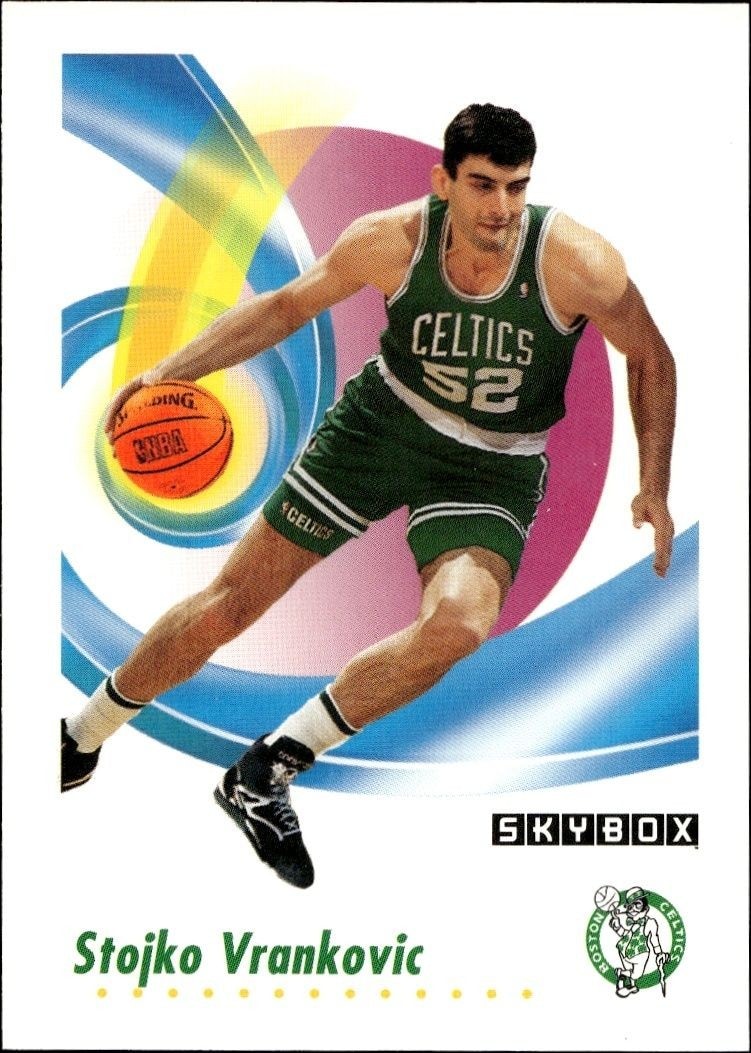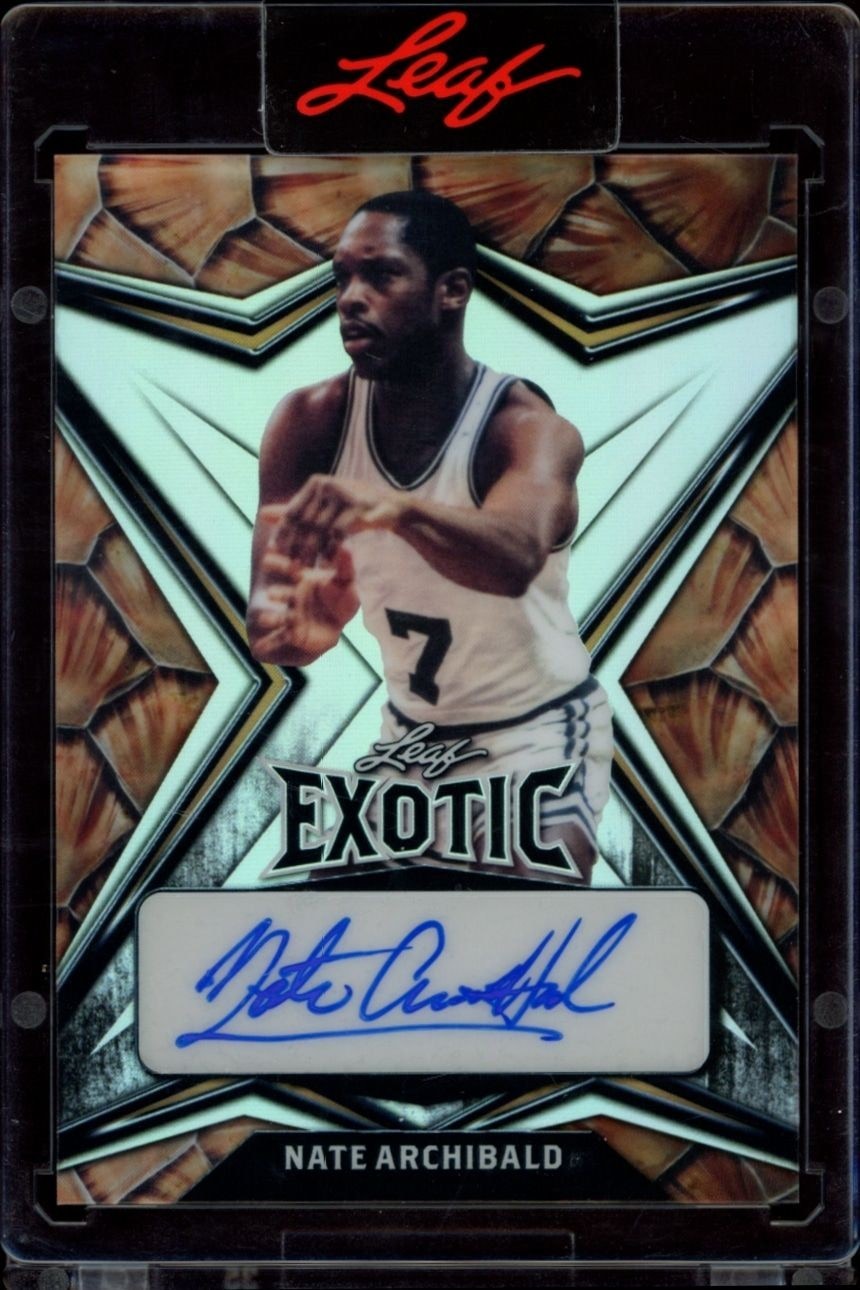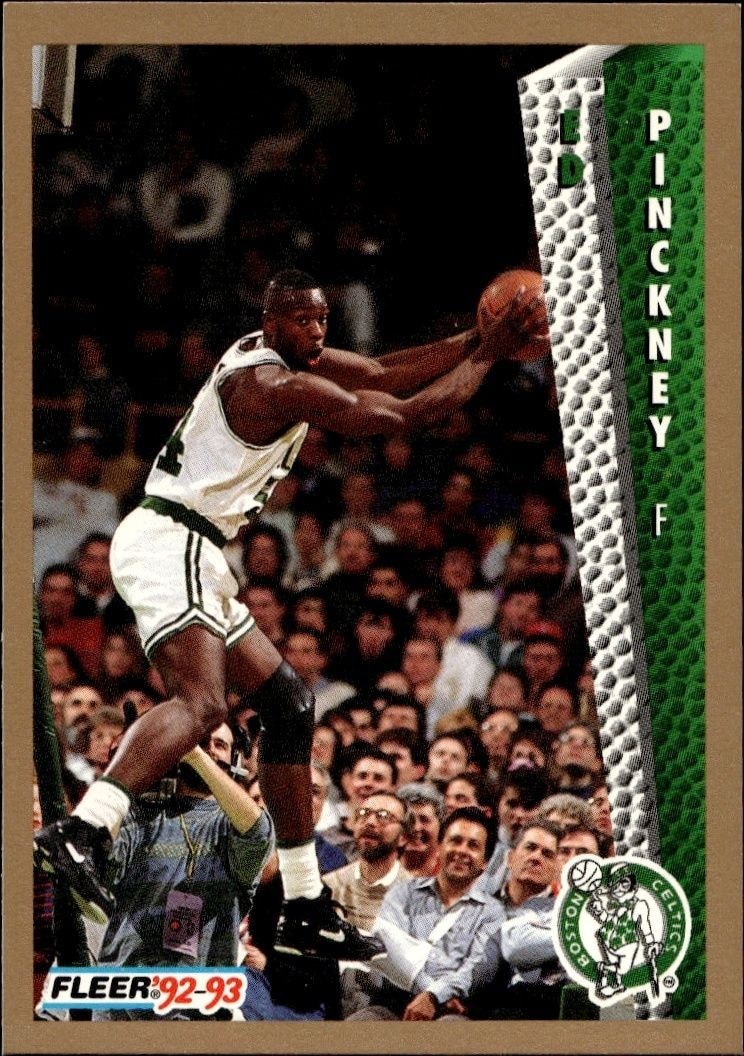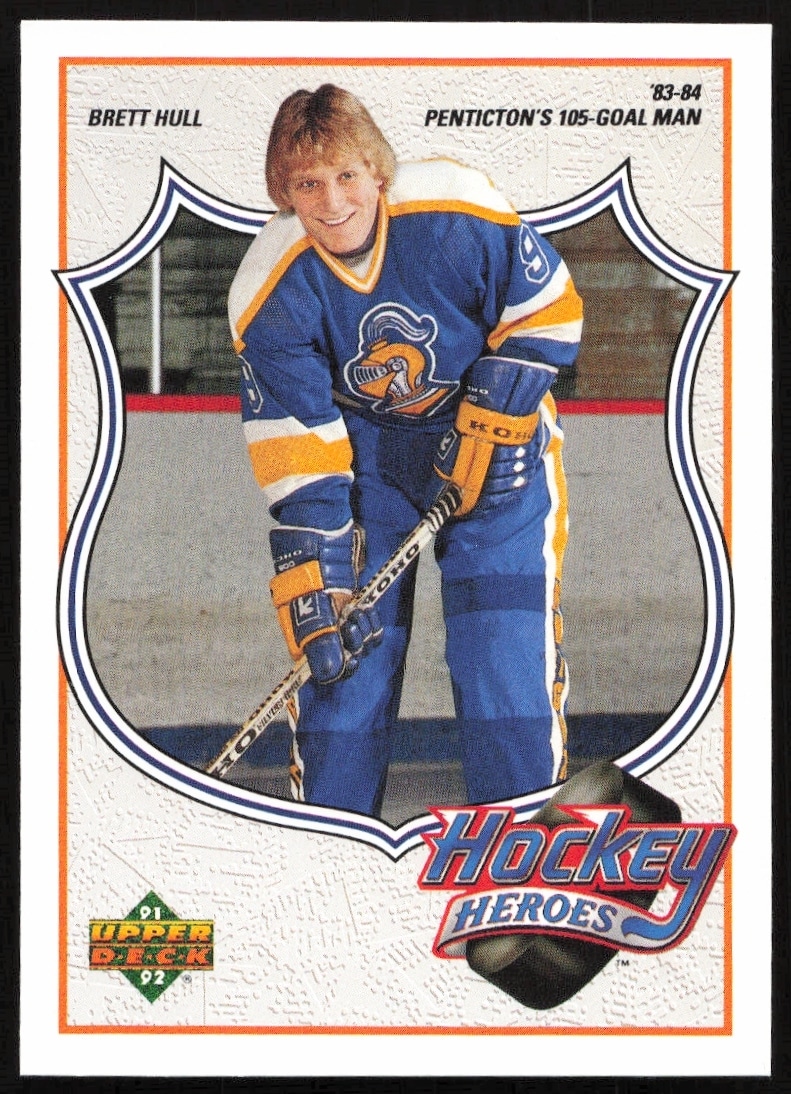


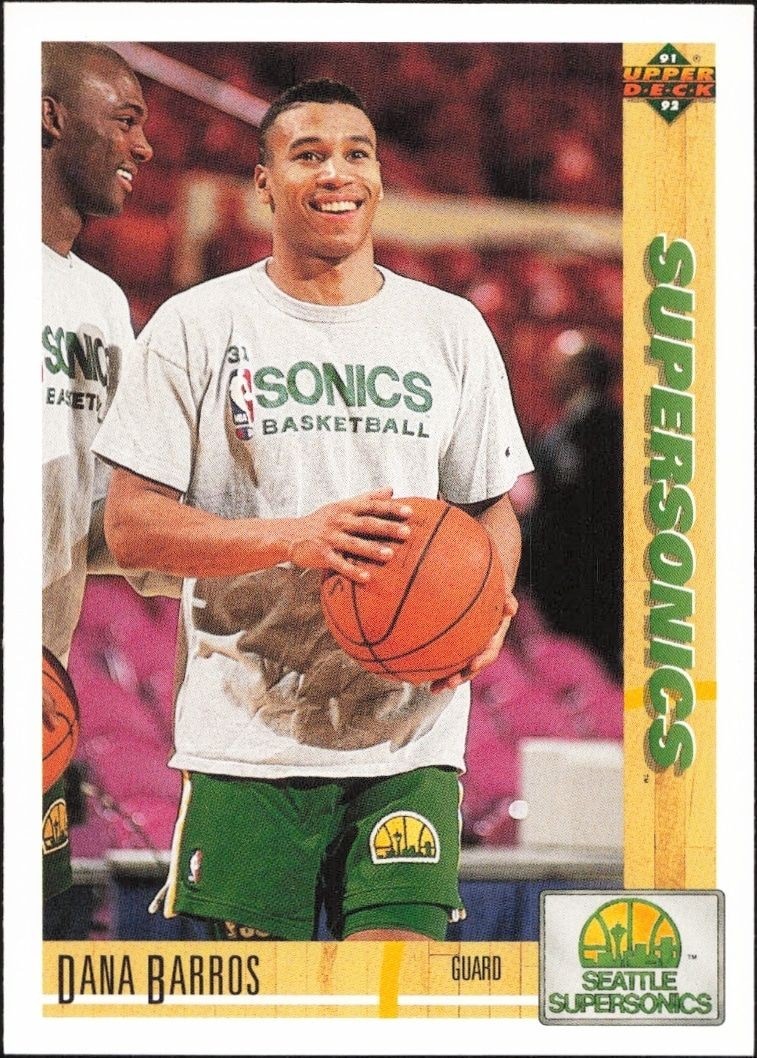
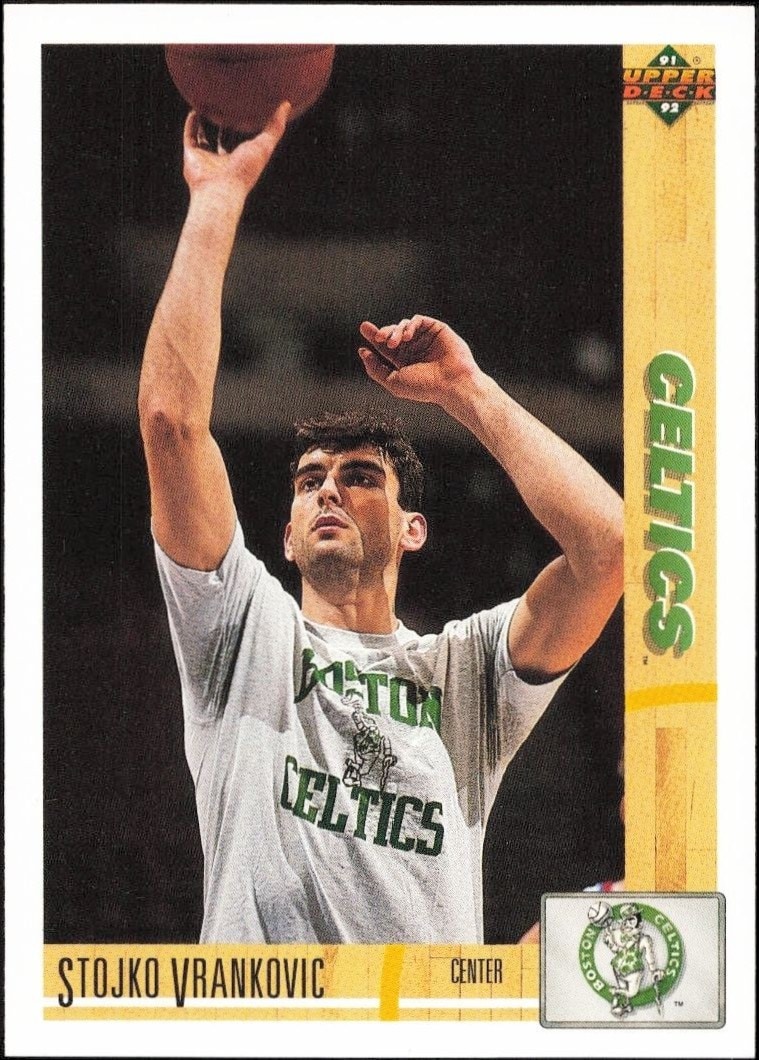
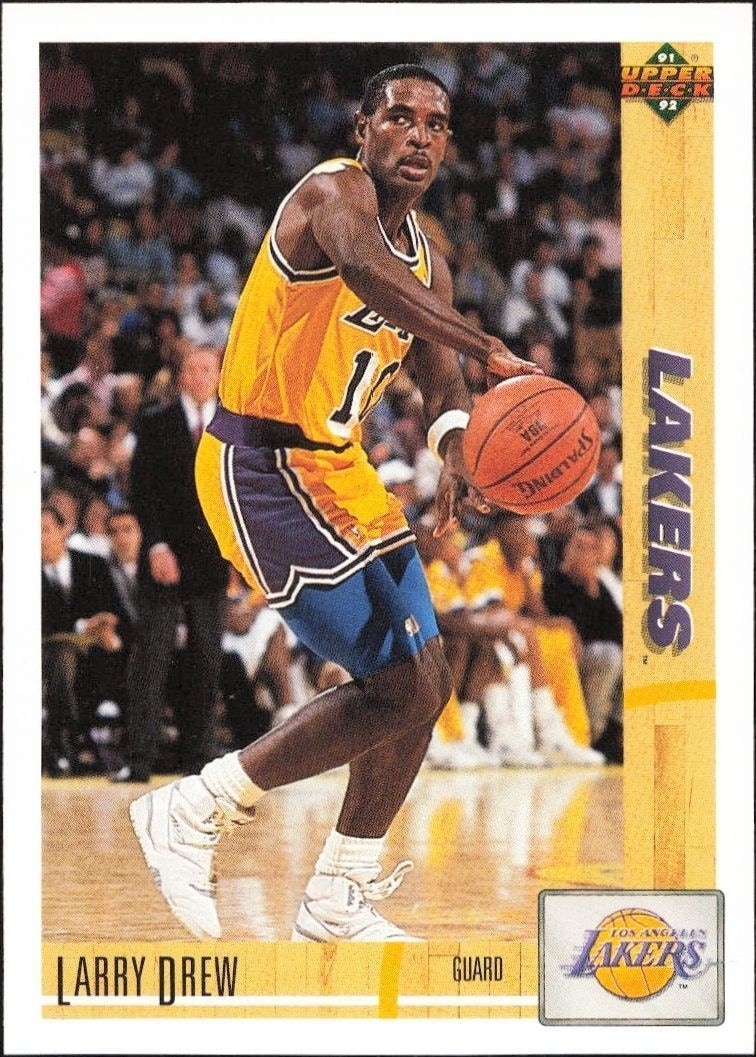

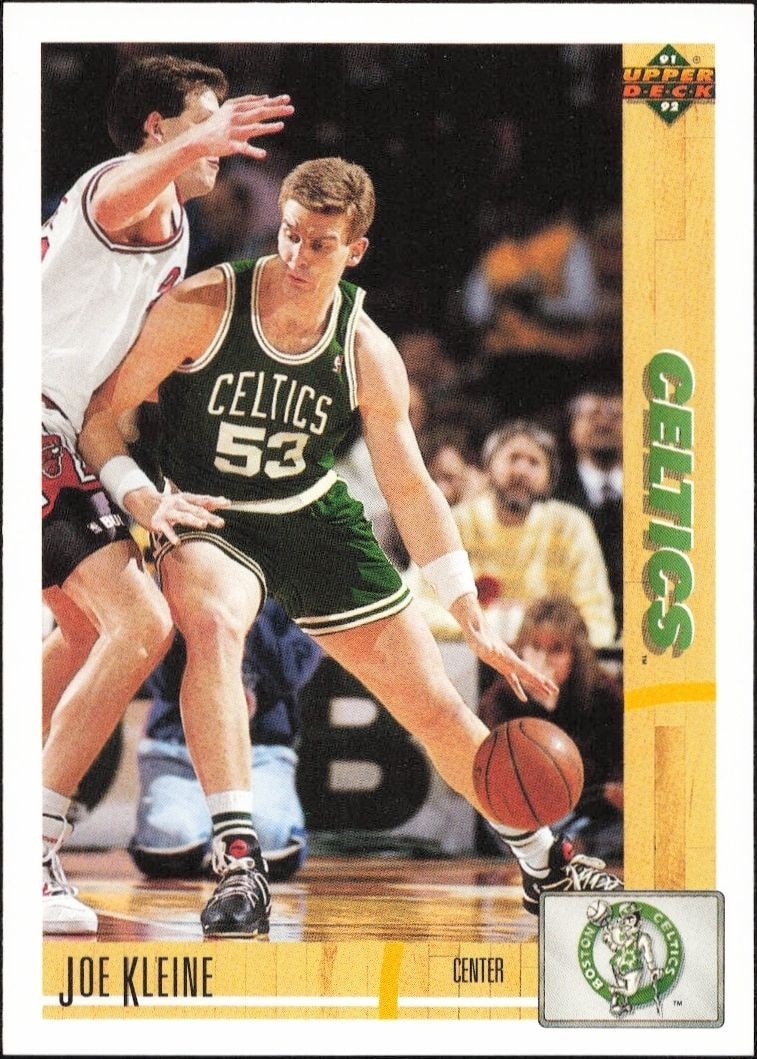
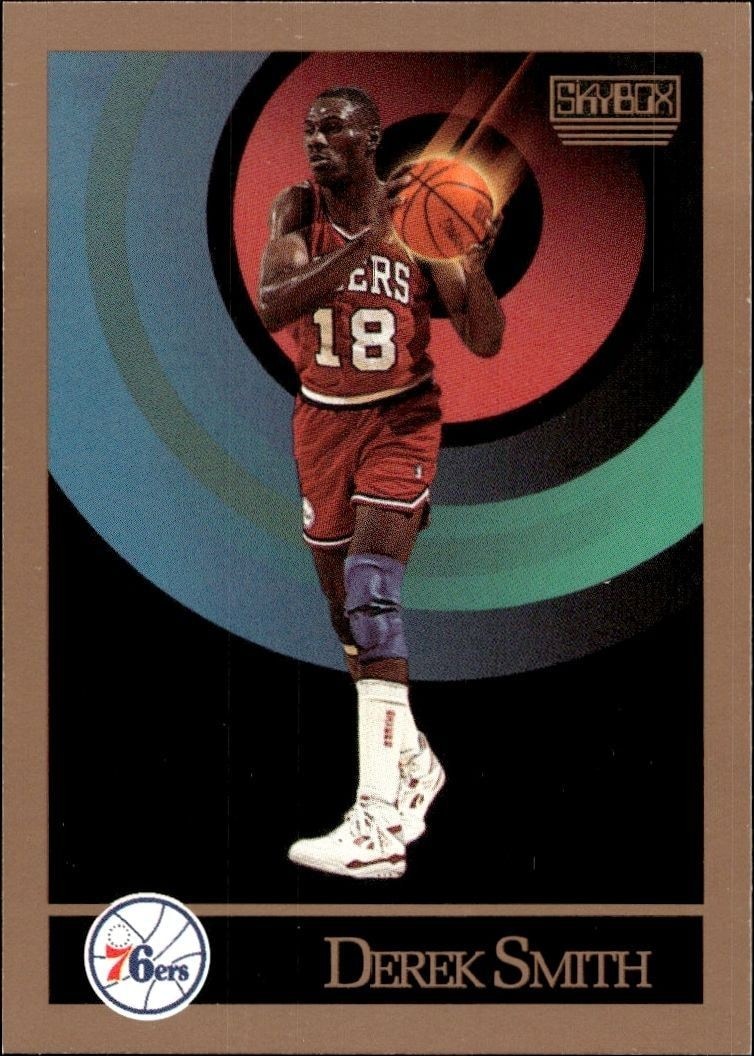
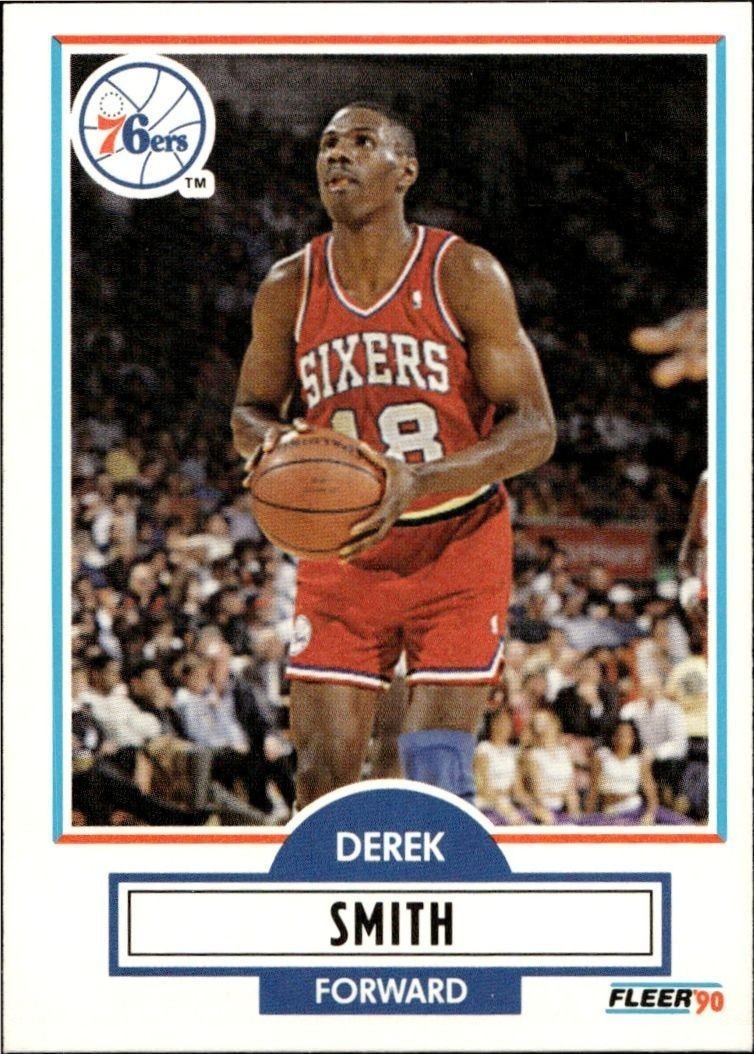
The 1991-92 Upper Deck #27 basketball trading card featuring Derek Smith of the Boston Celtics. This standard sports card is part of the iconic Upper Deck series from the early 1990s.
1991-92 • Upper Deck
National Basketball Association • Boston Celtics
Near Mint
27
New
Shipping Calculated at Checkout
Arrives in 4-6 daysEstimated delivery November 12, 2026 - November 14, 2026
30-day Returns| Condition | Value | Source | Trend | Price Details |
|---|---|---|---|---|
$1.29 | Asking Prices | |||
Raw / Ungraded
eBay Active Listings · Asking Prices evidence · captured Nov 7, 2026
History is building. At least two days of matching observations are needed to show a trend.
Each point is the last stored observation that day for this printing, condition, grader, autograph status and source. Gaps mean no observation; guide estimates and asking prices are not completed sales.The 1991-92 Upper Deck #27 basketball trading card features Derek Smith, who played for the Boston Celtics during this NBA season. As part of the Upper Deck brand, this card is a standard sports card from a highly recognizable series in trading card history. The product identifies the player and team within the context of the 1991-92 set, providing a snapshot of the roster from that era. This 1991-92 Upper Deck basketball card features Derek Smith of the Boston Celtics as card number 27. ## What is the card number for Derek Smith in the 1991-92 Upper Deck set? Derek Smith is listed as card number 27 in the 1991-92 Upper Deck basketball set. ## Which team did Derek Smith play for on this card? This card features Derek Smith during his time with the Boston Celtics in the NBA. ## Is the 1991-92 Upper Deck set considered a vintage basketball card? Yes, the 1991-92 Upper Deck set is considered a vintage basketball card, produced in the early 1990s.
2 days ago
We'll pre-fill the product details from this catalog entry, so your listing lands on this exact page. Just add photos of your copy, pick its condition, and set your price.
The catalog profile below summarizes the card identity, featured subject, and notable collectible traits.
The core identity of the card within the set.
The subject, team, league, and sport context tied to this card.
Production details and format-specific attributes.
Material
Card Stock
Language
English
Compare prices, grades, photos, and shipping from approved sellers.
New
Near Mint
See how many public collections currently include this card.
0 collectors have this card
FAQ
Derek Smith is listed as card number 27 in the 1991-92 Upper Deck basketball set.
This card features Derek Smith during his time with the Boston Celtics in the NBA.
Yes, the 1991-92 Upper Deck set is considered a vintage basketball card, produced in the early 1990s.
This 1991-92 Upper Deck card of Derek Smith sits at a baseline entry-level tier, reflecting its status as a standard base card rather than a premium insert or parallel. While Smith had a notable tenure with the Boston Celtics, the lack of special attributes keeps the value grounded in general market liquidity for early 90s basketball rather than individual star power. It trades in the lower spectrum of the set, serving as an affordable option for completists rather than high-value speculation.
The card possesses no scarcity mechanics such as serial numbering, short printing, or parallel foil treatments, meaning it shares the same supply constraints as the primary base set. As a standard issue, its availability is determined solely by the original print run of the base product, which was likely substantial for a major brand like Upper Deck. Consequently, condition becomes the primary differentiator, with ungraded copies being the most common variant in circulation.
As a non-rookie card from the 1991-92 season, this item lacks the rookie-card premium that typically drives significant appreciation in basketball collections. The investment potential is limited by its position as a common base card within a heavily distributed set, resulting in steady but modest collector demand. Value retention will depend largely on overall market trends for early 90s basketball rather than specific scarcity or player trajectory metrics.