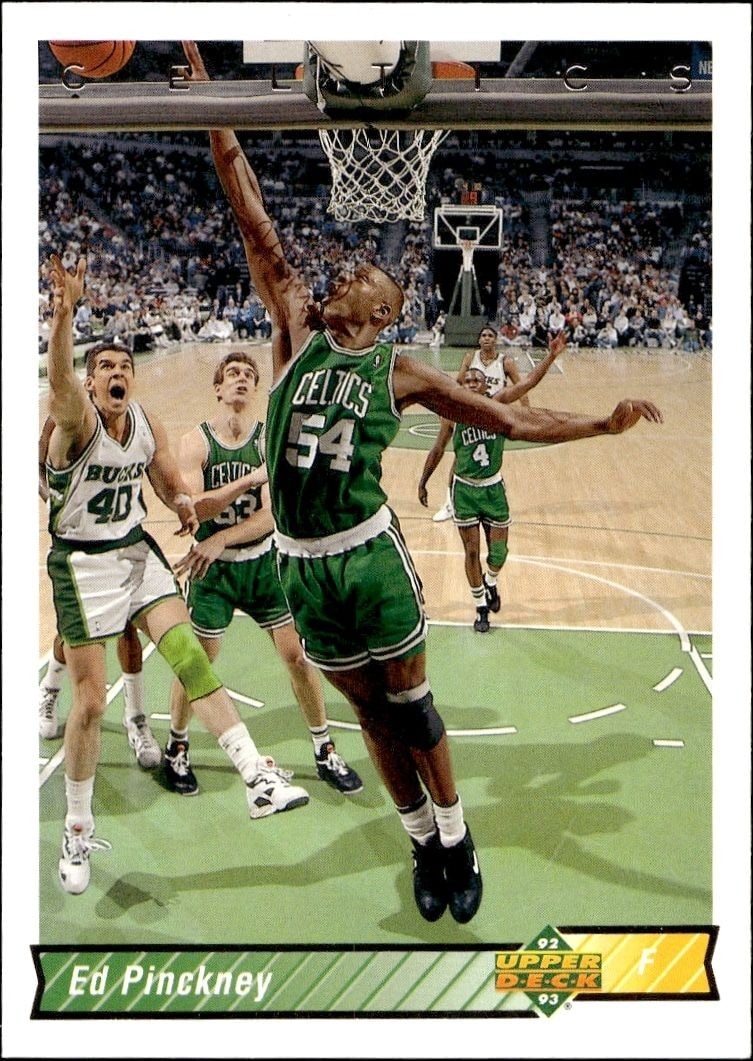


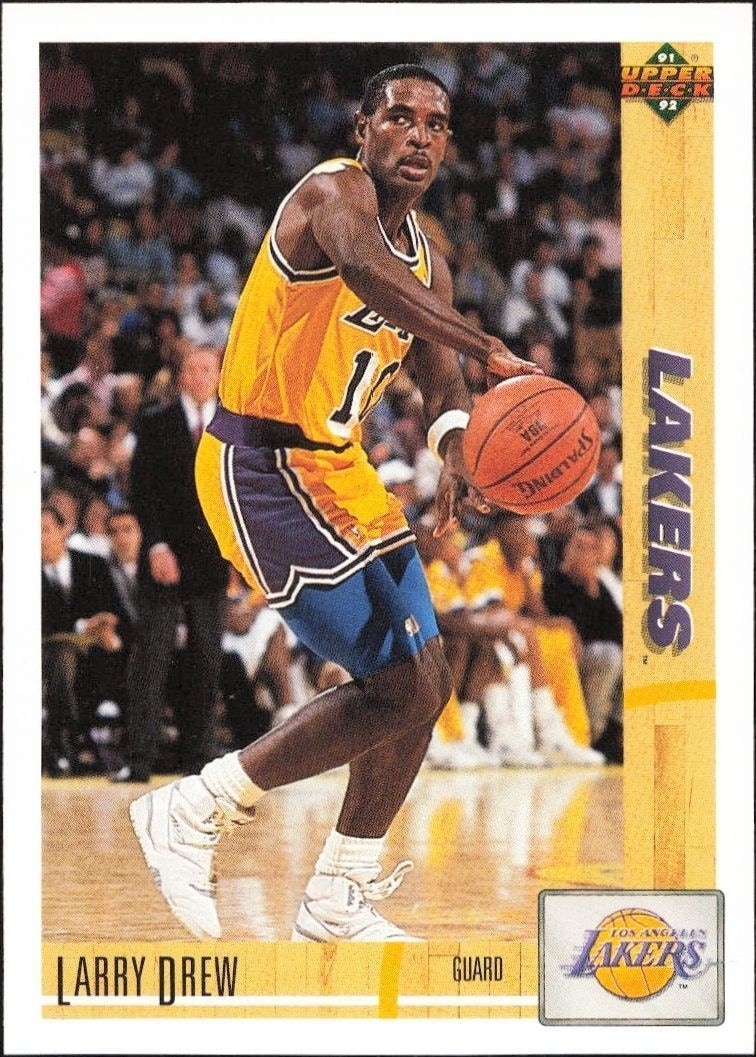

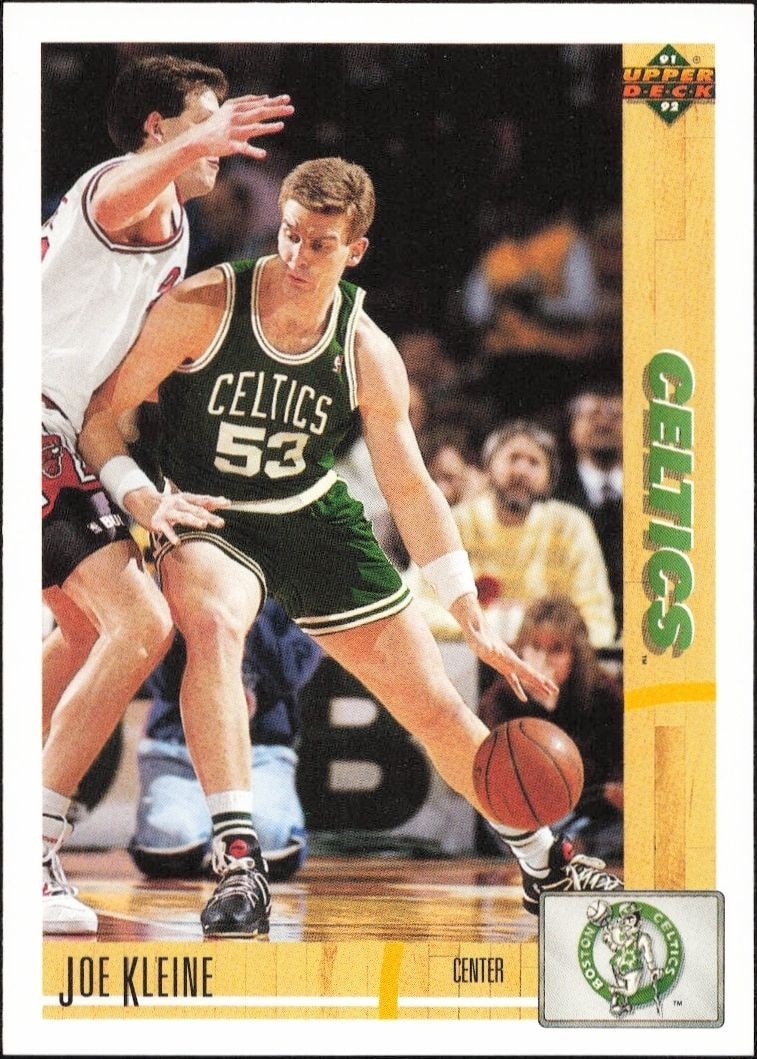
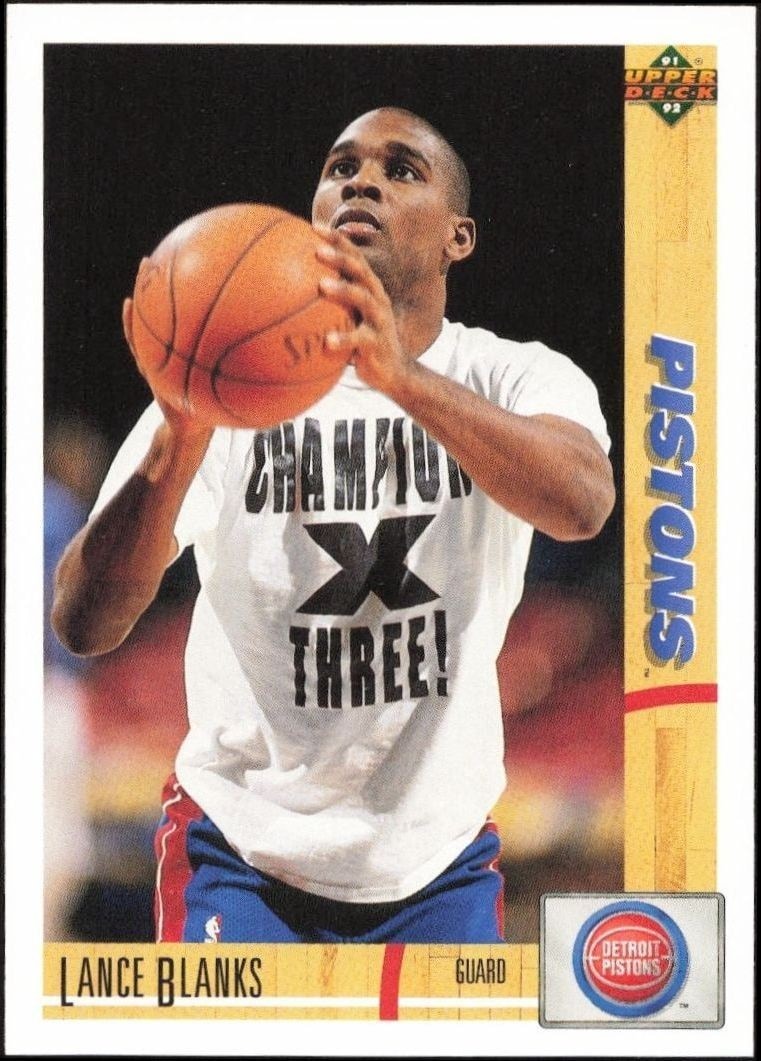
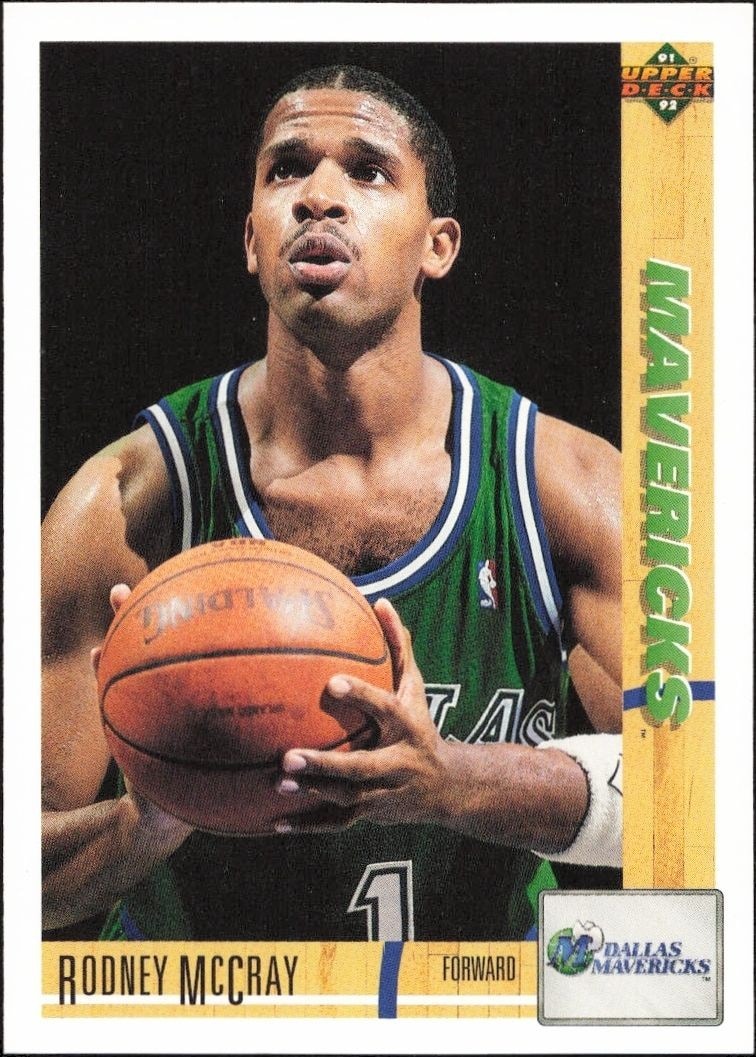


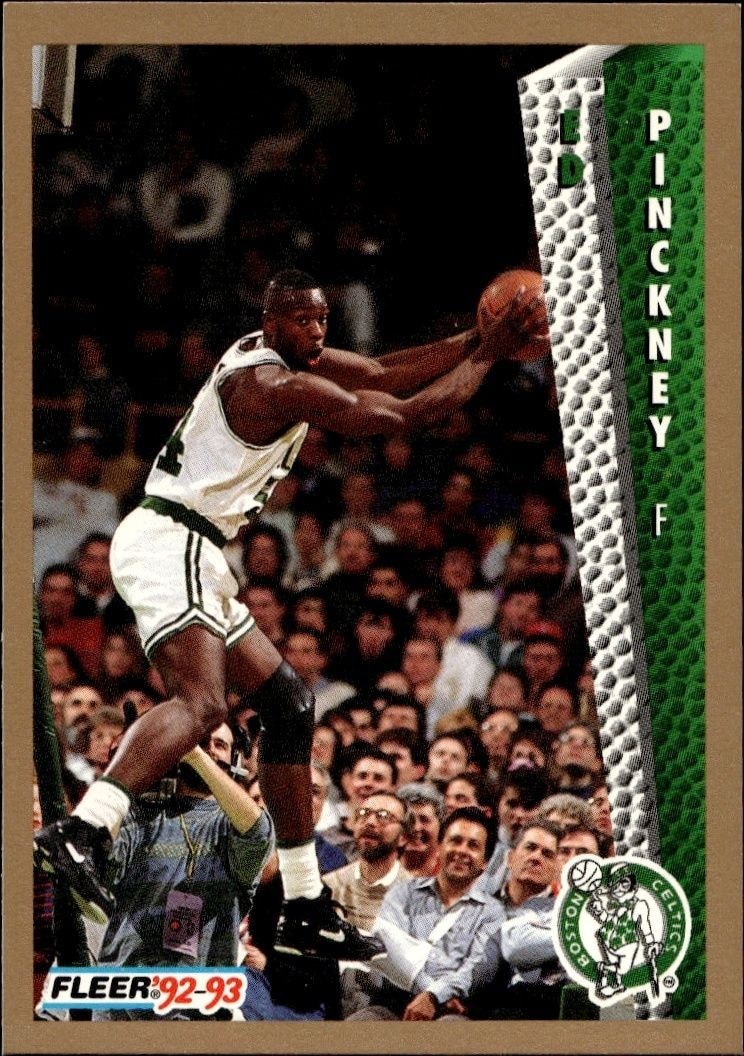
The 1991-92 Upper Deck Ed Pinckney #129 basketball card captures the NBA career of the Boston Celtics forward during a pivotal era of the league.
1991-92 • Upper Deck
National Basketball Association • Boston Celtics
Near Mint
129
New
Shipping Calculated at Checkout
Arrives in 5-7 daysEstimated delivery October 23, 2026 - October 25, 2026
Seller returns October 19, 2026.30-day Returns| Condition | Value | Source | Trend | Price Details |
|---|---|---|---|---|
$0.99 | Guide Estimate | 0% | ||
Raw / Ungraded
PriceCharting Price Guide · Guide Estimate evidence · captured Oct 6, 2026
The 1991-92 Upper Deck Ed Pinckney #129 basketball card stands as a significant piece of vintage sports memorabilia for enthusiasts of the National Basketball Association. Released by Upper Deck, a brand that redefined the trading card industry with its premium stock and high-quality photography, this card represents a specific moment in Ed Pinckney's professional journey. As a forward who spent a considerable portion of his career with the Boston Celtics, Pinckney was known for his versatility and defensive presence on the court. Collectors often seek out cards from the early 1990s due to the distinct design aesthetics and the nostalgic value associated with that era of basketball. For investors and hobbyists alike, cards like the Ed Pinckney #129 offer a tangible connection to the history of the sport, allowing collectors to build comprehensive sets or focus on specific teams and players. Whether you are a long-time fan of the Boston Celtics or simply appreciate the art of the trading card, this release offers a blend of historical significance and collectible appeal. The card's enduring popularity among vintage sports card enthusiasts highlights the timeless nature of basketball history and the continued interest in documenting the careers of notable NBA players. By focusing on the catalog identity of the 1991-92 Upper Deck Ed Pinckney #129, collectors can appreciate the card's place within the broader context of the set and the era. It serves as a reminder of the dynamic changes in the NBA during the late 1980s and early 1990s, a period marked by intense competition and the rise of new stars. For those building a collection of vintage basketball cards, this product remains a valuable addition to any portfolio.
22 hours ago
We'll pre-fill the product details from this catalog entry, so your listing lands on this exact page. Just add photos of your copy, pick its condition, and set your price.
The catalog profile below summarizes the card identity, featured subject, and notable collectible traits.
The core identity of the card within the set.
The subject, team, league, and sport context tied to this card.
Production details and format-specific attributes.
Material
Card Stock
Language
English
Compare prices, grades, photos, and shipping from approved sellers.
New
Near Mint
See how many public collections currently include this card.
0 collectors have this card
This 1991-92 Upper Deck card of Ed Pinckney represents a baseline entry point within the NBA hobby, trading well below the value tiers of star players or rookie cards from the same era. As a role player for the Boston Celtics during a competitive period, the card lacks the premium demand associated with franchise icons, resulting in a modest market position. Its value is driven primarily by its status as a standard base card rather than any significant collectible scarcity or player notoriety.
The card carries no special scarcity attributes, indicating it is a standard base issue from the 1991-92 Upper Deck set. Without serial numbering, short-print designations, or parallel variations, the supply is determined solely by the original print run, which was likely substantial. This lack of limiting factors means the card is widely available to collectors seeking general set completion rather than rare finds.
As a non-rookie, non-premium parallel card of a role player, this item offers limited potential for significant appreciation relative to broader market trends. Collector demand is likely restricted to those completing specific team or set collections, with minimal speculative interest from investors. The card serves better as a filler for a collection than as a standalone investment vehicle.