



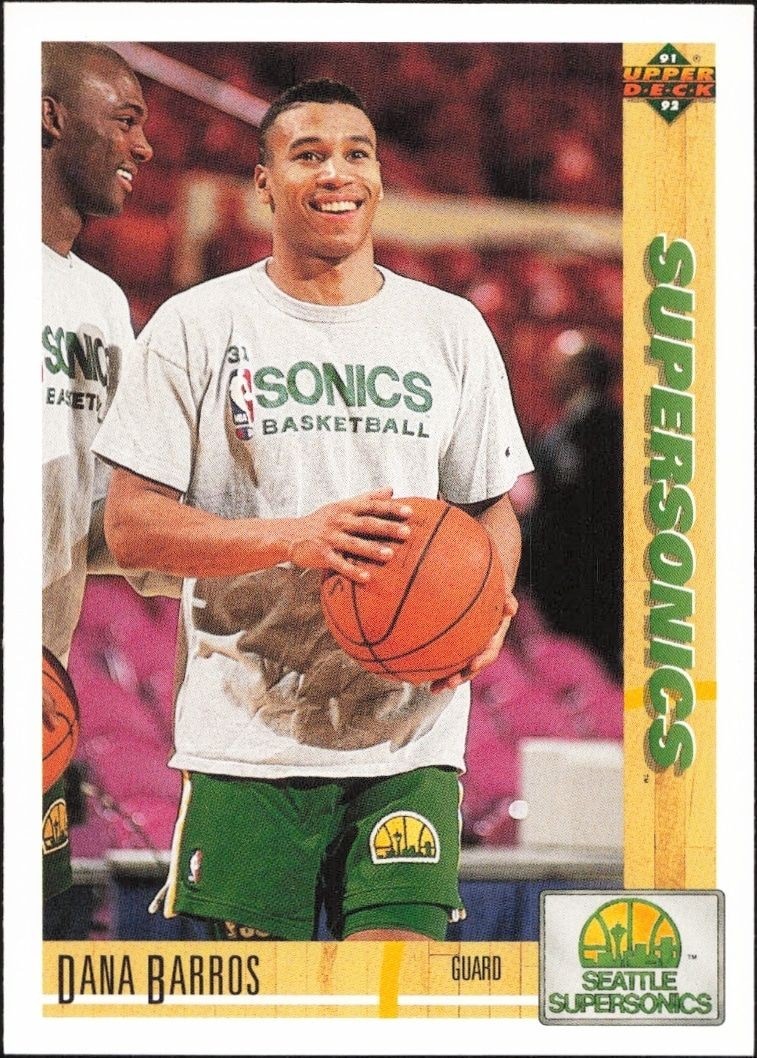
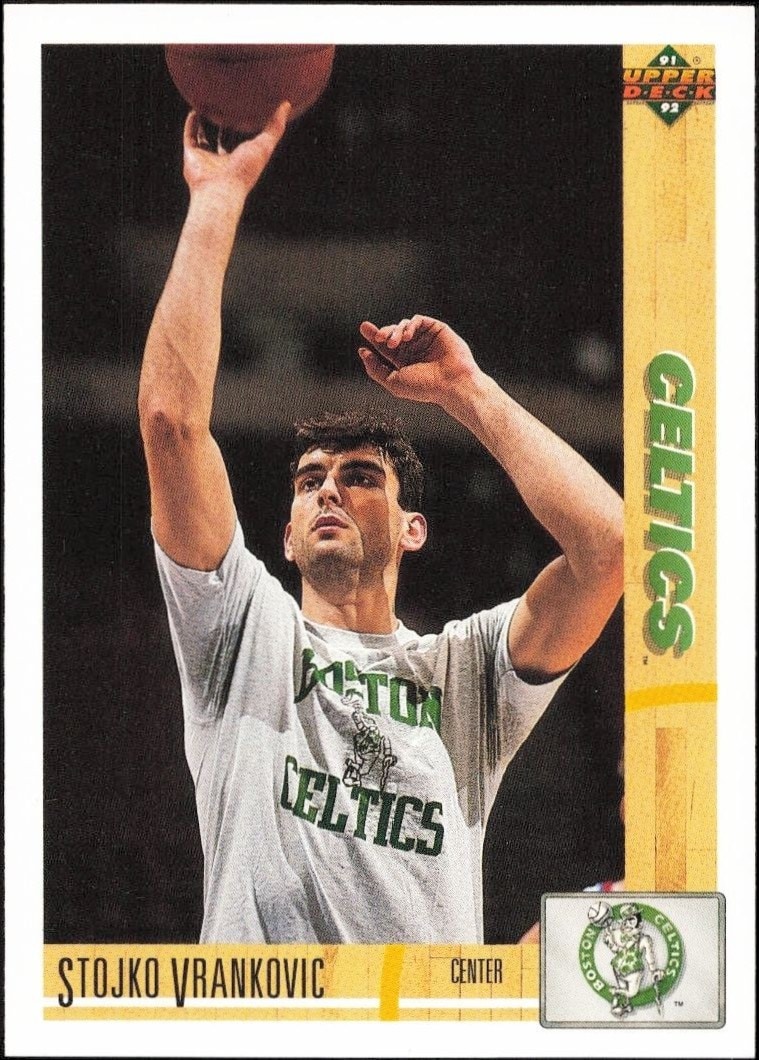
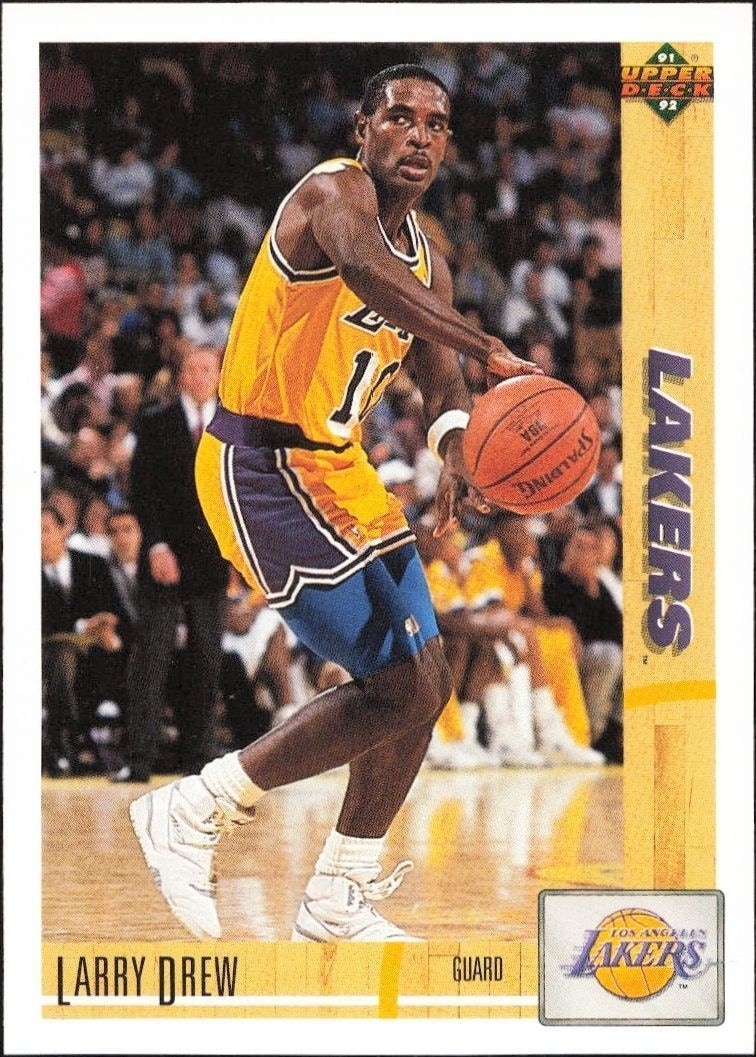

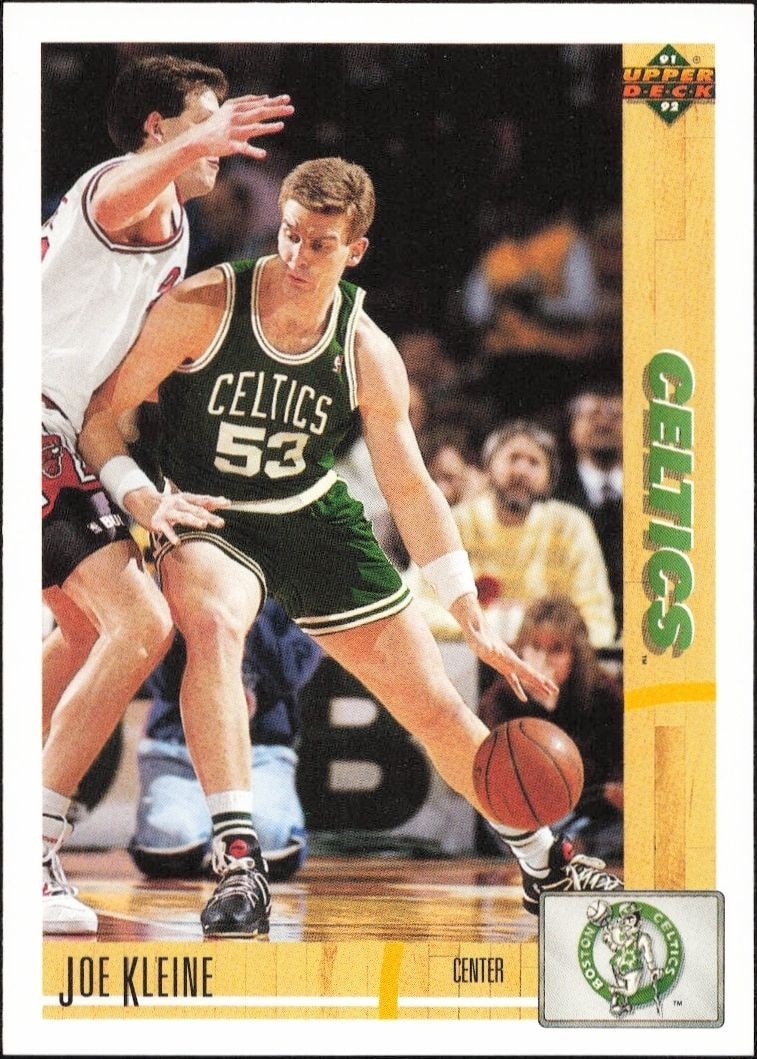
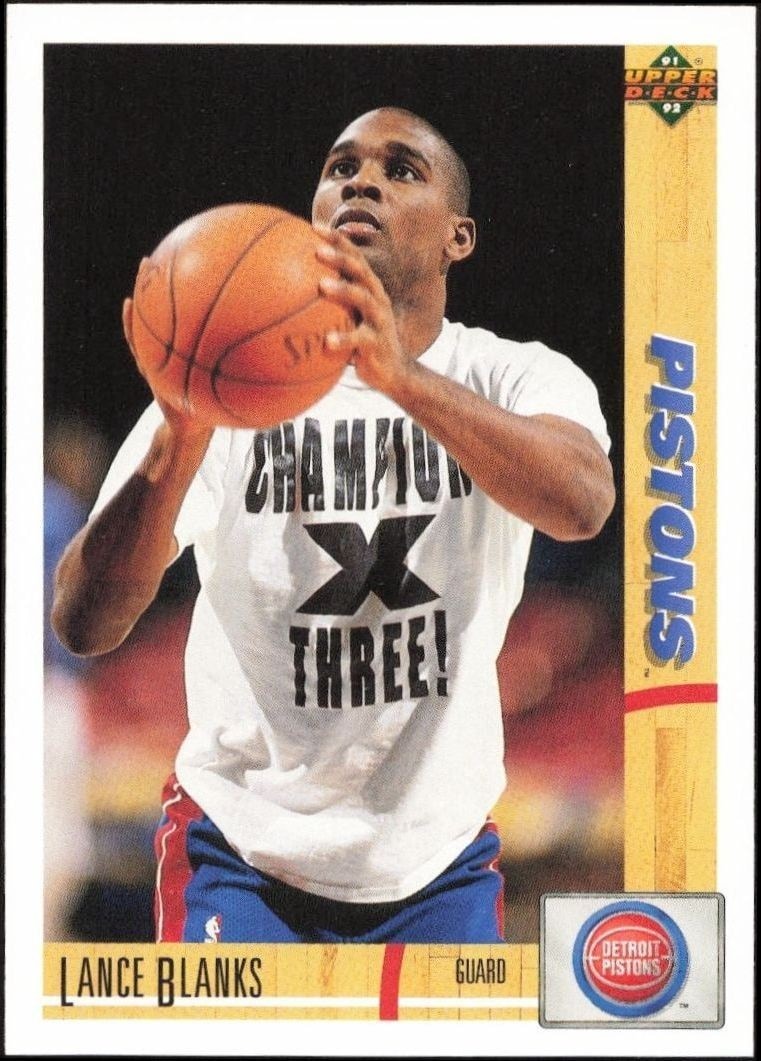
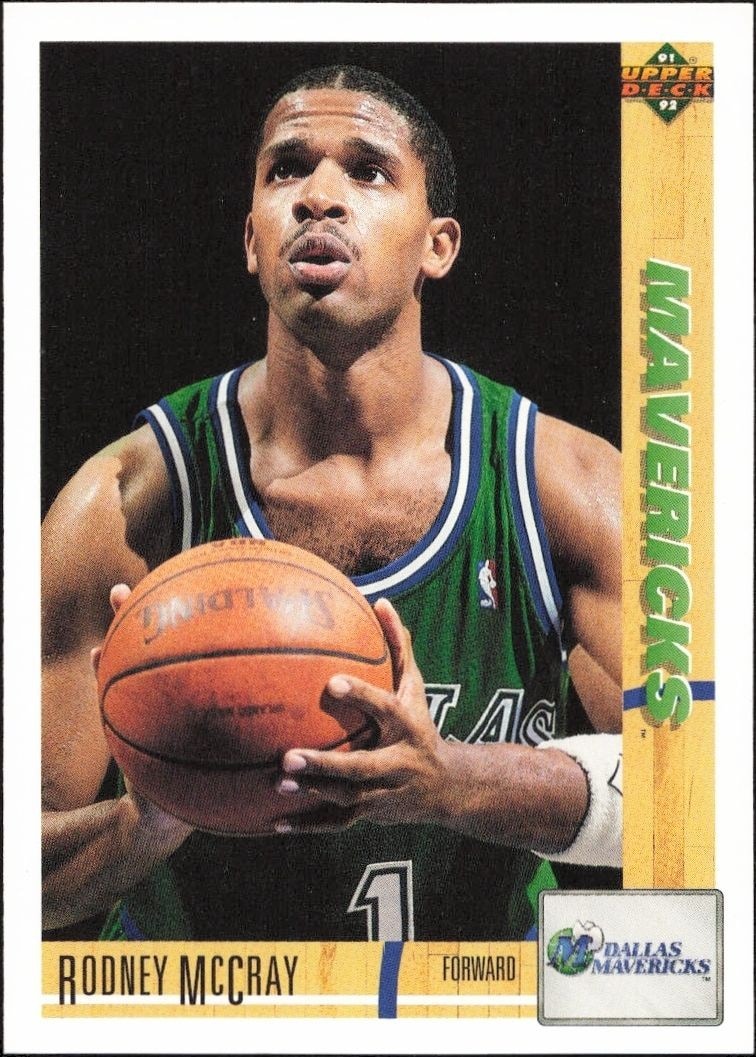


The 1991-92 Upper Deck James Edwards #338 basketball card captures the Detroit Pistons forward during a pivotal era of NBA history.
1991-92 • Upper Deck
National Basketball Association • Detroit Pistons
Excellent
338
New
Shipping Calculated at Checkout
Arrives in 5-7 daysEstimated delivery October 23, 2026 - October 25, 2026
Seller returns October 19, 2026.30-day Returns| Condition | Value | Source | Trend | Price Details |
|---|---|---|---|---|
$1.29 | Guide Estimate | |||
Raw / Ungraded
PriceCharting Price Guide · Guide Estimate evidence · captured Oct 7, 2026
History is building. At least two days of matching observations are needed to show a trend.
Each point is the last stored observation that day for this printing, condition, grader, autograph status and source. Gaps mean no observation; guide estimates and asking prices are not completed sales.The 1991-92 Upper Deck #338 James Edwards basketball card stands as a definitive piece of early 1990s NBA memorabilia. This card number features the Detroit Pistons forward during a time when the league was experiencing significant stylistic and competitive shifts. Collectors often seek out cards from this era due to the distinct visual identity and historical context of the sport during those years. James Edwards represented the Detroit Pistons, a franchise renowned for its defensive intensity and championship pedigree. While this card does not highlight a rookie status or autograph, it serves as a straightforward portrait of the player in his team colors. The Upper Deck brand was instrumental in defining the modern trading card aesthetic, and this release follows that established design language. For investors and hobbyists, the combination of a well-known team and a recognizable player makes this card a steady component of any vintage basketball collection. The card's catalog number, 338, places it within the broader sequence of the 1991-92 set. Completing such sets requires patience and a keen eye for detail, as enthusiasts hunt for every number from the base release. This card offers a direct connection to the Pistons' roster during a competitive period in the NBA. Whether you are building a team-specific collection or focusing on the Upper Deck brand history, this product provides a tangible link to the past. The enduring appeal of vintage basketball cards lies in their ability to preserve moments in sports history, and this card is no exception. It remains a relevant and sought-after item for those who appreciate the golden era of NBA trading cards.
23 hours ago
We'll pre-fill the product details from this catalog entry, so your listing lands on this exact page. Just add photos of your copy, pick its condition, and set your price.
The catalog profile below summarizes the card identity, featured subject, and notable collectible traits.
The core identity of the card within the set.
The subject, team, league, and sport context tied to this card.
Production details and format-specific attributes.
Material
Card Stock
Language
English
Compare prices, grades, photos, and shipping from approved sellers.
New
Excellent
See how many public collections currently include this card.
0 collectors have this card
This card sits at the lower end of the market spectrum, reflecting its status as a standard base card from a mid-1990s basketball set rather than a premium insert or parallel. While James Edwards was a significant contributor to the Detroit Pistons' championship runs, this specific iteration lacks the scarcity or visual appeal that typically drives prices above the baseline for vintage NBA cards of this era. It represents an accessible entry point for collectors seeking general 1990s Pistons memorabilia without commanding a premium associated with higher-tier products.
The card possesses no special scarcity attributes, such as serial numbering, short-print designations, or unique parallels, meaning it exists in its highest possible supply tier within the Upper Deck 1991-92 product. As a base card, its availability is determined solely by the initial print run, which for major brands of this period was substantial to meet mass-market demand. Consequently, the supply is effectively unlimited relative to collector interest, as there are no restrictive mechanics limiting the number of copies in circulation.
Investment potential is limited due to the absence of rookie-card status, as James Edwards' career predates this 1991-92 release by several years, removing the primary driver of long-term value appreciation in basketball collecting. The card's value is anchored to the general vintage basketball market trends rather than player-specific growth, making it more suitable for filling gaps in a collection than for speculative holding. Demand remains steady for complete set builders but does not exhibit the strong growth dynamics seen in rookie cards or highly serialized parallels from the same era.
