

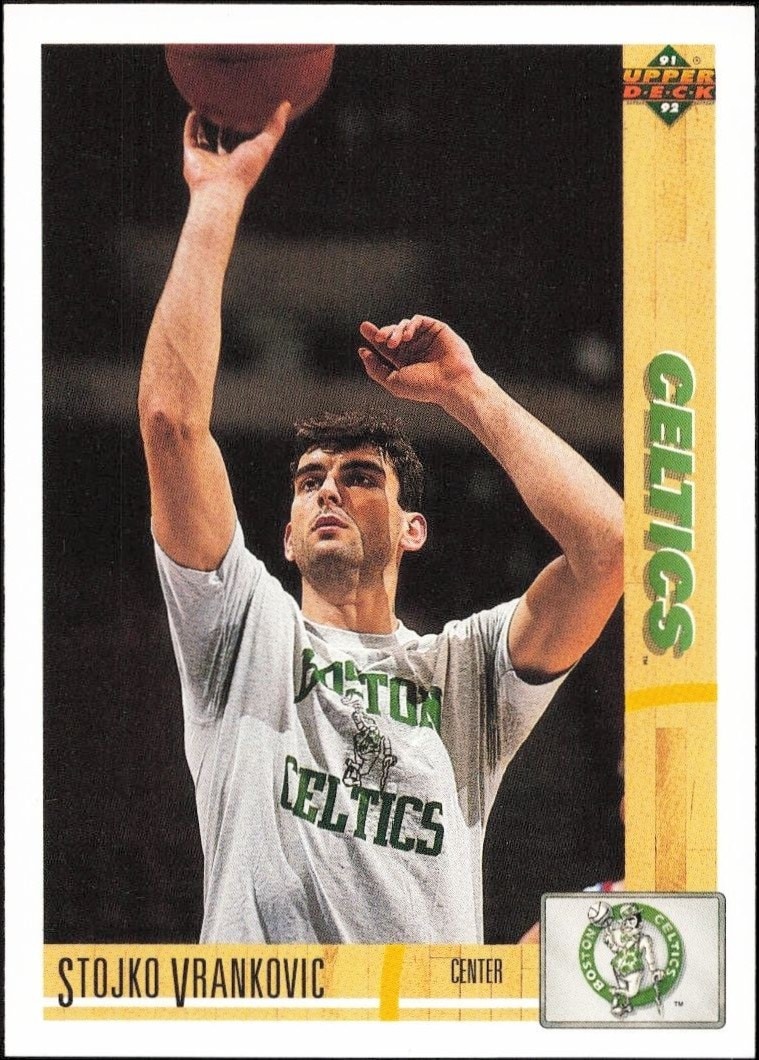
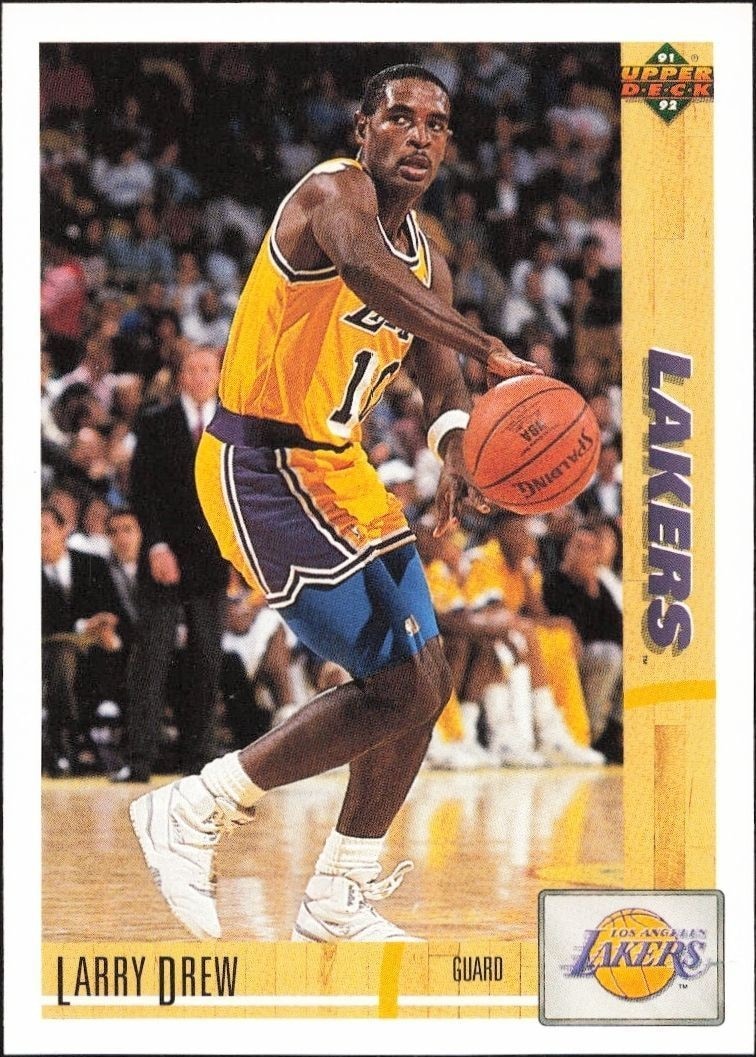

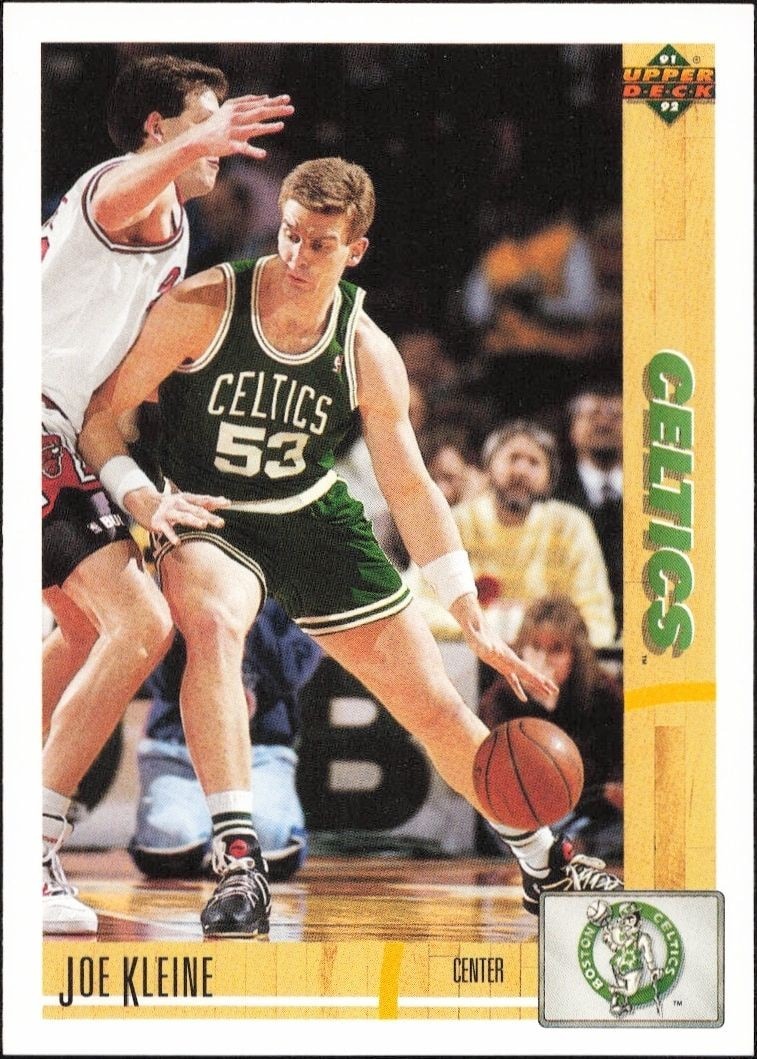
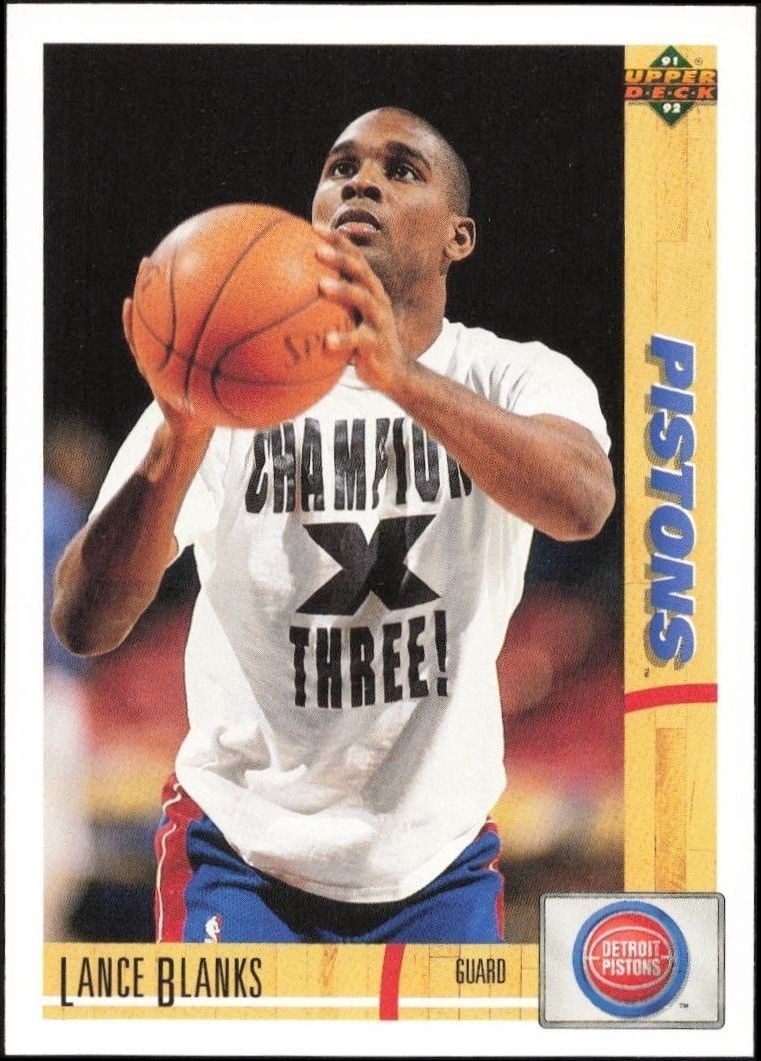
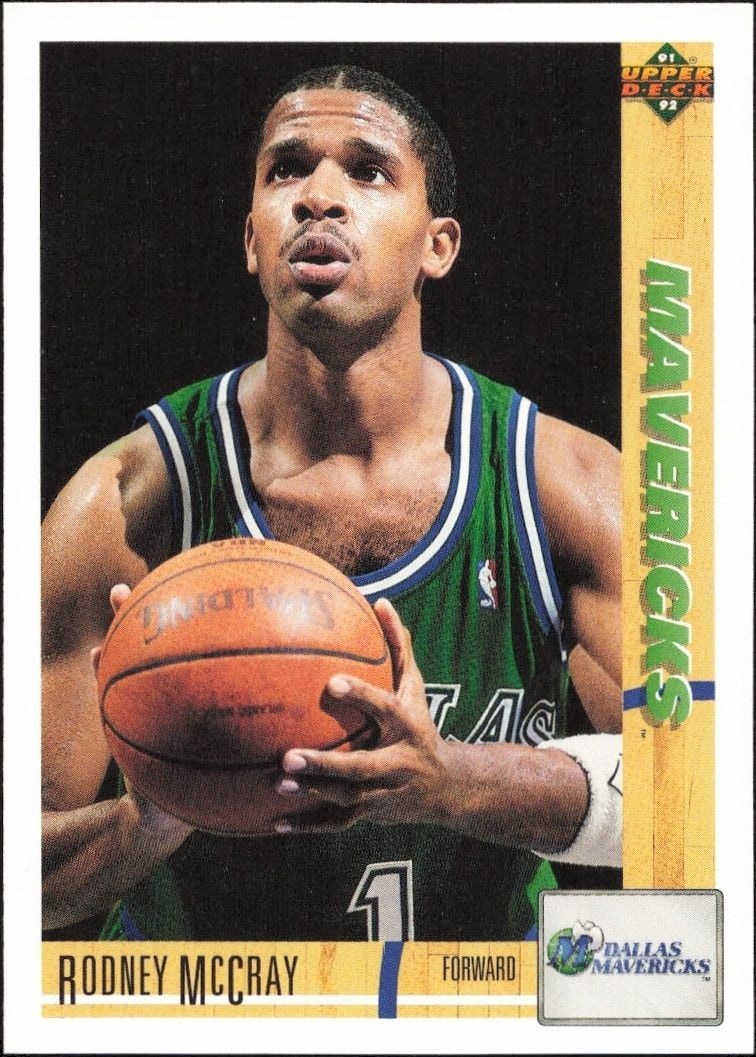
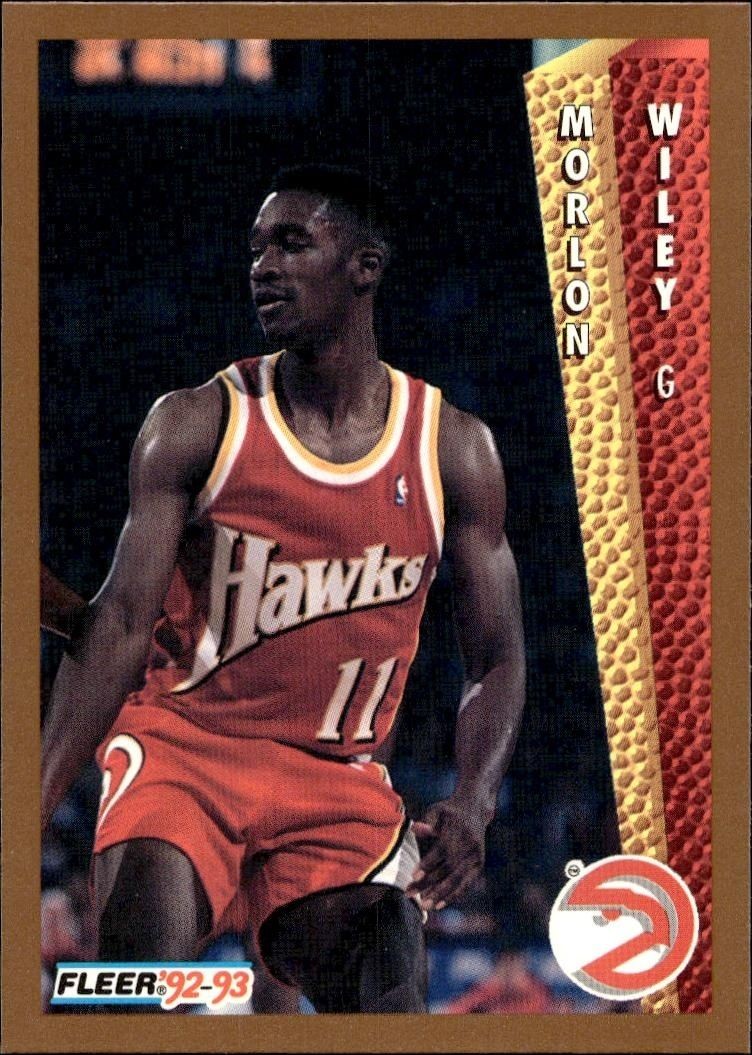
The 1991-92 Upper Deck Morlon Wiley #26 basketball card features the Orlando Magic guard in one of the brand's classic vintage designs. This product represents a foundational era of NBA trading card collecting.
1991-92 • Upper Deck
National Basketball Association • Orlando Magic
Near Mint
26
New
Shipping Calculated at Checkout
Arrives in 5-7 daysEstimated delivery October 23, 2026 - October 25, 2026
Seller returns October 19, 2026.30-day Returns| Condition | Value | Source | Trend | Price Details |
|---|---|---|---|---|
$0.99 | Guide Estimate | -1% | ||
Raw / Ungraded
PriceCharting Price Guide · Guide Estimate evidence · captured Oct 11, 2026
The 1991-92 Upper Deck Morlon Wiley #26 basketball card captures a pivotal moment in Orlando Magic franchise history during the early 1990s. As a member of one of the league's newest franchises, Wiley represented the expanding talent pool of that era, making his inclusion in the 1991-92 Upper Deck set particularly relevant for team-specific collectors. The product itself is recognized for establishing a new standard in card design during the early 90s, offering a clean, accessible aesthetic that defined the period's collecting experience. For investors and hobbyists alike, vintage NBA cards from this timeframe hold significant nostalgic value. The 1991-92 season marked a transitional period for the league, and cards from this Upper Deck release serve as tangible artifacts of that growth. Collectors often seek out specific card numbers like #26 to complete their set collections or to focus on individual players who contributed to their favorite teams during formative years. Morlon Wiley's tenure with the Orlando Magic adds a layer of historical interest to this card. While many players from this era have faded from memory, the physical card remains a durable record of his professional journey. The 1991-92 Upper Deck brand continues to be a cornerstone for vintage basketball card enthusiasts, with its distinct visual style and consistent quality making it a preferred choice for those building libraries of 90s sports memorabilia. Owning a piece of this release connects collectors to the broader narrative of NBA expansion and the evolution of trading card culture. Whether you are a dedicated fan of the Magic or a student of basketball history, this card offers a direct link to the sport's past.
12 hours ago
We'll pre-fill the product details from this catalog entry, so your listing lands on this exact page. Just add photos of your copy, pick its condition, and set your price.
The catalog profile below summarizes the card identity, featured subject, and notable collectible traits.
The core identity of the card within the set.
The subject, team, league, and sport context tied to this card.
Production details and format-specific attributes.
Material
Card Stock
Language
English
Compare prices, grades, photos, and shipping from approved sellers.
New
Near Mint
See how many public collections currently include this card.
0 collectors have this card
This 1991-92 Upper Deck Morlon Wiley card represents a foundational entry into the Orlando Magic franchise, capturing a player from the team's inaugural season. While the base nature of the card places it in an accessible tier compared to premium parallels or autographs, it holds historical significance for collectors focused on early Magic roster development. The current market positioning reflects its status as a common base card rather than a high-demand centerpiece.
The card lacks any special scarcity attributes such as serial numbering, short-print designations, or unique parallels, classifying it as a standard base issue. Consequently, the supply is determined by the original print run of the 1991-92 Upper Deck basketball set, which was extensive to meet broad market demand. Without limited edition markers or one-of-one variations, the rarity remains low, typical of mass-produced hobby cards from this era.
As a rookie card for the Orlando Magic franchise, this item benefits from the nostalgic demand associated with the team's early history. However, the absence of autographs, memorabilia, or high-grade serial numbers limits its potential for significant appreciation compared to more specialized inserts. Demand is likely driven by casual collectors seeking to complete base set checklists rather than serious investors targeting premium assets.