
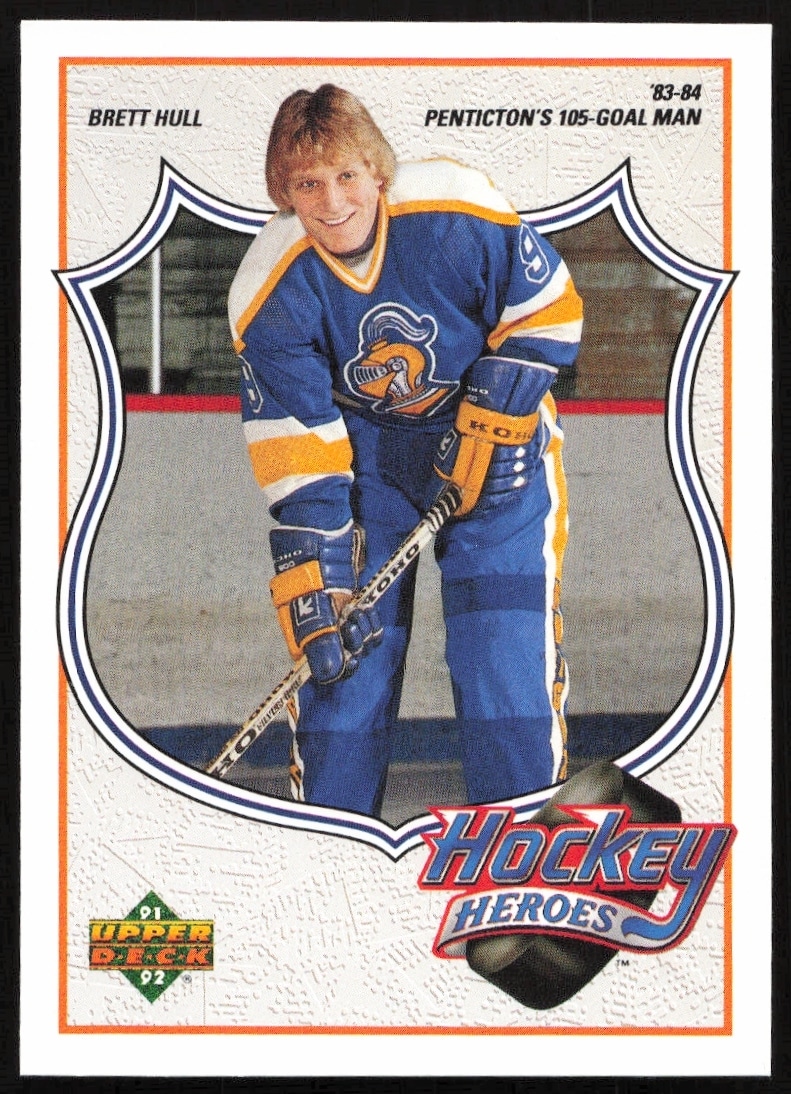


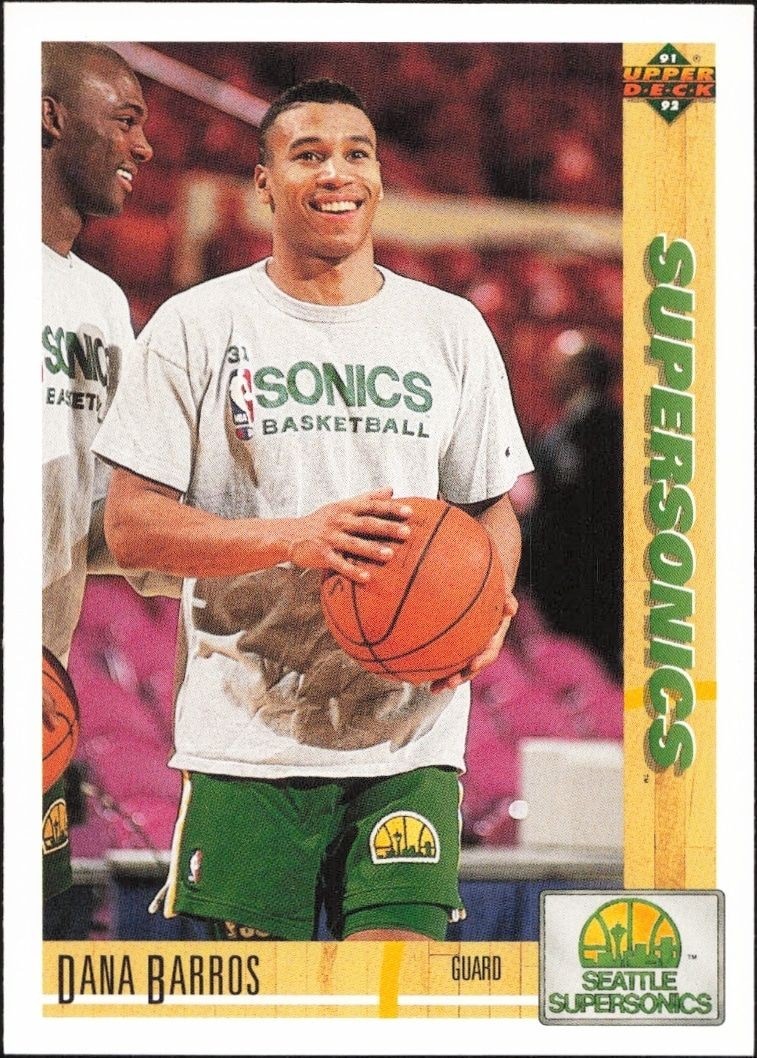
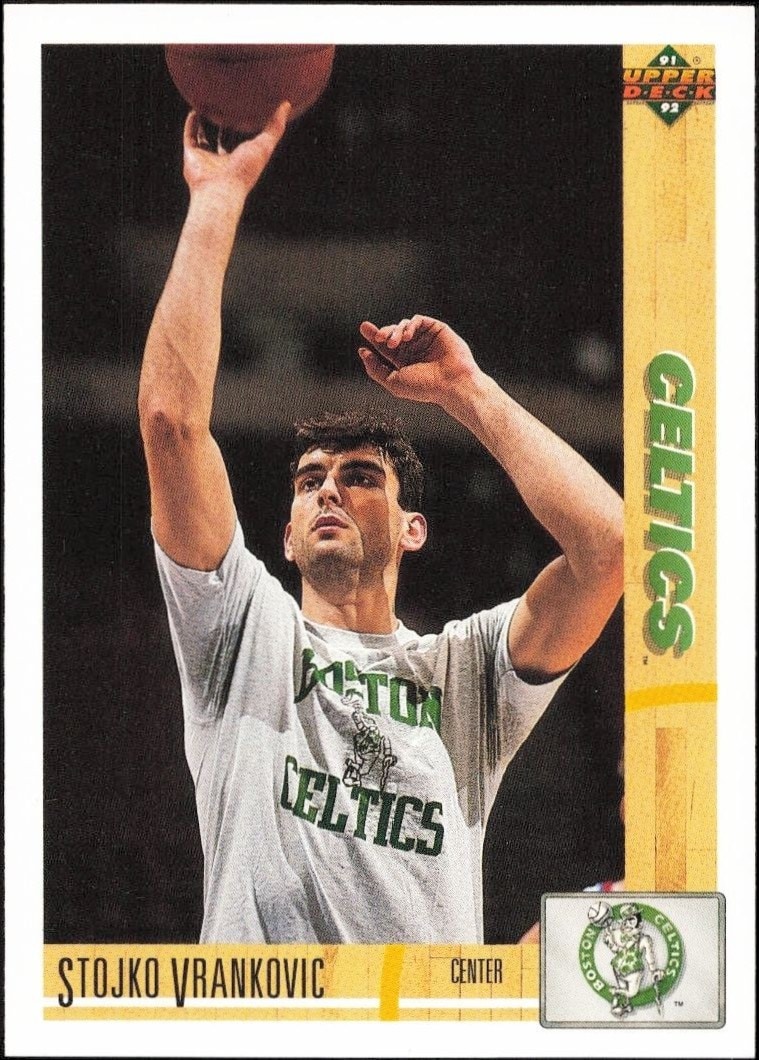
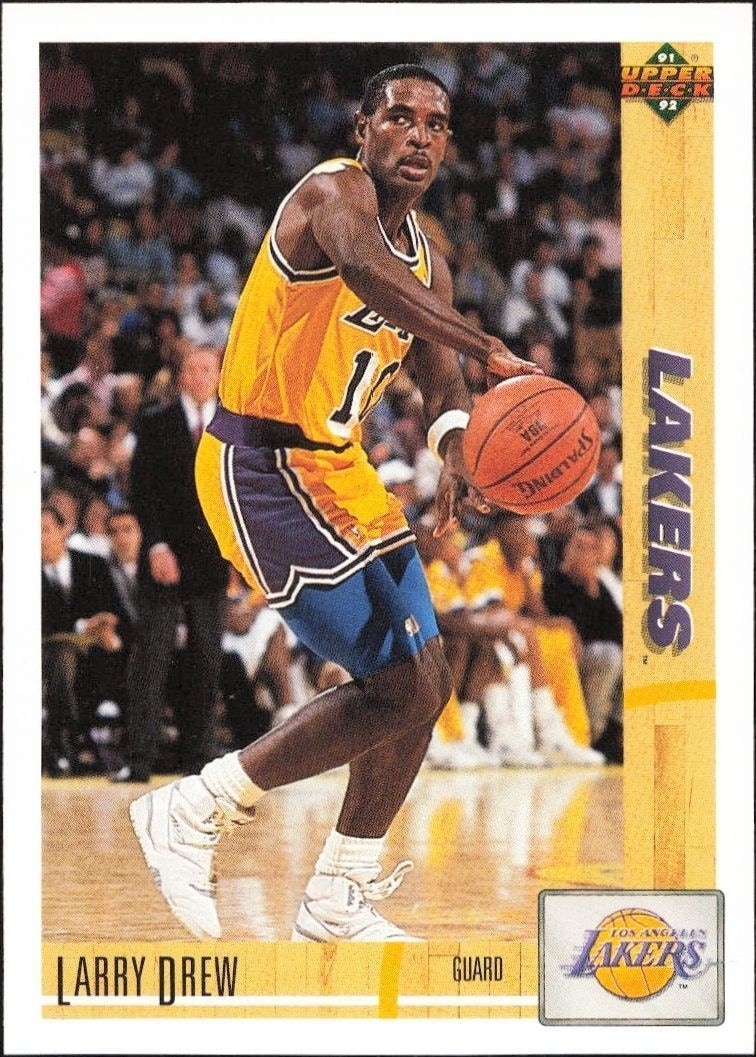

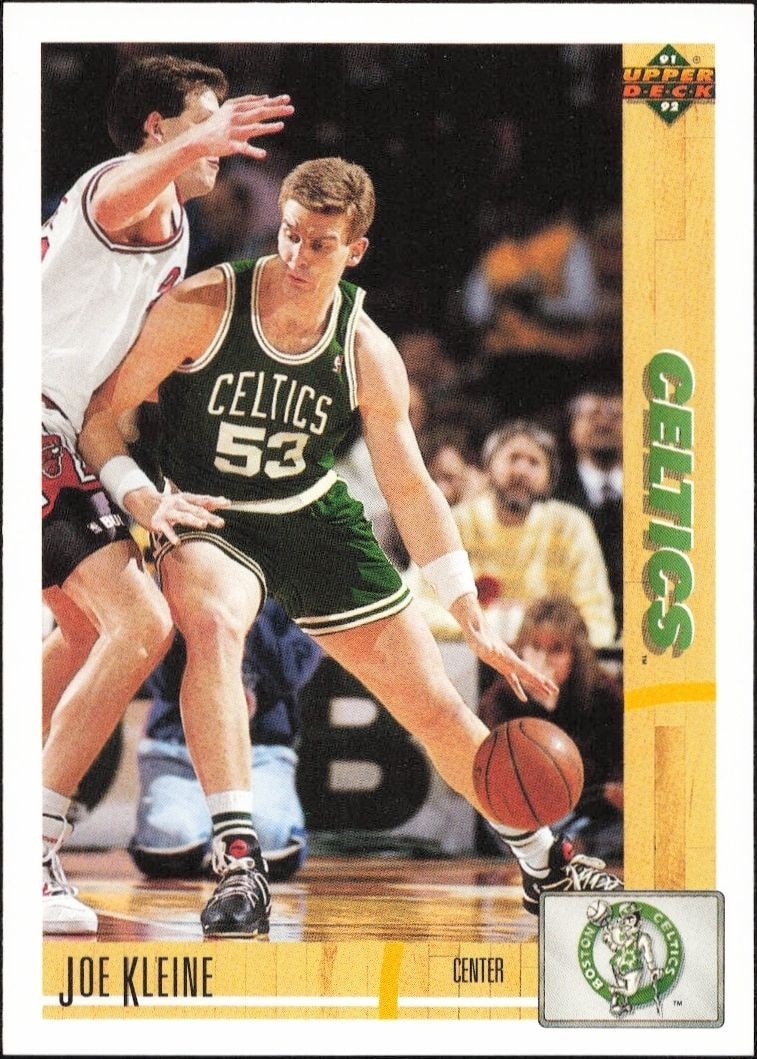
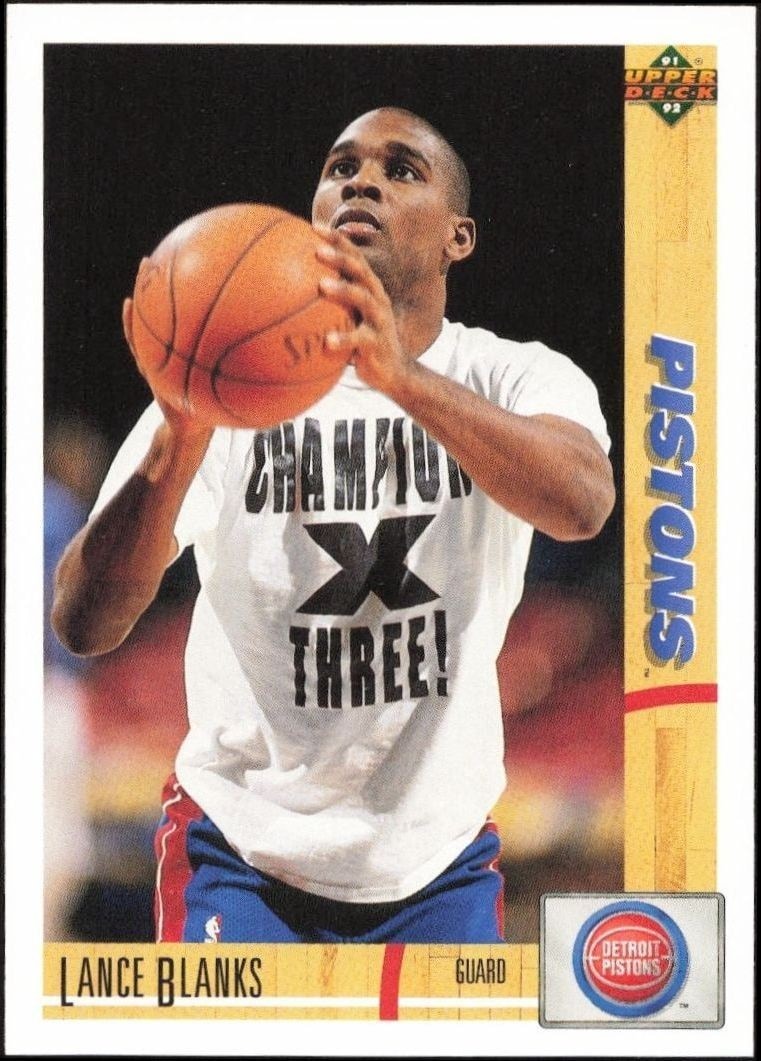
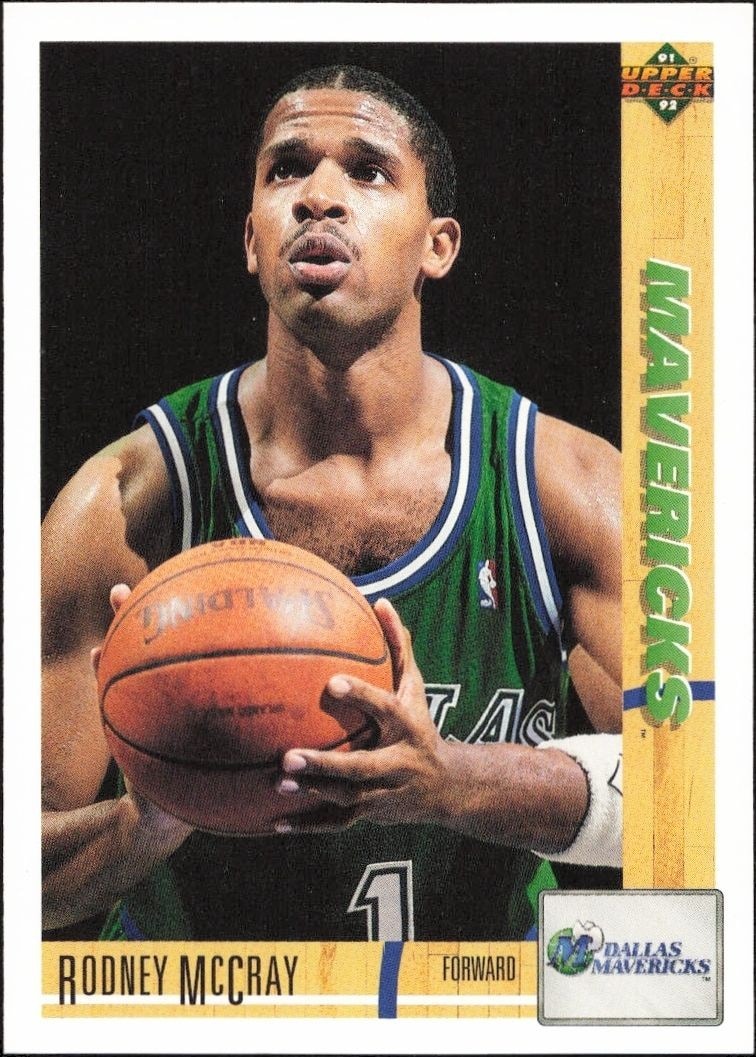
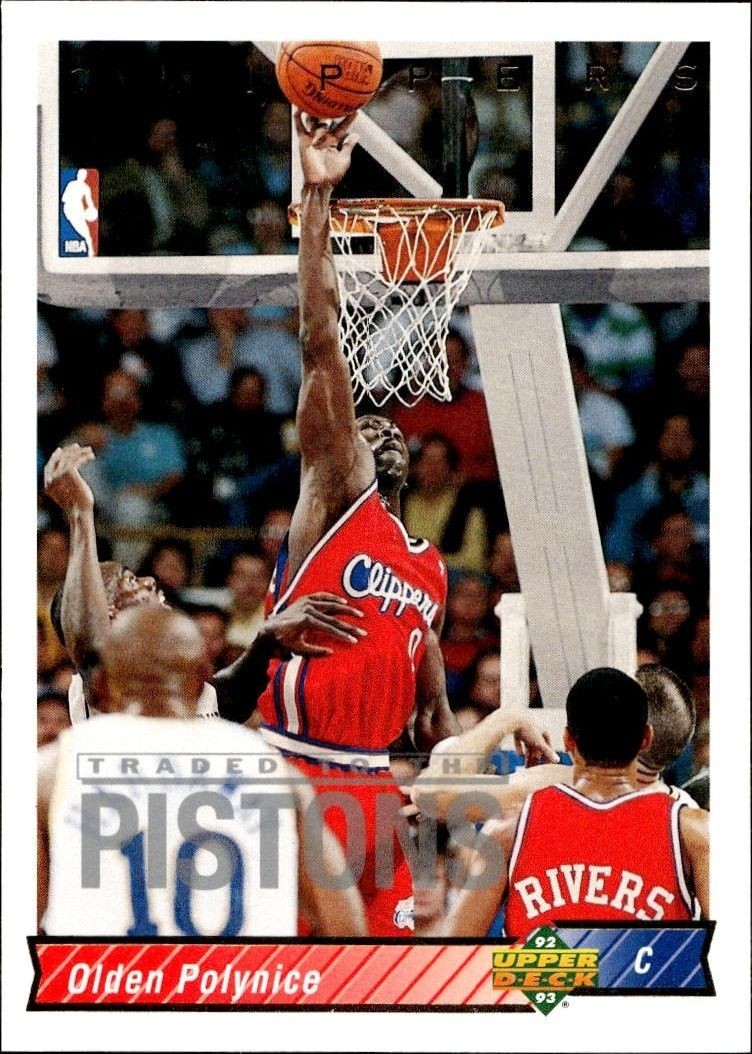
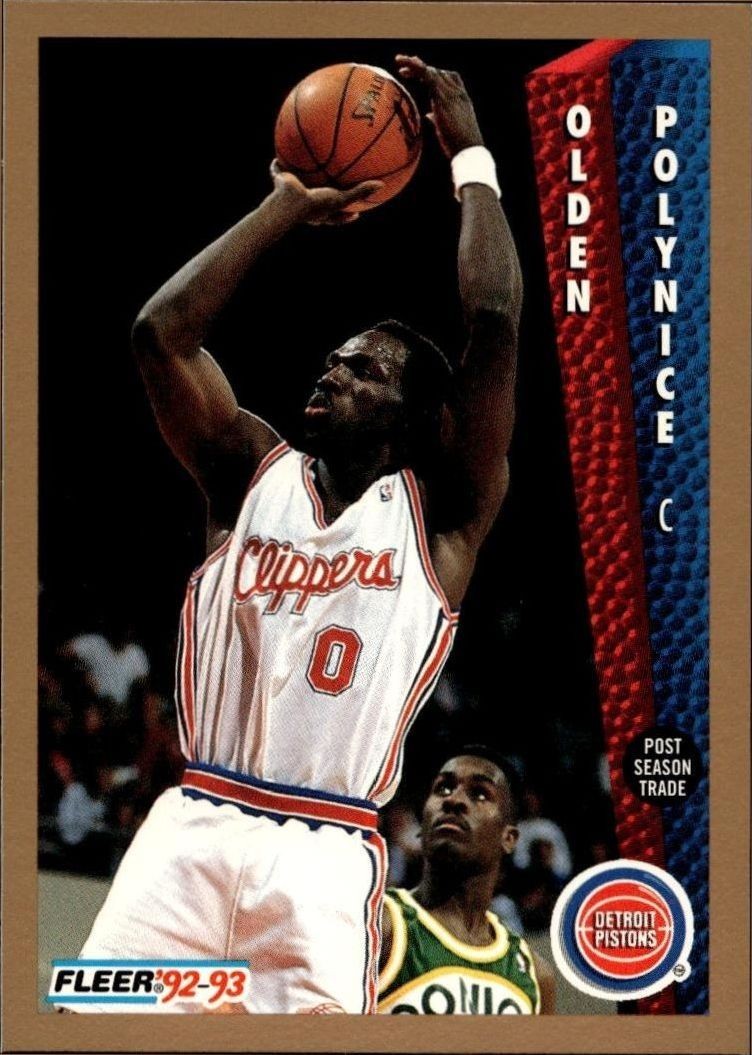


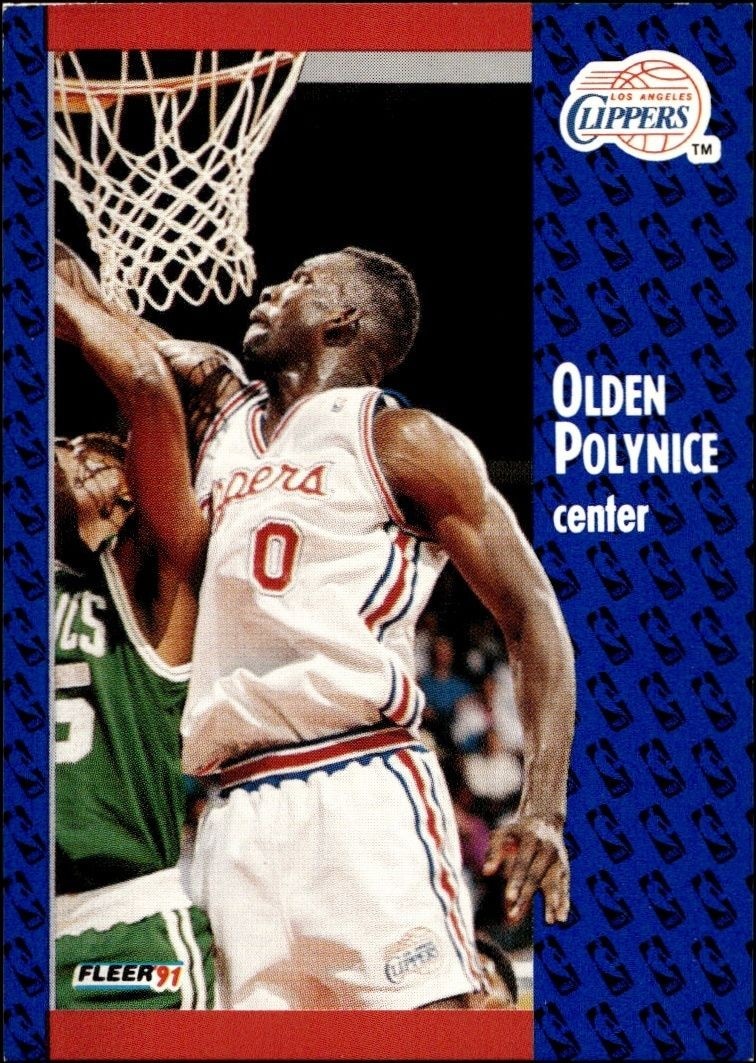

Explore the 1991-92 Upper Deck Olden Polynice #140 basketball card, a staple of the early 90s NBA trading card landscape featuring the Los Angeles Clippers.
1991-92 • Upper Deck
National Basketball Association • Los Angeles Clippers
Near Mint
140
New
Shipping Calculated at Checkout
Arrives in 5-7 daysEstimated delivery October 23, 2026 - October 25, 2026
Seller returns October 19, 2026.30-day Returns| Condition | Value | Source | Trend | Price Details |
|---|---|---|---|---|
$0.54 | Guide Estimate | |||
Raw / Ungraded
PriceCharting Price Guide · Guide Estimate evidence · captured Oct 6, 2026
History is building. At least two days of matching observations are needed to show a trend.
Each point is the last stored observation that day for this printing, condition, grader, autograph status and source. Gaps mean no observation; guide estimates and asking prices are not completed sales.The 1991-92 Upper Deck Olden Polynice #140 basketball card represents a significant entry for collectors focusing on early 1990s NBA history. As part of the inaugural Upper Deck basketball set, this release marked a turning point in the sports card industry with its glossy finish and high-quality production standards that set a new benchmark for the category. For fans of the Los Angeles Clippers, Olden Polynice serves as a notable figure from that specific roster period, making card #140 a relevant piece for team-specific collections. Collecting from the 1991-92 season offers a unique glimpse into the NBA landscape before the widespread global expansion of the 1990s. Upper Deck established itself as a premium brand during this era, and cards like Polynice’s #140 are sought after for their historical context rather than just athletic performance. The card’s design reflects the aesthetic trends of the early 90s, providing a visual anchor for those documenting the evolution of basketball card design. For investors and hobbyists alike, the 1991-92 Upper Deck set remains a cornerstone of vintage basketball collecting. Completing a base set or focusing on specific players like Olden Polynice allows collectors to engage with a pivotal moment in sports memorabilia. This card is particularly valuable for those building comprehensive archives of Los Angeles Clippers history or tracking the careers of players who defined the league's competitive balance during that decade. Whether you are starting a new collection or expanding an existing one, the 1991-92 Upper Deck Olden Polynice #140 offers a tangible connection to the sport's rich heritage.
23 hours ago
We'll pre-fill the product details from this catalog entry, so your listing lands on this exact page. Just add photos of your copy, pick its condition, and set your price.
The catalog profile below summarizes the card identity, featured subject, and notable collectible traits.
The core identity of the card within the set.
The subject, team, league, and sport context tied to this card.
Production details and format-specific attributes.
Material
Card Stock
Language
English
Compare prices, grades, photos, and shipping from approved sellers.
New
Near Mint
See how many public collections currently include this card.
0 collectors have this card
This 1991-92 Upper Deck Olden Polynice card trades at a very accessible entry-level price point, reflecting its status as a standard base card from a mid-tier roster player. While it lacks the premium valuation of star-studded counterparts from the same set, it remains a relevant piece for collectors focusing on the Los Angeles Clippers or specific early-90s NBA subsets. The current market positioning suggests it serves more as a fill-in for complete set assembly rather than a standalone investment vehicle.
As a standard base card with no noted special attributes, this item carries the highest possible supply within the 1991-92 Upper Deck Basketball set. It does not benefit from serial numbering, short-print status, or parallel variations that typically constrain supply and drive scarcity. Consequently, its rarity is defined by its ubiquity, making it common among collectors and readily available on the secondary market.
The investment potential is limited by its classification as a non-premium base card from a set that, while historically significant, does not typically command high premiums for role players. Collector demand is likely driven primarily by those assembling complete base sets rather than speculative buyers seeking appreciation. Without rookie card status or unique scarcity mechanics, long-term value growth is expected to remain minimal compared to key card parallels or higher-profile players.
