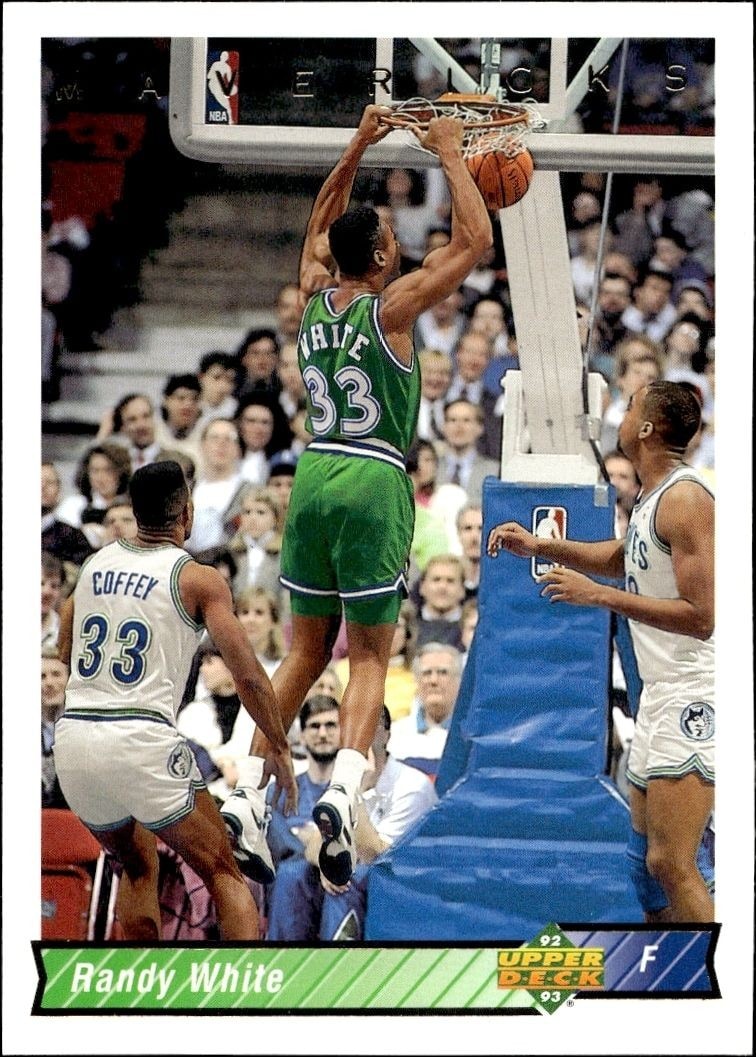


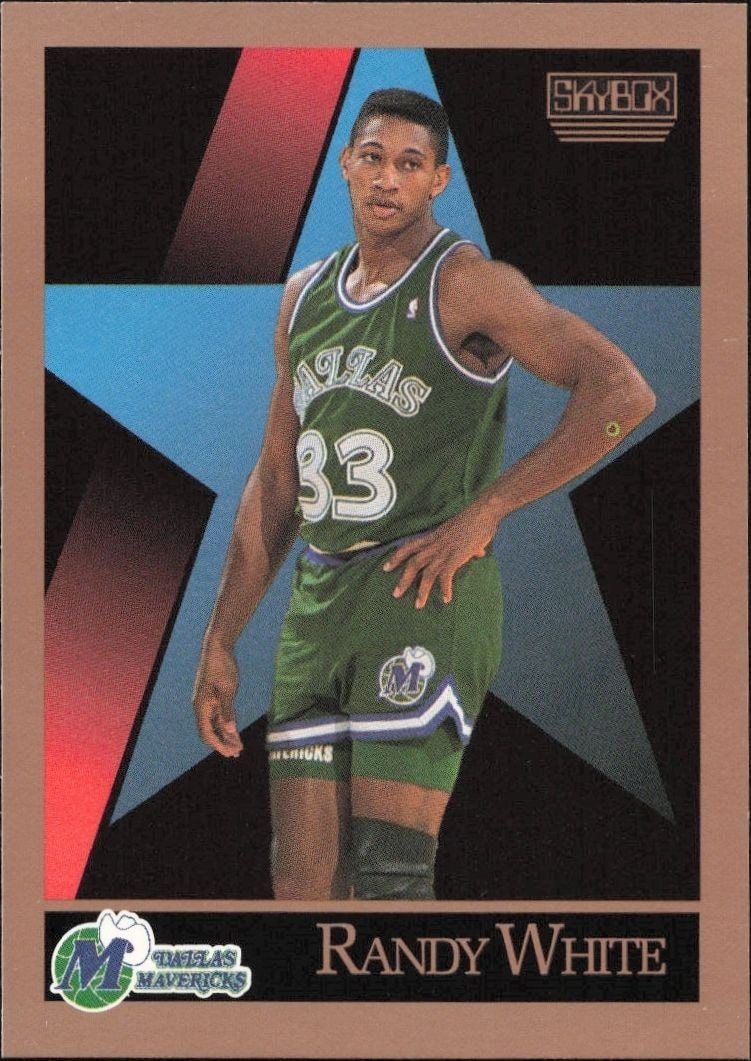


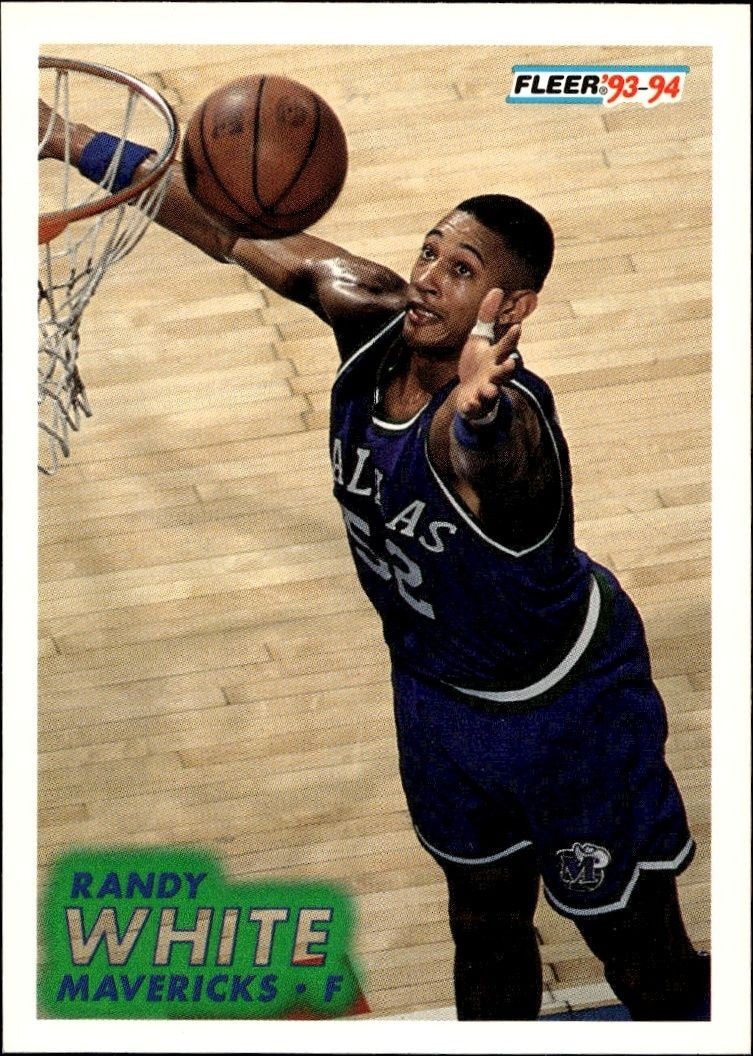
The 1991-92 Upper Deck Randy White #105 basketball card captures the early career of Dallas Mavericks forward Randy White within the landmark Upper Deck series.
1991-92 • Upper Deck
National Basketball Association • Dallas Mavericks
Near Mint
105
New
Shipping Calculated at Checkout
Arrives in 5-7 daysEstimated delivery October 23, 2026 - October 25, 2026
Seller returns October 19, 2026.30-day Returns| Condition | Value | Source | Trend | Price Details |
|---|---|---|---|---|
$1.17 | Guide Estimate | +1.7% | ||
Raw / Ungraded
PriceCharting Price Guide · Guide Estimate evidence · captured Oct 8, 2026
The 1991-92 Upper Deck series marked a significant evolution in sports trading card design, establishing a new standard for visual presentation and production quality. Within this landmark release, the Randy White #105 basketball card serves as a notable entry for collectors focusing on the Dallas Mavericks franchise during the early 1990s. Randy White, a versatile forward known for his defensive intensity and rebounding capabilities, brought a gritty presence to the Mavericks' roster. This card represents his early tenure in the NBA, offering a glimpse into the team's composition before their later championship runs. Collectors of vintage basketball cards often seek out Upper Deck releases from this era due to their enduring aesthetic appeal and historical significance. The #105 card in the 1991-92 Upper Deck set is a staple for those building comprehensive collections of Dallas Mavericks memorabilia or tracing the career paths of players from that specific season. As a non-parallel base card, it provides an accessible yet meaningful piece of basketball history for hobbyists at various collecting levels. The enduring popularity of the 1991-92 Upper Deck set continues to drive interest among both nostalgic fans and new investors in vintage sports cards. Randy White's contribution to the Mavericks makes this card a relevant piece for understanding the team's lineage during a pivotal era of NBA growth. Whether you are completing a set of Mavericks cards or expanding your collection of 1990s basketball highlights, the Randy White #105 card offers a tangible connection to the sport's past.
3 hours ago
We'll pre-fill the product details from this catalog entry, so your listing lands on this exact page. Just add photos of your copy, pick its condition, and set your price.
The catalog profile below summarizes the card identity, featured subject, and notable collectible traits.
The core identity of the card within the set.
The subject, team, league, and sport context tied to this card.
Production details and format-specific attributes.
Material
Card Stock
Language
English
Compare prices, grades, photos, and shipping from approved sellers.
New
Near Mint
See how many public collections currently include this card.
0 collectors have this card
This 1991-92 Upper Deck card represents a baseline entry point for Randy White collectors, trading at a modest tier relative to his more sought-after rookie or star-tier peers. The absence of special attributes suggests it trades in line with standard base card market dynamics, offering accessibility for new investors. While the player's tenure with the Dallas Mavericks provides historical context, the card's value is anchored by its status as a common issue rather than a premium variant.
As a standard base card with no noted parallels, short-print designations, or serial numbering, this item carries the highest possible supply within its set. The lack of limited edition mechanics means it is not constrained by scarcity drivers such as low print runs or unique one-of-one status. Collectors seeking rarity will find this version lacks the exclusive attributes that typically drive secondary market premiums for this specific product line.
Investment potential is limited by the card's common status and the specific era, which places it in a crowded segment of early 90s basketball collectibles. Demand is likely driven primarily by budget-conscious completists filling base set gaps rather than speculative growth. The absence of rookie card designation or unique parallel attributes restricts its ability to command significant appreciation compared to scarcer counterparts in the same set.