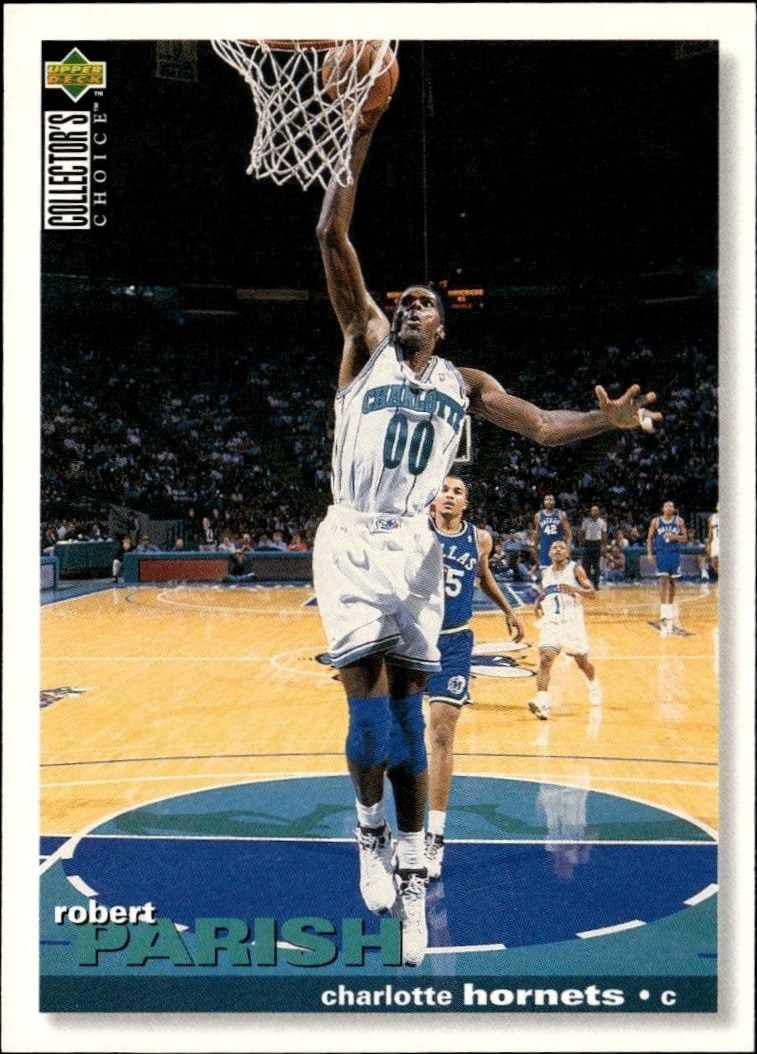


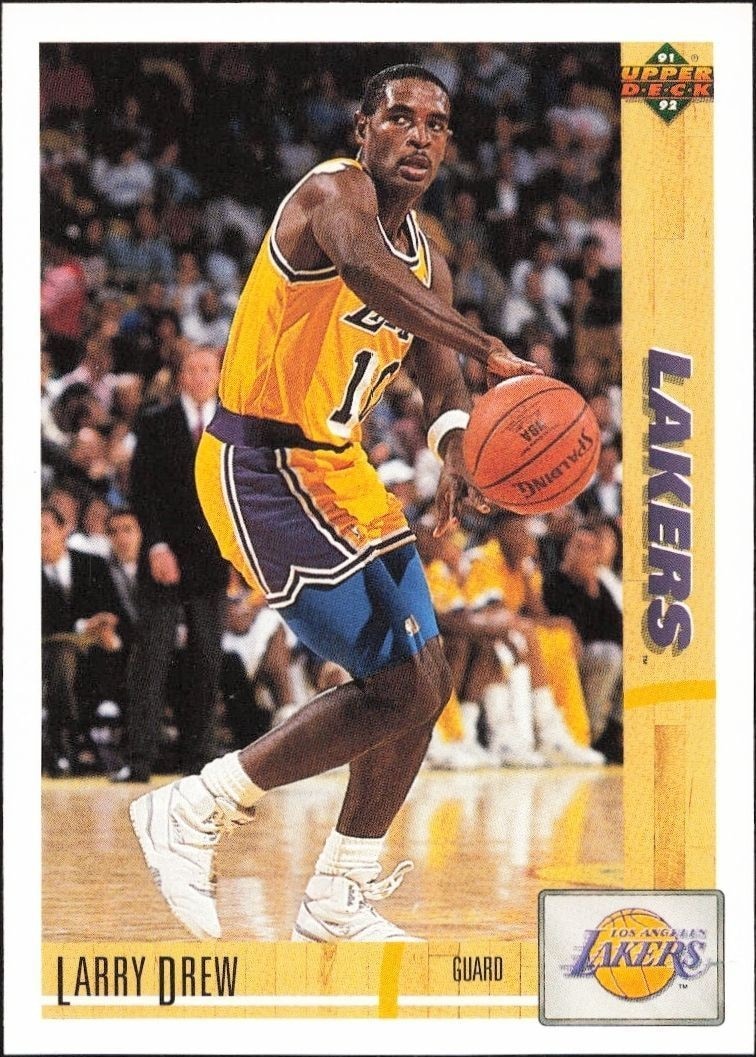

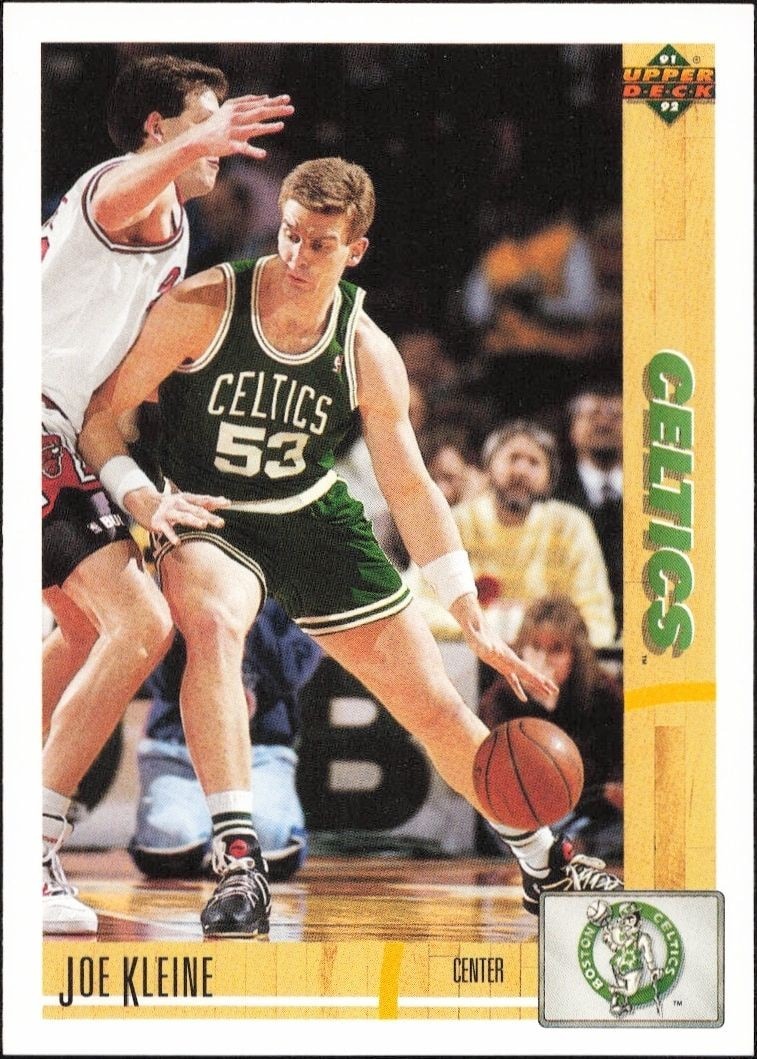
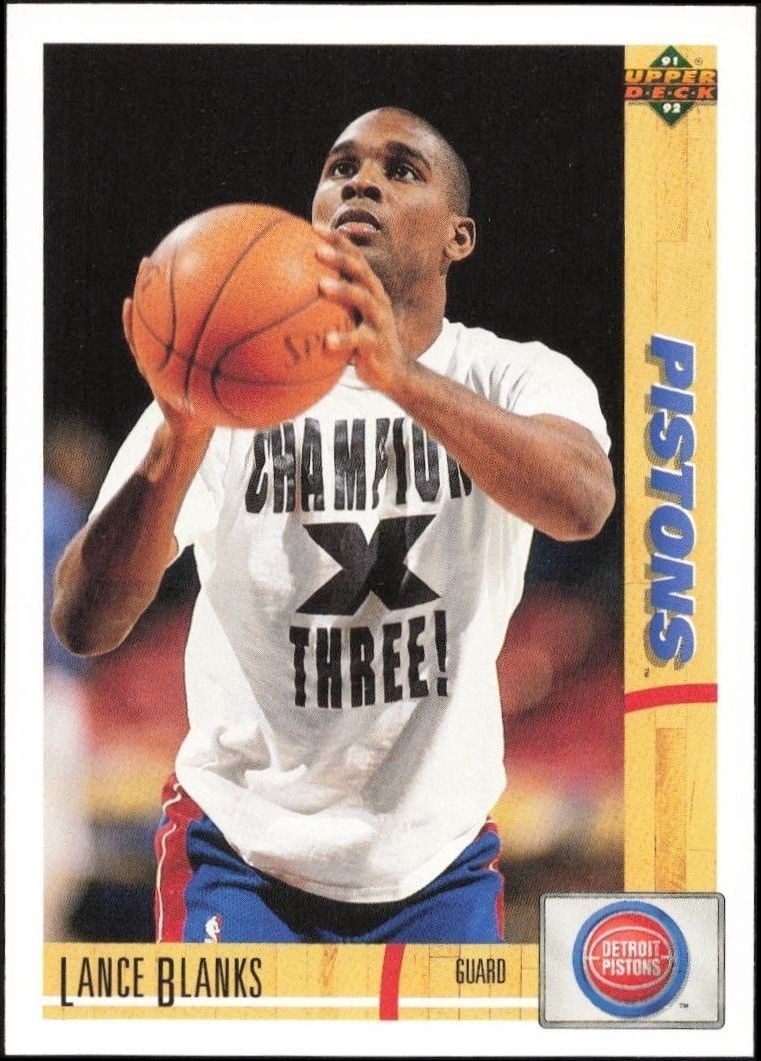
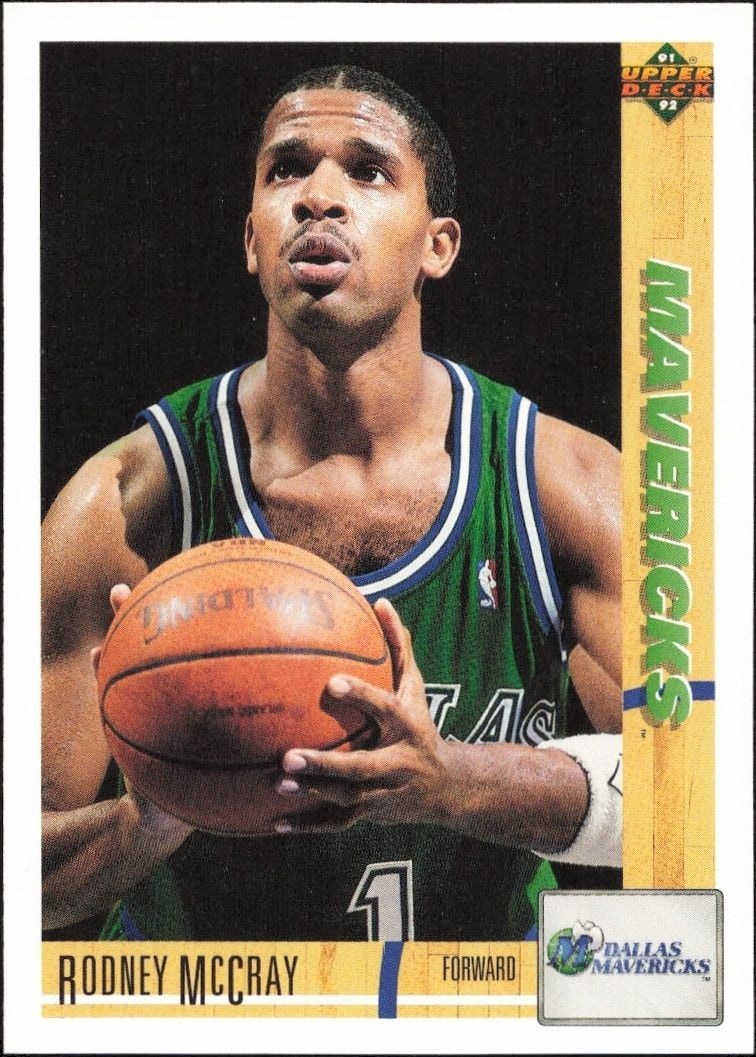


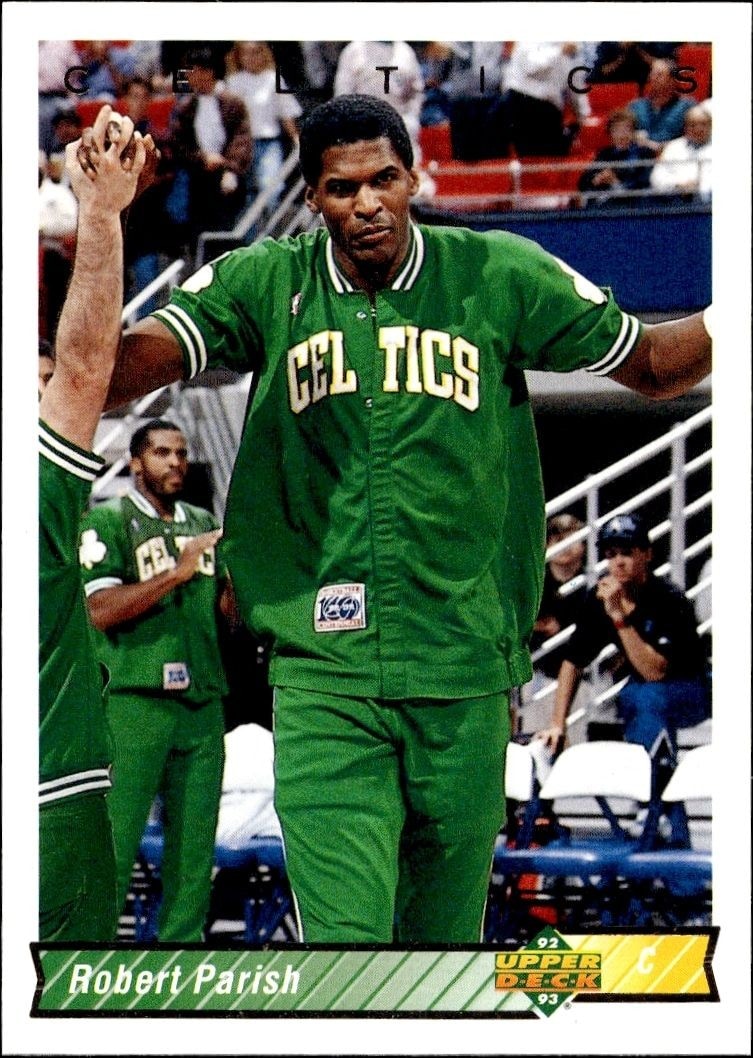
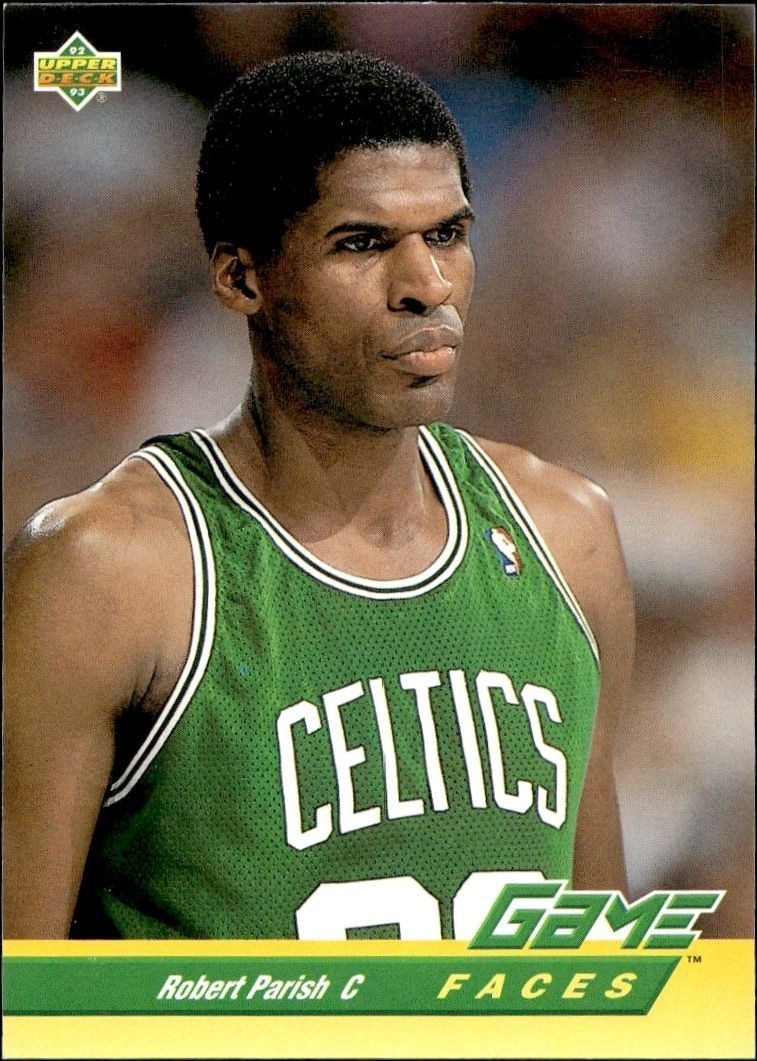

Explore the 1991-92 Upper Deck #72 Robert Parish basketball card, a definitive collectible from the NBA's golden era featuring the Boston Celtics center.
1991-92 • Upper Deck
National Basketball Association • Boston Celtics
Near Mint
72
New
Shipping Calculated at Checkout
Arrives in 6-8 daysEstimated delivery October 23, 2026 - October 25, 2026
Seller returns October 19, 2026.30-day Returns| Condition | Value | Source | Trend | Price Details |
|---|---|---|---|---|
$1.44 | Guide Estimate | -2% | ||
$15.05 | Guide Estimate | 0% | ||
$17.00 | Guide Estimate | 0% | ||
$19.00 | Guide Estimate | 0% | ||
$26.00 | Guide Estimate | 0% | ||
$12.00 | Guide Estimate | 0% | ||
$20.00 | Guide Estimate | 0% | ||
$12.00 | Guide Estimate | 0% | ||
Raw / Ungraded
PriceCharting Price Guide · Guide Estimate evidence · captured Oct 7, 2026
The 1991-92 Upper Deck Robert Parish #72 basketball card stands as a recognizable piece from one of the most influential sets in trading card history. Released during a pivotal season for the NBA, this card features Robert Parish as a member of the Boston Celtics, capturing the intensity of professional basketball in the early 1990s. Upper Deck's introduction of high-quality photography and sleek design elements in this era set a new standard for sports memorabilia, making cards from this release highly sought after by enthusiasts. Collectors often gravitate toward this card number due to its association with Parish's tenure in Boston. As a central figure in the Celtics' lineup during the 1991-92 season, Parish's presence on the roster adds historical weight to the card. For those building a collection centered on the Boston Celtics or the 1990s NBA, this card represents a key component of the roster. The appeal of the 1991-92 Upper Deck Robert Parish #72 basketball card lies in its simplicity and historical significance. It serves as a tangible link to a time when the NBA was experiencing global growth and intense competition. Whether you are focusing on team-specific collections or general NBA history, this card offers a direct connection to the players who defined the era. The card's design reflects the aesthetic trends of the early 1990s, providing a nostalgic touch for long-time fans and a clear entry point for new collectors interested in the sport's rich past. By focusing on the factual identity of the card—its brand, year, player, team, and number—collectors can make informed decisions about their acquisitions without relying on subjective condition assessments or speculative market trends.
1 day ago
We'll pre-fill the product details from this catalog entry, so your listing lands on this exact page. Just add photos of your copy, pick its condition, and set your price.
The catalog profile below summarizes the card identity, featured subject, and notable collectible traits.
The core identity of the card within the set.
The subject, team, league, and sport context tied to this card.
Production details and format-specific attributes.
Material
Card Stock
Language
English
Compare prices, grades, photos, and shipping from approved sellers.
New
Near Mint
See how many public collections currently include this card.
0 collectors have this card
This 1991-92 Upper Deck Robert Parish card represents a baseline entry point for the Boston Celtics legend, currently trading at a modest value tier relative to his broader career significance. As a standard base card without special attributes, it lacks the condition premiums or scarcity drivers that typically elevate a player's market price. The single active listing suggests a thin market, but the low price reflects its status as a common item rather than a collector's highlight.
The card carries no specific scarcity mechanics, as it is a standard base issue without serial numbering, short-print designations, or parallel variations. This unnumbered status means the supply is effectively unlimited relative to collector demand, resulting in no artificial constraints on availability. Consequently, the card does not benefit from the limited supply dynamics that drive value in other subsets of the set.
As a standard base card from the 1991-92 season, this item lacks the rookie-card premium or unique parallel positioning that typically fuels long-term collector demand. While Parish remains a significant figure in NBA history, this specific iteration offers minimal differentiation from other base issues featuring the same player. Investors should view this as a low-risk, low-reward acquisition suitable for filling gaps in a set rather than appreciating in value.