




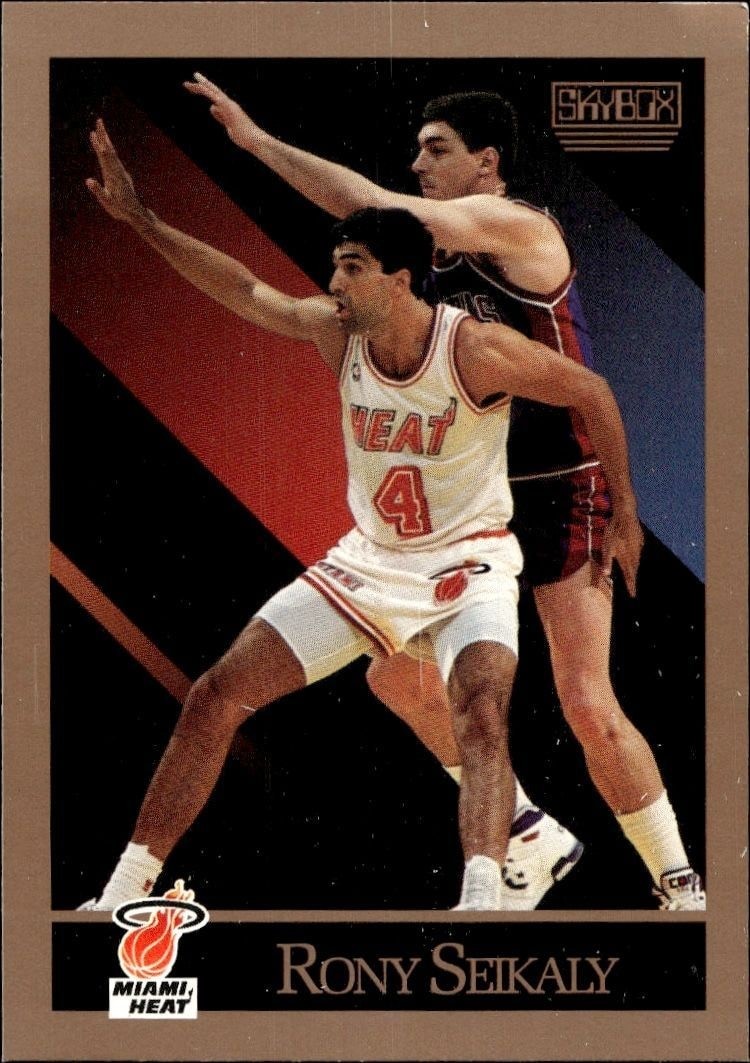

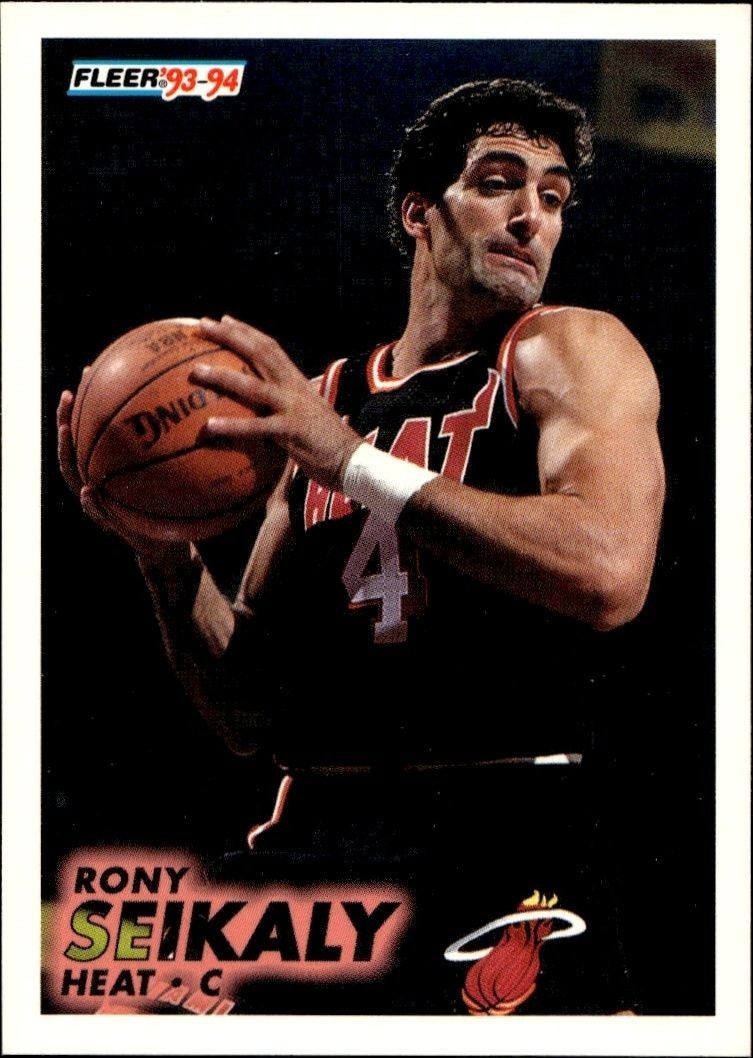
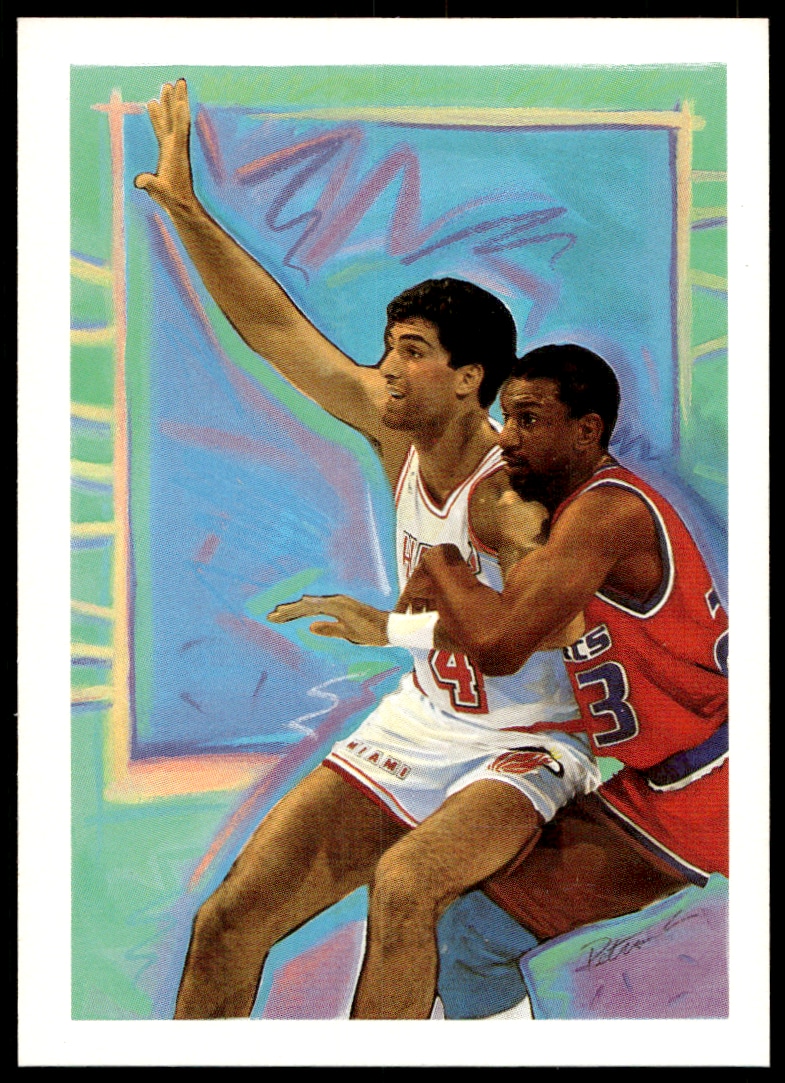
The 1991-92 Upper Deck Rony Seikaly #80 is a staple of early 90s NBA basketball card collecting, featuring the Miami Heat forward in one of the era's most iconic card designs.
1991-92 • Upper Deck
National Basketball Association • Miami Heat
Near Mint
80
New
Shipping Calculated at Checkout
Arrives in 6-8 daysEstimated delivery October 23, 2026 - October 25, 2026
Seller returns October 19, 2026.30-day Returns| Condition | Value | Source | Trend | Price Details |
|---|---|---|---|---|
$1.25 | Guide Estimate | 0% | ||
Raw / Ungraded
PriceCharting Price Guide · Guide Estimate evidence · captured Oct 7, 2026
The 1991-92 Upper Deck Rony Seikaly #80 stands as a defining piece of early 1990s basketball memorabilia, capturing the Miami Heat forward during a pivotal era for the franchise. Released by Upper Deck, this product introduced a revolutionary design aesthetic that shifted the industry standard for sports trading cards. The card features Seikaly in his Heat uniform, representing his tenure in South Florida during a time when the team was establishing its identity in the NBA. Collectors often seek out this card number within the base set due to its historical context. For investors and hobbyists alike, cards from this era represent a tangible connection to the golden age of basketball expansion and the growing popularity of the sport on a global scale. Rony Seikaly’s presence in this set highlights the diverse roster of the early 90s Heat teams. As a center-forward, his athletic play style contributed significantly to the team's competitiveness during those seasons. The #80 card serves as a catalog entry for fans who wish to document the lineage of Miami Heat players from the pre-Heatles era. It is a fundamental component for those building comprehensive collections of Upper Deck basketball releases or focusing on the history of the Miami Heat organization. Whether you are a long-time collector of vintage NBA cards or new to the hobby, the 1991-92 Upper Deck Rony Seikaly #80 offers a glimpse into a transformative period for the league. Adding this card to your portfolio connects you with the rich history of basketball card manufacturing and the specific contributions of players like Seikaly to the game's evolution.
1 day ago
We'll pre-fill the product details from this catalog entry, so your listing lands on this exact page. Just add photos of your copy, pick its condition, and set your price.
The catalog profile below summarizes the card identity, featured subject, and notable collectible traits.
The core identity of the card within the set.
The subject, team, league, and sport context tied to this card.
Production details and format-specific attributes.
Material
Card Stock
Language
English
Compare prices, grades, photos, and shipping from approved sellers.
New
Near Mint
See how many public collections currently include this card.
0 collectors have this card
As a 1991-92 Upper Deck card, this item sits in the accessible entry-level tier for Miami Heat alumni from that era. The current market positioning suggests it trades below the premium commanded by rookie cards or high-grade examples of more historically dominant figures, reflecting its status as a standard base card rather than a specialty insert. Value is likely driven by casual collectors seeking specific team representation rather than serious investment-grade specimens.
This card lacks any special scarcity attributes such as serial numbering, short printing, or parallel variations, identifying it as a standard base issue within the Upper Deck set. The supply is determined by the original print run of the 1991-92 Upper Deck basketball series, which was mass-produced for wide distribution. Without unique identifiers or limited edition markings, the card represents the most common form of this player's release from this specific brand and year.
The investment outlook is neutral, as base cards from the early 1990s generally do not appreciate significantly unless graded at the highest levels, which is not indicated here. Demand is primarily driven by retro collectors looking for affordable pieces of the 1990s NBA aesthetic rather than speculative growth. The lack of a rookie designation or premium parallel status limits its potential for substantial market outperformance compared to scarcer variants.
