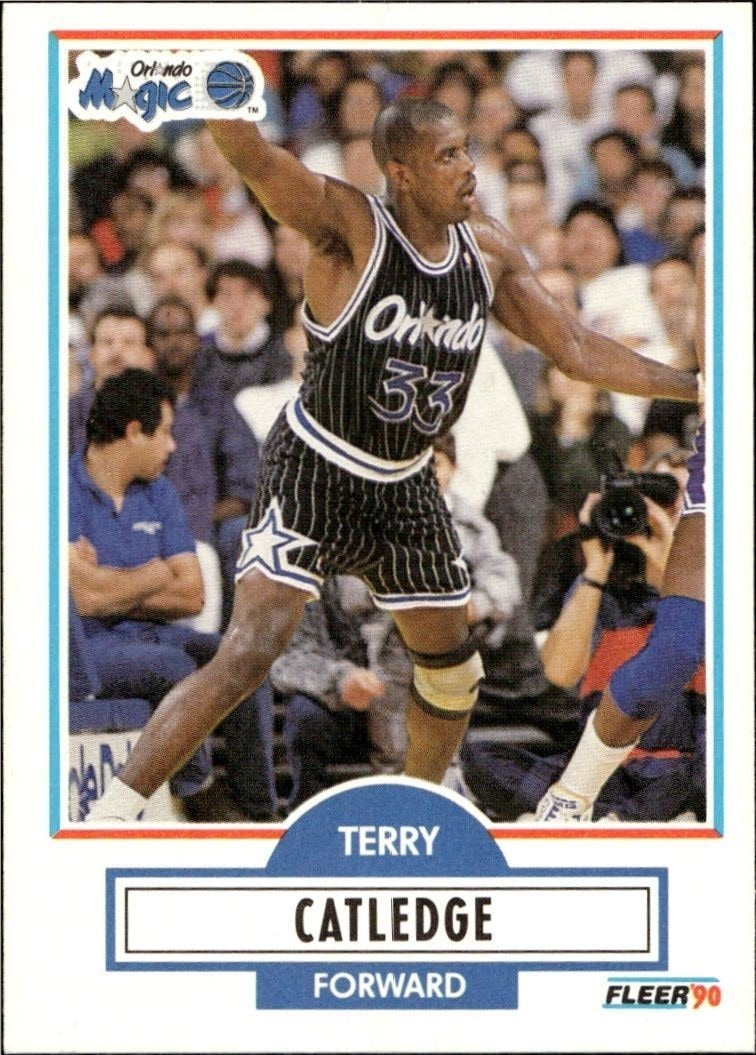





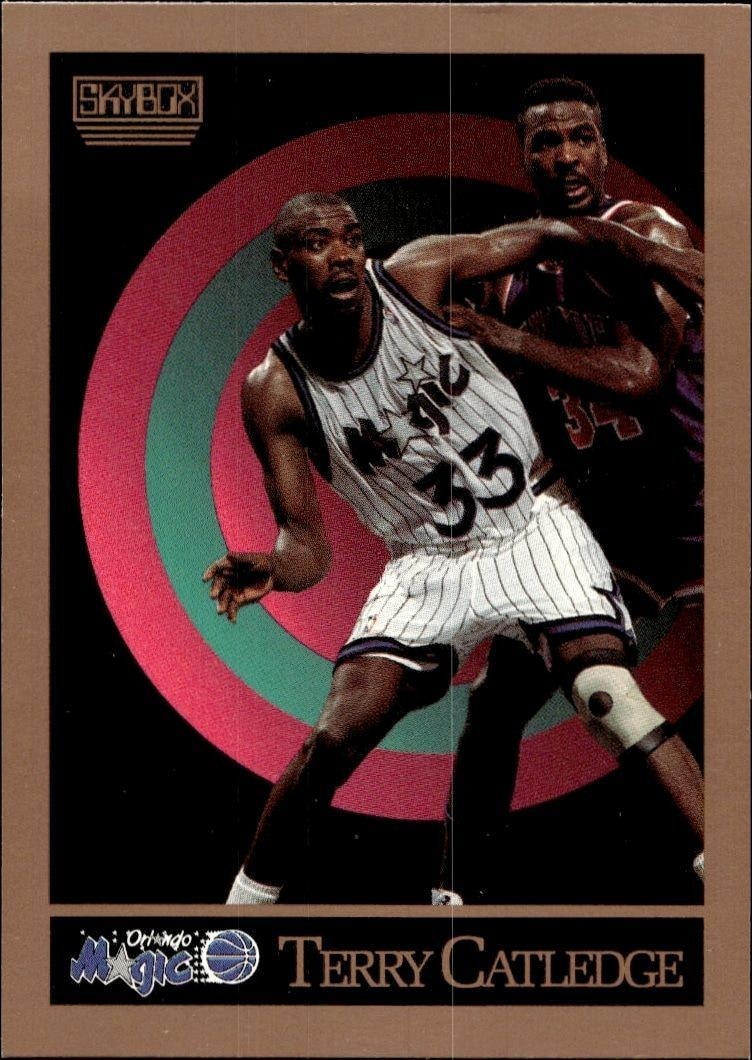
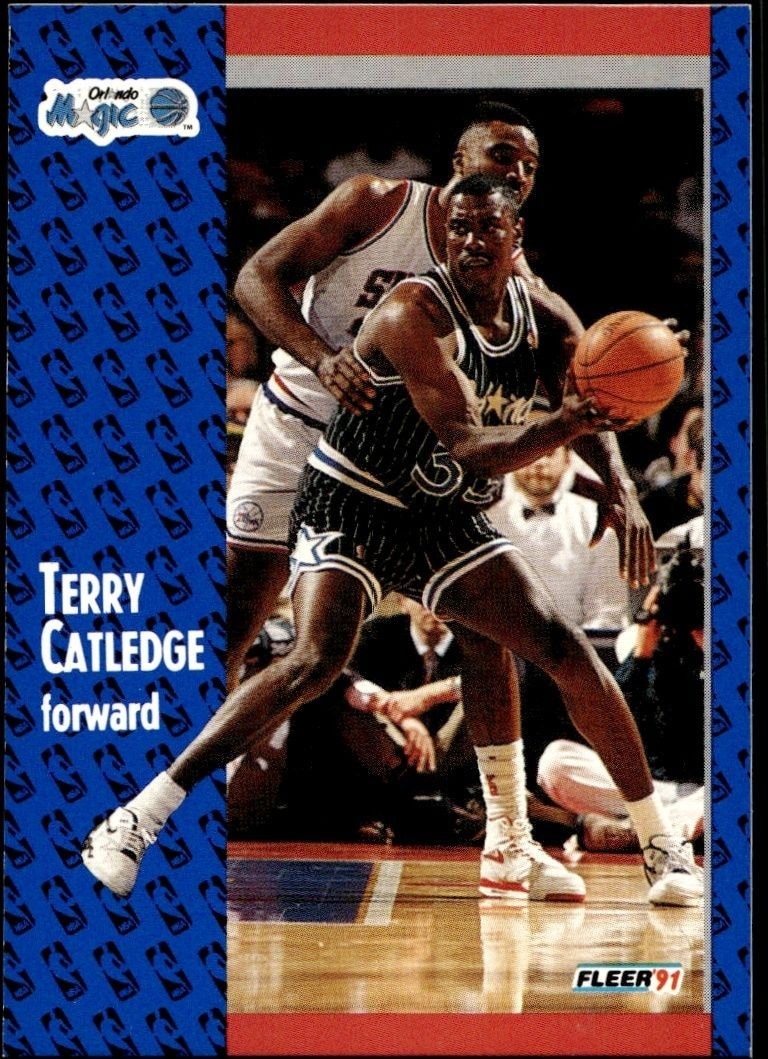
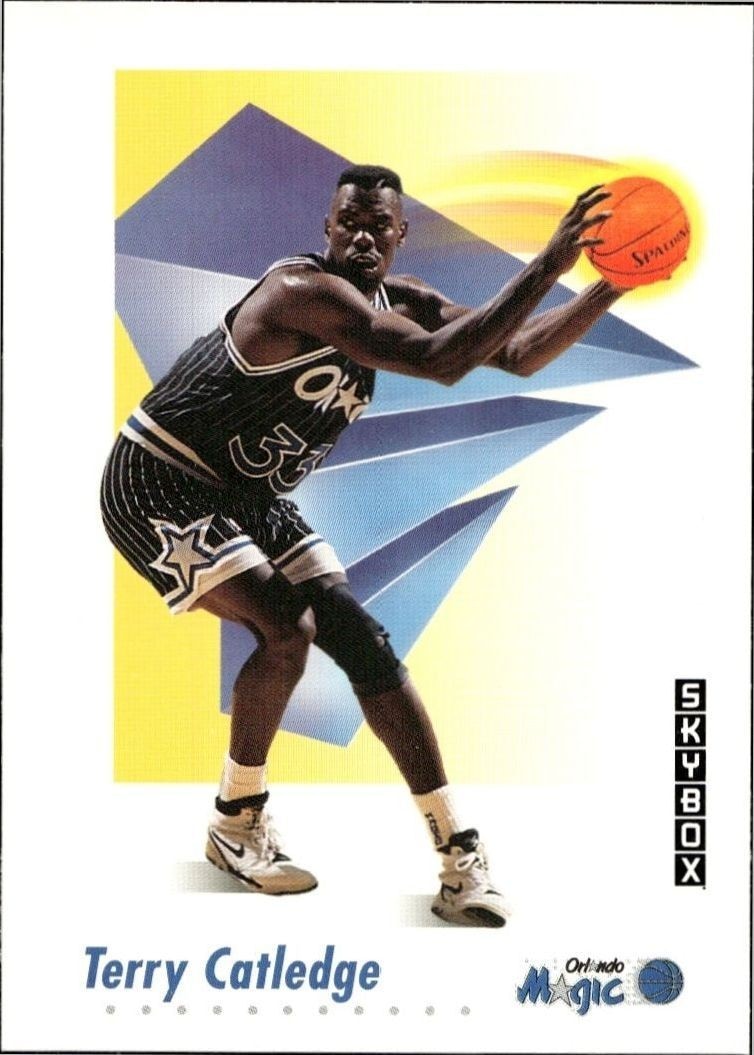
The 1991-92 Upper Deck Terry Catledge #205 basketball card captures the Orlando Magic era in a classic early 90s design.
1991-92 • Upper Deck
National Basketball Association • Orlando Magic
Near Mint
205
New
Shipping Calculated at Checkout
Arrives in 6-8 daysEstimated delivery October 23, 2026 - October 25, 2026
Seller returns October 19, 2026.30-day Returns| Condition | Value | Source | Trend | Price Details |
|---|---|---|---|---|
$1.49 | Asking Prices | +1.4% | ||
Raw / Ungraded
eBay Active Listings · Asking Prices evidence · captured Oct 15, 2026
The 1991-92 Upper Deck Terry Catledge #205 basketball card represents a specific moment in NBA history during the league's rapid expansion in the early 1990s. Collectors often seek out cards from this set to build comprehensive collections of vintage basketball memorabilia or to complete series runs from the 1991-92 season. Terry Catledge, featured on card number 205, played for the Orlando Magic during this period. For many collectors, owning a piece of the Magic's early franchise history holds significant appeal. This card serves as a tangible link to the team's formative years, offering a glimpse into the roster composition before the franchise's later championship success. Whether you are a dedicated set builder or a fan of the Orlando Magic, this card adds a unique element to any collection. The 1991-92 Upper Deck release remains a staple for vintage basketball card enthusiasts. Its enduring popularity stems from its place in the timeline of trading card production, offering a nostalgic look at the sport. The card's identity is tied to its year, brand, and subject, making it a clear identifier for those navigating the secondary market. For investors and hobbyists alike, understanding the context of this release is key. It is not just a single card but a representative sample of the 1991-92 Upper Deck basketball set. The focus remains on the catalog identity: the year 1991-92, the Upper Deck brand, the basketball category, and the Orlando Magic affiliation. This specificity helps collectors accurately identify and value the item within the broader landscape of sports card collecting.
1 day ago
We'll pre-fill the product details from this catalog entry, so your listing lands on this exact page. Just add photos of your copy, pick its condition, and set your price.
The catalog profile below summarizes the card identity, featured subject, and notable collectible traits.
The core identity of the card within the set.
The subject, team, league, and sport context tied to this card.
Production details and format-specific attributes.
Material
Card Stock
Language
English
Compare prices, grades, photos, and shipping from approved sellers.
New
Near Mint
See how many public collections currently include this card.
0 collectors have this card
This base card sits at the entry-level price tier relative to the broader Upper Deck 1991-92 Terry Catledge set, reflecting its status as a standard non-premium issue. While it captures the subject's tenure with the Orlando Magic during the league's expansion era, it lacks the condition premiums or special finishes that typically drive values above the single-dollar range. The presence of active listings suggests a liquid but low-demand segment where supply comfortably exceeds collector interest.
The card possesses no scarcity attributes, as it is identified as a standard base issue without serial numbering, short-print status, or parallel variations. This unadulterated production means the supply is effectively unlimited compared to the numbered or short-print counterparts in the same product. Consequently, the card does not benefit from the artificial scarcity mechanics that constrain availability in high-end segments.
As a non-rookie base card from a mid-tier brand, it lacks the rookie-card premium mechanics that typically drive long-term value appreciation. Collector demand is likely confined to basic set completionists rather than investors seeking significant returns. Without special parallels or unique attributes, the card serves primarily as a filler item rather than a core holding for a serious portfolio.