







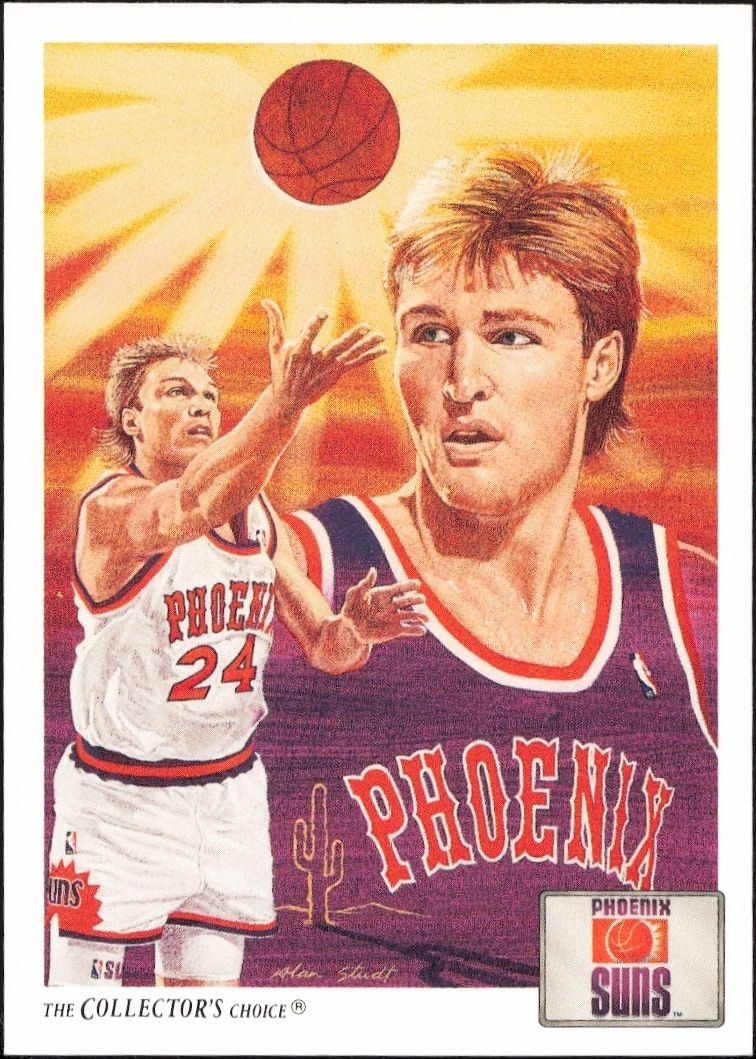


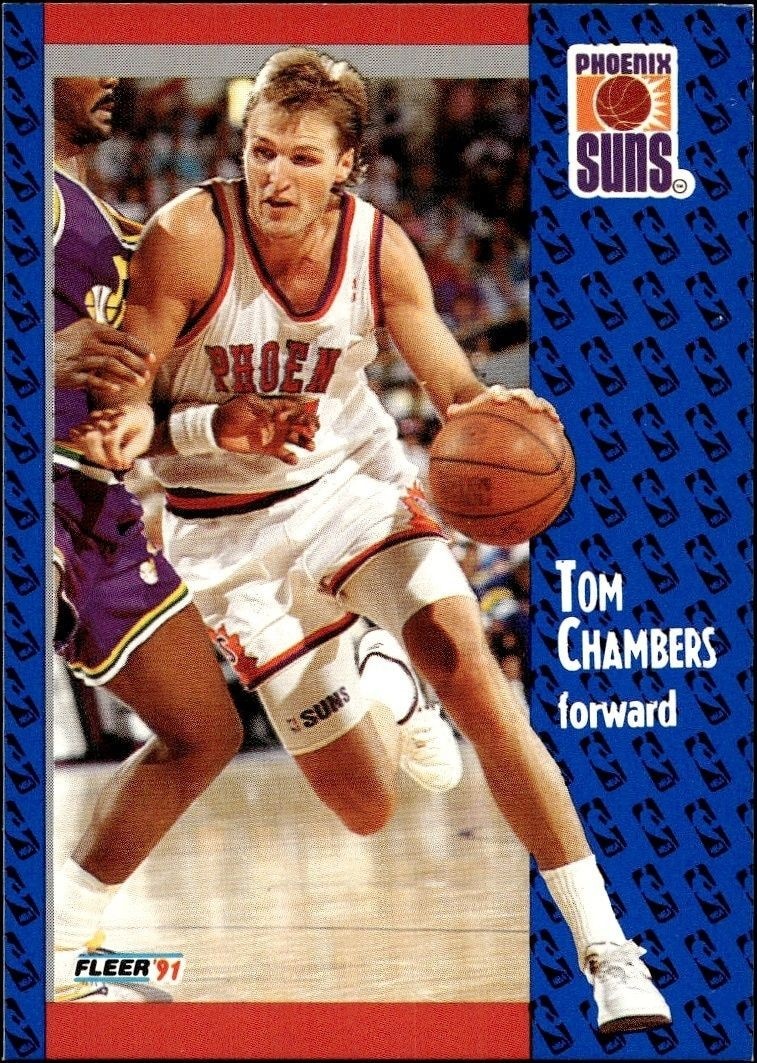
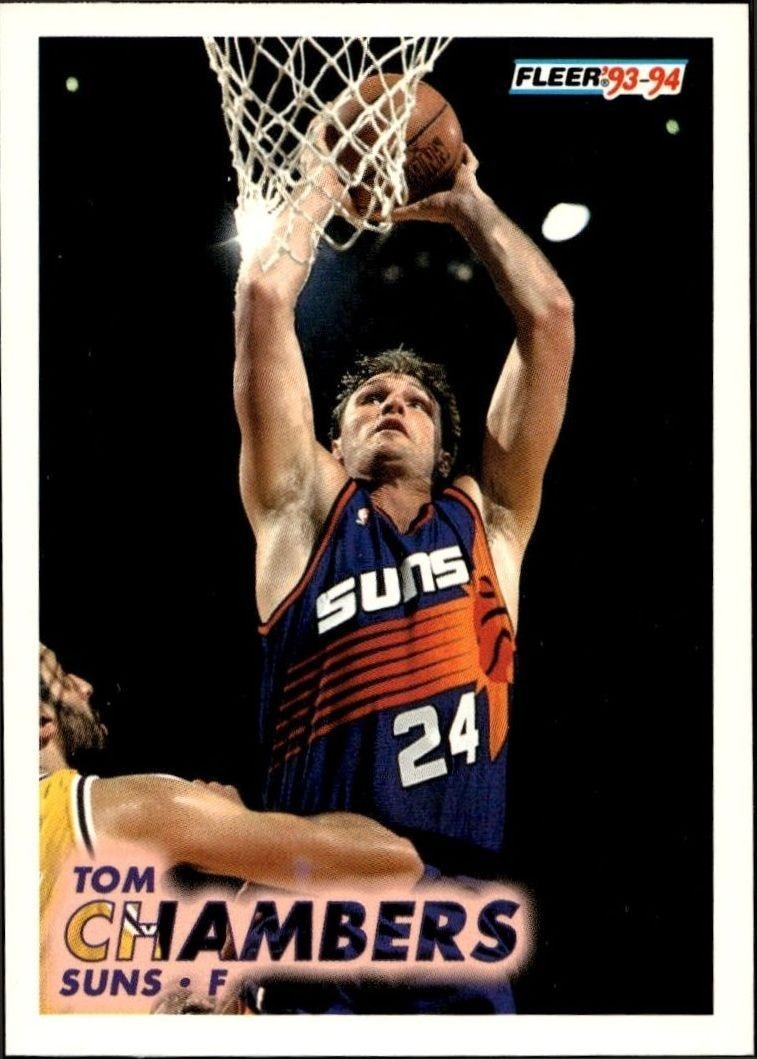
The 1991-92 Upper Deck Tom Chambers #174 basketball card features the Phoenix Suns forward in this classic vintage release.
1991-92 • Upper Deck
National Basketball Association • Phoenix Suns
Near Mint
174
New
Shipping Calculated at Checkout
Arrives in 6-8 daysEstimated delivery October 23, 2026 - October 25, 2026
Seller returns October 19, 2026.30-day Returns| Condition | Value | Source | Trend | Price Details |
|---|---|---|---|---|
$1.00 | Guide Estimate | 0% | ||
$33.00 | Guide Estimate | 0% | ||
$15.00 | Guide Estimate | 0% | ||
$25.00 | Guide Estimate | 0% | ||
$15.00 | Guide Estimate | 0% | ||
Raw / Ungraded
PriceCharting Price Guide · Guide Estimate evidence · captured Oct 7, 2026
The 1991-92 Upper Deck Tom Chambers basketball card, numbered 174, represents a specific entry in one of the most recognizable sets in sports collectibles history. This release captures Chambers during his tenure with the Phoenix Suns, offering collectors a tangible connection to the NBA landscape of the early 1990s. As a product of the Upper Deck brand, this card is distinguished by its pioneering design and production quality, which set a new standard for the industry during that era. For collectors focused on the Phoenix Suns or vintage NBA memorabilia, this card serves as a foundational piece. Tom Chambers was a significant contributor to the team during this period, making cards from this year highly relevant for those building comprehensive team collections. The #174 designation places it within the main base set, providing a straightforward yet essential addition for enthusiasts who value the structural integrity of their portfolios. Vintage basketball cards from the 1991-92 season are particularly sought after by investors and hobbyists alike. The Upper Deck brand has maintained a strong reputation among collectors for its durability and iconic aesthetic, which has aged well over the decades. When evaluating this card, collectors often look for the specific design elements that define the 1991-92 release, appreciating the historical context of the player's career and the team's performance during those years. Whether used to complete a personal archive or as part of a broader investment strategy, this card remains a vital component for any serious collection of Phoenix Suns history or 1990s basketball memorabilia.
1 day ago
We'll pre-fill the product details from this catalog entry, so your listing lands on this exact page. Just add photos of your copy, pick its condition, and set your price.
The catalog profile below summarizes the card identity, featured subject, and notable collectible traits.
The core identity of the card within the set.
The subject, team, league, and sport context tied to this card.
Production details and format-specific attributes.
Material
Card Stock
Language
English
Compare prices, grades, photos, and shipping from approved sellers.
New
Near Mint
See how many public collections currently include this card.
0 collectors have this card
This card represents a mass-produced base issue from a mid-tier player, resulting in a low price tier relative to premium parallels or rookie cards of the same era. The lack of special attributes indicates it trades at the baseline market value for 1990s upper-deck basketball cards, showing minimal condition premium. While Tom Chambers had a solid NBA career, this specific iteration does not command a significant premium over similar base cards from the same set.
The card carries no scarcity attributes such as serial numbering, short printing, or parallel finishes, meaning it is a standard base issue with high supply. This unlimited nature of the base product ensures that availability remains high, preventing any supply-constrained valuation mechanics. Consequently, the item lacks the rarity drivers that typically elevate a card's status within a collector's portfolio.
As a non-rookie, non-premium card, this item offers limited upside potential driven primarily by general nostalgia rather than specific scarcity or player trajectory. The absence of unique features means it will likely track closely with the broader, low-end market for 1990s basketball cards. Investors should view this as a stable, low-cost holding rather than a growth asset, with demand remaining consistent but modest.
