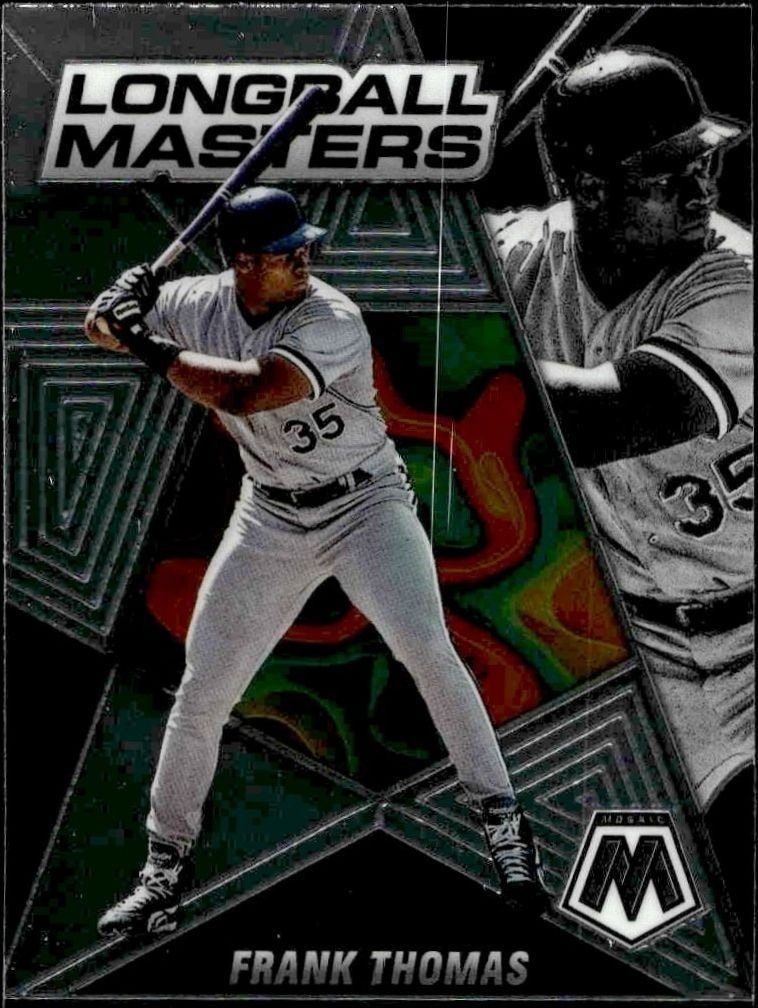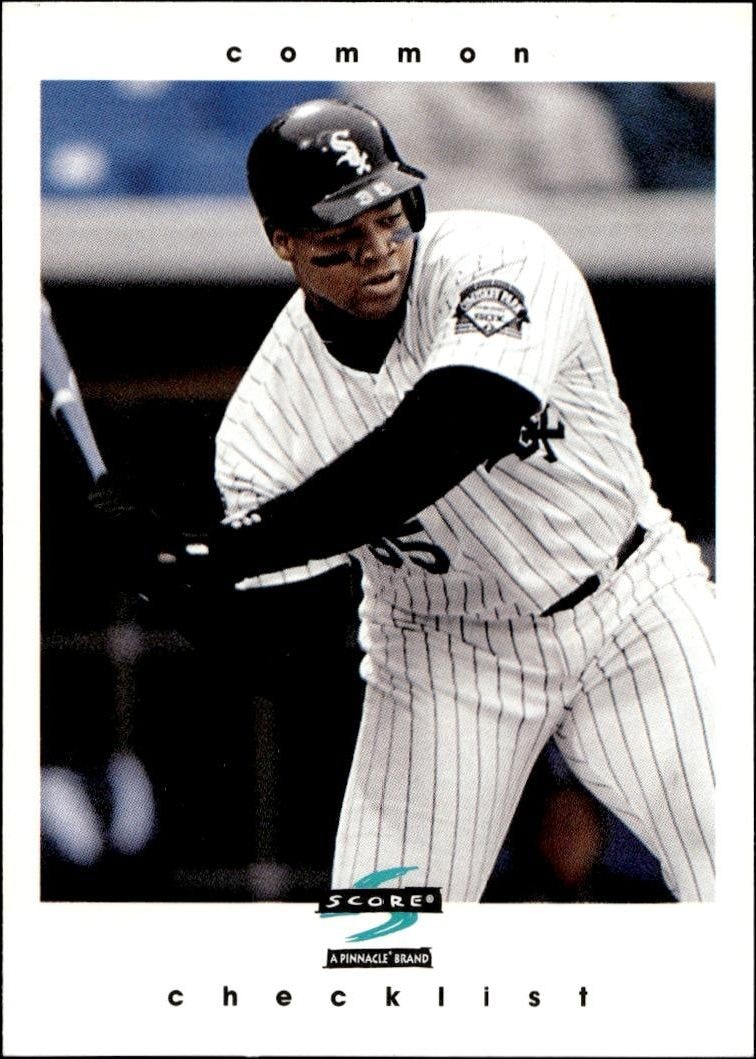






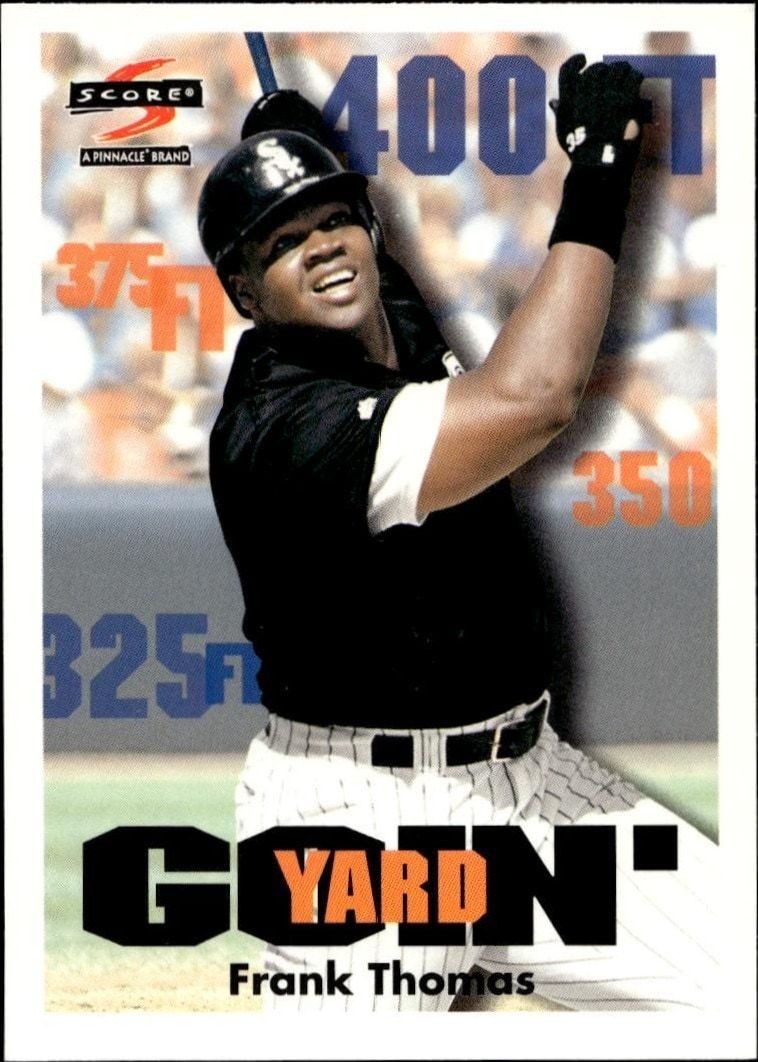
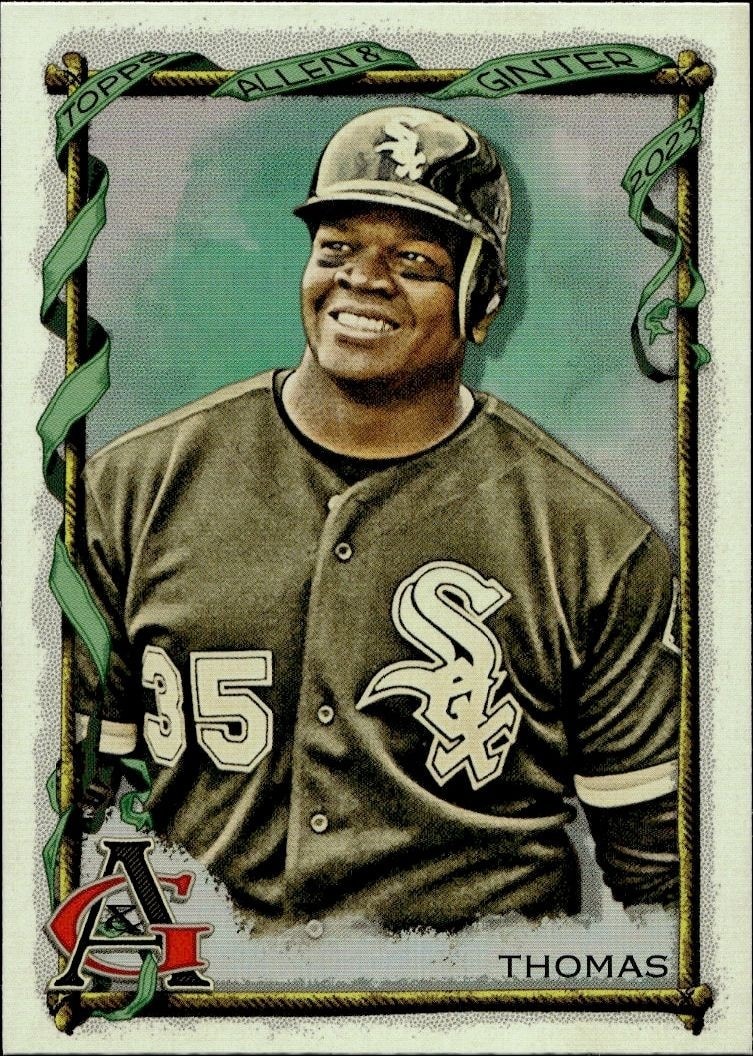


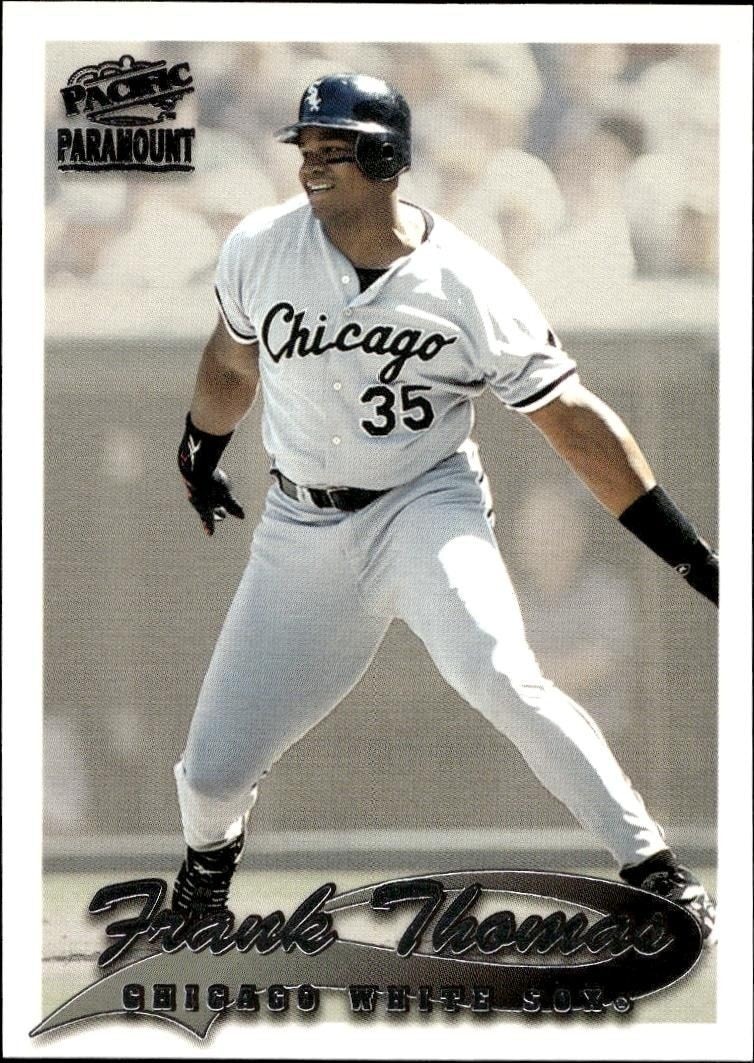

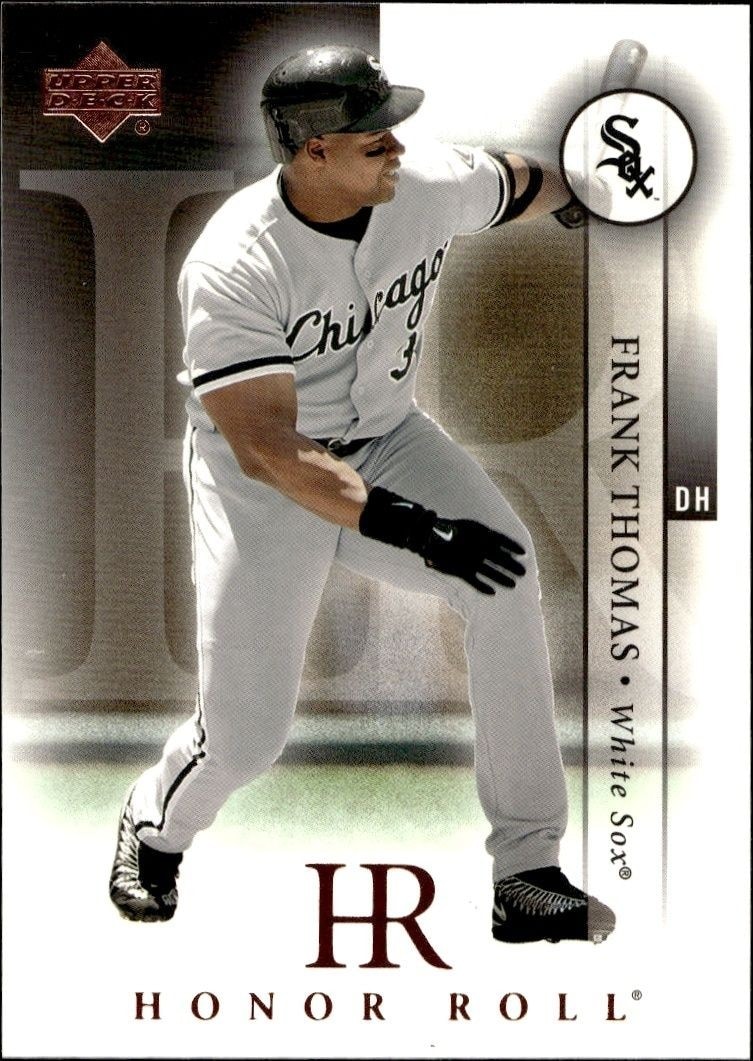

The 1991 Bowman Frank Thomas #366 is a notable sports trading card featuring the Chicago White Sox player. Browse our catalog for various listings of this card number.
1991 • Bowman
Major League Baseball • Chicago White Sox
Excellent
366
New
Shipping Calculated at Checkout
Arrives in 4-6 daysEstimated delivery October 26, 2026 - October 28, 2026
30-day Returns| Condition | Value | Source | Trend | Price Details |
|---|---|---|---|---|
$1.30 | Guide Estimate | +30% | ||
$1.95 | Completed Sales | +56% | ||
$8.00 | Guide Estimate | +33.3% | ||
$8.05 | Guide Estimate | 0% | ||
$18.49 | Guide Estimate | -0.8% | ||
$34.95 | Guide Estimate | +11.8% | ||
$79.00 | Guide Estimate | 0% | ||
$37.00 | Guide Estimate | 0% | ||
$61.00 | Guide Estimate | 0% | ||
$37.00 | Guide Estimate | 0% | ||
Raw / Ungraded
PriceCharting Price Guide · Guide Estimate evidence · captured Oct 17, 2026
The 1991 Bowman Frank Thomas #366 card represents a specific entry in the history of baseball trading cards, capturing the subject during his tenure with the Chicago White Sox. As a product of the 1991 Bowman release, this card is defined by its catalog number and the era it originates from, offering collectors a tangible piece of that year's sporting landscape. Collectors often seek out cards from the early 1990s for their distinctive design aesthetics and historical significance within the sport. For those focusing on the Chicago White Sox or Frank Thomas specifically, this card serves as a key identifier in any comprehensive collection. Each copy may differ in grade, condition, or certification, allowing you to select the specific copy that aligns with your collecting goals. Whether you are building a team set, focusing on a specific player's career, or collecting from the 1991 era, this card provides a focused point of interest. Understanding the context of the 1991 Bowman release helps appreciate the value of this card. It was part of a major production run that introduced many future stars to the hobby. Frank Thomas, known for his powerful hitting, is featured here in his White Sox uniform, making this card a relevant item for fans of the team and the sport. Collecting sports cards from this period involves attention to detail regarding the card's physical state and authentication. While the catalog identity remains constant, the individual attributes of each card vary. This makes the search for the 1991 Bowman Frank Thomas #366 an engaging process for dedicated hobbyists who value the nuances of baseball card collecting from the early 1990s. ## What is the card number for Frank Thomas in the 1991 Bowman set? Frank Thomas is listed as card number 366 in the 1991 Bowman baseball card set. This number helps collectors identify and organize the card within the broader catalog of the release. ## Is the 1991 Bowman Frank Thomas card considered a rookie card? No, the 1991 Bowman Frank Thomas #366 is not classified as a rookie card. It was produced after his initial debut, marking a later point in his career rather than his first appearance in the hobby. ## How does the 1991 Bowman set differ from other years?
1 day ago
We'll pre-fill the product details from this catalog entry, so your listing lands on this exact page. Just add photos of your copy, pick its condition, and set your price.
The catalog profile below summarizes the card identity, featured subject, and notable collectible traits.
The subject, team, league, and sport context tied to this card.
Production details and format-specific attributes.
Material
Card Stock
Language
English
Compare prices, grades, photos, and shipping from approved sellers.
New
Excellent
See how many public collections currently include this card.
0 collectors have this card
This 1991 Bowman Frank Thomas card represents an entry-level tier within the player's broader market, reflecting its status as a standard base card rather than a premium parallel or insert. While the player's career significance commands respect, the lack of special attributes keeps this specific item's value modest relative to his high-end rookie counterparts. Current market positioning suggests it trades as an accessible piece for collectors building foundational White Sox or 1990s baseball sets.
The card carries no special scarcity attributes such as serial numbering, short printing, or parallel finishes, meaning it exists as a standard base issue from its respective set. This absence of unique limiting mechanics implies a significantly higher supply compared to premium variants, which naturally dampens its scarcity-driven value. Consequently, the item relies entirely on its age and subject matter for appeal rather than any inherent rarity mechanics.
As a standard 1991 release, this card lacks the rookie-card premium mechanics that typically drive substantial appreciation for elite players in their debut years. Collector demand is likely driven by set completionists rather than speculative investors, given the ample supply of base cards available in the market. Long-term growth potential is constrained by the lack of distinguishing features, making it more suitable for collection depth than for aggressive portfolio growth.