
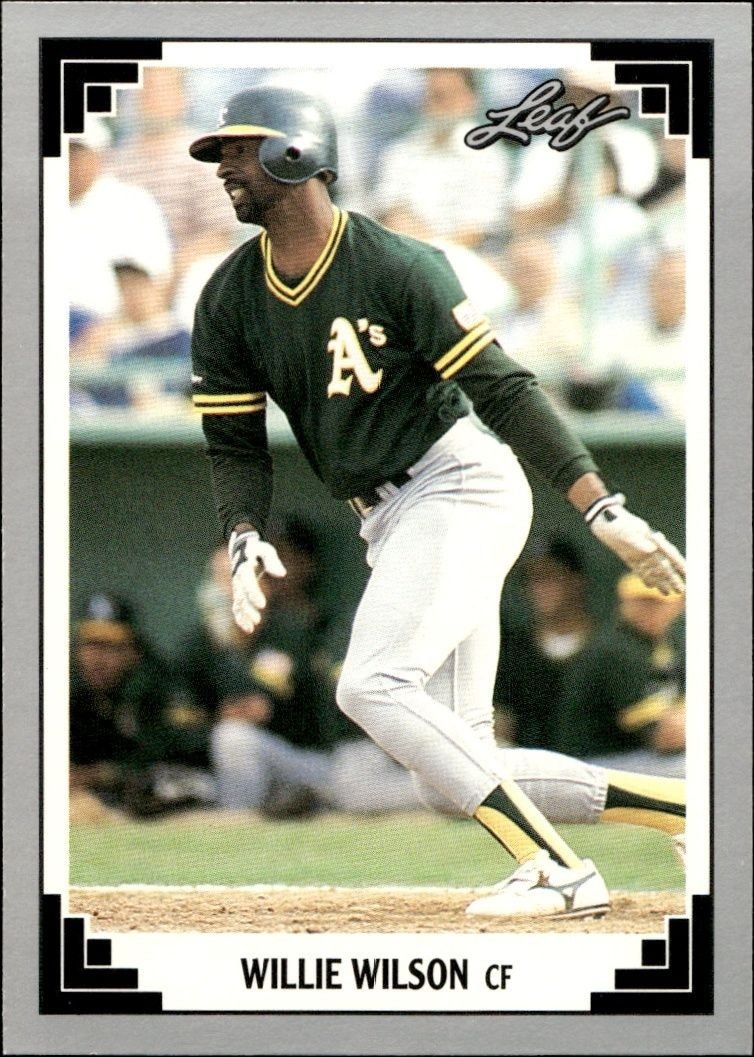


The 1991 Leaf Mark Lewis baseball card, numbered 289, features the Cleveland Indians prospect in this classic Leaf brand release.
1991 • Leaf
Major League Baseball • Cleveland Indians
Near Mint
289
New
Shipping Calculated at Checkout
Arrives in 5-7 daysEstimated delivery October 23, 2026 - October 25, 2026
Seller returns October 19, 2026.30-day Returns| Condition | Value | Source | Trend | Price Details |
|---|---|---|---|---|
$1.57 | Guide Estimate | |||
Raw / Ungraded
PriceCharting Price Guide · Guide Estimate evidence · captured Oct 18, 2026
History is building. At least two days of matching observations are needed to show a trend.
Each point is the last stored observation that day for this printing, condition, grader, autograph status and source. Gaps mean no observation; guide estimates and asking prices are not completed sales.The 1991 Leaf Mark Lewis baseball card, numbered 289, captures a prospect from the Cleveland Indians during a pivotal era of the franchise. Released by Leaf, this card is a staple for collectors focusing on early 1990s baseball memorabilia. The Leaf brand was known for its distinctive matte finish and bold typography, setting it apart from other major manufacturers of the time. For enthusiasts building a comprehensive collection of Cleveland Indians history, this card provides a tangible link to the team's developmental pipeline during the early '90s. Mark Lewis served as an infielder, and his appearance in the Leaf set reflects the broader landscape of baseball card production in 1991. Collectors often seek out this card number to complete base set requirements or to diversify their holdings of vintage sports cards. The catalog-level identity of this product is defined by its brand, year, and subject, making it a recognizable item for those tracking the evolution of baseball card design. Whether you are a long-time fan of the Indians or a generalist collector of 1990s sports cards, this Leaf release holds a place in the hobby's history. The intersection of brand loyalty and team history makes cards like this one particularly noteworthy for those documenting the sport's recent past.
5 hours ago
We'll pre-fill the product details from this catalog entry, so your listing lands on this exact page. Just add photos of your copy, pick its condition, and set your price.
The catalog profile below summarizes the card identity, featured subject, and notable collectible traits.
The subject, team, league, and sport context tied to this card.
Production details and format-specific attributes.
Material
Card Stock
Language
English
Compare prices, grades, photos, and shipping from approved sellers.
New
Near Mint
See how many public collections currently include this card.
0 collectors have this card
This 1991 Leaf Mark Lewis card sits at a lower price tier within the broader MLB collectible market, reflecting its status as a base card of a player with limited mainstream prominence. The current market positioning suggests it trades at a modest premium over raw, ungraded examples of similar vintage and condition, though it lacks the significant value drivers found in star player issues. As a non-premium parallel or special insert, it commands only a fraction of the market value associated with higher-tier rookie or memorabilia cards from the same era.
The card possesses no special scarcity attributes such as serial numbering, short-print status, or one-of-one designations, indicating it is part of a standard base set print run. This lack of unique identifiers means supply is relatively abundant compared to limited-edition parallels or autographed variants. Consequently, the item relies entirely on its vintage status and player association rather than constrained supply mechanics to maintain any collector interest.
As a standard base card from the early 1990s era, this item lacks the rookie-card premium mechanics that typically drive long-term appreciation for lesser-known players. Collector demand is likely limited to specific Cleveland Indians completists or niche 1991 Leaf set collectors, resulting in steady but modest liquidity. Without special parallels or authentication features, the investment outlook remains stable rather than high-growth, serving better as a filler piece than a primary portfolio asset.