






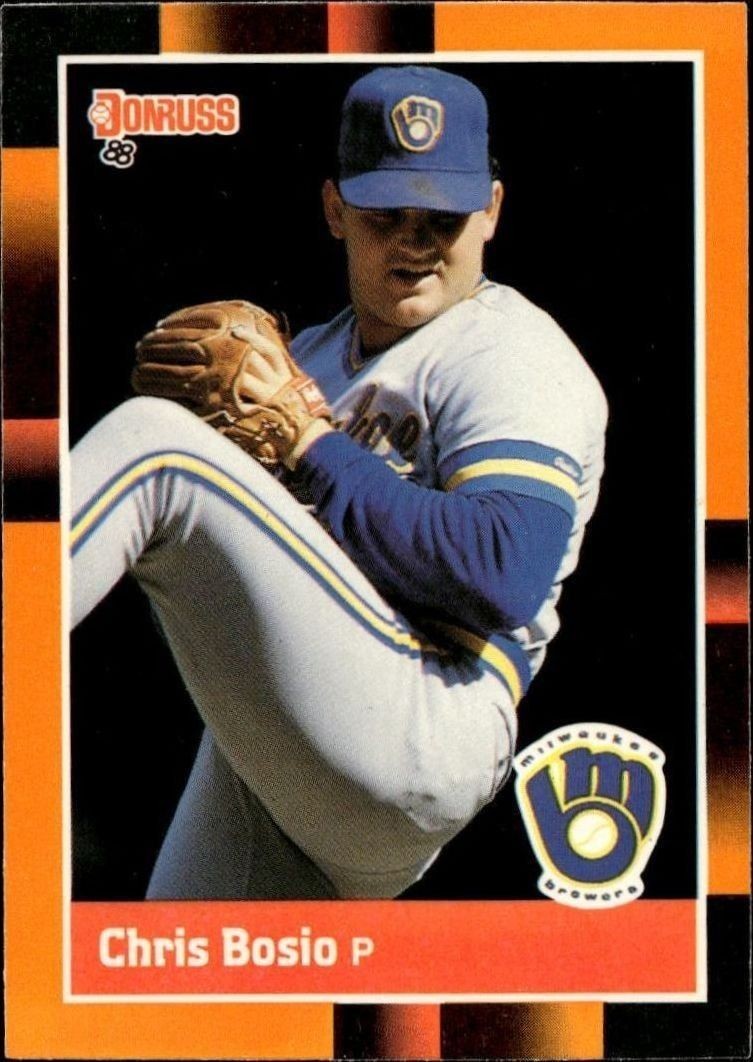
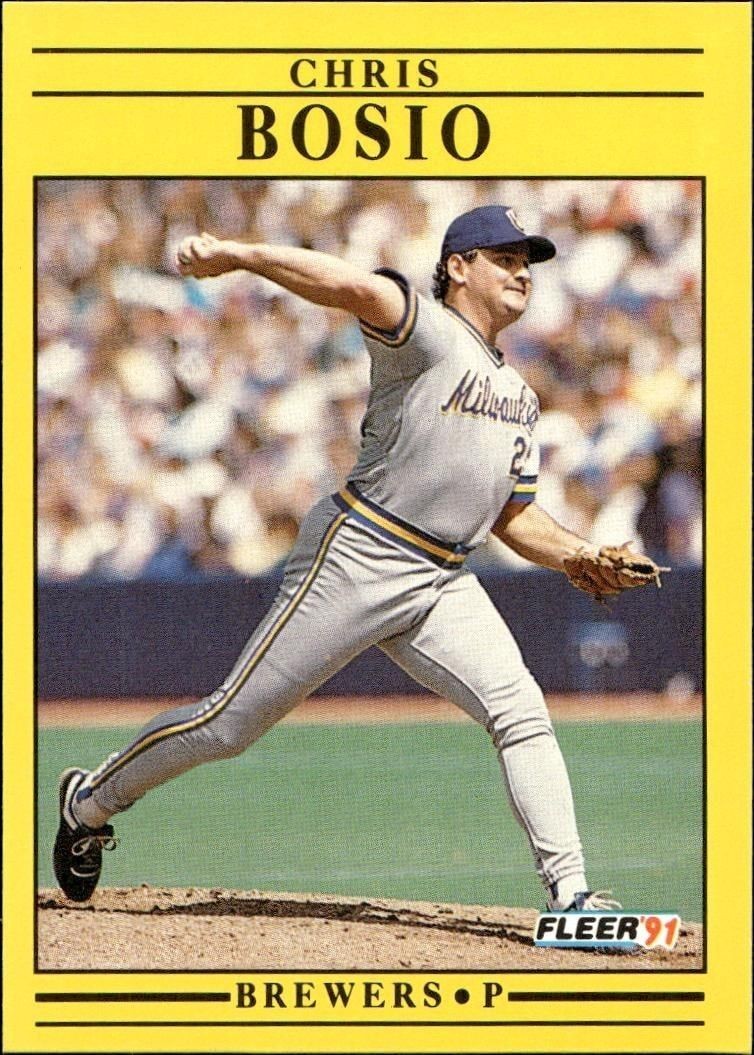
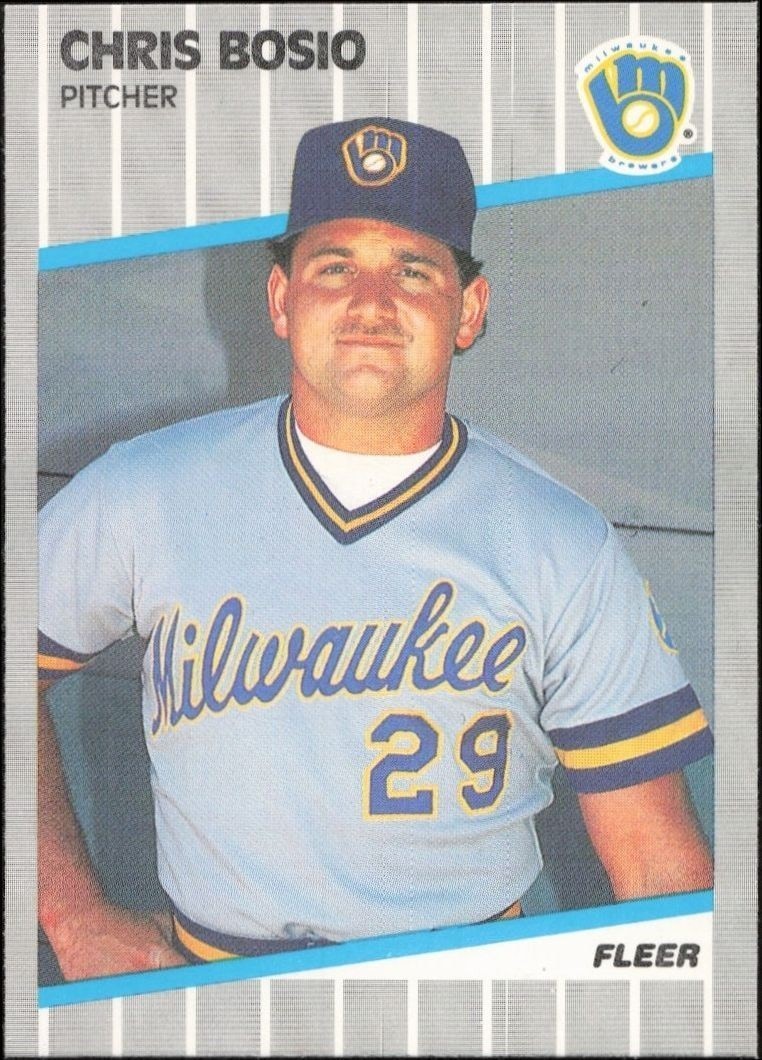
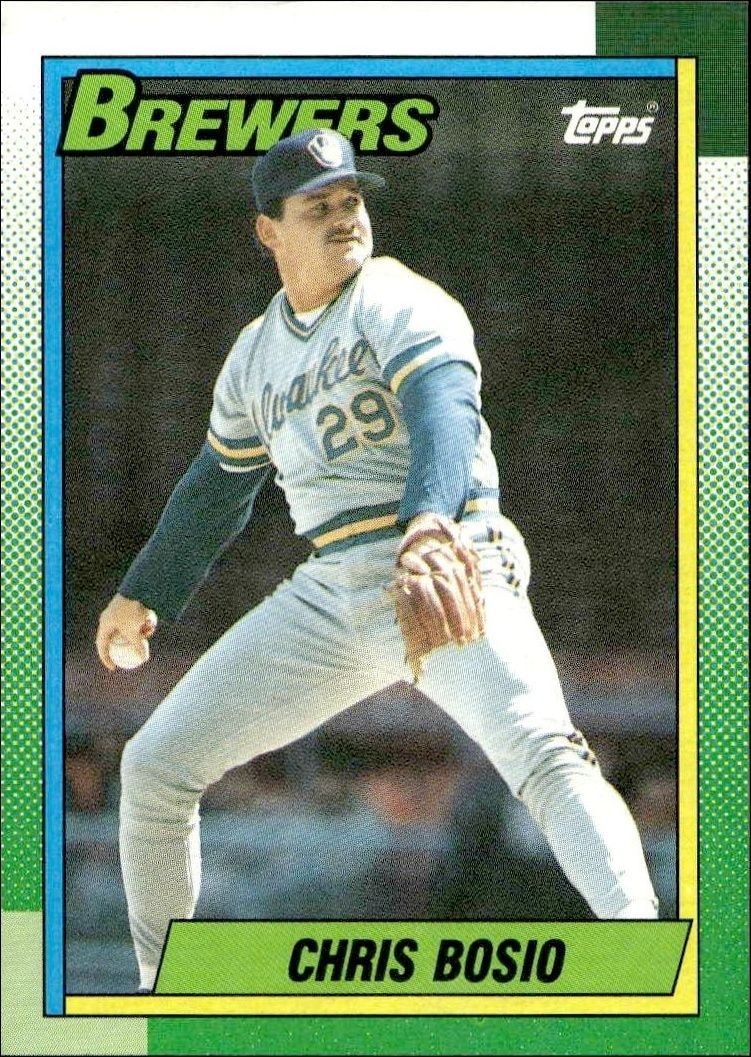
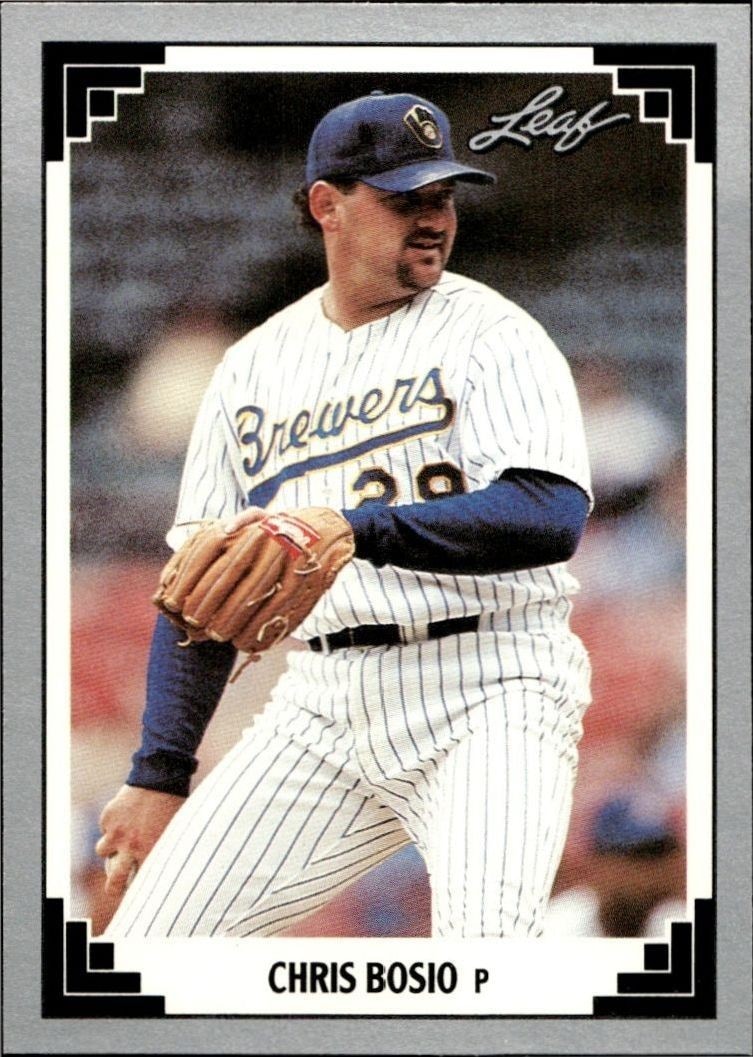
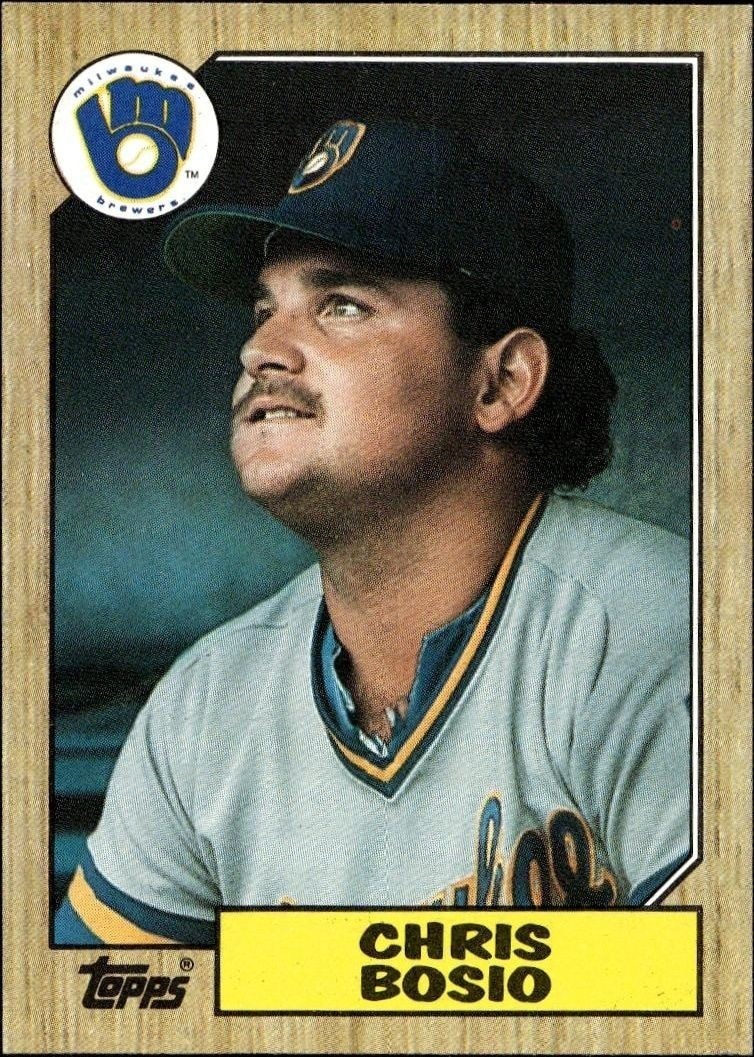
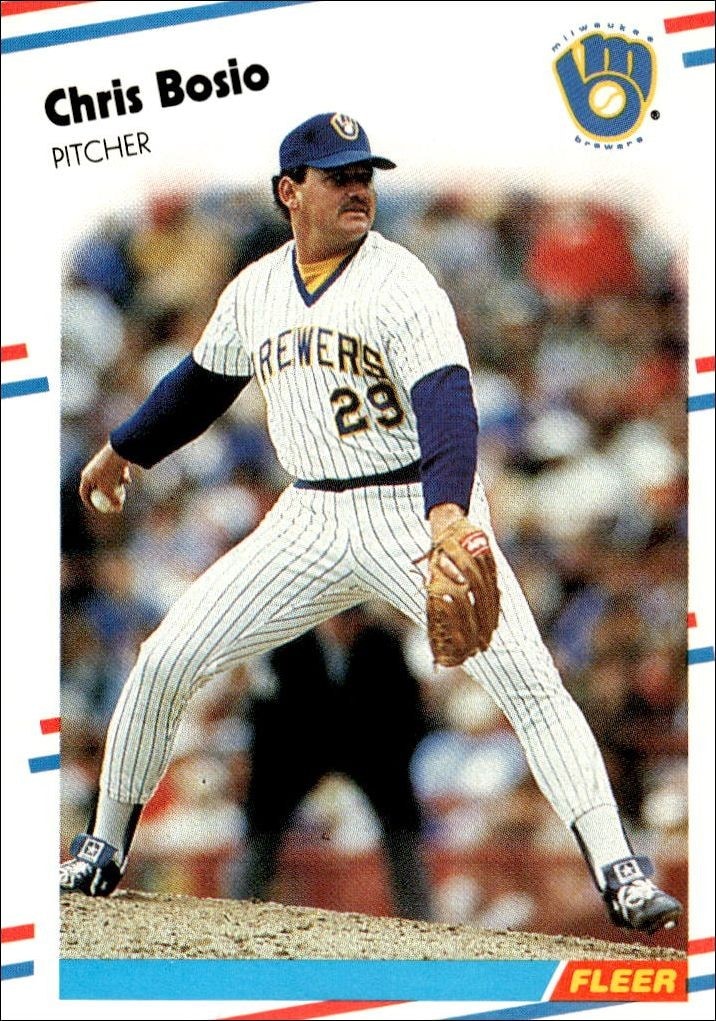
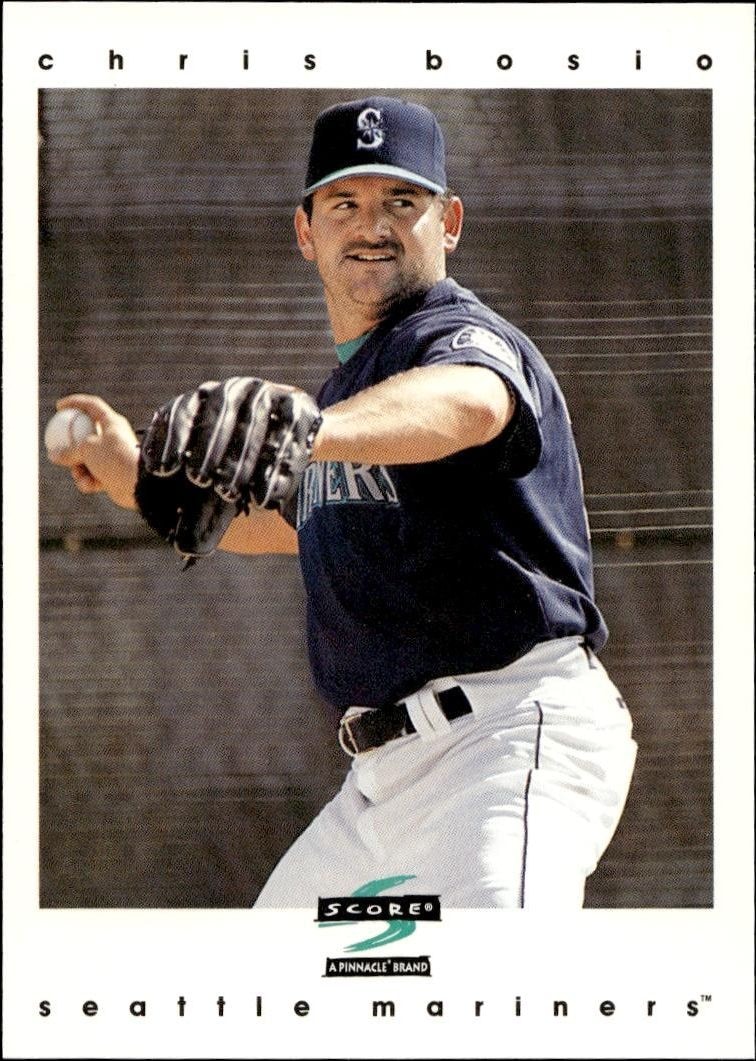
The 1991 Topps Chris Bosio #217 card captures the Milwaukee Brewers pitcher during a defining era of classic baseball design.
1991 • Topps
Major League Baseball • Milwaukee Brewers
Excellent
217
New
Shipping Calculated at Checkout
This seller is away until 10/19/2026 — orders are still accepted and ship after they return.30-day Returns| Condition | Value | Source | Trend | Price Details |
|---|---|---|---|---|
$1.55 | Guide Estimate | |||
Raw / Ungraded
PriceCharting Price Guide · Guide Estimate evidence · captured Oct 17, 2026
History is building. At least two days of matching observations are needed to show a trend.
Each point is the last stored observation that day for this printing, condition, grader, autograph status and source. Gaps mean no observation; guide estimates and asking prices are not completed sales.Chris Bosio appears as card number 217 in the 1991 Topps baseball set, representing his tenure with the Milwaukee Brewers. This release is a staple for collectors focusing on 1990s vintage sports cards, offering a tangible connection to the era's distinct visual style. The card features Bosio in his Brewers uniform, capturing the essence of MLB during a period known for its straightforward, photo-centric design language. Collectors often seek out 1991 Topps products to complete base sets or to focus on specific players from that season. Bosio's presence on the card highlights the depth of rosters from that time, making it a relevant piece for those interested in Brewers history or 90s baseball nostalgia. The card's identity is rooted in its specific year and brand, providing a clear anchor for cataloging and organization within a larger collection. For investors and hobbyists, vintage cards from the early 1990s continue to hold significant interest due to their accessibility and historical context. The 1991 Topps Chris Bosio #217 card serves as an accessible entry point into this segment of the hobby. It allows collectors to engage with a specific moment in baseball history without the high barrier to entry often associated with earlier, rarer issues. As you build your collection of vintage baseball cards, this card offers a straightforward yet meaningful addition to your roster of 1990s memorabilia.
16 hours ago
We'll pre-fill the product details from this catalog entry, so your listing lands on this exact page. Just add photos of your copy, pick its condition, and set your price.
The catalog profile below summarizes the card identity, featured subject, and notable collectible traits.
The subject, team, league, and sport context tied to this card.
Production details and format-specific attributes.
Material
Card Stock
Language
English
Compare prices, grades, photos, and shipping from approved sellers.
New
Excellent
See how many public collections currently include this card.
0 collectors have this card
As a standard base card from 1991, this Chris Bosio issue sits at the entry-level price tier common for non-premium vintage baseball products. It lacks the condition sensitivity or high-grade scarcity that typically drives premiums, reflecting its status as a widely distributed item rather than a sought-after centerpiece. While Bosio had a solid MLB career, this specific iteration trades in line with bulk or low-cost vintage singles where supply significantly outstrips specialized demand.
The card is identified as having no special attributes, indicating it is a standard base parallel within the Topps product line. This means it was produced in high volume with no serial numbering, short-print designation, or limited edition constraints to restrict its physical availability. Consequently, the supply is effectively unlimited relative to collector demand, as there are no scarcity mechanics embedded in the card's production.
With no rookie card designation or premium parallel status, this item lacks the structural drivers for significant appreciation. Demand is likely limited to casual collectors seeking complete base sets or specific team completions for the Milwaukee Brewers, rather than serious investors. The outlook suggests stable, low-yield positioning where value is maintained primarily through affordability rather than scarcity or historical significance.
