1 / 2
About This Card
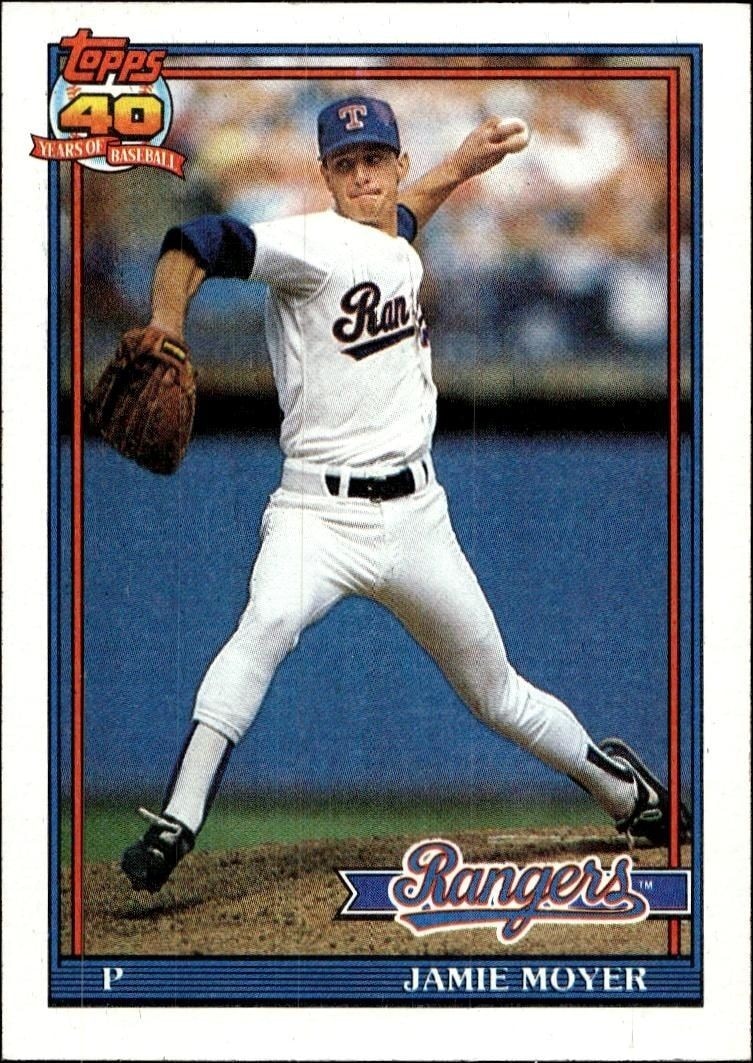
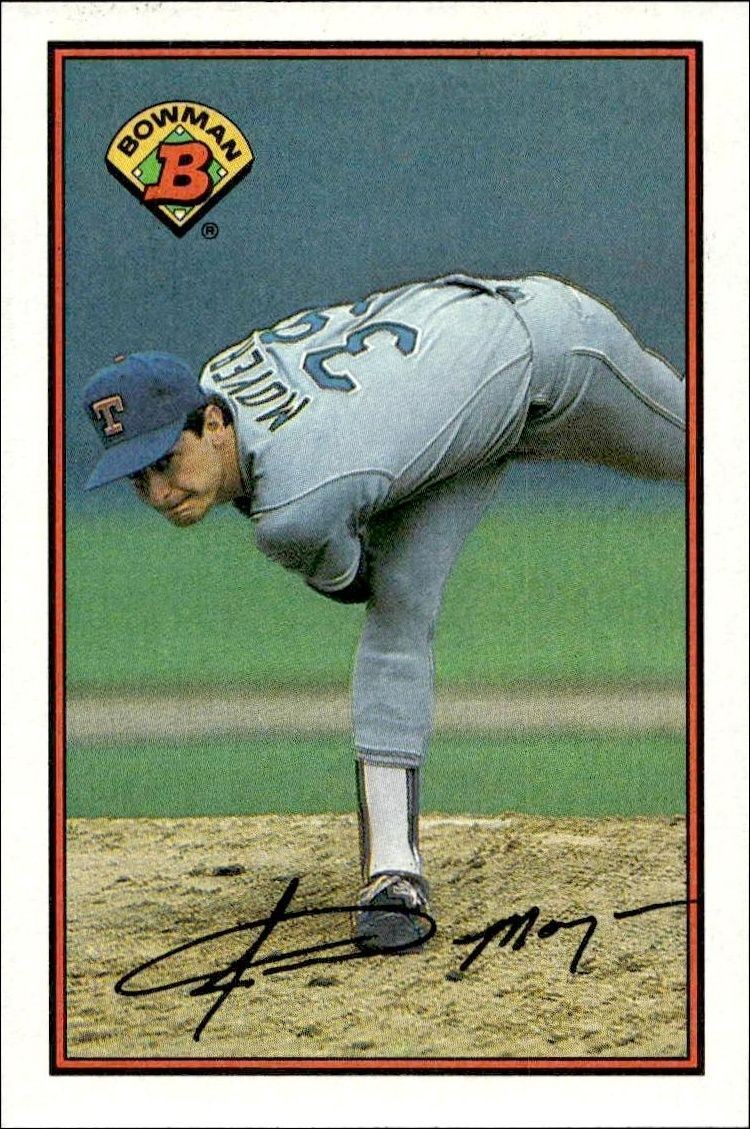
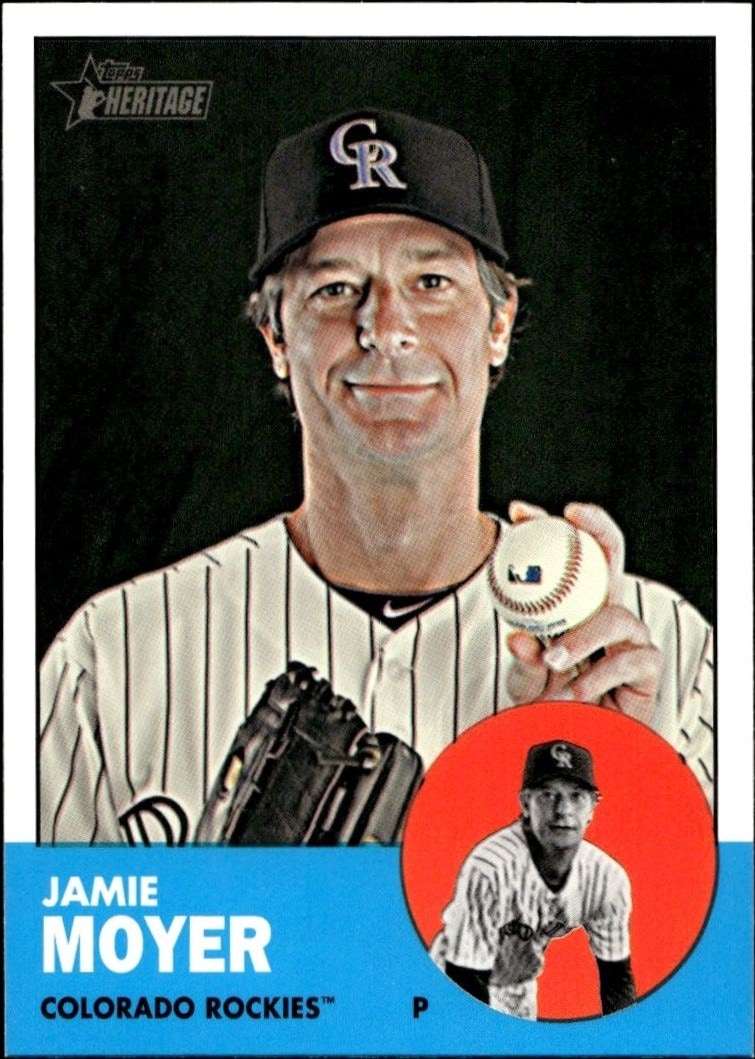
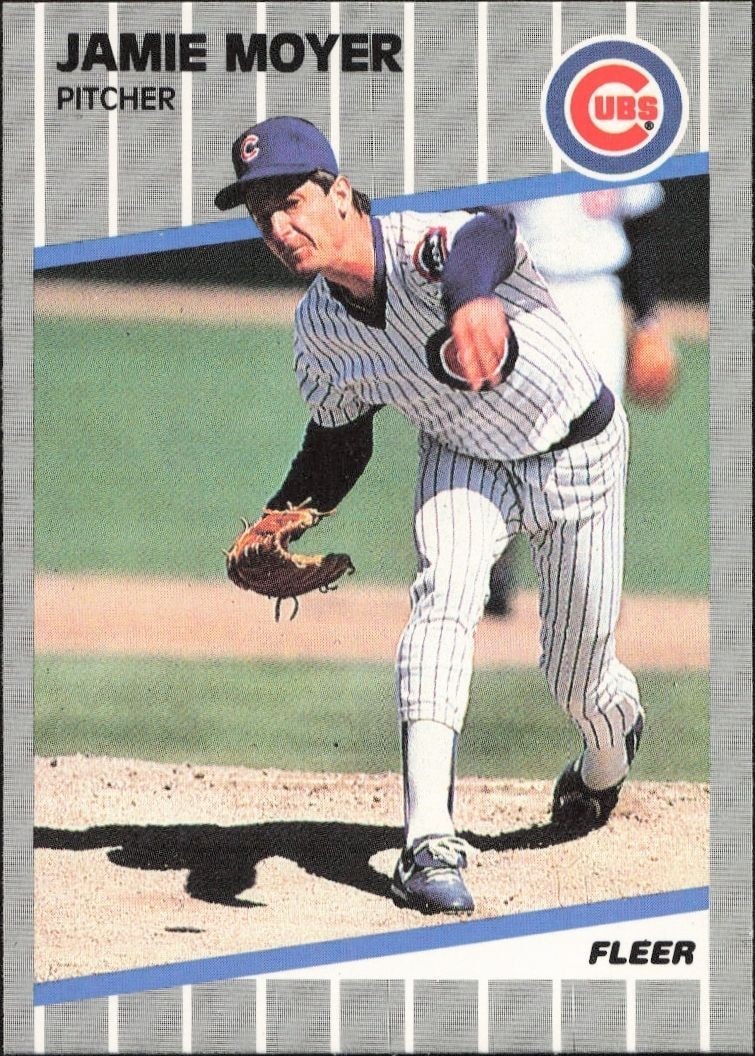
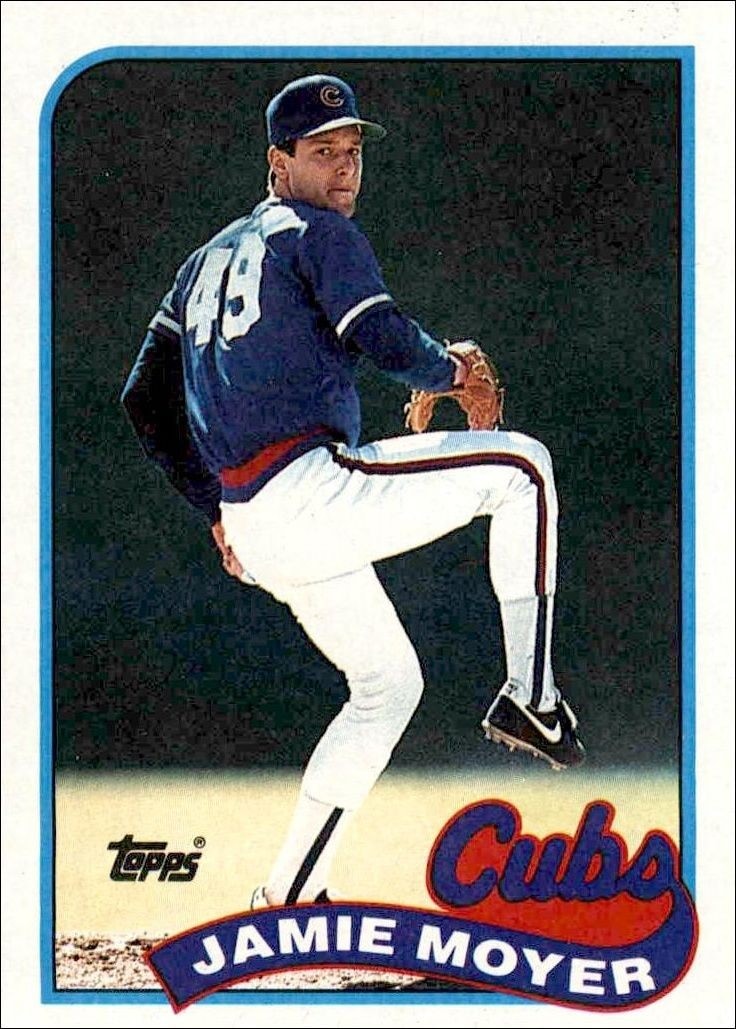
The 1991 Topps #138 Jamie Moyer baseball card captures a moment from the Texas Rangers era. This vintage issue is a staple for collectors focusing on 90s baseball history.
Jamie Moyer
1991 • Topps
Major League Baseball • Texas Rangers
Seller Offer
1 available$1.99
Raw/Ungraded Market: $0.99
Updated 5 days ago101% above
Condition
Excellent
Card Number
138
Loading express checkout
Primary Seller
New
Shipping Calculated at Checkout
30-day ReturnsMarket & Price History
Prices Captured Nov 25, 2026
Below grade 10 the guide publishes one estimate across all graders, so these rows are not PSA, BGS, CGC or SGC prices, and a low slabbed grade can sit below a clean raw copy. Grade 10 is estimated per grader.
| Condition | Value | Source | Trend | Price Details |
|---|---|---|---|---|
$0.99 | Guide Estimate | |||
$11.18 | Guide Estimate | |||
$12.00 | Guide Estimate | |||
- $0.99
- Source
- Guide Estimate
- Trend
- Price Details
- $11.18
- Source
- Guide Estimate
- Trend
- Price Details
- $12.00
- Source
- Guide Estimate
- Trend
- Price Details
30-day Price History
Raw / Ungraded
PriceCharting Price Guide · Guide Estimate evidence · captured Nov 25, 2026
History is building. At least two days of matching observations are needed to show a trend.
Each point is the last stored observation that day for this printing, condition, grader, autograph status and source. Gaps mean no observation; guide estimates and asking prices are not completed sales.Product Overview
Description
The 1991 Topps #138 Jamie Moyer baseball card represents a specific snapshot of the Texas Rangers during the early 1990s. As a standard issue from the 1991 Topps set, this card serves as a foundational piece for enthusiasts tracking the history of Major League Baseball teams from that decade. Collectors often seek out this card number to complete base sets or to focus on players who were active during this transitional period in the sport. For investors and hobbyists alike, vintage sports cards like this one hold enduring appeal due to their nostalgic value and historical significance. Whether you are looking to fill a gap in a long-term collection or exploring the market for vintage baseball memorabilia, this card offers a tangible connection to the past. By focusing on the identity of the card—its year, brand, and subject—collectors can make informed decisions about which pieces to pursue. This approach ensures that the value of the 1991 Topps #138 Jamie Moyer card is understood in the context of its original release rather than just as an isolated item. For those interested in the broader landscape of baseball trading cards, understanding the nuances of different years and brands is key to building a meaningful collection over time.
Last Listing Activity
3 days ago
Seller Action
Have one of these to sell?
We'll pre-fill the product details from this catalog entry, so your listing lands on this exact page. Just add photos of your copy, pick its condition, and set your price.
Product Specs
Card Details
The catalog profile below summarizes the card identity, featured subject, and notable collectible traits.
Featured Subject
The subject, team, league, and sport context tied to this card.
Print Details
Production details and format-specific attributes.
Material
Card Stock
Language
English
Available Offers
Available Offer for This Card (1)
Compare prices, grades, photos, and shipping from approved sellers.
Featured Offer
New
Condition
Excellent
Seller PriceShipping Extra
$1.99
Collector Ownership
Owned by Collectors
See how many public collections currently include this card.
0 collectors have this card
SuperCatch Expert Analysis
Market Value Insight
This 1991 Topps Jamie Moyer card sits at the absolute entry-level tier of the market, reflecting its status as a standard base card from a mass-produced set. While Moyer achieved significant career longevity, this specific issue lacks the premium appeal of his later seasons or specialized parallels, resulting in a price point that is accessible to new collectors. The current valuation indicates it trades well below the threshold of high-demand vintage assets, serving more as a foundational piece for a complete set rather than a standalone investment.
Rarity Breakdown
The card carries no special scarcity attributes, as it is a standard base issue from the 1991 Topps product without serial numbering, short-print designation, or parallel variations. Supply is effectively unlimited relative to demand, given the massive print runs characteristic of mainstream Topps releases from this era. Consequently, the item is abundant in the secondary market, with no mechanical constraints on availability to drive rarity-based value appreciation.
Investment Outlook
As a non-rookie card from a high-volume base set, this item offers minimal upside for speculative investment due to the lack of unique collector demand drivers. The primary value proposition lies in its affordability for assembling complete year sets, appealing to hobbyists focused on breadth rather than depth. Without rookie card status or special production features, long-term growth is unlikely to outpace broader market trends.
AI-Generated Editorial Analysis
FAQ
Frequently Asked Questions
What team did Jamie Moyer play for in 1991?
In the 1991 Topps set, Jamie Moyer is featured as a member of the Texas Rangers. This card documents his tenure with that specific franchise during the early 1990s.
Is the 1991 Topps #138 card considered a rookie card?
No, the 1991 Topps #138 Jamie Moyer card is not a rookie card. It was released during his established career, reflecting his status as an active major league player at that time.
How can I verify the authenticity of vintage Topps cards?
Authenticity is typically verified through professional grading services that examine the card's centering, corners, edges, and surface. Collectors often look for certification from reputable companies to ensure the card matches the original 1991 Topps production standards.