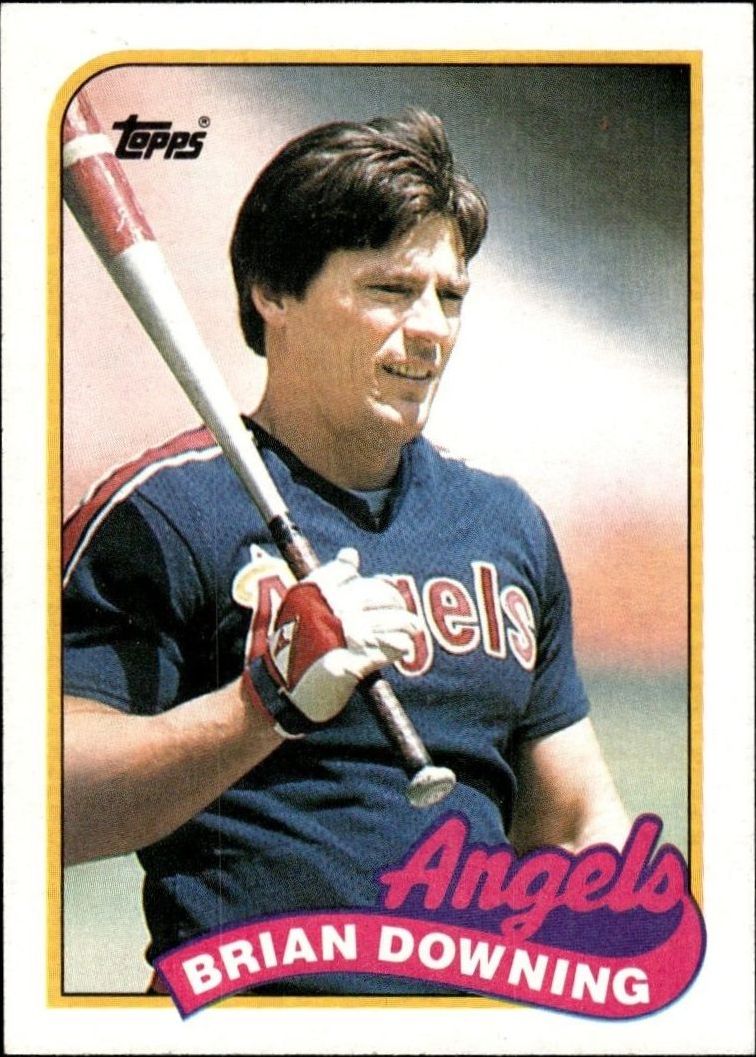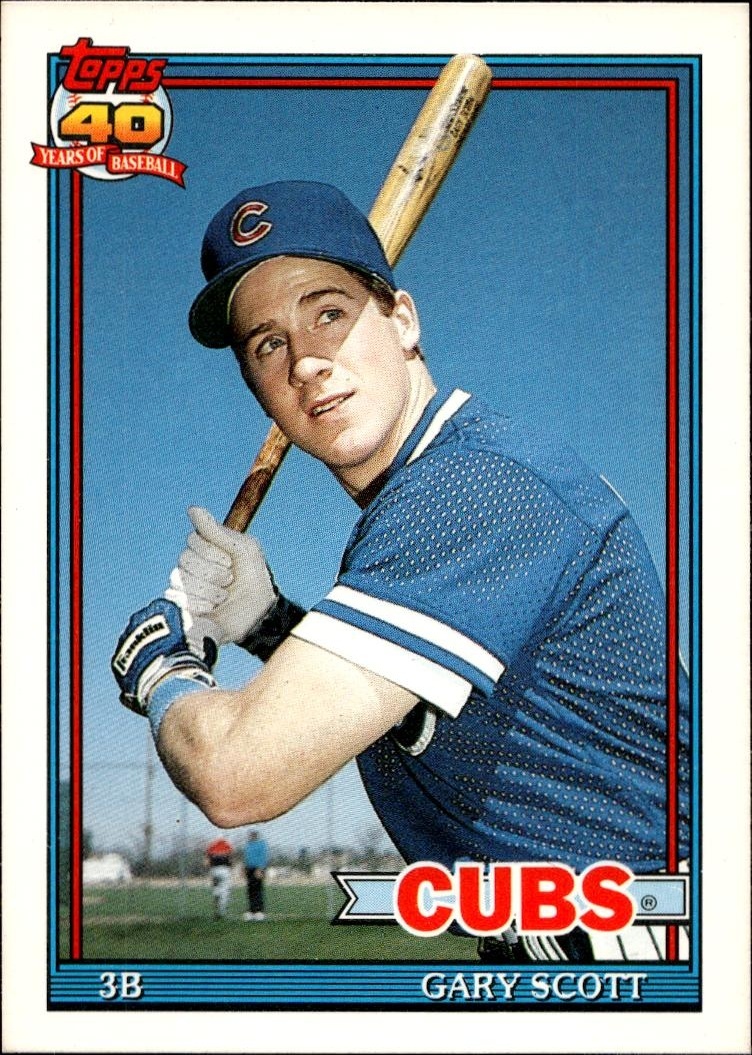


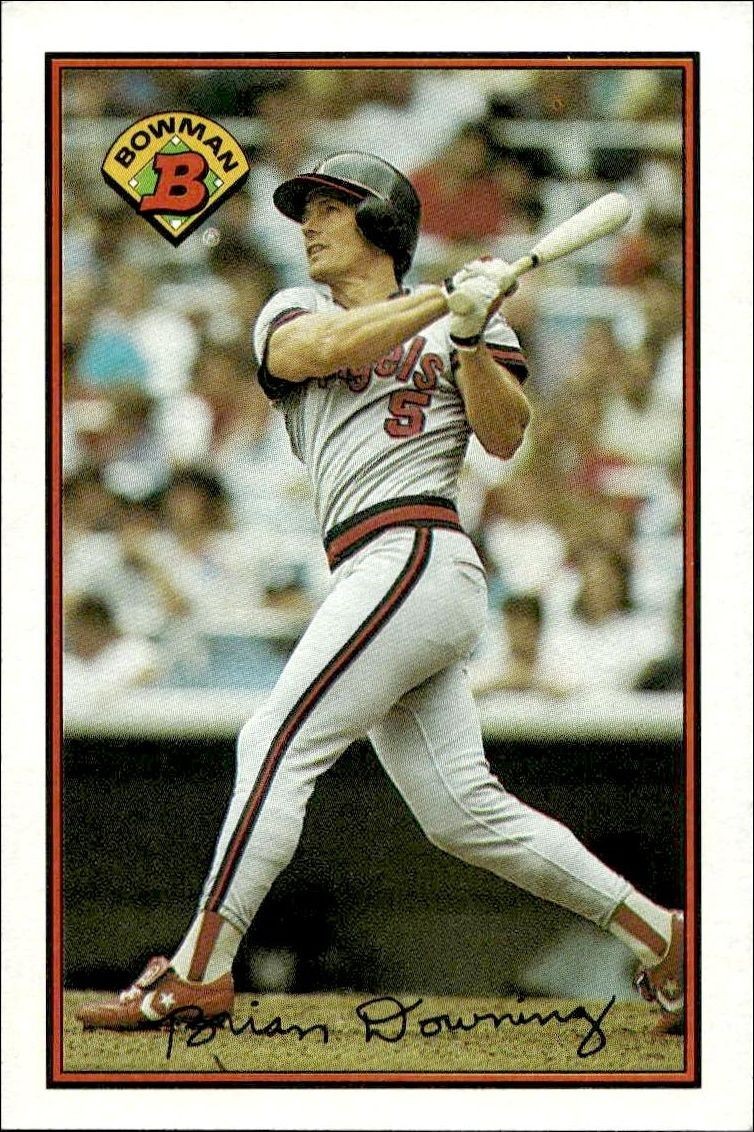
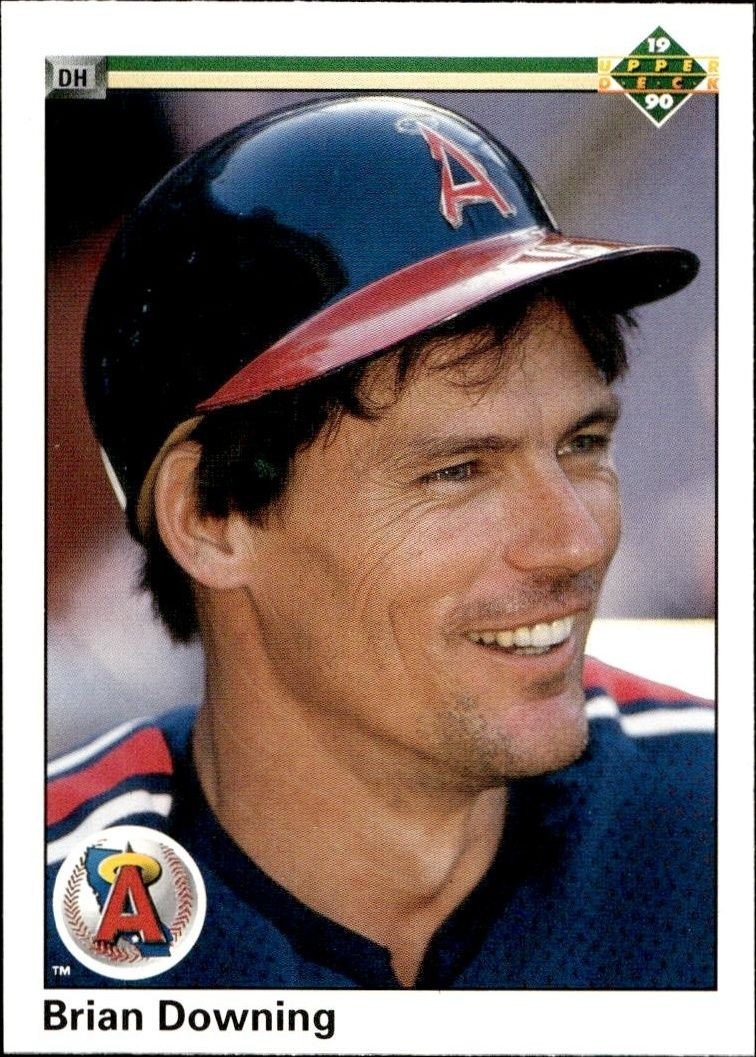


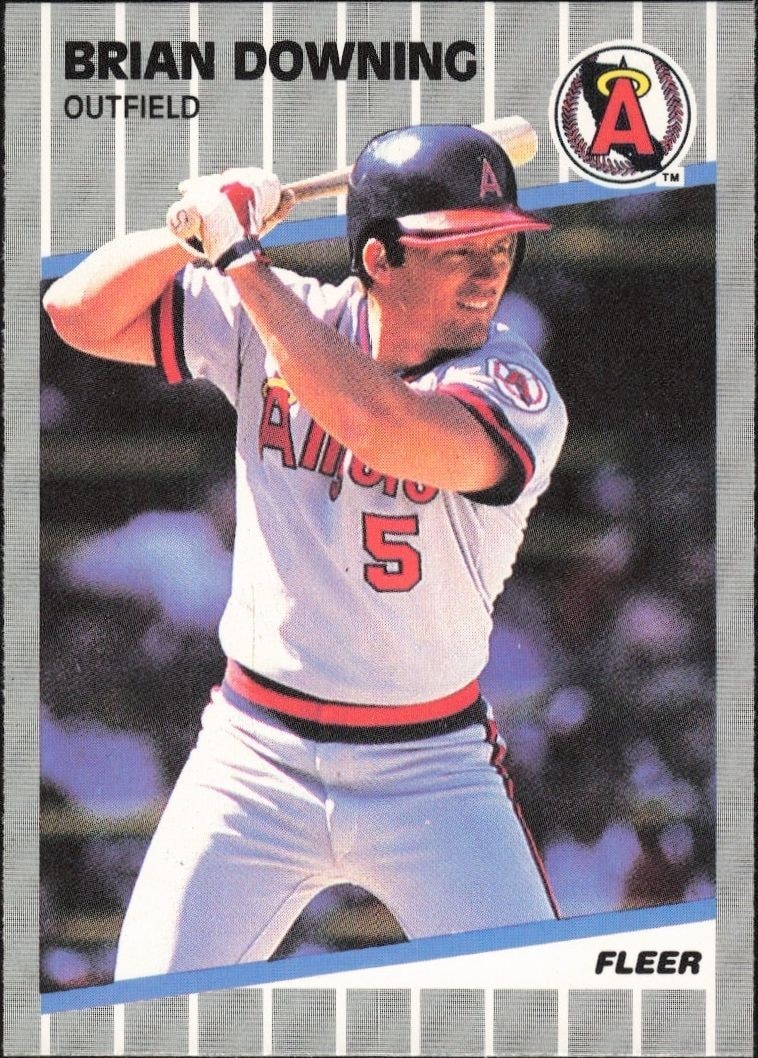
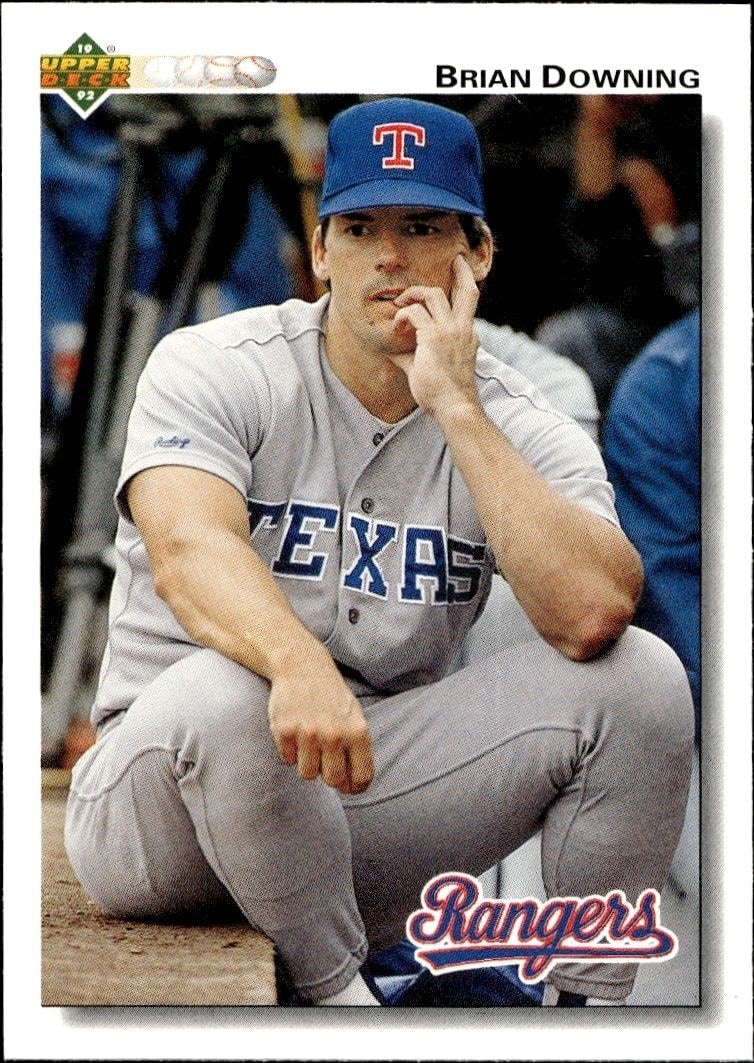
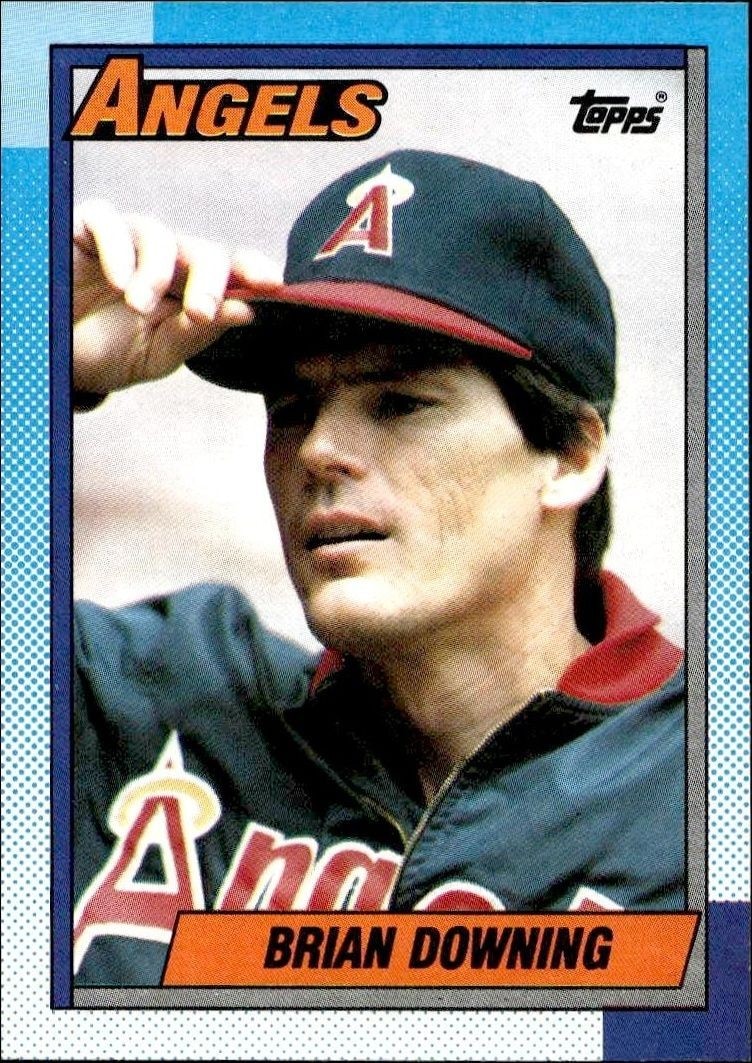
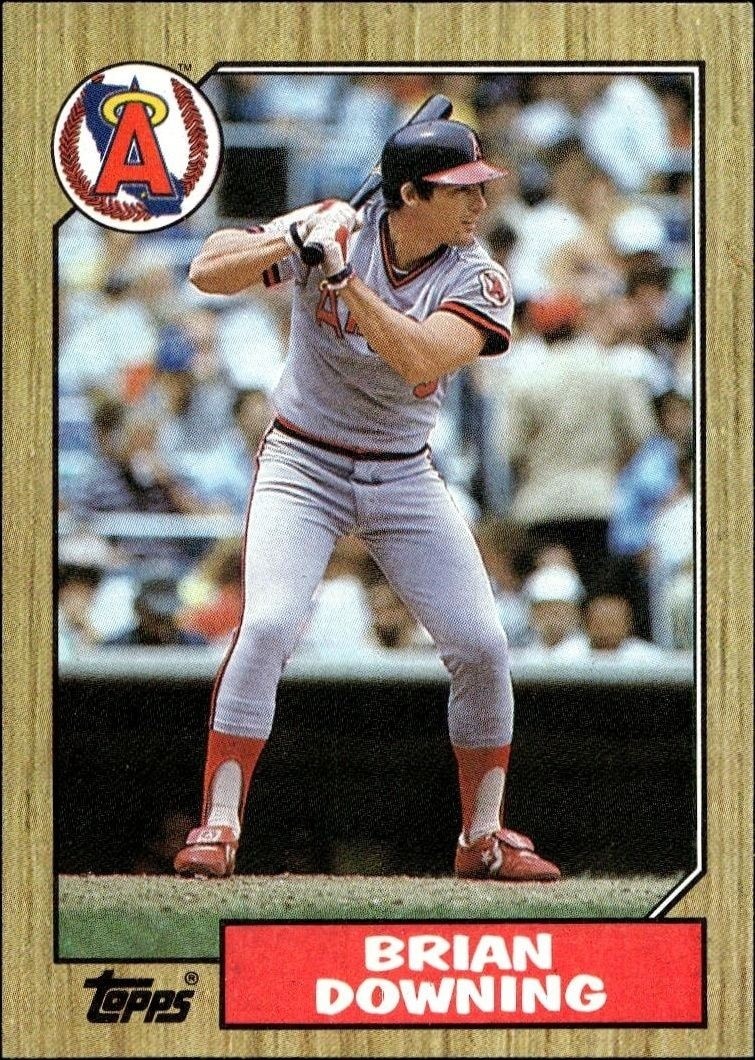
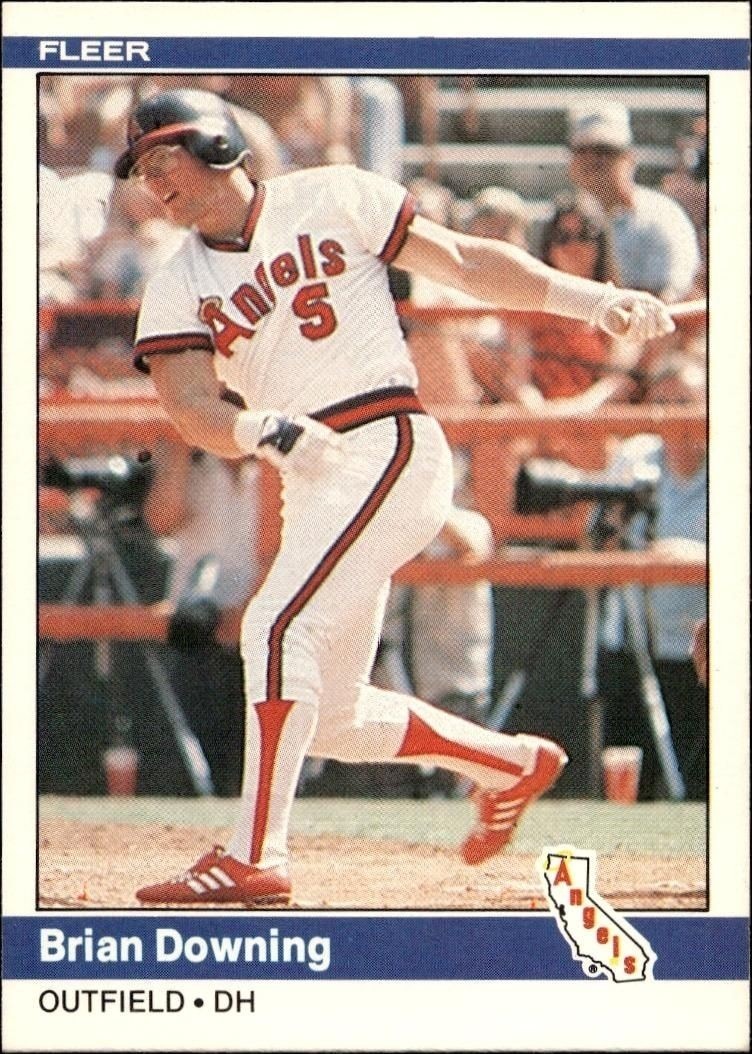
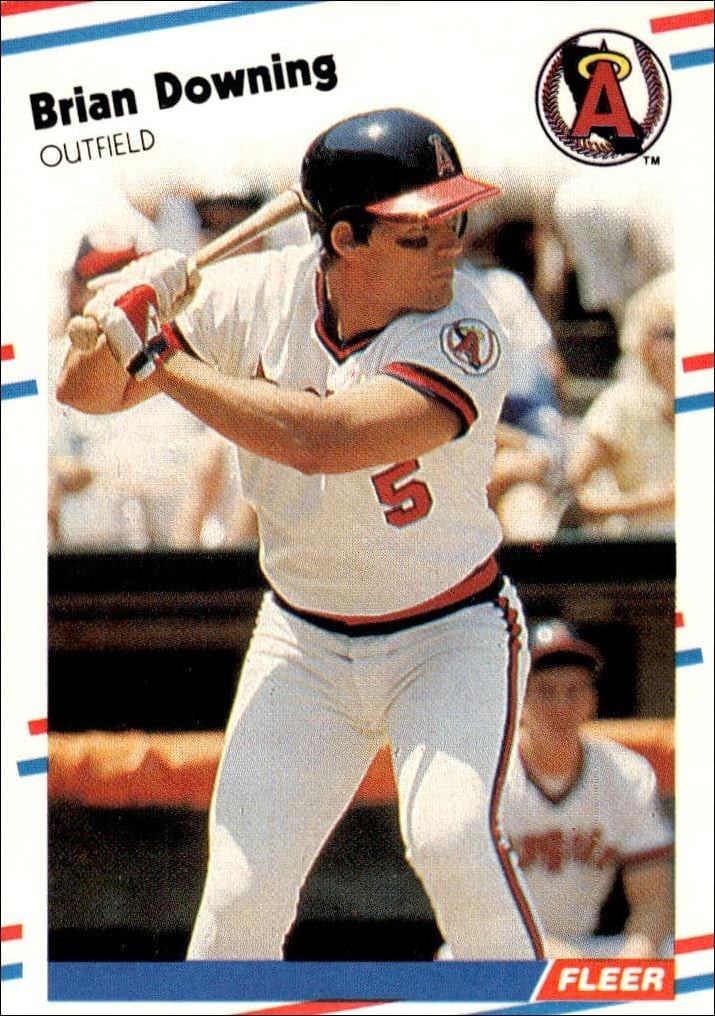
The 1991 Topps Traded Brian Downing #33T is a vintage baseball card featuring the Texas Rangers player, offering collectors a tangible piece of early 90s sports history.
1991 • Topps • Traded
Major League Baseball • Texas Rangers
Excellent
33T
New
Shipping Calculated at Checkout
This seller is away until 10/19/2026 — orders are still accepted and ship after they return.30-day Returns| Condition | Value | Source | Trend | Price Details |
|---|---|---|---|---|
$1.15 | Guide Estimate | -10.2% | ||
$47.00 | Guide Estimate | 0% | ||
$22.00 | Guide Estimate | 0% | ||
$35.90 | Guide Estimate | 0% | ||
$22.00 | Guide Estimate | 0% | ||
Raw / Ungraded
PriceCharting Price Guide · Guide Estimate evidence · captured Oct 8, 2026
The 1991 Topps Traded Brian Downing #33T represents a specific moment in the history of the Texas Rangers during the early 1990s. As part of the Topps Traded series, this card was distributed to collectors after the initial base set release, capturing the mid-season roster updates and player movements of that era. Brian Downing, a veteran presence for the Rangers, is featured here, making this card a relevant item for enthusiasts of the team's timeline. Collectors often seek out cards from the 1991 Topps Traded set due to the distinct design and the specific snapshot of the league it provides. The card number 33T identifies its place within the expanded traded series, distinguishing it from the primary base set. For those building collections focused on the Texas Rangers or vintage baseball from the early 90s, this card serves as a foundational component. The appeal of the 1991 Topps Traded Brian Downing #33T lies in its historical context and the enduring interest in classic baseball card design. Whether you are focused on completing a set of Rangers cards or exploring the broader landscape of 1991 sports trading cards, this product offers a direct connection to the past. The card's identity as a traded release adds a layer of specificity that appeals to detail-oriented hobbyists who value the nuances of release windows and series variations. By focusing on the catalog details and historical significance, collectors can make informed decisions about adding vintage sports cards to their inventory. The enduring popularity of Topps releases from this period ensures that cards like this one remain a staple in the collecting community.
10 hours ago
We'll pre-fill the product details from this catalog entry, so your listing lands on this exact page. Just add photos of your copy, pick its condition, and set your price.
The catalog profile below summarizes the card identity, featured subject, and notable collectible traits.
The core identity of the card within the set.
The subject, team, league, and sport context tied to this card.
Production details and format-specific attributes.
Material
Card Stock
Language
English
Compare prices, grades, photos, and shipping from approved sellers.
New
Excellent
See how many public collections currently include this card.
0 collectors have this card
Brian Downing occupies a distinct niche as a veteran presence within the 1991 Topps Traded set, a period known for its high volume of production. While the current market reflects a modest entry point for this specific base card, it trades below the premium tier typically commanded by rookie issues or high-grade parallels from this era. Its value is anchored in historical familiarity rather than speculative hype, appealing to collectors focused on complete set assembly rather than individual player appreciation.
This card is a standard base issue without noted serial numbering, short-print designations, or parallel treatments. Consequently, it shares the broadest supply tier within the 1991 Topps Traded product, lacking the scarcity mechanics that drive premium valuation in the secondary market. The absence of unique attributes means its availability is determined primarily by the overall print run of the base set rather than limited edition constraints.
As a non-rookie card from a mass-produced set, this item lacks the rookie-card premium mechanics that typically drive long-term appreciation in the baseball hobby. Collector demand is likely driven by the need to complete specific set subsets rather than strong speculative interest in the player's individual market value. Investors should view this as a low-risk component for set completion rather than a standalone asset with significant upside potential.